猫抓柱
CN → US| HS Code | Tariff Rate | Origin | Destination | Doc |
|---|---|---|---|---|
| 3926305000 | 22.8% | CN | US | Official Doc |
| 4421999880 | 38.3% | CN | US | Official Doc |
| 5603949090 | 35.0% | CN | US | Official Doc |
| 4421919880 | 38.3% | CN | US | Official Doc |
| 3926909989 | 22.8% | CN | US | Official Doc |
Product Images
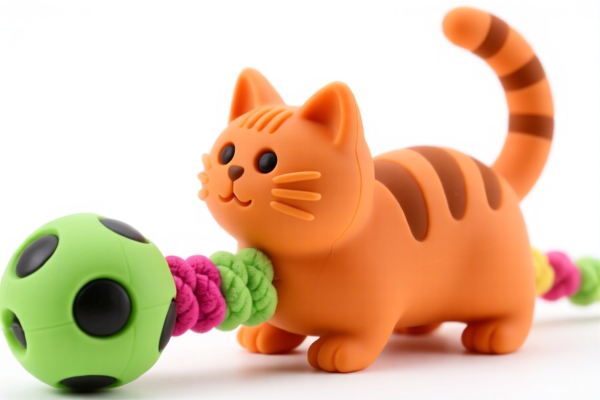
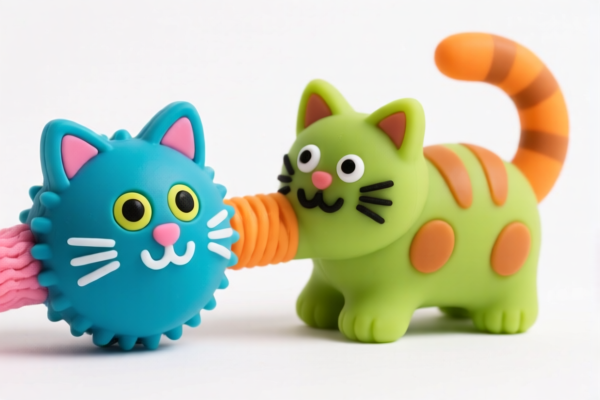
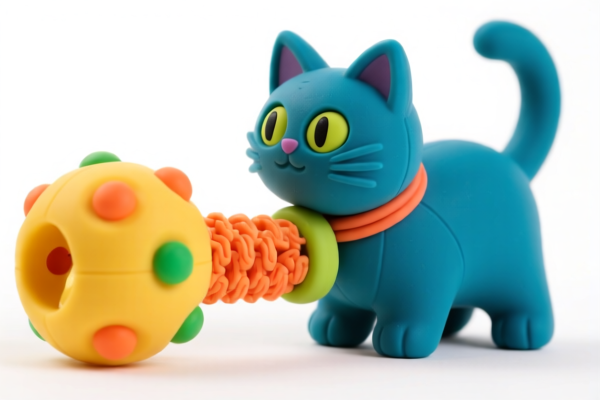
AI Analysis
🐱 Cat Scratching Post (Cat Scratch Posts / Cat Trees)
🌐 HS Code Reference & Customs Clearance Guide | 2026 Latest Tariff Analysis | Professional Customs Strategy
📌 I. Product Definition & Classification: Do You Really Understand "Cat Scratching Posts"?
A cat scratching post is an essential interactive accessory for pet owners, designed to satisfy cats' natural instinct to scratch, preventing damage to furniture. In international trade, the classification of this product varies significantly based on its primary material and structural composition.
Core Classification Logic: 1. Plastic-based Posts: Often classified under Chapter 39 (Plastics) or Chapter 95 (Toys/Amusements), depending on specific components. 2. Wooden/Bamboo-based Posts: Typically classified under Chapter 44 (Wood and articles of wood). 3. Fiber/Jute-based Posts: If the main structure or covering is made of sisal, jute, or corrugated paper fibers, it may fall under Chapter 56 (Non-wovens) or other fiber-specific chapters.
⚠️ Key Distinction Point:
- If the base is plastic with a sisal rope wrap → Often 3926.90 (Other plastic articles).
- If the frame is wood/bamboo → Often 4421.99 (Other wooden articles).
- If the material is primarily sisal/jute fiber non-woven or composite → 5603.94 (Other non-wovens).
📦 II. HS Code Classification Details (Based on Provided Data)
The following HS codes are derived from the provided dataset, categorized by material inference.
| HS Code | Product Description | Material Inference | Applicability |
|---|---|---|---|
| 3926.30.50.00 | Other articles of plastics | Plastic base/coating + Accessories/Fixtures | Suitable for posts with plastic bases or plastic-coated components. |
| 4421.99.98.80 | Other wood articles | Wooden base/frame | Suitable for posts made of wood or containing wooden bases. |
| 5603.94.90.90 | Other non-wovens | Sisal/Jute/Corrugated Paper Fiber | Suitable for posts made of sisal, jute, or fiber-based materials (non-woven classification). |
| 4421.91.98.80 | Other wood articles (Bamboo/Other) | Bamboo or Wood | Suitable for posts made of bamboo or other specific wood types. |
| 3926.90.99.89 | Other plastic articles | Plastic/Composite | Suitable for posts made of plastic or plastic-composite materials not specifically listed elsewhere. |
🔍 Important Note:
- The classification heavily depends on the primary material visible in the product structure.
- Wooden/Bamboo items generally face higher tariffs due to specific trade restrictions.
- Plastic items generally have lower base tariffs but are subject to specific "122 Clause" duties.
💰 III. 2026 Latest Tariff Rate Details (Including Surtaxes & Policy Surcharges)
✅ Applicable Country: United States (US)
✅ Origin: China (CN)
✅ Effective Time: Current trade policies (2025-2026)
🎯 1. 3926.30.50.00 & 3926.90.99.89 —— Plastic-Based Cat Scratching Posts
| Item | Content |
|---|---|
| Base Tariff | 5.3% (ad valorem) |
| Section 301 Surtax | +7.5% (Specific to these sub-headings) |
| Section 122 Surtax | +10% (Specific trade restriction) |
| Total Tax Rate | 22.8% |
| Tax Calculation | CIF Value × 22.8% |
| De Minimis Eligibility | ❌ No (Subject to full duty assessment) |
| Legal Basis Path | USITC:3926.30.50.00 / 3926.90.99.89 → Surtax:7.5% → Section 122:10% |
📌 Explanation:
- Plastic-based products benefit from a lower base tariff (5.3%).
- However, they are subject to a 7.5% Section 301 surtax and a 10% Section 122 surtax.
- The total effective rate is 22.8%, which is moderate compared to wooden products.
🎯 2. 4421.99.98.80 & 4421.91.98.80 —— Wood/Bamboo-Based Cat Scratching Posts
| Item | Content |
|---|---|
| Base Tariff | 3.3% (ad valorem) |
| Section 301 Surtax | +25.0% (High tariff impact) |
| Section 122 Surtax | +10% |
| Total Tax Rate | 38.3% |
| Tax Calculation | CIF Value × 38.3% |
| De Minimis Eligibility | ❌ No |
| Legal Basis Path | USITC:4421.99.98.80 / 4421.91.98.80 → Surtax:25.0% → Section 122:10% |
📌 Explanation:
- Wooden/Bamboo products have a very low base tariff (3.3%).
- However, they face a steep 25% Section 301 surtax due to US-China trade tensions.
- Combined with the 10% Section 122 surtax, the total rate is 38.3%.
- Warning: This is a high-cost category for importers.
🎯 3. 5603.94.90.90 —— Fiber/Sisal/Jute-Based Cat Scratching Posts
| Item | Content |
|---|---|
| Base Tariff | 0.0% |
| Section 301 Surtax | +25.0% |
| Section 122 Surtax | +10% |
| Total Tax Rate | 35.0% |
| Tax Calculation | CIF Value × 35.0% |
| De Minimis Eligibility | ❌ No |
| Legal Basis Path | USITC:5603.94.90.90 → Surtax:25.0% → Section 122:10% |
📌 Explanation:
- Fiber/Sisal products benefit from a 0% base tariff.
- They are still subject to the 25% Section 301 surtax and 10% Section 122 surtax.
- The total rate is 35.0%, making it cheaper than wood but more expensive than plastic.
🛠️ IV. Customs Clearance Practical Advice (Pitfall Avoidance Guide)
✅ 1. Preparation Checklist (Essential Documents)
| Document | Required | Purpose |
|---|---|---|
| ✅ Product Specification | ✔️ | Must clearly state primary material (Wood, Plastic, Sisal, etc.). |
| ✅ Material Composition List | ✔️ | Breakdown of materials (e.g., "70% Wood, 30% Sisal Rope"). |
| ✅ Product Photos | ✔️ | Clear images of base, post, and packaging. |
| ✅ Commercial Invoice | ✔️ | Value must be accurate; HS Code must match material description. |
| ✅ Packing List | ✔️ | Weight and dimensions for freight calculation. |
| ✅ Fumigation Certificate | ✔️ | Critical for Wood/Bamboo products (4421 codes). Required by US customs for wooden packaging/materials. |
✅ 2. Declaration Tips (Key Mantras)
🔥 "Material is King, Wood Needs Fumigation, Plastic is Cheaper, Fiber is Middle!"
| Scenario | Correct Declaration | Mistake to Avoid |
|---|---|---|
| Plastic Base Post | HS: 3926.30.50.00 or 3926.90.99.89Tax: 22.8% |
Misdeclaring as wood to avoid 25% surtax → Fraud Risk. |
| Wooden Base Post | HS: 4421.99.98.80 or 4421.91.98.80Tax: 38.3% |
Forgetting Fumigation Certificate → Detention/Return. |
| Sisal/Jute Post | HS: 5603.94.90.90Tax: 35.0% |
Misdeclaring as plastic → Underpayment of Duty. |
| Mixed Material Post | Declare Primary Material | Vague description like "Pet Toy" → Customs Review Delay. |
✅ 3. Special Circumstances
| Situation | Handling Advice |
|---|---|
| Wooden Packaging | Must be ISPM 15 compliant (Fumigated/Heat Treated). Provide certificate. |
| Mixed Materials | If >50% by value/weight is plastic, lean towards 3926. If wood is structural, lean towards 4421. |
| Pre-assembled vs. Knocked-Down | No difference in HS code, but packing list must reflect actual shipped condition. |
| Origin Marking | Must clearly state "Made in China" on product/packaging. |
🌍 V. Global Market Comparison (2026 Latest)
| Country/Region | Recommended HS Code | Tariff (China Origin) | Certification Requirements | Notes |
|---|---|---|---|---|
| 🇺🇸 USA | 3926 / 4421 / 5603 |
22.8% (Plastic) / 38.3% (Wood) / 35.0% (Fiber) | Fumigation (Wood), CPSC | Highest surtaxes globally. |
| 🇨🇳 China | 3926 / 4421 / 5603 |
5-10% (Varies) | CCC (if applicable) | Lower duties, no US surcharges. |
| 🇪🇺 EU | 3926 / 4421 / 5603 |
0-4.7% | CE, REACH | No Section 301/122 surcharges. |
| 🇬🇧 UK | 3926 / 4421 / 5603 |
0-4.7% | UKCA, REACH | Post-Brexit standards apply. |
| 🇦🇺 Australia | 3926 / 4421 / 5603 |
5% | RCM, Phytosanitary (Wood) | Stricter on wood import. |
📌 Conclusion:
- USA is the most expensive market due to Section 301 (25-7.5%) and Section 122 (10%) surcharges.
- Wooden posts are the most costly to import into the US (38.3%).
- Plastic posts are the most cost-effective for the US market (22.8%).
- EU/UK/Australia do not apply these specific US surcharges, making them more competitive for wood/fiber products.
📌 VI. Common Mistakes & Pitfall Guide (Lessons Learned)
❌ Mistake 1: Declaring a Wooden cat post as Plastic to save on tariffs.
👉 Consequence: Customs inspection reveals wood → Fines, Back-tariff of 15.5% difference, and potential fraud investigation.
❌ Mistake 2: Shipping Wooden posts without a Fumigation Certificate.
👉 Consequence: Goods detained at US port, forced re-export or destruction, plus storage fees.
❌ Mistake 3: Vague description "Cat Toy" on Invoice.
👉 Consequence: Customs assigns wrong HS code → Unpredictable Duty Rate (could be higher).
❌ Mistake 4: Ignoring Section 122 Surtax (10%).
👉 Consequence: Underpayment of duty → Penalties and Interest.
✅ Correct Practice:
"Cat Scratching Post, Wooden Base with Sisal Rope, Model XYZ, Made in China, Fumigation Cert Attached"
🎯 VII. Conclusion: Professional Declaration, Save Money, Ensure Smooth Customs!
🎯 Remember the Mantra:
🔹 "Plastic 22.8%, Wood 38.3%, Fiber 35.0%!"
🔹 "Wood needs Fumigation, Plastic is cheaper, Declare Material Clearly!"
📌 Pro Tip:
- If your product is originating from Vietnam or Thailand, you may avoid US Section 301 surcharges.
- Consider using Plastic or Fiber bases if targeting the US market to reduce duty costs.
- Always consult a licensed customs broker for pre-classification rulings.
📣 Immediate Action:
📞 Contact a Customs Broker + Provide Product Photos + Verify Material Composition
🚀 Ensure Smooth Clearance, Minimize Duties, Maximize Profit!
✨ Professional Customs Clearance Starts with Accurate Classification!
💼 Every Dollar of Duty Saved is Pure Profit!
Customer Reviews
About HS Code Classification
The Harmonized System (HS) is an internationally standardized nomenclature developed by the World Customs Organization (WCO) to classify traded products. Over 200 countries use the HS system as the basis for customs tariffs, trade statistics, and import/export regulations.
Each HS code follows a hierarchical structure:
- Chapter (2 digits) — Broad category of goods (e.g., Chapter 84: Machinery and Mechanical Appliances)
- Heading (4 digits) — More specific grouping within the chapter
- Subheading (6 digits) — Internationally standardized breakdown, used by all WCO member countries
- National subdivisions (8-10 digits) — Country-specific extensions for further classification, such as US HTSUS 10-digit codes
Correct HS code classification is essential for smooth customs clearance, accurate duty payment, and compliance with trade regulations. Misclassification can lead to customs delays, overpayment of duties, or penalties.
When importing from CN to US, the applicable tariff rates may include:
- Most-Favored-Nation (MFN) rate — The standard duty rate applied to WTO members
- General rate — Applied to countries without trade agreements
- Trade remedy duties — Additional tariffs such as Section 301 (anti-dumping), Section 232 (national security), or countervailing duties
The information provided on this page is for reference purposes only. For official classification, please consult with your local customs authority or a licensed customs broker.