猫衣服
CN → US| HS Code | Tariff Rate | Origin | Destination | Doc |
|---|---|---|---|---|
| 6114200055 | 28.3% | CN | US | Official Doc |
| 6114200060 | 28.3% | CN | US | Official Doc |
| 6214900090 | 28.8% | CN | US | Official Doc |
| 6114909070 | 15.6% | CN | US | Official Doc |
| 6114200055 | 28.3% | CN | US | Official Doc |
Product Images
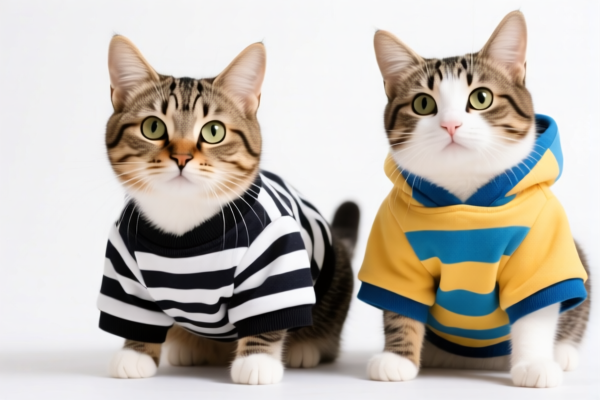
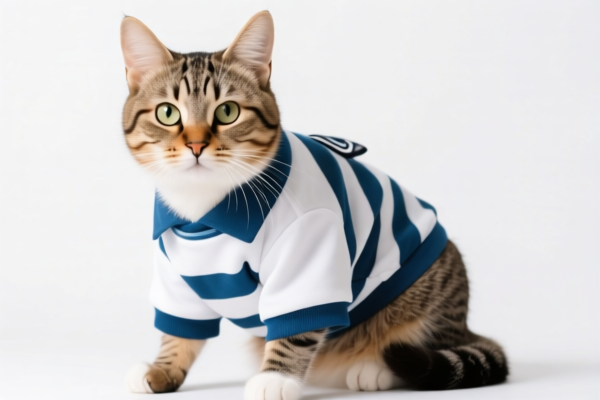
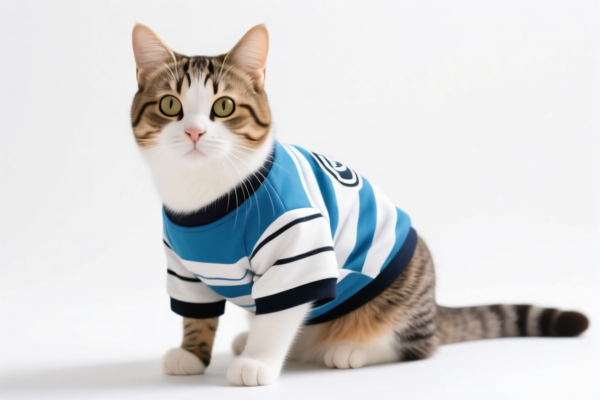
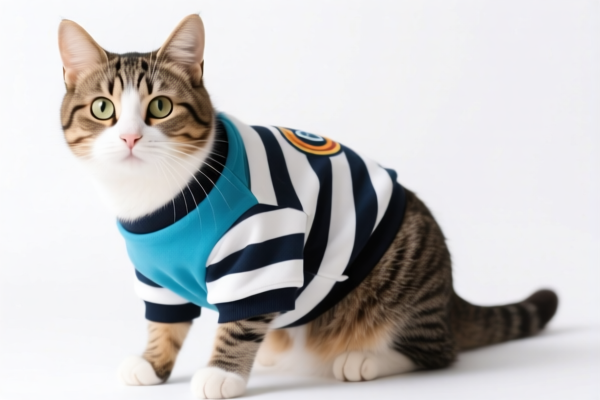
AI Analysis
🐱 Cat Clothes (Pet Apparel)
🌐 HS Code Reference & Customs Clearance Guide | 2026 Latest Tariff Analysis | Professional通关 Strategy
📌 I. Product Definition & Classification: What Exactly Is "Cat Clothes"?
Cat clothes, also known as Pet Apparel or Animal Clothing, are textile garments specifically designed for felines. In international trade, they are generally classified under Chapter 61 (Knitted or Crocheted Apparel) or Chapter 62 (Non-Knitted Apparel) of the Harmonized System (HS).
The classification depends heavily on: 1. Material: Cotton, Polyester, Blends, etc. 2. Manufacturing Process: Knitted/Crocheted vs. Woven/Non-Knitted. 3. Specific Design: Whether it falls into specific sub-categories or is classified as "Other."
⚠️ Key Distinction:
- If the item is knitted or crocheted (e.g., sweaters, knit dresses) → Usually Chapter 61.
- If the item is woven or made from other textile materials not specifically knitted → Usually Chapter 62.
- Pet-specific: Most general-purpose pet clothes do not have a dedicated HS code globally. They are typically classified as "Other" apparel items within their respective material chapters.
📦 II. HS Code Classification Details (Based on Provided Data)
Below are the 5 HS codes identified from the provided data, along with their tax implications. All codes apply to Chinese-origin goods imported into the United States, subject to Section 122 tariffs and additional duties.
| HS Code | Summary Description | Material/Type | Total Tax Rate |
|---|---|---|---|
6114.20.00.55 |
Other knitted/crocheted apparel, mainly cotton/polyester blend | Knitted/Crocheted | 28.3% |
6114.20.00.60 |
Other knitted/crocheted apparel, inferred as cotton, extended to pet apparel | Knitted/Crocheted (Cotton) | 28.3% |
6214.90.00.90 |
Other textile material finished goods, classified under other textile materials | Non-Knitted/Other Textile | 28.8% |
6114.90.90.70 |
Other knitted/crocheted apparel, cotton or man-made fibers | Knitted/Crocheted (Other) | 15.6% |
6114.20.00.55 |
Other knitted/crocheted apparel, cotton/blends, excluding specific styles | Knitted/Crocheted | 28.3% |
🔍 Important Note:
-6114series: Knitted or Crocheted Apparel.
-6214series: Scarves, Shawls, etc., but often used as a catch-all for other woven/textile items if not explicitly listed.
-6114.90.90.70offers the lowest total tax rate (15.6%), making it a potentially favorable classification if the product fits the description.
💰 III. 2026 Tariff Rate Breakdown (Including Additional Duties)
✅ Country of Origin: China (CN)
✅ Destination: United States (US)
✅ Effective Date: Includes tariffs post-2025 adjustments
🎯 1. 6114.20.00.55 & 6114.20.00.60 —— Other Knitted/Crocheted Apparel (Cotton/Polyester)
| Item | Detail |
|---|---|
| Base Duty | 10.8% |
| Section 301 Additional Duty | 7.5% |
| Section 122 Tariff | 10% |
| Total Tax Rate | 28.3% |
| Calculation | CIF Value × 28.3% |
| De Minimis Exemption | ❌ Not Eligible (Due to Section 301 & 122) |
| Legal Basis Path | USITC:6114.20.00.55/60 → Section 301 → Section 122 |
📌 Explanation:
- Base Duty (10.8%): Standard Most-Favored-Nation (MFN) rate for knitted pet apparel.
- Section 301 (7.5%): Additional duty on Chinese goods under US Trade Law Section 301.
- Section 122 (10%): Additional duty imposed for national security or specific trade remedy purposes.
- Total: 28.3%. This is a high-tax category. Proper classification is critical to avoid overpayment.
🎯 2. 6214.90.00.90 —— Other Textile Materials (Non-Knitted)
| Item | Detail |
|---|---|
| Base Duty | 11.3% |
| Section 301 Additional Duty | 7.5% |
| Section 122 Tariff | 10% |
| Total Tax Rate | 28.8% |
| Calculation | CIF Value × 28.8% |
| De Minimis Exemption | ❌ Not Eligible |
| Legal Basis Path | USITC:6214.90.00.90 → Section 301 → Section 122 |
📌 Explanation:
- This code applies if the cat clothes are not knitted/crocheted (e.g., woven fabric, fleece-lined without knitting).
- The base duty is slightly higher (11.3%) compared to6114(10.8%), resulting in a higher total tax (28.8%).
- Use this only if the product clearly does not meet the definition of knitted/crocheted apparel.
🎯 3. 6114.90.90.70 —— Other Knitted/Crocheted Apparel (Lowest Rate Option)
| Item | Detail |
|---|---|
| Base Duty | 5.6% |
| Section 301 Additional Duty | 0.0% |
| Section 122 Tariff | 10% |
| Total Tax Rate | 15.6% |
| Calculation | CIF Value × 15.6% |
| De Minimis Exemption | ❌ Not Eligible (Due to Section 122) |
| Legal Basis Path | USITC:6114.90.90.70 → Section 122 |
📌 Explanation:
- Base Duty (5.6%): Lower MFN rate for "Other" knitted apparel.
- Section 301 (0.0%): No additional 301 duty applies to this specific sub-heading (likely due to specific exclusion or different tariff schedule treatment).
- Section 122 (10%): Still applies.
- Total: 15.6%. This is the most cost-effective classification if the product fits the description of "other knitted/crocheted apparel" (not specifically cotton/polyester blends under 6114.20).
- Strategy: Attempt to classify under this code if the material is not purely cotton/polyester or if it falls under "other" in the knitted category.
🛠️ IV. Customs Clearance Practical Advice (Battle-Tested Tips)
✅ 1. Documentation Checklist (Essential)
| Document | Required | Notes |
|---|---|---|
| ✅ Product Specifications | ✔️ | Include material composition (e.g., 100% Cotton, 80% Polyester/20% Spandex), size, weight. |
| ✅ Fabric Swatch/Photo | ✔️ | Must clearly show knitted/crocheted texture vs. woven. Critical for distinguishing between 6114 and 6214. |
| ✅ Commercial Invoice | ✔️ | Clearly state "Cat Clothes" or "Pet Apparel." Avoid vague terms like "Textile Goods." |
| ✅ Packing List | ✔️ | Detail contents per box. |
| ✅ Labeling | ✔️ | Product must have care labels indicating material composition (e.g., "Made of Knitted Cotton"). |
| ✅ Origin Certificate | ✔️ | If claiming any preferential treatment (though limited for US/China trade). |
✅ 2. Classification Strategy (Key Takeaways)
🔥 "Know Your Fabric, Know Your Tax!"
| Scenario | Recommended HS Code | Total Tax | Reason |
|---|---|---|---|
| Knitted Sweater/Dress (Cotton/Polyester) | 6114.20.00.55 or 60 |
28.3% | Standard knitted apparel, high base duty + 301 + 122. |
| Non-Knitted/Woven Garment | 6214.90.00.90 |
28.8% | Higher base duty, same additional taxes. Avoid if possible. |
| Knitted Garment ("Other" category) | 6114.90.90.70 |
15.6% | Best Option! Lower base duty, no 301, only 122. Must justify as "Other" knitted item. |
📌 Tip:
- If your cat clothes are made of fleece, polyester, or blends and are knitted, try to argue for6114.90.90.70to save 12.7% in taxes.
- If they are woven or non-knitted, you are stuck with6214.90.00.90(28.8%) or similar higher-rate codes.
✅ 3. Special Considerations
| Situation | Handling Advice |
|---|---|
| OEM/Custom Design | Provide design sheets. If the design is unique, emphasize it as "Other" knitted apparel to avoid being classified under specific material codes like 6114.20. |
| Material Composition | Ensure labels are accurate. Mislabeling 100% Cotton as Polyester can lead to audits and penalties. |
| De Minimis (Section 321) | ❌ Not Applicable. Goods from China are subject to Section 301 and 122 duties, so the $800 de minimis exemption does not apply. All goods are subject to full duty declaration. |
| Pre-Ruling | 📌 Strongly Recommended: Apply for an Advance Ruling from CBP (Customs and Border Protection) to confirm the HS code and tax rate before shipping large volumes. |
🌍 V. Global Market Comparison (2026)
| Country/Region | Recommended HS Code | Tariff (China Origin) | Notes |
|---|---|---|---|
| 🇺🇸 USA | 6114.90.90.70 |
15.6% | Best rate with Section 122. |
| 🇨🇳 China | 6114.90.90.70 |
~5-10% | Low import duty. No 301/122. |
| 🇪🇺 EU | 6114.90.90 |
~5-12% | Varies by member state. No Section 301. |
| 🇬🇧 UK | 6114.90.90 |
~5-12% | Post-Brexit tariffs apply. |
| 🇨🇦 Canada | 6114.90.90 |
~5-12% | CUSMA benefits may apply if made in Canada/Mexico. |
📌 Conclusion:
- USA has the highest complexity due to Section 301 and 122 tariffs.
- Other markets (EU, UK, Canada) do not apply these additional US-specific duties, making them potentially more cost-effective for Chinese-origin pet apparel.
📌 VI. Common Errors & Pitfalls (Lessons Learned)
❌ Error 1: Declaring knitted cat clothes as "Textile Goods" under Chapter 62
👉 Consequence: Incorrect classification, potential audits, and higher duties (28.8% vs. 15.6%).
❌ Error 2: Assuming de minimis exemption ($800) applies
👉 Consequence: Severe penalties and back taxes, as Section 301/122 duties apply to Chinese goods regardless of value.
❌ Error 3: Mislabeling material composition
👉 Consequence: Customs may reclassify the goods, leading to delays and additional duties.
❌ Error 4: Using vague descriptions like "Pet Clothes"
👉 Consequence: CBP may assign a default higher-duty code. Be specific: "Knitted Cotton Cat Sweater."
✅ Correct Practice:
"Cat Sweater, 100% Cotton, Knitted, Size M, for Pet Use, Model XYZ, No Electronic Components"
🎯 VII. Conclusion: Smart Classification, Lower Costs!
🎯 Key Takeaways:
🔹 "Knitted is Key, 'Other' Saves Tax!"
🔹 "No De Minimis for China, Declare All Duties!"
🔹 "Material Composition Must Be Accurate!"
📌 Action Plan:
1. Verify Fabric: Is it knitted or woven?
2. Choose HS Code: Prefer 6114.90.90.70 (15.6%) if possible.
3. Prepare Docs: Invoices, labels, and fabric swatches.
4. Apply for Pre-Ruling: Secure CBP approval before shipment.
📣 Immediate Action:
📞 Consult a Licensed Customs Broker to verify HS code classification.
🚀 Optimize Supply Chain: Consider sourcing from non-China countries if US tariffs are too high.
✨ Professional Customs Clearance Starts with Accurate Classification!
💼 Your Every Dollar Counts! Minimize Duties, Maximize Profits!
Customer Reviews
About HS Code Classification
The Harmonized System (HS) is an internationally standardized nomenclature developed by the World Customs Organization (WCO) to classify traded products. Over 200 countries use the HS system as the basis for customs tariffs, trade statistics, and import/export regulations.
Each HS code follows a hierarchical structure:
- Chapter (2 digits) — Broad category of goods (e.g., Chapter 84: Machinery and Mechanical Appliances)
- Heading (4 digits) — More specific grouping within the chapter
- Subheading (6 digits) — Internationally standardized breakdown, used by all WCO member countries
- National subdivisions (8-10 digits) — Country-specific extensions for further classification, such as US HTSUS 10-digit codes
Correct HS code classification is essential for smooth customs clearance, accurate duty payment, and compliance with trade regulations. Misclassification can lead to customs delays, overpayment of duties, or penalties.
When importing from CN to US, the applicable tariff rates may include:
- Most-Favored-Nation (MFN) rate — The standard duty rate applied to WTO members
- General rate — Applied to countries without trade agreements
- Trade remedy duties — Additional tariffs such as Section 301 (anti-dumping), Section 232 (national security), or countervailing duties
The information provided on this page is for reference purposes only. For official classification, please consult with your local customs authority or a licensed customs broker.