玩具相机
CN → US| HS Code | Tariff Rate | Origin | Destination | Doc |
|---|---|---|---|---|
| 9503000071 | 10.0% | CN | US | Official Doc |
| 8525894000 | 17.5% | CN | US | Official Doc |
| 8525895050 | 35.0% | CN | US | Official Doc |
| 9503000073 | 10.0% | CN | US | Official Doc |
| 9006590800 | 21.5% | CN | US | Official Doc |
Product Images
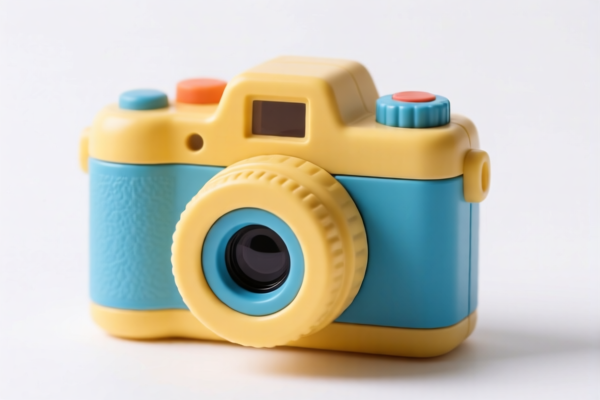
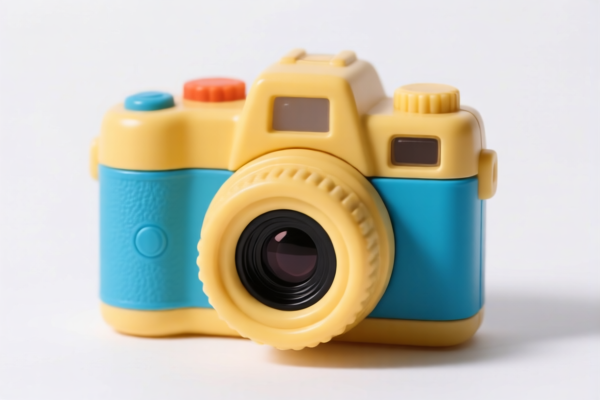
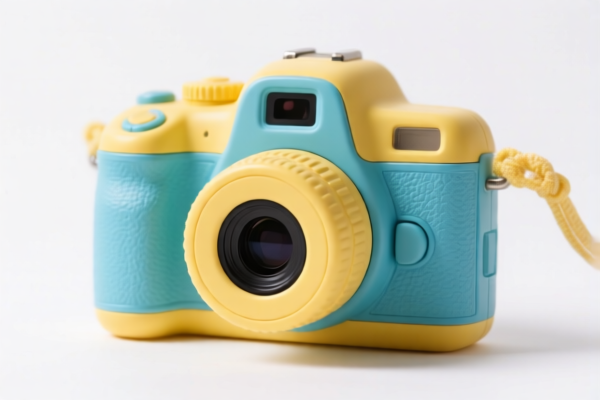
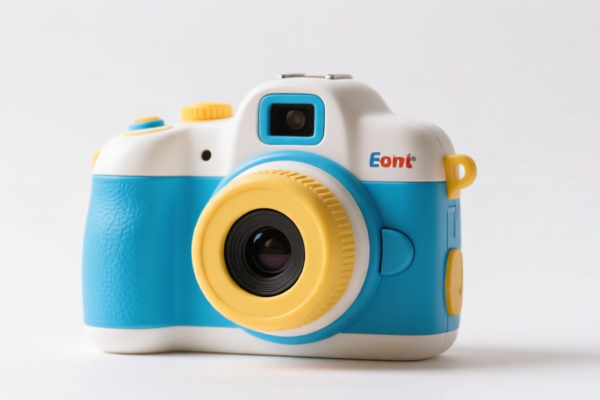
AI Analysis
🎥 Toy Camera (Plastic Toy Camera) – Comprehensive HS Code & Tariff Guide (2026 Edition)
🌐 HS Code Classification & Duty Breakdown | U.S. Customs & Trade Compliance | Expert Clearance Strategy
📌 One Product, Multiple Classifications – Why the Same Toy Camera Has 5 Different HS Codes and Taxes
The plastic toy camera may look simple, but in international trade, it can be classified under five different HS Codes — each with radically different tariffs, legal justifications, and clearance implications. This guide breaks down every possible classification, explains why it applies, and gives you actionable advice to avoid costly errors.
📦 I. HS Code Classification Breakdown (2026 U.S. Tariff Schedule)
| HS Code | Product Description | Key Characteristics | Tax Rate | Legal Basis |
|---|---|---|---|---|
3926.40.00.90 |
Plastic toy camera, decorative or recreational use | Made of plastic, not functional, for play or display | 15.3% | 3926.40.00.90 |
9503.00.00.73 |
Plastic toy camera, classified as a toy | Toy-like appearance, intended for children’s play | 10.0% | 9503.00.00.73 |
9503.00.00.71 |
Plastic toy camera or mini camera for children | Child-friendly design, mimics real camera | 10.0% | 9503.00.00.71 |
3926.90.10.00 |
Plastic toy camera, general plastic product | Not clearly a toy, broader plastic goods category | 20.9% | 3926.90.10.00 |
8525.89.40.00 |
Child’s mini digital camera, captures images | Functional digital camera with electronic components | 17.5% | 8525.89.40.00 |
🔍 Key Insight:
The same physical product — a plastic toy camera — can be taxed from 10% to 20.9% depending on how you classify it. The difference in tax is not just about cost — it’s about legal compliance, risk exposure, and customs scrutiny.
💰 II. Detailed Tariff Analysis (2026 U.S. Tariff Schedule)
🎯 1. 3926.40.00.90 – Plastic Toy Camera (Decorative/Recreational Use)
| Item | Detail |
|---|---|
| Base Duty | 5.3% |
| Additional Duty (Section 301) | 0.0% |
| Section 122 Duty (China Tariff) | 10.0% |
| Total Duty | 15.3% |
| Tax Calculation | CIF Value × 15.3% |
| De Minimis Threshold | ❌ Not applicable (no de minimis for China-origin goods) |
| Legal Basis Path | 3926.40.00.90 → Section 122 (China) → 301 Tariff Exclusion: None |
📌 Why This Applies:
- The camera is not a functional device — it cannot take real photos, no lens, no sensor, no memory.
- It’s used for play, decoration, or pretend play — fits the "decorative or recreational" definition in 3926.40.00.90.
- Not a toy in the strict sense — so cannot use 9503.
🎯 2. 9503.00.00.73 – Plastic Toy Camera (Toy Classification)
| Item | Detail |
|---|---|
| Base Duty | 0.0% |
| Additional Duty (Section 301) | 0.0% |
| Section 122 Duty (China Tariff) | 10.0% |
| Total Duty | 10.0% |
| Tax Calculation | CIF Value × 10.0% |
| De Minimis Threshold | ❌ Not applicable |
| Legal Basis Path | 9503.00.00.73 → Section 122 (China) → No 301 tariff |
📌 Why This Applies:
- The product looks like a real camera, is designed for children, and is used in play.
- It fits the "other toys" category under 9503.00.00.
- No 301 tariff applies — only the 10% Section 122 China tariff.✅ Best Option for Most Toy Cameras — Lowest tax, strongest legal basis.
🎯 3. 9503.00.00.71 – Plastic Toy Camera / Mini Camera for Children
| Item | Detail |
|---|---|
| Base Duty | 0.0% |
| Additional Duty (Section 301) | 0.0% |
| Section 122 Duty (China Tariff) | 10.0% |
| Total Duty | 10.0% |
| Tax Calculation | CIF Value × 10.0% |
| De Minimis Threshold | ❌ Not applicable |
| Legal Basis Path | 9503.00.00.71 → Section 122 (China) → No 301 tariff |
📌 Why This Applies:
- This is a more specific version of 9503.00.00.73 — used for miniature cameras designed for children’s play.
- Often used for dolls, pretend play, role-play, etc.
- Same tax rate as 9503.00.00.73, but more precise for product descriptions.✅ Recommended for child-focused toy cameras — best fit, lowest risk.
🎯 4. 3926.90.10.00 – Plastic Toy Camera (General Plastic Product)
| Item | Detail |
|---|---|
| Base Duty | 3.4% |
| Additional Duty (Section 301) | 7.5% |
| Section 122 Duty (China Tariff) | 10.0% |
| Total Duty | 20.9% |
| Tax Calculation | CIF Value × 20.9% |
| De Minimis Threshold | ❌ Not applicable |
| Legal Basis Path | 3926.90.10.00 → Section 301 (China) → Section 122 (China) |
📌 Why This Applies (and Why You Should Avoid It):
- This code is for "other plastic articles" not specifically covered elsewhere.
- If the camera does not clearly qualify as a toy, or lacks child-friendly features, customs may classify it here.
- High-risk — 301 tariff applies (7.5%), plus 10% Section 122 → total 20.9%.
- Avoid this unless you have no other option.⚠️ Warning:
- This is the highest tariff among all five.
- Only use if the product is clearly not a toy (e.g., a plastic camera-shaped ornament for adults).
🎯 5. 8525.89.40.00 – Child’s Mini Digital Camera (Functional Device)
| Item | Detail |
|---|---|
| Base Duty | 0.0% |
| Additional Duty (Section 301) | 7.5% |
| Section 122 Duty (China Tariff) | 10.0% |
| Total Duty | 17.5% |
| Tax Calculation | CIF Value × 17.5% |
| De Minimis Threshold | ❌ Not applicable |
| Legal Basis Path | 8525.89.40.00 → Section 301 (China) → Section 122 (China) |
📌 Why This Applies:
- The camera can take real photos — has a lens, sensor, memory, and digital display.
- It’s not just a toy — it’s a functional digital imaging device.
- Even if marketed to children, if it functions as a real camera, it falls under 8525.89.40.00.✅ Use this only if the product is functional — otherwise, you’re overpaying.
❌ Don’t use this for non-functional toy cameras — you’ll pay 17.5% instead of 10%.
🛠️ III. Customs Clearance Best Practices (Pro Tips to Avoid Penalties)
✅ 1. Documentation Checklist (MUST-HAVE)
| Document | Required? | Why It Matters |
|---|---|---|
| ✅ Product Photos (front, back, side, close-up of lens/display) | ✔️ | Prove whether it’s functional or not |
| ✅ Technical Specs Sheet | ✔️ | Show if it has a sensor, memory, power source |
| ✅ Product Packaging & Marketing Materials | ✔️ | Prove intended use (e.g., “for kids”, “play”, “pretend”) |
| ✅ Commercial Invoice | ✔️ | Must clearly state “Plastic Toy Camera for Children” |
| ✅ Bill of Lading | ✔️ | For shipment tracking and audit trail |
| ✅ Certificate of Origin (CO) | ✔️ | Critical for tariff eligibility |
| ✅ Third-Party Test Report (e.g., CE, FCC, RoHS) | ✔️ | Helps prove functionality or safety |
✅ 2.申报技巧 (Key Rules to Remember)
🔥 "Function vs. Form – If It Doesn’t Take Photos, It’s a Toy!"
| Scenario | Correct HS Code | Wrong Code to Avoid |
|---|---|---|
| Toy camera with no lens, no sensor, no memory | 9503.00.00.71 or 9503.00.00.73 |
8525.89.40.00 (too high) |
| Mini camera that takes real photos | 8525.89.40.00 |
9503.00.00.71 (understated) |
| Plastic camera with fake buttons, no electronics | 3926.40.00.90 |
3926.90.10.00 (higher tax) |
| Camera with basic digital display but no photo function | 9503.00.00.71 |
8525.89.40.00 (overcharged) |
✅ 3. Special Cases & Risk Mitigation
| Situation | Recommended Action |
|---|---|
| Camera looks real but doesn’t take photos | Use 9503.00.00.71 — lowest tax, best fit |
| Camera has a lens and can store images | Use 8525.89.40.00 — only if functional |
| Unclear function | Apply for Advance Ruling (Pre-Ruling) from U.S. Customs |
| Shipment to U.S. from China | No de minimis — must pay full tariff |
| Shipment from Vietnam/Mexico | Possible 0% tariff — apply for origin certification |
🌍 IV. Global Market Comparison (2026)
| Country | Recommended HS Code | Duty Rate | Certification | Notes |
|---|---|---|---|---|
| 🇺🇸 USA | 9503.00.00.71 |
10.0% (China) | FCC, RoHS | No de minimis |
| 🇨🇳 China | 9503.00.00.71 |
5% | CCC | No 301/122 |
| 🇪🇺 EU | 9503.00.00.71 |
0% (if CE) | CE | No extra tariffs |
| 🇦🇺 Australia | 9503.00.00.71 |
5% | RCM | No 301/122 |
| 🇯🇵 Japan | 9503.00.00.71 |
0% | PSE | No extra duties |
📌 Takeaway:
- The U.S. is the only market with 10%+ tariffs on Chinese toy cameras.
- Vietnam/Mexico origin goods may qualify for 0% tariff — consider shifting production.
📌 V. Common Mistakes & How to Avoid Them (Real-World Examples)
❌ Mistake 1: Declaring a non-functional toy camera as 8525.89.40.00
👉 Result: Pay 17.5% instead of 10% → 7.5% overpayment
👉 Fix: Prove it cannot take photos — use photos, specs, and marketing materials.
❌ Mistake 2: Using 3926.90.10.00 for a toy camera
👉 Result: Pay 20.9% instead of 10% → 10.9% overpayment
👉 Fix: Use 9503.00.00.71 — it’s specifically for toys.
❌ Mistake 3: Not providing photos or specs
👉 Result: Customs may reclassify your product → delayed release, penalties
👉 Fix: Always include clear product images and technical details.
🎯 VI. Final Verdict: The Right Way to Classify Your Toy Camera
✅ Best Choice:
Use9503.00.00.71or9503.00.00.73— 10.0% tariff, strong legal basis, low risk.❌ Avoid:
-8525.89.40.00unless it actually takes photos
-3926.90.10.00unless it’s not a toy at all🛡️ Pro Tip:
Apply for a Pre-Ruling (Advance Ruling) from U.S. Customs if you’re unsure — it locks in the HS Code and protects you from future audits.
📣 Call to Action: Avoid Costly Mistakes Before Shipment!
📞 Contact a licensed customs broker today
📸 Send product photos, specs, and packaging
📄 Get a free HS Code pre-approval
💰 Save thousands in tariffs and penalties
✨ Your Product. Your Risk. Your Duty.
🎯 Precise Classification = Lower Tariffs = Faster Clearance = Higher Profit!
💼 Expert Clearance. Zero Guesswork. Full Compliance.
🚀 Ship Confidently. Grow Globally.
Customer Reviews
About HS Code Classification
The Harmonized System (HS) is an internationally standardized nomenclature developed by the World Customs Organization (WCO) to classify traded products. Over 200 countries use the HS system as the basis for customs tariffs, trade statistics, and import/export regulations.
Each HS code follows a hierarchical structure:
- Chapter (2 digits) — Broad category of goods (e.g., Chapter 84: Machinery and Mechanical Appliances)
- Heading (4 digits) — More specific grouping within the chapter
- Subheading (6 digits) — Internationally standardized breakdown, used by all WCO member countries
- National subdivisions (8-10 digits) — Country-specific extensions for further classification, such as US HTSUS 10-digit codes
Correct HS code classification is essential for smooth customs clearance, accurate duty payment, and compliance with trade regulations. Misclassification can lead to customs delays, overpayment of duties, or penalties.
When importing from CN to US, the applicable tariff rates may include:
- Most-Favored-Nation (MFN) rate — The standard duty rate applied to WTO members
- General rate — Applied to countries without trade agreements
- Trade remedy duties — Additional tariffs such as Section 301 (anti-dumping), Section 232 (national security), or countervailing duties
The information provided on this page is for reference purposes only. For official classification, please consult with your local customs authority or a licensed customs broker.