玻璃保护膜
CN → US| HS Code | Tariff Rate | Origin | Destination | Doc |
|---|---|---|---|---|
| 3919905040 | 40.8% | CN | US | Official Doc |
| 3919905060 | 40.8% | CN | US | Official Doc |
| 3920991000 | 41.0% | CN | US | Official Doc |
| 3920992000 | 39.2% | CN | US | Official Doc |
Product Images
AI Analysis
🛡️ Glass Screen Protectors (Protective Films for Screens)
🌐 HS Code Reference & Customs Clearance Guide | 2026 Latest Tariff Analysis | Professional Clearance Strategy
📌 Product Definition & Classification: Are You Sure You Know "Glass Screen Protectors"?
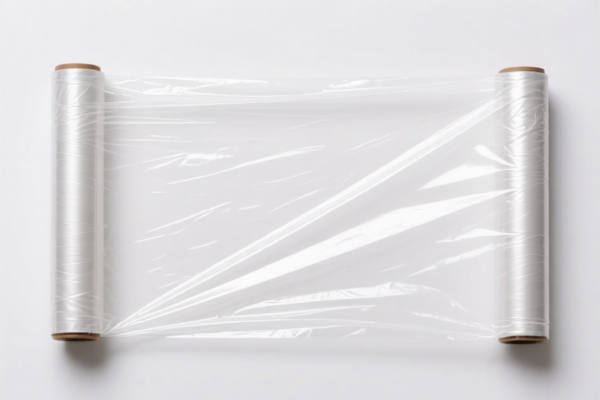
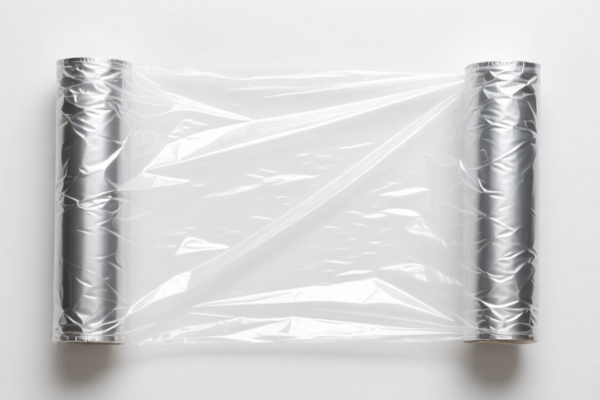
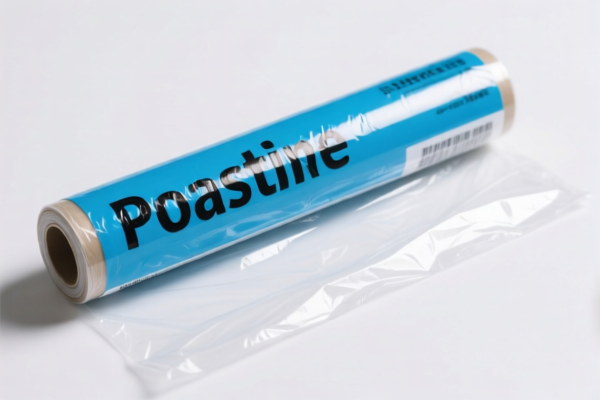
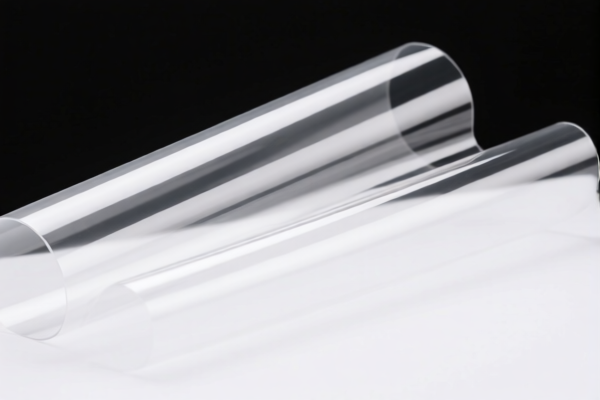
Glass Screen Protectors are thin, transparent sheets designed to protect device screens (smartphones, tablets, smartwatches, etc.) from scratches, impact, and fingerprints. In international trade, despite the name "Glass," these items are often classified under Chapter 39 (Plastics) if the core protective layer or substrate is plastic (e.g., PET, TPU) with a glass-like coating, or strictly under Chapter 39 if the material is primarily plastic film, even if marketed as "glass-like."
Crucial Trade Classification Logic: * Plastic Film/Membrane (PET/TPU): If the product is primarily a flexible plastic film (even if it claims "glass-like" hardness), it falls under 3919 (Self-adhesive) or 3920 (Other plastic sheets/films). * Real Glass: If the product is actually tempered glass (without a plastic backing layer acting as the primary structural film), it might fall under 70.05 (Flat glass). However, the data provided below focuses on the Plastic-based classification which is common for "PET/TPE screen films" often sold as "glass protectors" in supply chains.
⚠️ Key Distinction for US Customs:
- If the product is a self-adhesive plastic film (often with a glass-like feel) → 3919.90.50 / 3920.99
- If the product is rigid tempered glass (non-adhesive or with adhesive backing but glass core) → 70.05 (Note: Data provided below assumes the Plastic classification as per the input data).
📦 II. HS Code Classification Details (2026 Latest Tariff Authority Match)
Based on the provided data, the "Glass Screen Protector" is classified under the following plastic-related HS Codes due to the material inference (Plastic/PET/TPU):
| HS Code | Product Description | Application Scenarios | Material Inference |
|---|---|---|---|
| 3919.90.50.40 | Screen Protector, membrane form, Self-adhesive. | Standard flexible phone films, hydrogel films, "glass-like" PET films. | Plastic / PET |
| 3919.90.50.60 | Screen Protector, film form, Unlisted Other. | Custom shapes, non-standard sizes, generic self-adhesive plastic films. | Plastic / Plastic |
| 3920.99.10.00 | Screen Protector, membrane form, Other Plastic Sheets. | Rigid or semi-rigid plastic films, TPU/PET without specific self-adhesive sub-category. | Plastic (PET/TPU) |
| 3920.99.20.00 | Screen Protector, membrane/sheet form, Other Plastics. | General purpose plastic films for protection, no specific conflict. | Plastic (PET/TPU) |
🔍 Important Note:
- All listed HS Codes fall under Chapter 39 (Plastics and Articles Thereof).
- The term "Glass Protector" in trade data often refers to Plastic films marketed with "Glass-like" properties (e.g., 9H hardness).
- No Glass (Chapter 70) codes are provided in the source data; therefore, this analysis strictly adheres to the Plastic Classification.
💰 III. 2026 Latest Tariff Rate Breakdown (Including Surcharges & Policy Add-ons)
✅ Applicable Market: United States (US)
✅ Country of Origin: China (CN)
✅ Effective Date: 2025-2026 (Current & Upcoming)
🚨 High Tariff Alert: Due to the "Section 301" (Added Tariff) and "122 Clause" (Section 122) provisions, these products face ~40.8% - 41.0% total tariffs.
🎯 1. HS Code 3919.90.50.40 & 3919.90.50.60
(Self-Adhesive Plastic Plates/Sheets/Films)
| Item | Content |
|---|---|
| Base Tariff (MFN) | 5.8% (Standard duty for plastic sheets) |
| Section 301 (Added) | +25.0% (US Trade Act, "China Specific") |
| Section 122 Tariff | +10.0% (Trade Act Section 122, specific to certain plastic imports) |
| Total Tax Rate | 40.8% |
| Tax Calculation | CIF Value × 40.8% |
| De Minimis Exemption | ❌ NO (High value + specific section restrictions apply) |
| Legal Path | HTSUS 3919.90.50.40/60 → Section 301 List 3 → Section 122 |
📌 Explanation:
- 5.8%: Standard Most-Favored-Nation (MFN) rate for self-adhesive plastic films.
- 25.0%: The "China Tariff" (Section 301) applied to almost all Chinese-origin plastics.
- 10.0%: The "122 Clause" tariff, often applied to specific plastic categories to protect domestic industries.
- Total: 40.8% – This is a very high effective duty rate.
🎯 2. HS Code 3920.99.10.00
(Other Plastic Sheets, Not Self-Adhesive)
| Item | Content |
|---|---|
| Base Tariff (MFN) | 6.0% |
| Section 301 (Added) | +25.0% |
| Section 122 Tariff | +10.0% |
| Total Tax Rate | 41.0% |
| Tax Calculation | CIF Value × 41.0% |
| De Minimis Exemption | ❌ NO |
| Legal Path | HTSUS 3920.99.10.00 → Section 301 List 4 → Section 122 |
📌 Note:
- Slightly higher total tax (41.0%) compared to self-adhesive versions due to a higher base rate (6.0% vs 5.8%).
- Applies to TPU/PET films that are not self-adhesive (e.g., raw material rolls, or products where adhesive is applied later).
🎯 3. HS Code 3920.99.20.00
(Other Plastics, No Conflict)
| Item | Content |
|---|---|
| Base Tariff (MFN) | 4.2% |
| Section 301 (Added) | +25.0% |
| Section 122 Tariff | +10.0% |
| Total Tax Rate | 39.2% |
| Tax Calculation | CIF Value × 39.2% |
| De Minimis Exemption | ❌ NO |
| Legal Path | HTSUS 3920.99.20.00 → Section 301 → Section 122 |
📌 Optimization Tip:
- This code offers the lowest total tax (39.2%) among the plastic options due to the lowest base rate (4.2%).
- Strategy: If your product structure allows, classify under3920.99.20.00to save 1.8% on the total tax burden.
🛠️ IV. Customs Clearance Practical Advice (Pitfall Avoidance Guide)
✅ 1. Preparation Checklist (Must-Haves)
| Document | Required? | Why? |
|---|---|---|
| Product Spec Sheet | ✅ | Must state "Plastic/PET/TPU" composition, not just "Glass". |
| Material Safety Data Sheet (MSDS) | ✅ | Proves chemical composition (Plastic vs. Glass). |
| Photos (Close-up) | ✅ | Show texture, flexibility, and adhesive layer to prove it's a film. |
| Bill of Lading (BOL) | ✅ | Must list HS Code clearly. |
| Commercial Invoice | ✅ | Value must include insurance & freight (CIF) for accurate tax calc. |
| Origin Declaration | ✅ | Confirm "Made in China" to apply Section 301/122 correctly. |
✅ 2. Declaration Strategy (Key Mantra)
🔥 "Plastic First, Film Second, Adhesive Third!"
Don't call it "Glass" in the commercial invoice if the material is PET!
| Scenario | Correct Declaration | Wrong Declaration | Risk |
|---|---|---|---|
| Flexible Film | Screen Protector, PET Plastic Film |
Tempered Glass Screen Protector |
Rejection/Retax (If classified as Glass, duty changes; if declared as Glass but is Plastic, it's fraud). |
| Self-Adhesive | 3919.90.50.40 |
3920.99.20.00 |
Tax Overpayment (Self-adhesive has different base rates). |
| Bulk Rolls | Plastic Film (3920.99.20.00) |
Screen Protector (3919.90.50.40) |
Potential Audit (Different use cases). |
✅ 3. Special Handling for "Glass-Like" Plastics
| Situation | Recommendation |
|---|---|
| Product marketed as "Glass" | Do not list "Glass" in the HS Code description. Use "Plastic Film" or "PET Film" in technical specs. |
| Multi-layer product | If it has a glass coating on a plastic film, it is still Plastic (Chapter 39). |
| Custom Packaging | If sold with a glass applicator frame, the frame might be plastic (3926) and the film (3919). Declare separately. |
| Section 122 Impact | Be aware that 10% is a "special" tariff. Verify if your specific product is on the Section 122 Exclusion List. |
🌍 V. Global Market Comparison (2026)
| Region | Recommended HS Code | Total Duty (China Origin) | Key Requirement | Note |
|---|---|---|---|---|
| 🇺🇸 USA | 3919.90.50.40 / 3920.99.10.00 |
~40.8% - 41.0% | Section 301 + 122 | High Risk; Plan for 40%+ cost. |
| 🇪🇺 EU | 3920.99 |
~0% - 5% | CE / RoHS | No Section 301; much cheaper. |
| 🇨🇳 China | 3919 |
~0% - 5% | CCC (if applicable) | Domestic trade low duty. |
| 🇯🇵 Japan | 3920.99 |
~6.0% | PSE | No extra "China" surcharges. |
📌 Conclusion:
- USA is the most expensive market for "Glass Screen Protectors" (Plastic classification) due to the 40%+ combined tax.
- Alternative Strategy: Consider shipping to Vietnam or Mexico for re-export (if rules of origin are met) to bypass Section 301, OR ensure the product is genuinely Tempered Glass (Chapter 70) if possible, which might have different tariffs.
- Wait! The data provided ONLY shows Plastic classifications. If your product is Real Glass, you MUST re-classify to 70.05 to avoid the 40% Plastic tax (though 70.05 might have its own Section 301 rate, it's often lower or structured differently). Verify Material!
📌 VI. Common Mistakes & How to Avoid Them (Lessons Learned)
❌ Mistake 1: Calling it "Glass" in the invoice but declaring under 3919 (Plastic).
👉 Consequence: Customs may reject as "False Description" or demand re-classification.
✅ Fix: Align "Material" with "HS Code". If it's PET, say "Plastic Film".
❌ Mistake 2: Ignoring the Section 122 (10%) tax.
👉 Consequence: Underestimating landed cost by 10%.
✅ Fix: Always include the 10% "122 Clause" in your cost model.
❌ Mistake 3: Using 3920.99.10.00 for self-adhesive films.
👉 Consequence: Potential audit for incorrect classification (Self-adhesive prefers 3919).
✅ Fix: Use 3919.90.50.xx for self-adhesive items.
🎯 VII. Final Verdict: Smart Sourcing & Clearing
🎯 Key Takeaway:
"Glass Screen Protectors" made of Plastic/PET in the US face a ~40.8% tax burden.
Do not assume "Glass" = Low Duty. If the material is plastic, you pay the Plastic Tax!
✅ Action Plan:
1. Confirm Material: Is it truly glass (Chapter 70) or plastic film (Chapter 39)?
2. Select Best HS Code: Try 3920.99.20.00 (39.2%) if eligible to save 1.8%.
3. Budget for Tax: Add 41% to your CIF value for US imports.
4. Check Exclusions: Search for "Section 122 Exclusion List" for plastic films.
📌 Pro Tip:
If you can source Real Tempered Glass (Chapter 70.05), check if it qualifies for a lower Section 301 rate or is excluded from the 10% "122" clause. Re-evaluate your supplier's material spec sheet immediately!
📣 Call to Action:
📞 Consult a Customs Broker to verify if your "Glass Protector" is actually Plastic or Glass.
📄 Update your Spec Sheets to match the HS Code (Plastic vs. Glass).
🚀 Optimize your Supply Chain to minimize the 40% tax hit!
✨ Precision Classification = Profit Protection!
💼 Your Margin Depends on the First Digit of the HS Code!
Customer Reviews
About HS Code Classification
The Harmonized System (HS) is an internationally standardized nomenclature developed by the World Customs Organization (WCO) to classify traded products. Over 200 countries use the HS system as the basis for customs tariffs, trade statistics, and import/export regulations.
Each HS code follows a hierarchical structure:
- Chapter (2 digits) — Broad category of goods (e.g., Chapter 84: Machinery and Mechanical Appliances)
- Heading (4 digits) — More specific grouping within the chapter
- Subheading (6 digits) — Internationally standardized breakdown, used by all WCO member countries
- National subdivisions (8-10 digits) — Country-specific extensions for further classification, such as US HTSUS 10-digit codes
Correct HS code classification is essential for smooth customs clearance, accurate duty payment, and compliance with trade regulations. Misclassification can lead to customs delays, overpayment of duties, or penalties.
When importing from CN to US, the applicable tariff rates may include:
- Most-Favored-Nation (MFN) rate — The standard duty rate applied to WTO members
- General rate — Applied to countries without trade agreements
- Trade remedy duties — Additional tariffs such as Section 301 (anti-dumping), Section 232 (national security), or countervailing duties
The information provided on this page is for reference purposes only. For official classification, please consult with your local customs authority or a licensed customs broker.