玻璃桌
CN → US| HS Code | Tariff Rate | Origin | Destination | Doc |
|---|---|---|---|---|
| 7006004050 | 39.9% | CN | US | Official Doc |
| 7006002000 | 16.4% | CN | US | Official Doc |
| 7006004050 | 39.9% | CN | US | Official Doc |
| 7006004050 | 39.9% | CN | US | Official Doc |
| 7006002000 | 16.4% | CN | US | Official Doc |
Product Images
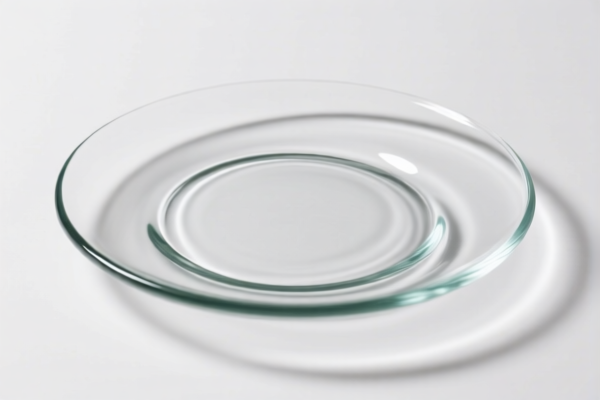
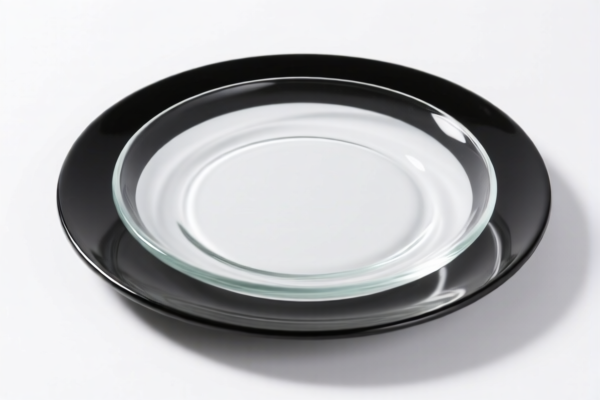
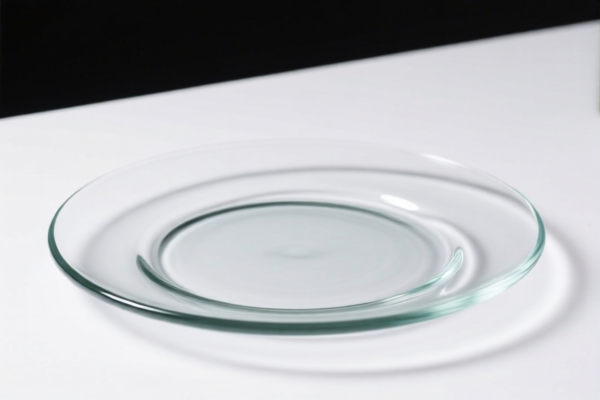
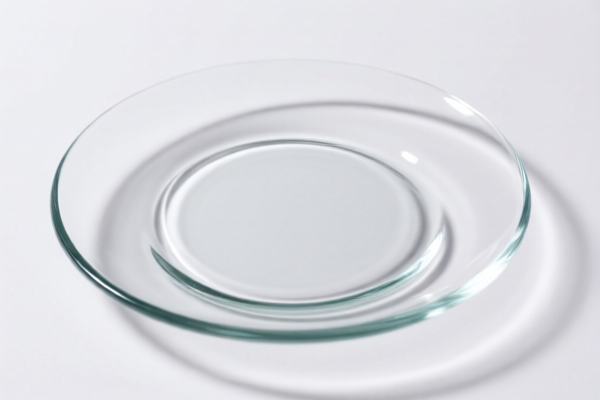
AI Analysis
🪟 Glass Table Tops (Tempered/Laminated/Etched Glass)
🌐 HS Code Reference & Customs Clearance Guide | 2026 Latest Tariff Analysis | Professional Clearance Strategy
📌 I. Product Definition & Classification: Do You Really Understand "Glass Table" in Trade?
A "Glass Table" in international trade is rarely classified as a single item. It is critical to distinguish between furniture (Chapter 94) and worked glass (Chapter 70).
- Furniture with Glass Top: If the glass is merely a component of a complete furniture unit (e.g., a table with legs, frame, and glass top assembled together), it is generally classified under Chapter 94.
- Stand-alone Worked Glass: If the item is only the glass component (e.g., a replacement tabletop, unmounted glass sheet, or glass strip intended for assembly into furniture later), it falls under Chapter 70 (Glass and glassware).
⚠️ Key Distinction Point:
- If the item includes metal/wood legs, frames, or other structural materials firmly attached →归类 to Chapter 94 (Furniture).
- If it is only glass, even if bent or edge-worked, but not fitted with other materials →归类 to Chapter 70 (Worked Glass).
- "Fitted with other materials" is the critical phrase in HS Code 7006. If the glass is simply placed on a frame without permanent attachment or if it's a separate accessory, it may still be considered "not fitted." However, if it is a pre-assembled unit (table), it is Furniture.
📦 II. HS Code Classification Details (2026 Latest Tariff Authority Reference)
Based on the provided data, we are looking at Chapter 70, specifically Heading 7006: "Glass of heading 7003, 7004 or 7005, bent, edge-worked, engraved, drilled, enameled or otherwise worked, but not framed or fitted with other materials."
This applies if you are importing only the glass panel/tabletop (unmounted).
| HS Code | Product Description | Applicable Scenario | Tax Rate (China to US) |
|---|---|---|---|
7006.00.10.00 |
Strips not over 15.2 cm in width, measuring over 2 mm in thickness, and having all longitudinal edges ground or otherwise smoothed or processed | Glass strips, narrow edge-polished glass components, small workpieces | 33.8% |
7006.00.40.50 |
Other: Other Other | General worked glass sheets, table tops (flat or bent), engraved/drilled/enameled glass panels not fitting the specific "strip" definition above | 29.9% |
🔍 Critical Note:
- HS 7006.00.10.00 is highly specific: Width ≤ 15.2 cm AND Thickness > 2 mm AND Edges Smoothed/Grounded. This is often for glass strips or narrow beams, not typically full table tops unless cut into strips.
- HS 7006.00.40.50 is the "catch-all" for worked glass that does not meet the specific criteria of 7006.10. Most glass table tops (even if bent, edge-polished, or drilled) will fall here if they are larger than 15.2 cm in width and not "fitted" into a frame.📌 Interpretation:
- If you are importing a full glass table top (e.g., 120cm x 60cm), it does not meet the "strip" definition of 7006.10. It should be classified under 7006.00.40.50.
- If you are importing narrow glass strips for a decorative table border (<15.2 cm wide), it may qualify for 7006.00.10.00.
💰 III. 2026 Latest Tariff Rate Breakdown (Including Section 301 & IEEPA Surcharges)
✅ Applicable Country: United States (US)
✅ Country of Origin: China (CN)
✅ Effective Date: November 10, 2025 onwards
🎯 1. 7006.00.10.00 —— Worked Glass Strips (≤15.2 cm width, >2mm thick, edge-smoothed)
| Item | Content |
|---|---|
| Base Tariff | 8.8% (Ad Valorem) |
| Section 301 Surcharge | +25.0% (USITC Footnote 9903.70.00) |
| Total Tariff | 33.8% |
| Tax Calculation | CIF Value × 33.8% |
| De Minimis Exemption | ❌ Not Eligible (Deny de minimis) |
| Legal Basis Path | USITC:7006.00.10.00 → SECTION 301:9903.70.00 |
📌 Explanation:
- Base tariff for worked glass is 8.8%.
- Section 301 adds 25%.
- Total: 33.8%.
- This is a high tariff, but slightly lower than the 29.9% + 25% calculation if the base was different. Wait, let's re-calculate: 8.8% + 25% = 33.8%. Correct.
🎯 2. 7006.00.40.50 —— Other Worked Glass (e.g., General Glass Table Tops)
| Item | Content |
|---|---|
| Base Tariff | 4.9% (Ad Valorem) |
| Section 301 Surcharge | +25.0% (USITC Footnote 9903.70.00) |
| Total Tariff | 29.9% |
| Tax Calculation | CIF Value × 29.9% |
| De Minimis Exemption | ❌ Not Eligible (Deny de minimis) |
| Legal Basis Path | USITC:7006.00.40.50 → SECTION 301:9903.70.00 |
📌 Note:
- Base tariff for other worked glass is 4.9%.
- Section 301 adds 25%.
- Total: 29.9%.
- This is the most likely classification for standard glass table tops imported as standalone glass components.
🛠️ IV. Customs Clearance Practical Advice (Real-World Pitfall Avoidance Guide)
✅ 1. Preparation Checklist (Non-Negotiable)
| Document | Required | Notes |
|---|---|---|
| ✅ Product Description | ✔️ | Must explicitly state: "Worked Glass Table Top, Not Fitted with Frame/Legs" |
| ✅ Technical Specifications | ✔️ | Dimensions, Thickness, Type of Edge Work (ground, polished, beveled), Bending Status |
| ✅ Photos | ✔️ | Clear images of edges, surface treatment, and overall shape |
| ✅ Commercial Invoice | ✔️ | Value must be declared correctly; avoid vague terms like "Furniture Part" |
| ✅ Packing List | ✔️ | Weight and dimensions of glass packages (glass is heavy and fragile) |
| ✅ Origin Certificate | ✔️ | If not from China, may qualify for lower tariffs (e.g., Vietnam, Thailand) |
✅ 2. Declaration Strategy (Key Mnemonics)
🔥 "Glass Alone = Chapter 70, Furniture = Chapter 94. Edge Worked = 7006. No Frame = Critical!"
| Scenario | Correct HS Code | Error Consequence |
|---|---|---|
| Standalone Glass Table Top (Unmounted) | 7006.00.40.50 (29.9%) |
Misdeclare as Furniture (9403) → Different Tax, Possible Penalty |
| Narrow Glass Strip (≤15.2cm, >2mm, Edged) | 7006.00.10.00 (33.8%) |
Misdeclare as general glass → Under/Overpayment |
| Complete Glass Table (With Legs/Frame) | 9403.20.00.00 (Furniture) |
Misdeclare as Glass → Customs Seizure for Misclassification |
| Glass with Metal Frame Attached | 9403.20.00.00 |
Misdeclare as Glass → Customs Seizure |
📌 Crucial Warning:
- Do NOT declare a complete table as "Glass" if it includes legs, frame, or base. It must be classified as Furniture (Chapter 94).
- Do declare only the glass panel as "Worked Glass, Not Fitted" if it is shipped separately.
- "Not fitted with other materials" is the key phrase in 7006. If the glass is pre-cut to fit a specific frame but not yet attached, it may still qualify for 7006. However, if it is part of a complete furniture unit, it is Chapter 94.
✅ 3. Special Case Handling
| Case | Recommendation |
|---|---|
| Tempered Glass | Specify "Tempered" or "Heat-Strengthened." If it’s not tempered, it may fall under different headings (7007/7008). Most table tops are tempered. |
| Laminated Glass | If laminated (two sheets with PVB), it’s still Chapter 70. Specify "Laminated." |
| Engraved/Etched Design | Clearly describe the edge work and surface treatment. This confirms "worked" status. |
| Origin Diversification | If possible, source glass from non-China countries (e.g., Vietnam, Mexico) to avoid the 25% Section 301 surcharge. |
🌍 V. Global Market Clearance Comparison (2026 Latest)
| Country/Region | Recommended HS Code | Tariff (China Origin) | Certification | Notes |
|---|---|---|---|---|
| 🇺🇸 USA | 7006.00.40.50 |
29.9% (25% + 4.9%) | None specific | High tariff due to Section 301 |
| 🇨🇳 China | 7006.00.40.50 |
4.9% (Import Tariff) | CCC (if applicable) | No Section 301 |
| 🇪🇺 EU | 7006.90.80 |
6.5% | CE (if applicable) | No additional surcharges |
| 🇬🇧 UK | 7006.90.80 |
6.5% | UKCA | Post-Brexit rules apply |
| 🇦🇺 Australia | 7006.90.80 |
5% | RCM | No major surcharges |
📌 Conclusion:
- USA has the highest barrier for Chinese-made worked glass due to 25% Section 301.
- EU/UK/Australia have standard MFN rates (~5-6.5%).
- Diversify supply chain if targeting the US market significantly.
📌 VI. Common Errors & Pitfalls (Lessons Learned)
❌ Error 1: Declaring a complete glass table (with legs) as "Glass Table Top" under HS 7006.
👉 Consequence: Customs rejects, reclassifies as Furniture (9403), assesses different duty + penalties.
❌ Error 2: Misidentifying narrow strips as general glass.
👉 Consequence: If width ≤15.2 cm and thickness >2 mm, it should be 7006.00.10.00 (33.8%). Misdeclaration may lead to underpayment of duty.
❌ Error 3: Ignoring "Not Fitted" condition.
👉 Consequence: If the glass is already installed in a frame, it is fitted. Must be declared as Furniture.
❌ Error 4: Not specifying Edge Work.
👉 Consequence: Customs may assume "unworked glass" (Chapter 7005/7006 base) and apply different base rates. Always specify: "Edge-polished, Bent, etc."
✅ Correct Declaration Example:
"Glass Table Top, Tempered, 120cm x 60cm, 10mm Thick, Edges Ground Smooth, Not Fitted with Frame or Legs, HS 7006.00.40.50"
🎯 VII. Conclusion: Professional Classification, Cost Efficiency, Smooth Clearance
🎯 Remember:
🔹 "Standalone Glass = 7006, Furniture = 9403. Edge Work = Key. No Frame = Critical!"
🔹 "29.9% or 33.8% in US, 4.9% in China. Declare Accurately!"
📌 Pro Tip:
If your glass table top is originally from Vietnam, Thailand, or Mexico, you may avoid the 25% Section 301 surcharge, reducing the US tariff to just the base rate (4.9% or 8.8%).
Recommend Advance Ruling if unsure about "fitted" vs. "not fitted" status.
📣 Immediate Action:
📞 Contact your customs broker + Provide Product Photos + Verify "Fitted" Status
🚀 Ensure Smooth Customs Clearance, Avoid Delays, Optimize Costs!
✨ Professional Classification Starts with Precision!
💼 Every Percentage Point of Duty Matters!
Customer Reviews
About HS Code Classification
The Harmonized System (HS) is an internationally standardized nomenclature developed by the World Customs Organization (WCO) to classify traded products. Over 200 countries use the HS system as the basis for customs tariffs, trade statistics, and import/export regulations.
Each HS code follows a hierarchical structure:
- Chapter (2 digits) — Broad category of goods (e.g., Chapter 84: Machinery and Mechanical Appliances)
- Heading (4 digits) — More specific grouping within the chapter
- Subheading (6 digits) — Internationally standardized breakdown, used by all WCO member countries
- National subdivisions (8-10 digits) — Country-specific extensions for further classification, such as US HTSUS 10-digit codes
Correct HS code classification is essential for smooth customs clearance, accurate duty payment, and compliance with trade regulations. Misclassification can lead to customs delays, overpayment of duties, or penalties.
When importing from CN to US, the applicable tariff rates may include:
- Most-Favored-Nation (MFN) rate — The standard duty rate applied to WTO members
- General rate — Applied to countries without trade agreements
- Trade remedy duties — Additional tariffs such as Section 301 (anti-dumping), Section 232 (national security), or countervailing duties
The information provided on this page is for reference purposes only. For official classification, please consult with your local customs authority or a licensed customs broker.