玻璃瓶和罐
CN → US| HS Code | Tariff Rate | Origin | Destination | Doc |
|---|---|---|---|---|
| 7010905039 | 35.0% | CN | US | Official Doc |
| 7010905025 | 35.0% | CN | US | Official Doc |
| 7013492090 | 32.5% | CN | US | Official Doc |
| 7013495090 | 25.0% | CN | US | Official Doc |
| 7020006000 | 40.0% | CN | US | Official Doc |
Product Images

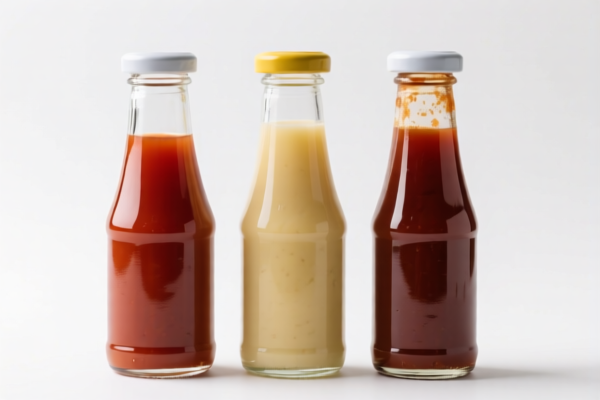
AI Analysis
🍷 Glass Bottles and Jars – HS Code & Tariff Guide (2026 Update)
🌐 HS Code Classification & Customs Clearance Strategy | 2026 Tariff Breakdown | Pro-Level Import Planning
📌 One-Stop Reference for Glass Containers – From Kitchenware to Industrial Use
📦 1. Product Definition & Key Classification Criteria
Glass bottles and jars are container-shaped glass products used for storing liquids, food, cosmetics, or industrial materials. In international trade, their classification hinges on form, intended use, and material composition.
⚠️ Critical Distinction:
- Hollow, container-like shapes (e.g., bottles, jars, flasks) → HS 7010.90.50 / 7013.49
- Non-container glassware (e.g., plates, cups, vases) → HS 7013.49 or 7020.00.60
- Glass with no functional container shape → HS 7020.00.60 (other glass products)🔍 Key Trigger Factors:
- Shape: Cylindrical, round, or sealed with necks? → Likely 7010.90.50
- Use Case: Kitchen, dining, or storage? → 7013.49
- No clear use or shape? → 7020.00.60
📊 2. HS Code Classification Matrix (2026 Official Tariff Table)
| HS Code | Product Description | Use Case | Tax Rate | Tax Breakdown |
|---|---|---|---|---|
7010.90.50.39 |
Glass containers, bottle/jar-shaped, general use | Beverage, food, cosmetic packaging | 35.0% | Base: 0%, Additional: 25%, Section 122: 10% |
7010.90.50.25 |
Glass containers, jar/bottle form, description missing → default match | Unclear or incomplete product details | 35.0% | Base: 0%, Additional: 25%, Section 122: 10% |
7013.49.20.90 |
Glassware for kitchen or table use (e.g., serving dishes, storage jars) | Tableware, kitchen storage, food containers | 32.5% | Base: 22.5%, Additional: 0%, Section 122: 10% |
7013.49.50.90 |
Glass kitchen or tableware, non-container shape (e.g., bowls, vases) | Dining sets, decorative glassware | 25.0% | Base: 15.0%, Additional: 0%, Section 122: 10% |
7020.00.60.00 |
Other glass products, not containers or tableware | Industrial glass, non-functional glass items | 40.0% | Base: 5.0%, Additional: 25%, Section 122: 10% |
📌 Important Note:
- If the product is clearly a bottle/jar shape, even without full description → 7010.90.50 applies
- If the use is unclear, but shape is container-like → 7010.90.50.25 (default fallback)
- If used for kitchen/dining, but not container-shaped → 7013.49
- If no clear use or shape, or purely decorative/industrial → 7020.00.60
💰 3. 2026 Tariff Breakdown – Detailed Tax Clause Explanation
✅ Applicable Country: United States (US)
✅ Origin: China (CN)
✅ Effective Date: November 10, 2025 (with retroactive application)
🎯 1. 7010.90.50.39 – Glass Containers (Bottle/Jar Shape, General Use)
| Item | Detail |
|---|---|
| Base Duty | 0% (ad valorem) |
| Additional Tariff (Section 301) | +25% (from USITC, under Section 301 of Trade Act) |
| Section 122 Tariff (IEEPA) | +10% (under International Emergency Economic Powers Act, applies to China-origin goods) |
| Total Effective Rate | 35.0% |
| Tax Calculation | CIF Value × 35% |
| De Minimis Exemption | ❌ Not applicable (denied under US law) |
| Legal Basis Path | IEEPA:9903.01.25 → IEEPA:9903.01.24 → USITC:7010.90.50.39 → FOOTNOTE:9903.88.01 |
📌 Why This Applies:
- The product is glass, container-shaped, and used for general storage (e.g., sauces, oils, cosmetics).
- Even if no specific use is stated, shape alone triggers 7010.90.50.
🎯 2. 7010.90.50.25 – Glass Containers (Missing Description, Default Match)
| Item | Detail |
|---|---|
| Base Duty | 0% |
| Additional Tariff (Section 301) | +25% |
| Section 122 Tariff (IEEPA) | +10% |
| Total Effective Rate | 35.0% |
| Tax Calculation | CIF × 35% |
| De Minimis Exemption | ❌ Not allowed |
| Legal Basis Path | IEEPA:9903.01.25 → IEEPA:9903.01.24 → USITC:7010.90.50.25 → FOOTNOTE:9903.88.01 |
📌 When This Applies:
- Product description is incomplete, missing, or vague (e.g., “glass jar” without use or size).
- Customs will default to 7010.90.50.25 as a fallback for container-like glass items.
🎯 3. 7013.49.20.90 – Glassware for Kitchen or Table Use (Non-Container)
| Item | Detail |
|---|---|
| Base Duty | 22.5% |
| Additional Tariff (Section 301) | 0% |
| Section 122 Tariff (IEEPA) | +10% |
| Total Effective Rate | 32.5% |
| Tax Calculation | CIF × 32.5% |
| De Minimis Exemption | ❌ Not allowed |
| Legal Basis Path | IEEPA:9903.01.24 → USITC:7013.49.20.90 → FOOTNOTE:9903.88.01 |
📌 Use Case:
- Glass bowls, serving dishes, decorative kitchenware, or non-container storage (e.g., a glass bowl for fruit).
- Not a bottle/jar, but used in kitchen/dining context.
🎯 4. 7013.49.50.90 – Kitchen/Table Glassware (Non-Container Shape)
| Item | Detail |
|---|---|
| Base Duty | 15.0% |
| Additional Tariff (Section 301) | 0% |
| Section 122 Tariff (IEEPA) | +10% |
| Total Effective Rate | 25.0% |
| Tax Calculation | CIF × 25% |
| De Minimis Exemption | ❌ Not allowed |
| Legal Basis Path | IEEPA:9903.01.24 → USITC:7013.49.50.90 → FOOTNOTE:9903.88.01 |
📌 Examples:
- Glass vases, decorative jars, wine glasses, fruit bowls, non-container kitchen items.
🎯 5. 7020.00.60.00 – Other Glass Products (Non-Container, No Clear Use)
| Item | Detail |
|---|---|
| Base Duty | 5.0% |
| Additional Tariff (Section 301) | +25% |
| Section 122 Tariff (IEEPA) | +10% |
| Total Effective Rate | 40.0% |
| Tax Calculation | CIF × 40% |
| De Minimis Exemption | ❌ Not allowed |
| Legal Basis Path | IEEPA:9903.01.25 → IEEPA:9903.01.24 → USITC:7020.00.60.00 → FOOTNOTE:9903.88.01 |
📌 When This Applies:
- No functional container shape
- No kitchen/table use
- Industrial, decorative, or undefined purpose (e.g., glass sculpture, test tubes, non-functional glass pieces)⚠️ High-Risk Category:
- Highest tariff in the list → 40%
- Avoid this classification unless truly applicable
🛠️ 4. Customs Clearance Best Practices (Pro Tips)
✅ 1. Essential Documentation (Must-Have)
| Document | Required? | Why It Matters |
|---|---|---|
| ✅ Product Specifications | ✔️ | Size, shape, capacity, material, intended use |
| ✅ Clear Product Photos | ✔️ | Show neck, shape, label, base |
| ✅ Commercial Invoice | ✔️ | Must include accurate HS Code, use description, CIF value |
| ✅ Packing List | ✔️ | Shows packaging, quantity, type |
| ✅ Origin Certificate (CO) | ✔️ | If from non-China origin, may reduce tariffs |
| ✅ Test Reports (RoHS, FDA, etc.) | ✔️ | If for food/cosmetic use |
| ✅ Sample or Prototype (if needed) | ✔️ | For customs review or pre-ruling |
✅ 2.申报技巧 (Key Rules to Remember)
🔥 "Shape First, Use Second, Description Last!"
| Scenario | Correct HS Code | Wrong Approach |
|---|---|---|
| Bottle-shaped glass, used for oil | 7010.90.50.39 |
7013.49.20.90 → lower base, but wrong |
| Jar with no description, but clearly container-like | 7010.90.50.25 |
7020.00.60.00 → 40% tax! |
| Glass bowl for fruit | 7013.49.50.90 |
7010.90.50.39 → 35% instead of 25% |
| Decorative glass sculpture | 7020.00.60.00 |
7013.49.50.90 → 40% vs 25% |
✅ 3. Special Cases & Solutions
| Case | Recommended Action |
|---|---|
| Mixed packaging (bottles + labels) | Do not split – declare as one shipment with correct HS Code |
| Custom-designed glass jars | Provide design drawings + use case to justify classification |
| Glass with embedded electronics (e.g., smart jar) | May qualify for different classification – consult a customs expert |
| Re-imported glassware | Provide original invoice + customs records to avoid double taxation |
| Samples or low-value shipments | Still no de minimis – must pay full tax |
🌍 5. Global Market Comparison (2026)
| Country | Recommended HS Code | Tariff | Certification | Notes |
|---|---|---|---|---|
| 🇺🇸 USA | 7010.90.50.39 |
35% (China) | FDA, RoHS, FCC | High risk, no de minimis |
| 🇨🇳 China | 7010.90.50.39 |
5% | CCC | No additional tariffs |
| 🇪🇺 EU | 7013.49.20.90 |
0% (if CE) | CE, RoHS | No 301/IEEPA tariffs |
| 🇦🇺 Australia | 7013.49.50.90 |
5% | RCM | No additional taxes |
| 🇯🇵 Japan | 7013.49.50.90 |
0% | PSE | No extra tariffs |
📌 Insight:
- USA is the only market with 301 + IEEPA tariffs on glass containers
- China-origin goods face the highest burden in the US
- Vietnam/Mexico/Thailand origin goods may qualify for IEEPA exemption → 0% or 5%
📌 6. Common Mistakes & How to Avoid Them
❌ Mistake 1: Misclassifying a bottle as 7013.49.50.90
👉 Result: 25% instead of 35% → you save 10%, but wrong classification → risk of penalties, audits, or seizure
❌ Mistake 2: Using 7020.00.60.00 for a glass jar
👉 Result: 40% instead of 35% → extra $500+ on $10k shipment
❌ Mistake 3: Not providing shape description in invoice
👉 Result: Customs defaults to 7010.90.50.25 → 35% tax even if it should be 25%
❌ Mistake 4: Splitting a bottle + cap + label into separate lines
👉 Result: Each item taxed at 35% → total 105%+!
✅ Correct Approach:
“Glass Bottle, 500ml, Round, with Screw Cap, for Olive Oil, Made in China, FCC & RoHS Certified”
🎯 7. Final Verdict: Precision Pays Off!
🎯 Golden Rules to Remember:
🔹 "If it’s a bottle/jar shape → 7010.90.50"
🔹 "If it’s kitchen/table use → 7013.49"
🔹 "If no shape or use → 7020.00.60 → avoid!"
🔹 "No de minimis in US → pay full 35% or 40%!"
📌 Pro Tip:
If your glassware is originated in Vietnam, Mexico, Thailand, or Malaysia, you may qualify for IEEPA exemption → 0% or 5% tariff.
✅ Apply for Advance Ruling (Pre-Approval) before shipment to lock in the correct HS Code.
📣 Take Action Now!
📞 Contact a licensed customs broker + provide product photos + specs
🚀 Get HS Code pre-ruling → avoid delays, penalties, and surprise taxes
💼 Your glass product deserves a smooth, low-cost, high-profit journey to market!
✨ Professional Customs Starts with Accurate Classification!
💼 One wrong code = thousands in extra tax. One right code = peace of mind.
Customer Reviews
About HS Code Classification
The Harmonized System (HS) is an internationally standardized nomenclature developed by the World Customs Organization (WCO) to classify traded products. Over 200 countries use the HS system as the basis for customs tariffs, trade statistics, and import/export regulations.
Each HS code follows a hierarchical structure:
- Chapter (2 digits) — Broad category of goods (e.g., Chapter 84: Machinery and Mechanical Appliances)
- Heading (4 digits) — More specific grouping within the chapter
- Subheading (6 digits) — Internationally standardized breakdown, used by all WCO member countries
- National subdivisions (8-10 digits) — Country-specific extensions for further classification, such as US HTSUS 10-digit codes
Correct HS code classification is essential for smooth customs clearance, accurate duty payment, and compliance with trade regulations. Misclassification can lead to customs delays, overpayment of duties, or penalties.
When importing from CN to US, the applicable tariff rates may include:
- Most-Favored-Nation (MFN) rate — The standard duty rate applied to WTO members
- General rate — Applied to countries without trade agreements
- Trade remedy duties — Additional tariffs such as Section 301 (anti-dumping), Section 232 (national security), or countervailing duties
The information provided on this page is for reference purposes only. For official classification, please consult with your local customs authority or a licensed customs broker.