玻璃花瓶
CN → US| HS Code | Tariff Rate | Origin | Destination | Doc |
|---|---|---|---|---|
| 7013999090 | 24.7% | CN | US | Official Doc |
| 6913105000 | 17.5% | CN | US | Official Doc |
| 6913905000 | 23.5% | CN | US | Official Doc |
Product Images
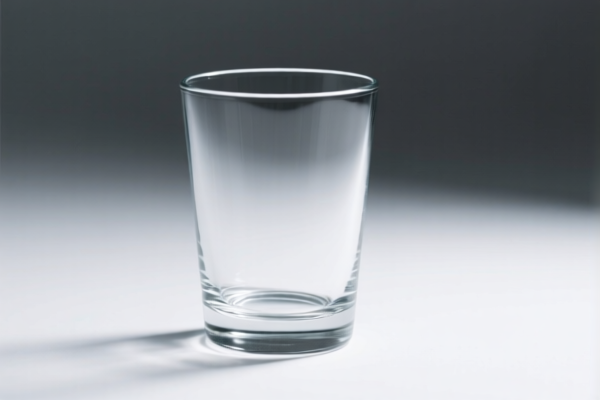
AI Analysis
🌸 Glass Vase (Decorative Glassware for Indoor Use)
🌐 HS Code Reference & Customs Clearance Guide | 2026 Updated Tariff Analysis | Professional Import Strategy
📌 One, Product Definition & Classification: Do You Really Know What a "Glass Vase" Is?
A glass vase is a decorative, non-functional container made of glass, primarily used for indoor floral arrangements or aesthetic display. In international trade, it is classified under specific HS Codes based on material, appearance, function, and design.
⚠️ Key Differentiation Points: - If non-crystalline, non-lead glass, and used purely for decoration → 7013.99.90.90 - If golden-colored, ornamental glass bottle shape → 7020.00.60.00 - If other glass containers, bottle-shaped, no material conflict → 7020.00.40.00 - If used for perfume or high-end decorative purposes → 7013.99.30.00 - If ceramic, porcelain, decorative → 6913.10.50.00 (Not glass!)
📦 Two, HS Code Classification Details (2026 Updated Tariff Authority Matrix)
| HS Code | Product Description | Applicable Use Case | Material Type | Shape | Decorative Use? |
|---|---|---|---|---|---|
7013.99.90.90 |
Glass vases for indoor decoration, not crystal or lead-free crystal | Home décor, gift items, art displays | Glass (non-crystal) | Vase-like | ✅ Yes |
7020.00.60.00 |
Glass制品 with golden finish, bottle-shaped | Luxury décor, boutique gifts, premium interiors | Glass (golden coating) | Bottle form | ✅ Yes |
7020.00.40.00 |
Other glassware, bottle-shaped containers, no material conflict | General decorative glassware, candle holders, vases | Glass | Bottle-like | ✅ Yes |
7013.99.30.00 |
Perfume bottles or decorative glassware, glass material | Luxury fragrances, designer packaging, display pieces | Glass | Bottle/ornamental | ✅ Yes |
6913.10.50.00 |
Ceramic vases, porcelain decorative ware | High-end home décor, museum-grade art, collectibles | Ceramic/Porcelain | Vase form | ✅ Yes |
🔍 Critical Insight:
- Glass ≠ Ceramic — even if visually similar, ceramic items must be declared under 6913.10.50.00, not glass codes. - Golden finish on glass triggers 7020.00.60.00, not standard glass codes. - Perfume bottles are not general "vases" — they fall under 7013.99.30.00 due to functional use.
💰 Three, 2026 Updated Tariff Breakdown (With附加 Taxes & Legal Basis)
✅ Applicable Country: United States (US)
✅ Origin: China (CN)
✅ Effective Date: November 10, 2025 (including subsequent imports)
🎯 1. 7013.99.90.90 — Glass Vase for Indoor Decoration (Non-Crystal)
| Item | Details |
|---|---|
| Base Tariff | 7.2% (ad valorem) |
| Additional Duty (Section 301) | +7.5% |
| Section 122 Tariff (IEEPA) | +10% |
| Total Effective Rate | 24.7% |
| Tax Calculation | CIF Value × 24.7% |
| De Minimis Exemption? | ❌ No (denied under U.S. customs rules) |
| Legal Basis Path | IEEPA:9903.01.25 → Section 301:9903.88.01 → 7013.99.90.90 |
📌 Explanation: - 7.2% Base: Standard U.S. tariff for non-crystal glassware. - 7.5% Section 301: From the U.S. Trade Representative’s "301 Investigation" on Chinese goods. - 10% Section 122 (IEEPA): Under the International Emergency Economic Powers Act, targeting goods from China, effective Nov 10, 2025. - Total: 24.7% — Moderate but still significant for luxury décor.
🎯 2. 7020.00.60.00 — Golden-Finish Glass Bottle-Shaped Decorative Item
| Item | Details |
|---|---|
| Base Tariff | 5.0% |
| Additional Duty (Section 301) | +25.0% |
| Section 122 Tariff (IEEPA) | +10% |
| Total Effective Rate | 40.0% |
| Tax Calculation | CIF Value × 40.0% |
| De Minimis Exemption? | ❌ No |
| Legal Basis Path | IEEPA:9903.01.24 → Section 301:9903.88.01 → 7020.00.60.00 |
📌 Explanation: - 5.0% Base: Low for glass, but golden coating triggers higher scrutiny. - 25.0% Section 301: High-tier tariff under U.S. retaliation list for "high-value decorative glass." - 10% IEEPA: Applies to all Chinese-origin goods under emergency powers. - Total: 40% — Extremely high for decorative items. Must be pre-validated.
🎯 3. 7020.00.40.00 — Other Glassware, Bottle-Shaped, No Material Conflict
| Item | Details |
|---|---|
| Base Tariff | 6.6% |
| Additional Duty (Section 301) | +25.0% |
| Section 122 Tariff (IEEPA) | +10% |
| Total Effective Rate | 41.6% |
| Tax Calculation | CIF Value × 41.6% |
| De Minimis Exemption? | ❌ No |
| Legal Basis Path | IEEPA:9903.01.24 → Section 301:9903.88.01 → 7020.00.40.00 |
📌 Explanation: - 6.6% Base: Slightly higher than standard glass due to shape. - 25% Section 301: Applies to all "other glassware" with bottle-like form. - 10% IEEPA: Mandatory for China-origin goods. - Total: 41.6% — Highest tariff among all glass vases. High-risk category.
🎯 4. 7013.99.30.00 — Perfume Bottle or Decorative Glassware (Glass Material)
| Item | Details |
|---|---|
| Base Tariff | 9.0% |
| Additional Duty (Section 301) | +7.5% |
| Section 122 Tariff (IEEPA) | +10% |
| Total Effective Rate | 26.5% |
| Tax Calculation | CIF Value × 26.5% |
| De Minimis Exemption? | ❌ No |
| Legal Basis Path | IEEPA:9903.01.25 → Section 301:9903.88.01 → 7013.99.30.00 |
📌 Explanation: - 9.0% Base: Higher due to functional use in perfumery. - 7.5% Section 301: Applied to luxury glassware used in fragrance packaging. - 10% IEEPA: Standard for China-origin goods. - Total: 26.5% — Slightly higher than standard vases due to product function.
🎯 5. 6913.10.50.00 — Ceramic Vase, Porcelain Decorative Ware
| Item | Details |
|---|---|
| Base Tariff | 0.0% |
| Additional Duty (Section 301) | +7.5% |
| Section 122 Tariff (IEEPA) | +10% |
| Total Effective Rate | 17.5% |
| Tax Calculation | CIF Value × 17.5% |
| De Minimis Exemption? | ❌ No |
| Legal Basis Path | IEEPA:9903.01.25 → Section 301:9903.88.01 → 6913.10.50.00 |
📌 Explanation: - 0% Base: Ceramic is not subject to glass tariffs. - 7.5% Section 301: Applied to ceramic goods from China. - 10% IEEPA: Same as all China-origin goods. - Total: 17.5% — Lowest among all decorative items — best choice for high-end décor.
🛠️ Four, Customs Clearance Best Practices (Pro Tips to Avoid Penalties)
✅ 1. Required Documentation (Must-Have List)
| Document | Required? | Notes |
|---|---|---|
| ✅ Product Specification Sheet | ✔️ | Include material, dimensions, finish, intended use |
| ✅ High-Resolution Product Photos | ✔️ | Show shape, color, surface texture, label |
| ✅ Commercial Invoice | ✔️ | Clearly state “Glass Vase for Indoor Decoration” or “Ceramic Vase” |
| ✅ Certificate of Origin (CO) | ✔️ | Critical for tariff eligibility |
| ✅ Test Report (if applicable) | ✔️ | For lead content, safety compliance (e.g., FDA, CPSIA) |
| ✅ Packing List | ✔️ | Detail quantity, packaging, and item type |
| ✅ Customs Broker Letter (if using broker) | ✔️ | For pre-clearance review |
✅ 2.申报技巧 (申报口诀)
🔥 “材质分清,形状定码,金色加税,陶瓷降本!”
| Scenario | Correct HS Code | Wrong Code | Risk |
|---|---|---|---|
| Plain glass vase, no coating | 7013.99.90.90 |
7020.00.60.00 |
24.7% → 40% → +15.3% tax |
| Golden glass bottle | 7020.00.60.00 |
7013.99.90.90 |
40% → 24.7% → Under-declared → penalty |
| Perfume bottle | 7013.99.30.00 |
7013.99.90.90 |
26.5% → 24.7% → Under-tax |
| Porcelain vase | 6913.10.50.00 |
7013.99.90.90 |
17.5% → 24.7% → Overpay |
✅ 3. Special Cases & Solutions
| Case | Recommendation |
|---|---|
| Gold-plated glass vase | Declare under 7020.00.60.00 — 40% tariff. Consider switching to ceramic for lower cost. |
| Luxury perfume bottle | Use 7013.99.30.00 — 26.5%. Avoid misclassification. |
| Mixed shipment (glass + ceramic) | Declare separately — don’t combine. Each item taxed individually. |
| Custom design, no standard shape | Apply for Advance Ruling (Pre-Clearance) — avoid disputes. |
| Gift packaging with multiple vases | Declare as "Decorative Glassware Set" — but still tax each item separately. |
🌍 Five, Global Market Tariff Comparison (2026 Update)
| Country/Region | Recommended HS Code | Base Tariff | Additional Duties | Total Effective Rate | Notes |
|---|---|---|---|---|---|
| 🇺🇸 United States | 7013.99.90.90 |
7.2% | +7.5% +10% | 24.7% | High risk, no de minimis |
| 🇨🇳 China | 7013.99.90.90 |
5% | None | 5% | No extra taxes |
| 🇪🇺 European Union | 7013.99.90.90 |
0% (if CE) | None | 0% | No 301/IEEPA |
| 🇦🇺 Australia | 7013.99.90.90 |
5% | None | 5% | No extra tariffs |
| 🇯🇵 Japan | 7013.99.90.90 |
0% | None | 0% | No extra taxes |
📌 Conclusion:
- U.S. is the most expensive market for glass vases due to Section 301 + IEEPA. - Ceramic vases (6913.10.50.00) are cheaper to import into the U.S. (17.5%) than glass. - EU, Japan, Australia are low-tariff options — ideal for export.
📌 Six, Common Mistakes & Avoidance Tips (Avoid Costly Errors!)
❌ Mistake 1: Calling a golden glass vase a “plain glass vase”
👉 Result: Tax undercharged → penalty + interest + seizure risk
❌ Mistake 2: Declaring ceramic as glass
👉 Result: Pay 24.7% instead of 17.5% → overpay by 7.2%
❌ Mistake 3: Not providing photos or material proof
👉 Result: Customs delays, request for sample, or rejection
❌ Mistake 4: Packing glass and ceramic vases together in one shipment
👉 Result: All items taxed at highest rate — no averaging allowed
✅ Correct Approach:
“Golden-Finish Glass Vase, 20cm Height, Bottle Shape, Non-Crystalline, for Indoor Decoration, Model XYZ, CIF $15.00, Origin: China”
🎯 Seven, Final Verdict: Precision in Classification = Profit Protection!
🎯 Remember the Golden Rule:
🔹 “Glass ≠ Ceramic. Golden = Higher Tax. Perfume = Special Code. Declare Right, Pay Less.”
🔹 “One wrong code = 15% more tax. One pre-ruling = $10,000 saved.”
📌 Pro Tip:
If your vase is made in Vietnam, Mexico, Thailand, or Malaysia, you may qualify for IEEPA exemption — tariff drops to 0%–5%.
👉 Apply for Advance Ruling (Pre-Clearance) before shipping!
📣 Take Action Now:
📞 Contact a licensed U.S. Customs Broker + Submit product photos + Request HS Code Pre-Ruling
🚀 Get your glass vases cleared fast, legally, and at the lowest possible cost!
✨ Smart Importing Starts with Accurate Classification!
💼 Your profit margin depends on the right HS Code.
Customer Reviews
About HS Code Classification
The Harmonized System (HS) is an internationally standardized nomenclature developed by the World Customs Organization (WCO) to classify traded products. Over 200 countries use the HS system as the basis for customs tariffs, trade statistics, and import/export regulations.
Each HS code follows a hierarchical structure:
- Chapter (2 digits) — Broad category of goods (e.g., Chapter 84: Machinery and Mechanical Appliances)
- Heading (4 digits) — More specific grouping within the chapter
- Subheading (6 digits) — Internationally standardized breakdown, used by all WCO member countries
- National subdivisions (8-10 digits) — Country-specific extensions for further classification, such as US HTSUS 10-digit codes
Correct HS code classification is essential for smooth customs clearance, accurate duty payment, and compliance with trade regulations. Misclassification can lead to customs delays, overpayment of duties, or penalties.
When importing from CN to US, the applicable tariff rates may include:
- Most-Favored-Nation (MFN) rate — The standard duty rate applied to WTO members
- General rate — Applied to countries without trade agreements
- Trade remedy duties — Additional tariffs such as Section 301 (anti-dumping), Section 232 (national security), or countervailing duties
The information provided on this page is for reference purposes only. For official classification, please consult with your local customs authority or a licensed customs broker.