球叉
CN → US| HS Code | Tariff Rate | Origin | Destination | Doc |
|---|---|---|---|---|
| 8708509150 | 37.5% | CN | US | Official Doc |
| 8708806590 | 0.0% | CN | US | Official Doc |
| 8431499005 | 85.0% | CN | US | Official Doc |
Product Images

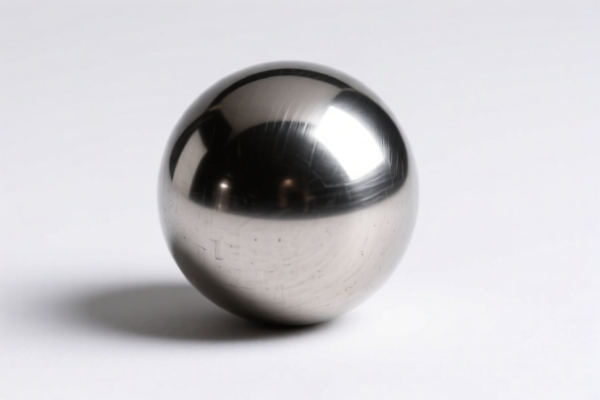
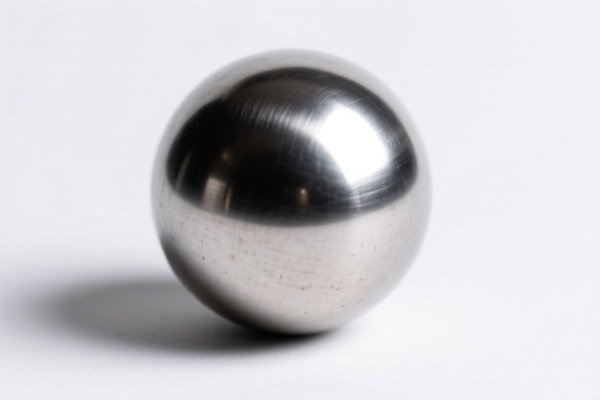

AI Analysis
🔩 Ball Joint Forks (Spherical Forks)
HS Code Classification & Duty Rate Analysis | 2026 Customs Clearance Guide
🌐 HS Code Reference & Customs Strategy | Professional Clearance Guide
📌 1. Product Definition: What is a "Ball Joint Fork"?
A Ball Joint Fork (often referred to as a "Spherical Fork" or "Kingpin Fork" in mechanical contexts) is a critical component in automotive and heavy machinery suspension/steering systems. It acts as a pivot point, allowing for multi-directional movement while supporting structural loads.
In international trade, its classification depends heavily on whether it is specifically designed for vehicles or used in general industrial machinery. Misclassification here leads to massive duty differences (from 2.5% to 85%).
⚠️ Key Distinction Point:
- If the part is specifically for automotive steering/suspension →归入 Chapter 87 (Vehicles)
- If the part is for general industrial machinery (non-vehicle) → 归入 Chapter 84 (Machinery)
- ⚠️ WARNING: The US imposes Section 301/122 tariffs on almost all Chinese-origin mechanical/vehicle parts. The base rate is low, but additional duties push the total to 85%+.
📦 2. HS Code Classification Details (Based on Provided Data)
Below are the three potential HS Codes derived from your data, along with their specific duty structures.
| HS Code | Product Description | Applicable Scenario | Total Duty Rate (China Origin) |
|---|---|---|---|
8708.50.91.50 |
Vehicle Steering/Suspension Parts Specifically identified as parts for non-drive axles (e.g., tie rod ends, ball joints). |
Automotive vehicles, trucks, buses. | 37.5% |
8708.80.65.90 |
Other Vehicle Suspension Parts Classified as "Other" suspension components for vehicles. |
General vehicle suspension links, not specifically drive-axle related. | 87.5% |
8431.49.90.05 |
Machinery Parts General mechanical parts/attachments for non-automotive machinery. |
Industrial equipment, construction machinery (non-vehicle), agricultural tools. | 85.0% |
🔍 Critical Note:
- All three codes include Section 301 Tariffs (25%) and 122 Tariffs (10%).
- The8708.80.65.90code also includes an additional 50% tariff for steel/aluminum/copper products, pushing the total to 87.5%.
- There is no de minimis exemption for these items. They are subject to strict scrutiny.
💰 3. 2026 Latest Tariff Rate Breakdown (Including Additional Duties)
✅ Applicable Country: United States (US)
✅ Origin: China (CN)
✅ Effective Time: Ongoing (Post-2025 Policy)
🎯 1. 8708.50.91.50 – Vehicle Steering/Suspension Parts
Best for: Standard automotive ball joints.
| Item | Content |
|---|---|
| Base Tariff | 2.5% (Standard MFN rate for vehicle parts) |
| Section 301 Tariff | +25.0% (Additional duty under Trade Act of 1974) |
| Section 122 Tariff | +10.0% (Specific duty on certain steel/iron articles) |
| Total Rate | 37.5% |
| Calculation Basis | CIF Value × 37.5% |
| De Minimis Exemption? | ❌ NO (deny_de_minimis) |
| Legal Basis Path | USITC:8708.50.91.50 → Section301:9903.01.24 → Section122:9903.01.25 |
📌 Explanation:
This is the lowest duty option among the three. It is recommended if the product is definitively for automotive use. The "122 Tariff" applies because ball joints are typically steel forgings.
🎯 2. 8708.80.65.90 – Other Vehicle Suspension Parts
Best for: Non-standard vehicle suspension links.
| Item | Content |
|---|---|
| Base Tariff | 2.5% |
| Section 301 Tariff | +25.0% |
| Section 122 Tariff | +10.0% |
| Steel/Alloy Surcharge | +50.0% (Specific to steel/aluminum/copper products under enhanced rules) |
| Total Rate | 87.5% |
| Calculation Basis | CIF Value × 87.5% |
| De Minimis Exemption? | ❌ NO |
| Legal Basis Path | USITC:8708.80.65.90 → Section301:9903.01.24 → Section122:9903.01.25 → SteelSurcharge:50% |
📌 Warning:
This rate is extremely high. Only use this code if the part cannot be classified under8708.50(steering) and is not suitable for8431(machinery). The extra 50% is a penalty for generic vehicle parts made of steel/aluminum.
🎯 3. 8431.49.90.05 – Machinery Parts
Best for: Industrial/construction equipment (e.g., excavator linkages, forklift parts).
| Item | Content |
|---|---|
| Base Tariff | 0.0% (Often 0% for general machinery parts) |
| Section 301 Tariff | +25.0% |
| Section 122 Tariff | +10.0% |
| Steel/Alloy Surcharge | +50.0% |
| Total Rate | 85.0% |
| Calculation Basis | CIF Value × 85.0% |
| De Minimis Exemption? | ❌ NO |
| Legal Basis Path | USITC:8431.49.90.05 → Section301:9903.01.24 → Section122:9903.01.25 → SteelSurcharge:50% |
📌 Comparison:
Even though the base rate is 0%, the 85% total duty makes it nearly as expensive as the vehicle part code. Do not use this code to "avoid" duties, as the Section 301 and 122 tariffs apply to both automotive and machinery parts.
🛠️ 4. Customs Clearance Practical Advice (Real-World Pitfall Guide)
✅ 1. Preparation Checklist (Must-Have Documents)
| Document | Required? | Purpose |
|---|---|---|
| Product Specification Sheet | ✅ Yes | Define whether it's for vehicles or machinery. |
| Engineering Drawings | ✅ Yes | Show connection points (ball joint, threaded ends). |
| Application List | ✅ Yes | Explicitly state: "For Use in Automotive Steering System" or "For Excavator Linkage". |
| Material Certificate | ✅ Yes | Confirm steel/aluminum content (triggers the 50% surcharge). |
| Commercial Invoice | ✅ Yes | Must match the HS Code description exactly. |
| Packaging List | ✅ Yes | Ensure no mixed shipments (vehicle parts with non-covered goods). |
✅ 2. Declaration Strategy (Key Mnemonic)
🔥 "Vehicle Goes to 87, Machine to 84, Steel Adds 50, Total Cost Skyrockets!"
| Scenario | Correct HS Code | Duty Rate | Wrong Action |
|---|---|---|---|
| Auto Part (Car/Truck) | 8708.50.91.50 |
37.5% | Declaring as "Machine Part" → 85% (Overpaying!) |
| Industrial Linkage (Excavator) | 8431.49.90.05 |
85.0% | Declaring as "Auto Part" → 37.5% (Undervaluation Risk!) |
| Generic Vehicle Link | 8708.80.65.90 |
87.5% | Avoid if possible; try to fit 8708.50 |
⚠️ Risk Warning:
- Do NOT declare a vehicle part as a "machinery part" (8431) just to save taxes. US Customs (CBP) often reclassifies these, leading to backdated duties + penalties.
- Do NOT assume "Base Rate 0%" means "Total Duty 0%". The 85% total includes Section 301 and 122.
✅ 3. Special Circumstances
| Situation | Handling Advice |
|---|---|
| OEM Auto Parts | Ensure the invoice states "Parts for [Vehicle Make/Model]" to support 8708 classification. |
| Dual-Use Parts | If the same fork is used in both cars and excavators, declare based on the primary intended use or the majority shipment purpose. Provide a usage statement. |
| Steel Content | Since most ball joints are steel, expect the 50% surcharge on 8708.80 and 8431 codes. This is unavoidable if using those codes. |
| Origin Marking | Ensure "Made in China" is clearly marked on the product/packaging. Failure to do so can result in 25% penalty on top of duties. |
🌍 5. Global Market Comparison (2026)
| Region | Recommended HS Code | Approx. Total Duty (China Origin) | Key Requirement |
|---|---|---|---|
| 🇺🇸 USA | 8708.50.91.50 |
37.5% | Strict CBP scrutiny, Section 301/122 apply. |
| 🇺🇸 USA (Machine) | 8431.49.90.05 |
85.0% | High duty, rarely competitive. |
| 🇨🇳 China (Import) | 8708.50.91.50 |
~5-10% | Low duty, no Section 301. |
| 🇪🇺 EU | 8708.50 |
~4% | No Section 301, but check CE/Euro standards. |
| 🇲🇽 Mexico | 8708.50 |
0% (if USMCA compliant) | Requires Regional Value Content rules. |
📌 Conclusion:
- USA is the most expensive market due to political tariffs.
- Mexico/Canada are better alternatives if you can establish local assembly or source from USMCA-compliant suppliers.
- EU is moderate duty but requires high-quality certification.
📌 6. Common Mistakes & Pitfalls (Blood Lessons)
❌ Mistake 1: Declaring "Ball Joint" as "General Hardware" (HS 7318)
👉 Consequence: CBP will reclassify to 8708 or 8431 and apply 37.5-85% duty + penalties.
👉 Fix: Always specify "Vehicle Part" or "Machine Part".
❌ Mistake 2: Ignoring the "Steel" Surcharge on 8708.80
👉 Consequence: Paying 37.5% but actually owing 87.5%.
👉 Fix: Use 8708.50 (37.5%) whenever possible for auto parts.
❌ Mistake 3: Assuming "De Minimis" ($800) applies
👉 Consequence: Shipments under $800 will be seized or taxed because Section 301/122 goods are excluded from de minimis.
👉 Fix: Prepare full entry documentation for all shipments.
🎯 7. Final Recommendation: Cost-Saving Strategy
🎯 Action Plan:
1. Prioritize 8708.50.91.50 for automotive ball joints. It has the lowest total duty (37.5%).
2. Avoid 8708.80.65.90 unless necessary, as the 87.5% duty is prohibitive.
3. Do NOT use 8431.49.90.05 for auto parts. The 85% duty is the same as the other machinery code and much higher than the auto code.
4. Consult a Customs Broker to file a Binding Tariff Ruling if your product is unique or dual-use. This provides legal certainty and protects against audits.
📣 Immediate Action:
📞 Contact Your Freight Forwarder with the Engineering Drawing and Intended Use Statement.
🚀 Goal: Secure8708.50.91.50classification to save ~50% in duties compared to incorrect declarations.
✨ Professional Clearance Starts with Accurate Classification!
💼 Every Dollar Saved in Duty is Pure Profit!
Customer Reviews
About HS Code Classification
The Harmonized System (HS) is an internationally standardized nomenclature developed by the World Customs Organization (WCO) to classify traded products. Over 200 countries use the HS system as the basis for customs tariffs, trade statistics, and import/export regulations.
Each HS code follows a hierarchical structure:
- Chapter (2 digits) — Broad category of goods (e.g., Chapter 84: Machinery and Mechanical Appliances)
- Heading (4 digits) — More specific grouping within the chapter
- Subheading (6 digits) — Internationally standardized breakdown, used by all WCO member countries
- National subdivisions (8-10 digits) — Country-specific extensions for further classification, such as US HTSUS 10-digit codes
Correct HS code classification is essential for smooth customs clearance, accurate duty payment, and compliance with trade regulations. Misclassification can lead to customs delays, overpayment of duties, or penalties.
When importing from CN to US, the applicable tariff rates may include:
- Most-Favored-Nation (MFN) rate — The standard duty rate applied to WTO members
- General rate — Applied to countries without trade agreements
- Trade remedy duties — Additional tariffs such as Section 301 (anti-dumping), Section 232 (national security), or countervailing duties
The information provided on this page is for reference purposes only. For official classification, please consult with your local customs authority or a licensed customs broker.