瑜伽裤
CN → US| HS Code | Tariff Rate | Origin | Destination | Doc |
|---|---|---|---|---|
| 6104632011 | 45.7% | CN | US | Official Doc |
| 6112110060 | 32.4% | CN | US | Official Doc |
| 6112120060 | 38.2% | CN | US | Official Doc |
| 6211335030 | 33.5% | CN | US | Official Doc |
| 6211431040 | 33.5% | CN | US | Official Doc |
Product Images
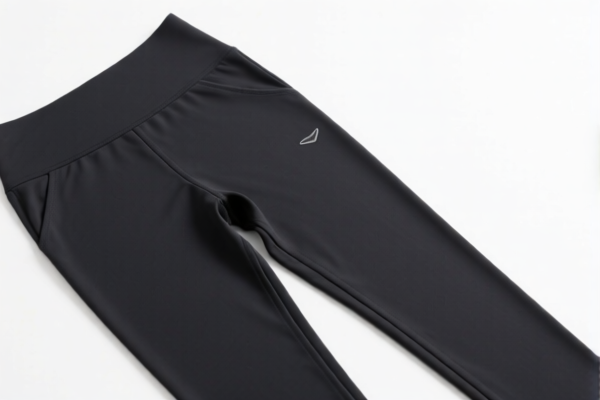


AI Analysis
🧘♀️ Yoga Pants (The Ultimate Activewear)
🌐 HS Code Reference & Clearance Guide | 2026 Latest Tariff Analysis | Professional Strategy
📌 I. Product Definition & Classification: Do You Really Know "Yoga Pants"?
Yoga pants are not a single product; they are a category defined by material composition (Cotton vs. Synthetic) and manufacturing method (Knitted vs. Non-Knitted). Misclassification leads to massive tariff penalties.
Two Critical Distinctions:
1. Knitted vs. Non-Knitted:
* Knitted (61xx): Stretchy, woven from looped yarns. Most common for yoga.
* Non-Knitted (62xx): Woven fabric, less stretchy, often more structured.
2. Material:
* Cotton: Natural fibers.
* Synthetic/Artificial Fibers: Polyester, Nylon, Spandex blends.
⚠️ Key Classification Trap:
- Knitted + Synthetic → 6104.63.20.11 (Highest Tariff!)
- Knitted + Cotton → 6112.11.00.60 (Lower Tariff)
- Non-Knitted → 6211 Series (Different structure)
📦 II. HS Code Classification Matrix (2026 Data)
Based on the specific tariff data provided, here is the precise breakdown for Yoga Pants.
| HS Code | Product Summary | Material & Type | Total Tax Rate | Tax Breakdown |
|---|---|---|---|---|
6104.63.20.11 |
Women's Pants (Knitted) | Synthetic Fibers (e.g., Polyester/Spandex) | 45.7% | Base: 28.2% + Add-on: 7.5% + Section 301 (122): 10% |
6112.11.00.60 |
Sports Trousers (Knitted) | Cotton | 32.4% | Base: 14.9% + Add-on: 7.5% + Section 301 (122): 10% |
6112.12.00.60 |
Sports Trousers (Knitted) | Synthetic Fibers | 38.2% | Base: 28.2% + Add-on: 0.0% + Section 301 (122): 10% |
6211.33.50.30 |
Sports Trousers (Non-Knitted) | Synthetic Fibers | 33.5% | Base: 16.0% + Add-on: 7.5% + Section 301 (122): 10% |
6211.43.10.40 |
Sports Trousers (Non-Knitted) | Artificial Fibers | 33.5% | Base: 16.0% + Add-on: 7.5% + Section 301 (122): 10% |
🔍 Critical Insight:
-6104.63.20.11(Knitted Synthetic Women's Pants) hits the highest tax (45.7%). This is the most common yoga pant but the most expensive to import. -6112.11.00.60(Knitted Cotton) offers the lowest rate (32.4%), but pure cotton yoga pants are rare due to lack of stretch. -62xxSeries (Non-Knitted) generally has a lower base tax but still incurs the 10% "122 Clause" tariff.
💰 III. 2026 Tariff Rate Deep Dive (US Market Context)
✅ Target Market: United States (US)
✅ Origin: China (CN)
✅ Applicable Clauses: Base Tariff + Additional Tariff (Section 301/Section 122)
🎯 Scenario A: The "Most Common" Trap (6104.63.20.11)
Knitted Women's Synthetic Yoga Pants
| Component | Rate | Source & Explanation |
|---|---|---|
| Base Tariff | 28.2% | Standard MFN (Most Favored Nation) rate for synthetic women's knit pants. |
| Additional Tariff | 7.5% | Specific trade remedy or Section 301 "Add-on" tax. |
| "122 Clause" Tax | 10.0% | Section 301 Action: Targeted Chinese goods. |
| 🔥 TOTAL RATE | 45.7% | Extremely High! |
📌 Explanation:
This is the "Killer Tariff" for the yoga industry. If you classify generic polyester/nylon yoga pants as 6104.63.20.11, you pay 45.7%. The "122 Clause" refers to specific Section 301 lists targeting Chinese synthetic textiles.
🎯 Scenario B: The Cotton Advantage (6112.11.00.60)
Knitted Cotton Sports Trousers
| Component | Rate | Source & Explanation |
|---|---|---|
| Base Tariff | 14.9% | Lower base rate for natural fibers (Cotton). |
| Additional Tariff | 7.5% | Same additional tax applies. |
| "122 Clause" Tax | 10.0% | Section 301 tax applies regardless of material. |
| 🔥 TOTAL RATE | 32.4% | ~13% Savings compared to synthetic. |
📌 Explanation:
Switching to Cotton blends can save you nearly 13.3% in total taxes compared to pure synthetic. However, ensure the product is truly classified as "Cotton" and not a synthetic blend to avoid audits.
🎯 Scenario C: The "Non-Knitted" Alternative (6211.33.50.30)
Non-Knitted Synthetic Sports Pants
| Component | Rate | Source & Explanation |
|---|---|---|
| Base Tariff | 16.0% | Base rate for non-knitted synthetic trousers. |
| Additional Tariff | 7.5% | Trade remedy tax. |
| "122 Clause" Tax | 10.0% | Section 301 tax applies. |
| 🔥 TOTAL RATE | 33.5% | Mid-Range Rate |
📌 Explanation:
If you use a woven (non-stretchy) fabric, the Base Tariff drops to 16%, saving ~12% compared to6104.63.20.11. However, yoga pants usually require stretch (knitted). Use this only for "performance trousers" or non-stretch activewear.
🛠️ IV. Clearance & Operational Strategy (Avoid the Pitfalls)
✅ 1. Preparation Checklist (Mandatory)
| Document | Why it matters |
|---|---|
| Fabric Composition Label | CRITICAL: Must state % Cotton vs. Synthetic. If it says "95% Polyester", it goes to 6104.63.20.11 (45.7%). |
| Construction Diagram | Prove if it is Knitted (61xx) or Non-Knitted (62xx). |
| Product Photos | Show the tag, fabric texture, and fit (Women's specific). |
| Invoice & Packing List | Must match the HS Code description exactly. |
✅ 2. Declaring Strategy (The "Save 13%" Rule)
🔥 Strategy: "Material First, Function Second!"
| Product Type | Recommended HS Code | Why? |
|---|---|---|
| Generic Stretchy Yoga Pants | 6104.63.20.11 |
No choice if >50% synthetic. Accept 45.7% tax. |
| Cotton-Blend Yoga Pants | 6112.11.00.60 |
Best Value. If cotton is the main fiber, pay only 32.4%. |
| Woven Performance Tights | 6211.33.50.30 |
Use only if fabric is woven, not knitted. |
⚠️ Warning: Do NOT try to classify synthetic yoga pants as
6112.11.00.60(Cotton). Customs will audit the fabric composition and fine you for tax evasion + back taxes.
✅ 3. "122 Clause" & Section 301 Reality
- What is it? The "122 Clause" refers to the Section 301 Tariff Actions (List 1-4) specifically targeting Chinese goods.
- The 10% Tax: This is a flat 10% added to almost all textiles from China in these categories.
- No De Minimis: Small packages ($800 limit) DO NOT apply here for these specific HS codes if they fall under the Section 301 list. Expect to pay the tax even on small shipments.
🌍 V. Global Market Comparison (Yoga Pants)
| Country | HS Code Match | Estimated Duty (China Origin) | Notes |
|---|---|---|---|
| 🇺🇸 USA | 6104.63.20.11 |
45.7% | Highest in world due to Section 301 + 122 Clause. |
| 🇪🇺 EU | 6104.63 |
~8-12% | No Section 301. Only standard MFN tariff. |
| 🇨🇳 China | 6104.63 |
~5-10% | Domestic or regional trade benefits. |
📌 Conclusion:
The US Market is the most expensive for Yoga Pants due to the 45.7% total tax on synthetic items.
Action: If shipping to the US, prioritize Cotton blends (6112.11.00.60) to reduce costs. If shipping to EU, the tax burden is manageable.
📌 VI. Common Mistakes & How to Avoid Them
❌ Mistake 1: Calling them "Tights" vs. "Pants"
👉 Result: Customs might reclassify. Ensure you use "Pants" (6104/6211) if they are full-length leg garments. "Tights" might have different sub-codes.
❌ Mistake 2: Ignoring the "Knitted" distinction
👉 Result: Trying to claim a Knitted fabric as Non-Knitted (62xx) to lower the Base Tariff. Customs will test the fabric structure. Penalty: Tax + Fine.
❌ Mistake 3: Assuming "Yoga" = "Sportswear" (6112)
👉 Result: While 6112 exists, 6104 (Women's Pants) often takes precedence for general fashion yoga pants unless they are strictly "Sports" (e.g., with specific athletic branding). However, the data shows 6112.12.00.60 (Synthetic Sports) is also an option.
Strategy: Check if your product is marketed specifically as "Sports Trousers" to see if 6112.12.00.60 (38.2%) is viable vs 6104.63.20.11 (45.7%).
🎯 VII. Final Verdict: Clearing Strategy
For US Imports: 1. Check Material: If Synthetic → Expect 45.7% (
6104.63.20.11). 2. Optimize: If possible, switch to Cotton blend → Tax drops to 32.4% (6112.11.00.60). 3. Verify: Ensure the "122 Clause" (10%) is applied correctly. It is mandatory for Chinese origin. 4. Documentation: Be ready to prove fabric composition. No proof = 100% penalty.Key Takeaway:
"Synthetic = 45.7% (High Cost)"
"Cotton = 32.4% (Strategic Savings)"
📣 Immediate Action Plan:
🚀 Audit your current fabric labels.
📞 Contact your freight forwarder to confirm if your specific "Yoga Pants" fall under 6104 or 6112.
📉 Calculate the cost difference of switching to a Cotton blend to justify the change.
✨ Precision in Classification = Profitability.
💼 Don't let a 13% tax difference kill your margins!
Customer Reviews
About HS Code Classification
The Harmonized System (HS) is an internationally standardized nomenclature developed by the World Customs Organization (WCO) to classify traded products. Over 200 countries use the HS system as the basis for customs tariffs, trade statistics, and import/export regulations.
Each HS code follows a hierarchical structure:
- Chapter (2 digits) — Broad category of goods (e.g., Chapter 84: Machinery and Mechanical Appliances)
- Heading (4 digits) — More specific grouping within the chapter
- Subheading (6 digits) — Internationally standardized breakdown, used by all WCO member countries
- National subdivisions (8-10 digits) — Country-specific extensions for further classification, such as US HTSUS 10-digit codes
Correct HS code classification is essential for smooth customs clearance, accurate duty payment, and compliance with trade regulations. Misclassification can lead to customs delays, overpayment of duties, or penalties.
When importing from CN to US, the applicable tariff rates may include:
- Most-Favored-Nation (MFN) rate — The standard duty rate applied to WTO members
- General rate — Applied to countries without trade agreements
- Trade remedy duties — Additional tariffs such as Section 301 (anti-dumping), Section 232 (national security), or countervailing duties
The information provided on this page is for reference purposes only. For official classification, please consult with your local customs authority or a licensed customs broker.