瑜伽阻力带
CN → US| HS Code | Tariff Rate | Origin | Destination | Doc |
|---|---|---|---|---|
| 5609004000 | 38.9% | CN | US | Official Doc |
| 3926909989 | 22.8% | CN | US | Official Doc |
| 3926909905 | 22.8% | CN | US | Official Doc |
| 5609003000 | 39.5% | CN | US | Official Doc |
| 6307905020 | 17.5% | CN | US | Official Doc |
Product Images
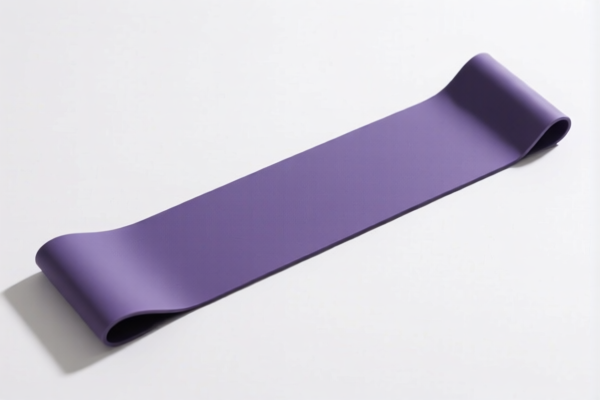
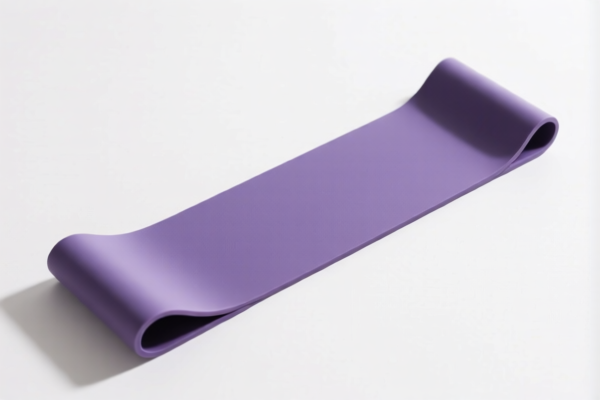
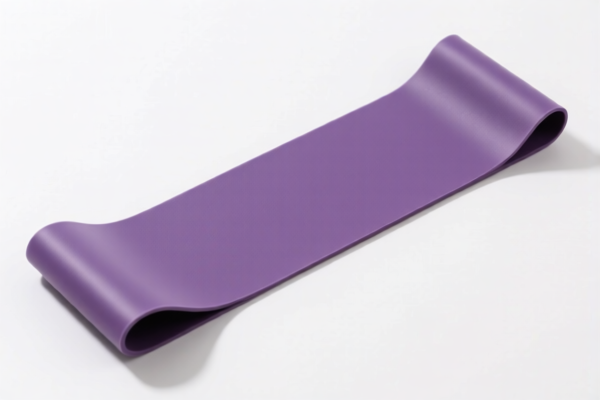

AI Analysis
🧘♀️ Yoga Resistance Bands (Yoga Straps)
🌐 HS Code Reference & Customs Clearance Guide | 2026 Latest Tariff Analysis | Professional Clearance Strategy
📌 I. Product Definition & Classification: Do You Really Understand "Yoga Bands"?
Yoga resistance bands are essential fitness accessories used for stretching, flexibility training, and strength resistance. In international trade, their classification depends strictly on the material composition and physical form. They are generally categorized into two main groups:
Textile/Elastic Bands (Fabric-based): Made from woven cotton, polyester, nylon, or elastic materials. These fall under Chapter 56 (Wadding, felt and nonwovens; special yarns; twine, cordage, rope and articles thereof).
Plastic/Synthetic Bands (Material-based): Made from rubber, TPE (Thermoplastic Elastomer), PVC, or other synthetic polymers. These fall under Chapter 39 (Plastics and articles thereof) or Chapter 63 (Other made-up textile articles).
⚠️ Key Distinction Point:
- If the band is primarily woven fabric or elastic textile →归类 to Chapter 56 (e.g., 5609)
- If the band is solid plastic, rubber, or TPE (no weaving) → 归类 to Chapter 39 (e.g., 3926)
- If it resembles shoelaces or similar textile fasteners → 归类 to Chapter 63 (e.g., 6307)
📦 II. HS Code Classification Details (2026 Latest Tariff Authority Comparison)
Based on the provided data, here are the valid HS codes and their corresponding tax implications for Yoga Resistance Bands imported into the US (assuming China origin due to "Section 122" and "Section 301" references in the tax details).
| HS Code | Product Description | Material/Form Logic | Total Tax Rate | Tax Breakdown |
|---|---|---|---|---|
| 5609.00.40.00 | Woven/Elastic Bands | Classified as woven fabrics or elastic bands. Fits the material and morphological characteristics of band-like articles. | 38.9% | Base: 3.9% + Add'l: 25.0% + Sec 122: 10% |
| 3926.90.99.89 | Plastic/Synthetic Articles | Made of rubber, TPE, or fabric. Classified as plastic/synthetic material articles not specifically enumerated. | 22.8% | Base: 5.3% + Add'l: 7.5% + Sec 122: 10% |
| 3926.90.99.05 | Plastic Elastic Bands | Made of plastic, rubber, or synthetic fibers. Fits the characteristics of plastic elastic bands. | 22.8% | Base: 5.3% + Add'l: 7.5% + Sec 122: 10% |
| 5609.00.30.00 | Artificial Fiber Bands | Morphology is a band; material inferred as artificial fibers (polyester, nylon, etc.). | 39.5% | Base: 4.5% + Add'l: 25.0% + Sec 122: 10% |
| 6307.90.50.20 | Other Made-up Articles (Shoelace-like) | Classified as corset laces, shoelaces, or similar. Material: Polyester, rubber, nylon (non-cotton). | 17.5% | Base: 0.0% + Add'l: 7.5% + Sec 122: 10% |
🔍 Key Reminder:
- Material is King: If it's woven fabric (like a belt), it likely falls under 5609. If it's solid rubber/TPE, it falls under 3926. - The "Shoelace" Loophole: If the band is thin, textile-based, and functionally similar to a tie or lace, 6307.90.50.20 offers the lowest tax burden (17.5%), but strict morphological evidence is required.
💰 III. 2026 Latest Tariff Rate Detail (Including Surcharges & Policy Add-ons)
✅ Applicable Country: United States (US)
✅ Origin: China (CN) (Implied by Section 122 and Section 301 mentions)
✅ Effective Time: Current rates as per provided data
🎯 1. 5609.00.40.00 & 5609.00.30.00 —— Textile/Elastic Bands (High Tariff Zone)
| Item | Content |
|---|---|
| Base Tariff | 3.9% - 4.5% (MFN Rate) |
| Section 301 Add'l Tariff | +25.0% (Standard penalty for Chinese textiles/elastic bands) |
| Section 122 Tariff | +10.0% (Specific additional levy) |
| Total Rate | 38.9% - 39.5% |
| Calculation Basis | CIF Value × Total Rate |
| De Minimis Exemption | ❌ NOT Eligible |
📌 Explanation:
- Textile-based yoga bands attract the highest taxes due to the 25% Section 301 surcharge. - This category includes bands made of woven cotton, polyester, or elastic textiles.
🎯 2. 3926.90.99.89 & 3926.90.99.05 —— Plastic/Rubber/TPE Bands (Medium Tariff Zone)
| Item | Content |
|---|---|
| Base Tariff | 5.3% |
| Section 301 Add'l Tariff | +7.5% (Lower than textiles for certain plastic goods) |
| Section 122 Tariff | +10.0% |
| Total Rate | 22.8% |
| Calculation Basis | CIF Value × 22.8% |
| De Minimis Exemption | ❌ NOT Eligible |
📌 Explanation:
- Plastic (TPE, PVC) and rubber bands benefit from a lower Section 301 rate (7.5%) compared to textiles. - This is a more cost-effective classification if the product is indeed solid plastic/rubber.
🎯 3. 6307.90.50.20 —— "Shoelace-like" Textile Articles (Lowest Tariff Zone)
| Item | Content |
|---|---|
| Base Tariff | 0.0% (Duty-free base for this specific subheading) |
| Section 301 Add'l Tariff | +7.5% |
| Section 122 Tariff | +10.0% |
| Total Rate | 17.5% |
| Calculation Basis | CIF Value × 17.5% |
| De Minimis Exemption | ❌ NOT Eligible |
📌 Explanation:
- This is the most economical option. - Risk: Customs may challenge this if the band is wide, thick, or clearly a "fitness tool" rather than a "lace." You must prove the morphological similarity to shoelaces/corset laces.
🛠️ IV. Customs Clearance Practical Advice (Battle-Tested Pitfall Avoidance)
✅ 1. Documentation Checklist (All Required)
| Document | Must Provide | Explanation |
|---|---|---|
| ✅ Product Specifications | ✔️ | Material composition (% cotton, % polyester, % TPE, etc.), width, length. |
| ✅ Product Photos | ✔️ | Clear shots of texture (woven vs. solid), ends (sewn vs. glued), and usage. |
| ✅ Commercial Invoice | ✔️ | Accurate description. Avoid vague terms like "Yoga Equipment." Use specific material descriptions. |
| ✅ Packing List | ✔️ | Weight and dimensions. |
| ✅ Origin Certificate | ✔️ | Proof of China origin (triggers tariffs). |
| ✅ Material Test Report | ✔️ | To confirm if it's woven textile or solid polymer. |
✅ 2. Declaration Strategies (Critical Tips)
🔥 “Material Dictates Code, Morphology Dictates Tax!”
| Scenario | Recommended HS Code | Why? |
|---|---|---|
| Woven Fabric Band (e.g., Cotton/Polyester blend) | 5609.00.40.00 or 5609.00.30.00 |
Fits "Woven/Elastic Band" definition. |
| Solid TPE/Rubber Loop | 3926.90.99.05 or 3926.90.99.89 |
Fits "Plastic/Synthetic Article." |
| Thin Textile Strap (Resembles Lace) | 6307.90.50.20 |
Best for cost, but must justify "lace-like" form. |
| Wide Gym Belt | 5609.00.40.00 |
Usually classified as elastic band/belt, not lace. |
✅ 3. Special Considerations
| Situation | Handling Advice |
|---|---|
| Mixed Material Bands | If a band has a plastic buckle but a fabric strap, the material determining the essential character usually dictates the code. For yoga bands, the strap itself is key. |
| "Section 122" Impact | Note that ALL codes in the data include a 10% Section 122 tariff. This is a non-negotiable additional levy for certain categories of Chinese imports. Do not ignore this. |
| De Minimis (Section 321) | ❌ Not Applicable. Yoga bands are not eligible for the $800 de minimis exemption due to the nature of goods and/or trade policies. Full duty must be paid. |
🌍 V. Global Market Comparison (2026 Outlook)
| Country/Region | Recommended HS Code | Est. Tariff (China Origin) | Certification | Notes |
|---|---|---|---|---|
| 🇺🇸 USA | 6307.90.50.20 (Preferred) |
17.5% | N/A | Lowest tax. 5609 is 39%. |
| 🇪🇺 EU | 6307.90 or 5609 |
~0-12% | CE (if safety gear) | Prefer textile codes. |
| 🇨🇳 China | 6307.90.90.90 |
0-5% | N/A | Low import duty, but check consumption tax. |
| 🇬🇧 UK | 6307.90 |
0-12% | UKCA | Post-Brexit rules apply. |
📌 Conclusion:
- The USA is the most tariff-sensitive market due to Section 301 and Section 122. - Strategic Goal: If the product morphology allows, classify under 6307.90.50.20 to save ~21.4% compared to textile bands and ~5.3% compared to plastic bands.
📌 VI. Common Errors & Pitfalls (Lessons Learned)
❌ Mistake 1: Classifying a woven cotton band as 3926 (Plastic)
👉 Consequence: Customs rejects the declaration, demanding 5609. You pay 38.9% instead of potentially 17.5%. Penalty + Delay.
❌ Mistake 2: Classifying a solid TPE band as 5609 (Textile)
👉 Consequence: Overpayment. You pay 39% instead of 22.8%. Unnecessary cost.
❌ Mistake 3: Ignoring Section 122 (10%)
👉 Consequence: Under-declaration. Customs audit reveals unpaid 10% surcharge. Back taxes + Interest.
❌ Mistake 4: Assuming De Minimis applies
👉 Consequence: Package held by CBP. Seizure or return to sender because goods are not exempt.
✅ Correct Approach:
“Yoga Strap, 100% Polyester Woven, 25mm Width, 2.5m Length. Designed for stretching. Not a garment.”
🎯 VII. Conclusion: Professional Declaration, Cost Optimization!
🎯 Remember the Golden Rules:
🔹 “Fabric? Check 5609. Plastic? Check 3926. Lace-like? Try 6307.”
🔹 “Section 122 is Always On: +10%.”
🔹 “De Minimis is Dead for This Item: Pay Full Duty.”
📌 Pro Tip:
If you are shipping small quantities (e.g., samples) and can prove the item is not eligible for de minimis, ensure you have the correct HS Code pre-confirmed.
For large volumes, consider Advance Rulings from US CBP to lock in the 17.5% rate for 6307.90.50.20 if your product design allows it.
📣 Immediate Action:
📞 Contact your customs broker.
📸 Send photos of the band’s texture and ends.
📄 Request an HS Code Pre-Ruling for6307.90.50.20if applicable to save thousands in duties.
✨ Professional Clearance Starts with Precise Classification!
💼 Every Percent of Duty Saved is Profit Added!
Customer Reviews
About HS Code Classification
The Harmonized System (HS) is an internationally standardized nomenclature developed by the World Customs Organization (WCO) to classify traded products. Over 200 countries use the HS system as the basis for customs tariffs, trade statistics, and import/export regulations.
Each HS code follows a hierarchical structure:
- Chapter (2 digits) — Broad category of goods (e.g., Chapter 84: Machinery and Mechanical Appliances)
- Heading (4 digits) — More specific grouping within the chapter
- Subheading (6 digits) — Internationally standardized breakdown, used by all WCO member countries
- National subdivisions (8-10 digits) — Country-specific extensions for further classification, such as US HTSUS 10-digit codes
Correct HS code classification is essential for smooth customs clearance, accurate duty payment, and compliance with trade regulations. Misclassification can lead to customs delays, overpayment of duties, or penalties.
When importing from CN to US, the applicable tariff rates may include:
- Most-Favored-Nation (MFN) rate — The standard duty rate applied to WTO members
- General rate — Applied to countries without trade agreements
- Trade remedy duties — Additional tariffs such as Section 301 (anti-dumping), Section 232 (national security), or countervailing duties
The information provided on this page is for reference purposes only. For official classification, please consult with your local customs authority or a licensed customs broker.