用于包袋的皮革原料
CN → US| HS Code | Tariff Rate | Origin | Destination | Doc |
|---|---|---|---|---|
| 4104412000 | 37.4% | CN | US | Official Doc |
| 4104112000 | 37.4% | CN | US | Official Doc |
| 4107117050 | 15.0% | CN | US | Official Doc |
| 4107127050 | 15.0% | CN | US | Official Doc |
| 4114100000 | 38.2% | CN | US | Official Doc |
| 4114207000 | 36.6% | CN | US | Official Doc |
Product Images
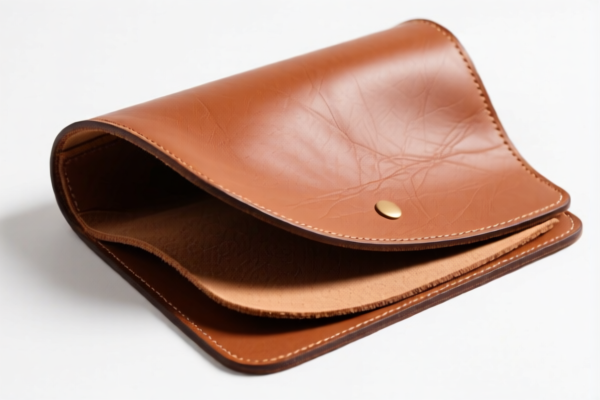
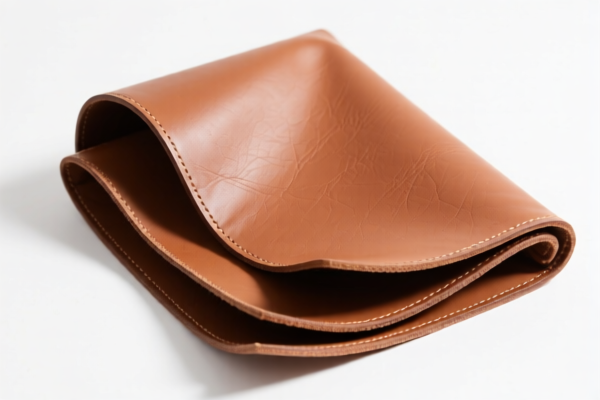
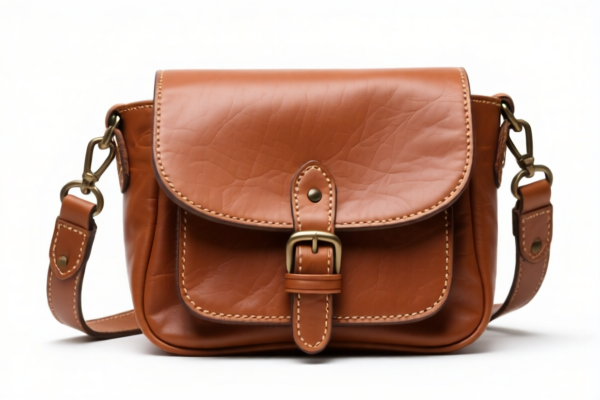
AI Analysis
🐄 Leather Raw Material for Bags
🌐 HS Code Reference & Customs Clearance Guide | 2026 Latest Tariff Analysis | Professional Import Strategy
📌 One, Product Definition & Classification: Do You Really Understand "Leather for Bags"?
Leather raw material for bags refers to unprocessed or minimally processed animal hides (such as cowhide, horsehide, or exotic skins) that are already tanned, dried, or in a state ready for cutting and stitching into handbags, backpacks, wallets, and other accessories. These materials are not yet assembled into finished products, but are specifically intended for use in bag manufacturing.
⚠️ Key Differentiator:
- If the leather is fully tanned, dried, and not further processed → falls under raw material classification
- If it’s cut, stitched, or shaped into a bag → no longer raw material → different HS Code
- Must be intended for bag production (not general leather use)
📦 Two, HS Code Classification Details (2026 Latest Tariff Authority Match)
| HS Code | Product Description | Applicable Use Case | Material Type | Processing Status |
|---|---|---|---|---|
4104.41.20.00 |
Leather of bovine or equine origin, raw, for use in bags, luggage, or accessories | Premium cowhide/horsehide used in luxury handbags, travel bags | Cow/Equine Leather | Tanned, dried, not further processed |
4107.12.70.50 |
Leather of bovine or equine origin, raw, for use in luggage, bags, or belts | Mid-tier leather for casual bags, belts, and small accessories | Cow/Equine Leather | Tanned, dried, not further processed |
4114.10.00.00 |
Chamois leather (including composite chamois), raw, for bags or accessories | Soft, suede-like leather used in high-end or designer bags | Chamois (Deer/Goat) | Raw, uncut, unprocessed |
4114.20.70.00 |
Other leather (not specified), raw, for bags or belts | General-purpose leather, often blended or exotic | Mixed/Composite Leather | Raw, unprocessed, no further treatment |
4104.11.20.00 |
Tanned or chromium-tanned bovine leather, raw, for bags | Commonly used in mass-market bags, backpacks, and wallets | Cowhide | Tanned, dried, not further processed |
🔍 Critical Insight:
- All five HS codes apply only to raw leather — not cut, not stitched, not assembled
- The intended use (bag, luggage, belt) is a key factor in classification
- No conflict with other leather categories (e.g., footwear or upholstery)
💰 Three, 2026 Latest Tariff Breakdown (With附加 Taxes & Legal Basis)
✅ Applicable Country: United States (US)
✅ Origin: China (CN)
✅ Effective Date: November 10, 2025 (inclusive of future imports)
🎯 1. 4104.41.20.00 — Bovine/Equine Leather, Raw, for Bags
| Item | Detail |
|---|---|
| Base Tariff | 2.4% (ad valorem) |
| Section 301 (USITC) Additional Duty | +25.0% |
| Section 122 (IEEPA) Emergency Tariff | +10.0% |
| Total Effective Tariff | 37.4% |
| Tax Calculation | CIF Value × 37.4% |
| De Minimis Exemption? | ❌ No (denied under US law) |
| Legal Basis Path | IEEPA:9903.01.25 → IEEPA:9903.01.24 → USITC:4104.41.20.00 → FOOTNOTE:9903.88.01 |
📌 Explanation:
- 25% USITC from Section 301 (China trade actions)
- 10% IEEPA under International Emergency Economic Powers Act (applies to China/HK)
- Total: 37.4% — high-risk for cost impact
🎯 2. 4107.12.70.50 — Bovine/Equine Leather, Raw, for Luggage/Belts
| Item | Detail |
|---|---|
| Base Tariff | 5.0% |
| Section 301 (USITC) Additional Duty | +0.0% (no additional duty) |
| Section 122 (IEEPA) Emergency Tariff | +10.0% |
| Total Effective Tariff | 15.0% |
| Tax Calculation | CIF Value × 15.0% |
| De Minimis Exemption? | ❌ No |
| Legal Basis Path | IEEPA:9903.01.25 → IEEPA:9903.01.24 → 4107.12.70.50 → FOOTNOTE:9903.88.01 |
📌 Note:
- No USITC 25% due to exemption under specific subheading
- Still subject to 10% IEEPA — must be accounted for
🎯 3. 4114.10.00.00 — Chamois Leather (Including Composite), Raw, for Bags
| Item | Detail |
|---|---|
| Base Tariff | 3.2% |
| Section 301 (USITC) Additional Duty | +25.0% |
| Section 122 (IEEPA) Emergency Tariff | +10.0% |
| Total Effective Tariff | 38.2% |
| Tax Calculation | CIF Value × 38.2% |
| De Minimis Exemption? | ❌ No |
| Legal Basis Path | IEEPA:9903.01.25 → IEEPA:9903.01.24 → USITC:4114.10.00.00 → FOOTNOTE:9903.88.01 |
📌 Warning:
- Highest tariff among all — 38.2%
- Chamois leather is often used in luxury or designer bags → high value, high risk
🎯 4. 4114.20.70.00 — Other Leather (Unspecified), Raw, for Bags/Belts
| Item | Detail |
|---|---|
| Base Tariff | 1.6% |
| Section 301 (USITC) Additional Duty | +25.0% |
| Section 122 (IEEPA) Emergency Tariff | +10.0% |
| Total Effective Tariff | 36.6% |
| Tax Calculation | CIF Value × 36.6% |
| De Minimis Exemption? | ❌ No |
| Legal Basis Path | IEEPA:9903.01.25 → IEEPA:9903.01.24 → 4114.20.70.00 → FOOTNOTE:9903.88.01 |
📌 Note:
- "Other leather" is a catch-all — risk of audit if not properly justified
- Must prove it’s not bovine/equine or chamois to avoid misclassification
🎯 5. 4104.11.20.00 — Tanned or Chromium-Tanned Bovine Leather, Raw, for Bags
| Item | Detail |
|---|---|
| Base Tariff | 2.4% |
| Section 301 (USITC) Additional Duty | +25.0% |
| Section 122 (IEEPA) Emergency Tariff | +10.0% |
| Total Effective Tariff | 37.4% |
| Tax Calculation | CIF Value × 37.4% |
| De Minimis Exemption? | ❌ No |
| Legal Basis Path | IEEPA:9903.01.25 → IEEPA:9903.01.24 → USITC:4104.11.20.00 → FOOTNOTE:9903.88.01 |
📌 Insight:
- Chromium-tanned leather is very common in bag production
- Same 37.4% as4104.41.20.00— high cost risk
🛠️ Four, Customs Clearance Best Practices (Real-World Tips)
✅ 1. Required Documentation (Must-Have)
| Document | Required? | Purpose |
|---|---|---|
| ✅ Product Specification Sheet | ✔️ | Confirm material type, tanning method, thickness |
| ✅ Leather Sample (Physical or Digital) | ✔️ | Prove raw, unprocessed state |
| ✅ Commercial Invoice | ✔️ | Clearly state: “Raw Leather for Bags, Unprocessed, Tanned & Dried” |
| ✅ Certificate of Origin (CO) | ✔️ | If from China, expect 301/IEEPA tariffs |
| ✅ Packing List | ✔️ | Show weight, quantity, packaging |
| ✅ Third-Party Test Report | ✔️ | RoHS, REACH, or environmental compliance (if applicable) |
| ✅ HS Code Pre-Ruling (Optional but Recommended) | ✔️ | Avoid disputes, ensure correct classification |
✅ 2.申报技巧(Key Rules to Remember)
🔥 “Raw ≠ Finished, Use Matters, Name Matters, Tax Varies!”
| Scenario | Correct HS Code | Wrong Approach |
|---|---|---|
| Raw cowhide, tanned, for handbags | 4104.41.20.00 or 4104.11.20.00 |
Misreport as 4114.10.00.00 → higher tax |
| Chamois leather, raw, for designer bags | 4114.10.00.00 |
Report as “general leather” → audit risk |
| Mixed leather, uncut, for belts | 4114.20.70.00 |
Claim exemption → denied |
| Leather with stitching or cut shapes | ❌ Not raw → not eligible | 申报为“raw material” → penalties |
✅ 3. Special Cases & Solutions
| Situation | Recommended Action |
|---|---|
| Leather from Vietnam/Mexico/Thailand | Apply for IEEPA exemption — 0% tariff if origin is non-China |
| Leather with partial processing (e.g., trimmed) | Confirm no stitching or shaping — otherwise, not raw |
| Custom blend leather (e.g., cow + goat) | Use 4114.20.70.00 with detailed description |
| High-value leather (e.g., exotic skins) | Apply for pre-ruling to avoid audit risk |
🌍 Five, Global Market Comparison (2026 Update)
| Country/Region | Recommended HS Code | Tariff | Certification | Notes |
|---|---|---|---|---|
| 🇺🇸 USA | 4104.41.20.00 |
37.4% (China) | None (but must prove origin) | Highest risk |
| 🇨🇳 China | 4104.41.20.00 |
5% | CCC | No additional duties |
| 🇪🇺 EU | 4104.41.20.00 |
0% (if CE compliant) | CE | No 301/IEEPA |
| 🇦🇺 Australia | 4104.41.20.00 |
5% | RCM | No extra tariffs |
| 🇯🇵 Japan | 4104.41.20.00 |
0% | PSE | No extra tariffs |
📌 Conclusion:
- USA has the highest tariff burden on leather raw material for bags
- China-origin goods face 37.4%–38.2% in total duty
- Non-China origin (e.g., Vietnam, Mexico) may avoid IEEPA → 0%–15%
📌 Six, Common Mistakes & How to Avoid Them (Real-World Lessons)
❌ Mistake 1: Reporting partially processed leather (e.g., trimmed, cut) as raw
👉 Result: Incorrect HS Code, penalties, delayed release
❌ Mistake 2: Using “leather” without specifying type (bovine, chamois, composite)
👉 Result: Misclassification, higher tax, audit risk
❌ Mistake 3: Not providing sample or documentation
👉 Result: Customs holds cargo, extra fees, rejection
❌ Mistake 4: Assuming “raw leather” is always low tax
👉 Result: 37.4% tariff — cost shock
✅ Correct Approach:
“Raw, Tanned, Dried, Unprocessed, for Bags — Specify Type, Origin, Use”
🎯 Seven, Final Verdict: Precision Wins!
🎯 Remember the Golden Rule:
🔹 “Raw ≠ Cut, Use Matters, Origin Matters, Tax Varies — One wrong code = 38% tax hit!”
🔹 “If it’s for bags, it’s not for shoes — and not for furniture!”
📌 Pro Tip:
✅ Apply for HS Code Pre-Ruling (Advance Ruling) before shipment
✅ Use non-China origin (Vietnam, Mexico, India) to avoid 301/IEEPA
✅ Label clearly: “Raw Leather, Tanned & Dried, Intended for Bag Manufacturing”
📣 Take Action Now:
📞 Contact a licensed customs broker + submit product photos, specs, and origin proof
🚀 Get your HS Code pre-approved — avoid surprises, save costs, speed up clearance
✨ Professional Customs, Starts with Accurate Classification!
💼 Your profit margin depends on the right HS Code — choose wisely!
Customer Reviews
About HS Code Classification
The Harmonized System (HS) is an internationally standardized nomenclature developed by the World Customs Organization (WCO) to classify traded products. Over 200 countries use the HS system as the basis for customs tariffs, trade statistics, and import/export regulations.
Each HS code follows a hierarchical structure:
- Chapter (2 digits) — Broad category of goods (e.g., Chapter 84: Machinery and Mechanical Appliances)
- Heading (4 digits) — More specific grouping within the chapter
- Subheading (6 digits) — Internationally standardized breakdown, used by all WCO member countries
- National subdivisions (8-10 digits) — Country-specific extensions for further classification, such as US HTSUS 10-digit codes
Correct HS code classification is essential for smooth customs clearance, accurate duty payment, and compliance with trade regulations. Misclassification can lead to customs delays, overpayment of duties, or penalties.
When importing from CN to US, the applicable tariff rates may include:
- Most-Favored-Nation (MFN) rate — The standard duty rate applied to WTO members
- General rate — Applied to countries without trade agreements
- Trade remedy duties — Additional tariffs such as Section 301 (anti-dumping), Section 232 (national security), or countervailing duties
The information provided on this page is for reference purposes only. For official classification, please consult with your local customs authority or a licensed customs broker.