用于家具的冷杉木
CN → US| HS Code | Tariff Rate | Origin | Destination | Doc |
|---|---|---|---|---|
| 4418999195 | 38.2% | CN | US | Official Doc |
| 4407120059 | 35.0% | CN | US | Official Doc |
| 4403230142 | 35.0% | CN | US | Official Doc |
| 4407120058 | 35.0% | CN | US | Official Doc |
| 4403240142 | 35.0% | CN | US | Official Doc |
Product Images
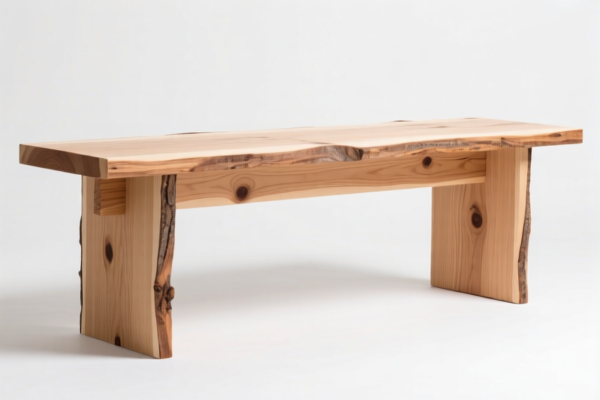
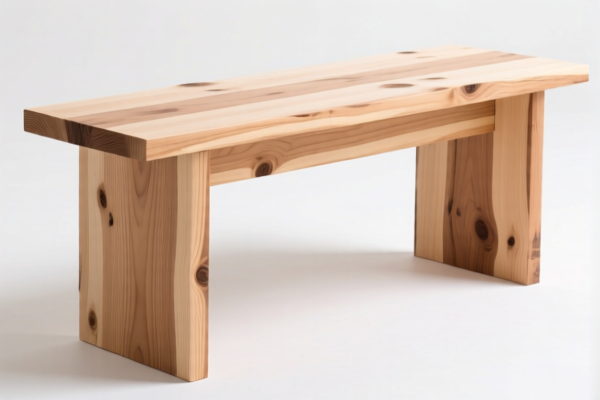
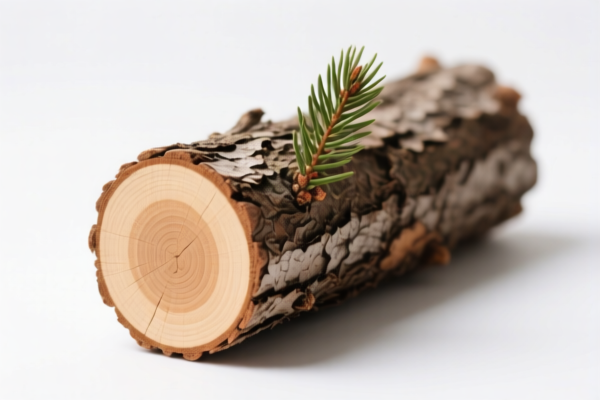
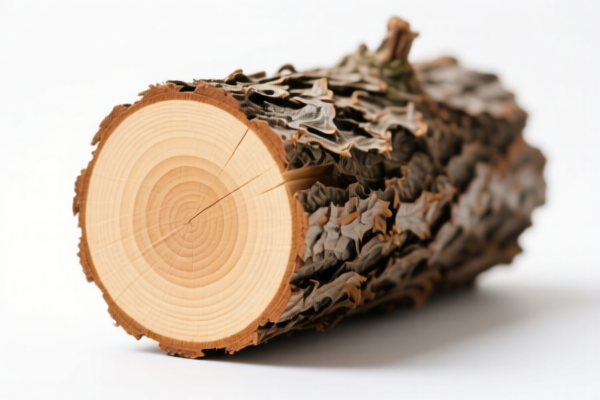
AI Analysis
🌲 Solid Spruce Wood for Furniture Use
🌐 HS Code Reference & Customs Clearance Guide | 2026 Latest Tariff Analysis | Professional Clearance Strategy
📌 I. Product Definition & Classification: Do You Really Understand "Spruce Wood"?
Spruce wood (冷杉木), primarily sourced from coniferous trees, is a staple material in the furniture manufacturing industry. It is valued for its light weight, straight grain, and ease of processing. In international trade, how this wood is classified depends entirely on its processing state and intended use.
It is generally categorized into three main stages:
- Raw/Primary Processed Wood: Logs, rough-sawn planks, or slices that have not yet been formed into final furniture parts. These fall under Chapters 4403 (Wood treated/processed) or 4407 (Wood sawn/chipped).
- Finished/semi-Finished Furniture Parts: Wood that has been further processed specifically for assembly into furniture. These fall under Chapter 4418 (Builders' joinery/carpentry) or related furniture parts.
⚠️ Key Distinction Point:
- If the wood is sliced, sawn, or roughly shaped but not yet a specific furniture component → Classify under 4407 or 4403.
- If the wood is prepared specifically for furniture assembly (e.g., joints cut, specific dimensions for furniture) → Classify under 4418.
📦 II. HS Code Classification Details (2026 Latest Tariff Authority Comparison)
| HS Code | Product Description | Applicable Scenario | Processing State |
|---|---|---|---|
4407.12.00.58 |
Spruce wood, sawn/chipped, for furniture use | Primary processed wood; conforms to sawn/chipped primary morphology. | ✅ Primary (Sawn/Chipped) |
4403.24.01.42 |
Spruce wood, for furniture use | Inferred as primary processed wood, consistent with logs/wood categories. | ✅ Primary (Treated/Log) |
4418.99.91.95 |
Spruce wood, for furniture use | Morphology/Use fits furniture purpose; conforms to building/carpentry products category. | ❌ Semi-Finished (Furniture Part) |
4407.12.00.59 |
Spruce wood, for furniture use | Conforms to coniferous features; use is furniture, belongs to wood processing field. | ✅ Primary (Sawn/Chipped) |
4403.23.01.42 |
Spruce wood, for furniture use | Belongs to log/wood category; conforms to description of other spruce woods. | ✅ Primary (Treated/Log) |
🔍 Key Reminder:
- "Spruce" (冷杉) is a type of coniferous wood. In HS Code terms, it often falls under subheadings like4407.12or4403.24/4403.23depending on the specific species classification and treatment.
- The tax burden varies significantly based on whether you classify it as4407/4403(Primary Processing) or4418(Furniture Part).
💰 III. 2026 Latest Tariff Rate Details (Including Surcharges & Policy Additions)
✅ Applicable Country: United States (US)
✅ Origin: China (CN)
✅ Effective Time: Current rates include 301 Tariffs and Section 301/122 Clauses.
🎯 1. 4407.12.00.58 & 4407.12.00.59 —— Sawn Spruce Wood (Primary Processing)
| Item | Content |
|---|---|
| Base Tariff | 0.0% (Ad Valorem) |
| Section 301 Surcharge | +25.0% |
| Section 122 Clause Tariff | +10.0% |
| Total Tax Rate | 35.0% |
| Tax Calculation | CIF Value × 35% |
| De Minimis Exemption | ❌ Not Eligible (Deny De Minimis) |
| Legal Basis Path | Section 301: 8802.01.21 → Section 122: 9903.01.24 → USITC: 4407.12.00.58/59 |
📌 Explanation:
- These codes represent wood that has been sawn or chipped. While the base tariff is low (0%), the 35% total effective rate is heavy due to the 25% Section 301 duty and 10% Section 122 clause.
- This classification is for wood that is ready for further manufacturing but not yet a final furniture part.
🎯 2. 4403.24.01.42 & 4403.23.01.42 —— Treated/Log Spruce Wood (Primary Wood Category)
| Item | Content |
|---|---|
| Base Tariff | 0.0% |
| Section 301 Surcharge | +25.0% |
| Section 122 Clause Tariff | +10.0% |
| Total Tax Rate | 35.0% |
| Tax Calculation | CIF Value × 35% |
| De Minimis Exemption | ❌ Not Eligible |
| Legal Basis Path | Section 301: 8802.01.21 → Section 122: 9903.01.24 → USITC: 4403.24.01.42 / 4403.23.01.42 |
📌 Note:
- Similar to the sawn wood, these codes cover wood that is treated, painted, or in log form.
- Even if intended for furniture, if it is shipped as "logs" or "rough-sawn timber," it falls here.
- Total Rate: 35%. High cost due to combined tariffs.
🎯 3. 4418.99.91.95 —— Spruce Wood for Furniture (Carpentry/Builders' Joinery)
| Item | Content |
|---|---|
| Base Tariff | 3.2% |
| Section 301 Surcharge | +25.0% |
| Section 122 Clause Tariff | +10.0% |
| Total Tax Rate | 38.2% |
| Tax Calculation | CIF Value × 38.2% |
| De Minimis Exemption | ❌ Not Eligible |
| Legal Basis Path | Section 301: 8802.01.21 → Section 122: 9903.01.24 → USITC: 4418.99.91.95 |
📌 Critical Insight:
- This code is for wood specifically prepared for furniture.
- Surprisingly, the rate is higher (38.2%) than primary processing (35.0%) because the base tariff is 3.2% instead of 0%.
- The 35% surcharge is added on top of the base.
- Risk: Misclassifying a primary wood piece as a "furniture part" here will increase your tax bill from 35% to 38.2%.
🛠️ IV. Customs Clearance Practical Advice (Avoiding Pitfalls)
✅ 1. Document Checklist (Must-Provide)
| Document | Required | Description |
|---|---|---|
| ✅ Commercial Invoice | ✔️ | Clearly state "Spruce Wood for Furniture Use" and specify HS Code. |
| ✅ Packing List | ✔️ | Detail dimensions, weight, and quantity. |
| ✅ Certificate of Origin | ✔️ | Essential for verifying origin (China) and applying tariffs correctly. |
| ✅ Phytosanitary Certificate | ✔️ | Mandatory for all wood products to prove pest-free status. |
| ✅ FSC/PEFC Certificate | ✔️ | Recommended for sustainable forestry compliance, may aid in customs scrutiny. |
| ✅ Product Description | ✔️ | Specify if it is "Sawn," "Log," or "Prepared for Furniture." |
✅ 2. Declaration Tips (Key Mantras)
🔥 "Know the State, Choose the Code, Base Rate Matters, Total Tax Drops!"
| Scenario | Correct HS Code | Incorrect Action | Consequence |
|---|---|---|---|
| Raw/Sawn Spruce Planks | 4407.12.00.58 / 4407.12.00.59 |
Declare as 4418.99.91.95 |
Pays 38.2% instead of 35% (Higher Cost) |
| Logs/Treated Wood | 4403.24.01.42 / 4403.23.01.42 |
Declare as 4418.99.91.95 |
Pays 38.2% instead of 35% (Higher Cost) |
| Furniture Parts (Joints Cut) | 4418.99.91.95 |
Declare as 4407 |
Risk of Re-classification & Penalty |
✅ 3. Special Case Handling
| Scenario | Handling Advice |
|---|---|
| Mixed Shipment | If the shipment contains both raw lumber and finished furniture parts, declare separately. Do not mix codes. |
| Phytosanitary Issues | Ensure the wood is kiln-dried and has a valid IPPC mark. Without this, the cargo will be detained or destroyed. |
| Value Declaration | Ensure the CIF value is accurate. Under-declaring to reduce 35% tax leads to severe penalties. |
| Section 122 Clause | This 10% tax is specific to certain countries of origin/transit. Verify if your shipment qualifies for any exemptions (rare for China origin). |
🌍 V. Global Market Comparison (2026 Latest)
| Country/Region | Recommended HS Code | Total Tariff Rate (China Origin) | Certification Requirements | Notes |
|---|---|---|---|---|
| 🇺🇸 USA | 4407.12.00.58 / 4418.99.91.95 |
35.0% - 38.2% | FSC/PEFC, Phytosanitary | High tariffs due to 301/122 clauses. |
| 🇨🇳 China | 4407.12.00.58 / 4418.99.91.95 |
20.0% - 24.0% | N/A | Lower base rates, no 301/122 surcharges. |
| 🇪🇺 EU | 4407.12.00 / 4418.99 |
0% - 3.5% | FSC/PEFC, EUTR | No major surcharges, but strict environmental laws. |
| 🇯🇵 Japan | 4407.12.00 / 4418.99 |
0% - 2.5% | Phytosanitary | Low tariffs, but strict quality checks. |
📌 Conclusion:
- USA has the highest entry barrier due to 35-38.2% total tariffs.
- EU and Japan are more tariff-friendly but have strict environmental and phytosanitary regulations.
📌 VI. Common Mistakes & Pitfalls (Lessons Learned)
❌ Mistake 1: Declaring "Furniture Parts" when the wood is just "Sawn Planks"
👉 Consequence: You pay 38.2% instead of 35%. Small difference, but unnecessary cost.
❌ Mistake 2: Ignoring the Phytosanitary Certificate
👉 Consequence: Cargo detained at US port. Additional storage fees, potential destruction.
❌ Mistake 3: Using "Wood" as a generic description on the Invoice
👉 Consequence: Customs officer may re-classify, leading to delays and audits.
❌ Mistake 4: Assuming "De Minimis" applies
👉 Consequence: Wood products from China do not qualify for de minimis exemption under current rules. Full taxation applies.
✅ Correct Action:
"Spruce Wood, Sawn, For Furniture Use, Kiln-Dried, FSC Certified, Model: SP-100, HS Code: 4407.12.00.58"
🎯 VII. Conclusion: Professional Classification, Cost Optimization!
🎯 Remember the Mantra:
🔹 "Primary Wood = 0% Base → 35% Total"
🔹 "Furniture Part = 3.2% Base → 38.2% Total"
🔹 "Phytosanitary Certificate is a Must, No Exemption for China Wood!"
📌 Pro Tip:
If your spruce wood is sourced from non-China countries (e.g., Canada, Russia, European countries), you may avoid the Section 301 and 122 surcharges, potentially reducing the total tax to the base rate only (0-3.2%).
Strategy: Consider supply chain diversification to mitigate US tariff risks.
📣 Immediate Action:
📞 Contact your customs broker to verify the exact processing state of your wood.
🚀 Ensure Phytosanitary Certificates are in order before shipment.
💡 Accurate classification saves money and time!
✨ Professional Clearance, Starting with Accurate Classification!
💼 Your every dollar of cost deserves precise calculation!
Customer Reviews
About HS Code Classification
The Harmonized System (HS) is an internationally standardized nomenclature developed by the World Customs Organization (WCO) to classify traded products. Over 200 countries use the HS system as the basis for customs tariffs, trade statistics, and import/export regulations.
Each HS code follows a hierarchical structure:
- Chapter (2 digits) — Broad category of goods (e.g., Chapter 84: Machinery and Mechanical Appliances)
- Heading (4 digits) — More specific grouping within the chapter
- Subheading (6 digits) — Internationally standardized breakdown, used by all WCO member countries
- National subdivisions (8-10 digits) — Country-specific extensions for further classification, such as US HTSUS 10-digit codes
Correct HS code classification is essential for smooth customs clearance, accurate duty payment, and compliance with trade regulations. Misclassification can lead to customs delays, overpayment of duties, or penalties.
When importing from CN to US, the applicable tariff rates may include:
- Most-Favored-Nation (MFN) rate — The standard duty rate applied to WTO members
- General rate — Applied to countries without trade agreements
- Trade remedy duties — Additional tariffs such as Section 301 (anti-dumping), Section 232 (national security), or countervailing duties
The information provided on this page is for reference purposes only. For official classification, please consult with your local customs authority or a licensed customs broker.