用于家纺的平纹布
CN → US| HS Code | Tariff Rate | Origin | Destination | Doc |
|---|---|---|---|---|
| 5208112020 | 42.0% | CN | US | Official Doc |
| 5208114020 | 44.0% | CN | US | Official Doc |
| 5210316020 | 47.2% | CN | US | Official Doc |
| 5309293055 | 35.0% | CN | US | Official Doc |
| 5309213055 | 41.9% | CN | US | Official Doc |
Product Images
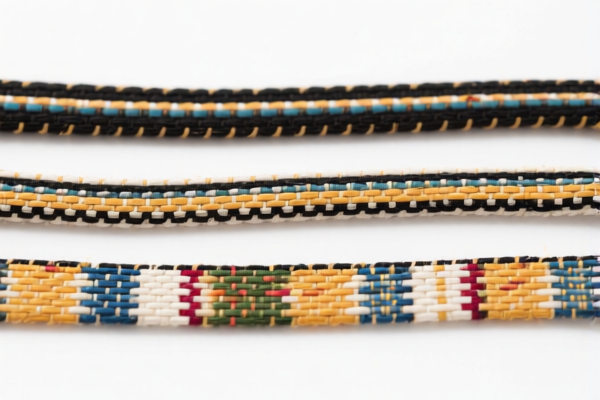
AI Analysis
🛏️ Plain Weave Fabric for Home Textiles (Bedding, Curtains, Upholstery)
🌐 HS Code Reference & Customs Clearance Guide | 2026 Updated Tariff Analysis | Pro-Level Import Strategy
📌 One, Product Definition & Classification: What Exactly Is "Plain Weave Fabric for Home Use"?
Plain weave fabric is a fundamental textile structure characterized by its simple over-one, under-one interlacing pattern. In the home textile sector, this includes:
- Cotton or cotton-blend fabrics used in bed sheets, pillowcases, duvets, and comforters
- Linen-like fabrics (not pure linen) for curtains, tablecloths, and decorative upholstery
- Fine plain weaves with a crisp, smooth finish — often referred to as chambray, poplin, or crash in trade terms
⚠️ Key Differentiator:
- If the fabric is plain weave, not knitted, and used in home furnishings → must be assessed under HS Code 5208–5309 series
- Not for clothing (those fall under 60–62), nor for industrial use (68–70)
📦 Two, HS Code Classification Breakdown (2026 Latest Tariff Authority Match)
| HS Code | Product Description | Applicable Use Case | Fiber Composition | Tax Rate |
|---|---|---|---|---|
5309.21.30.55 |
Plain weave fabric, not specified fiber, but matches poplin or fine plain weave structure | Bed sheets, curtains, lightweight upholstery | Unspecified (may contain cotton, synthetic, or blend) | 41.9% |
5309.29.30.55 |
Plain weave fabric, contains cotton + man-made fibers, not pure linen | Linen-look curtains, table linens, decorative drapes | Cotton + synthetic (e.g., polyester, rayon) | 35.0% |
5210.31.60.20 |
Plain weave cotton fabric, directly matches plain weave + fine fabric | High-end bed linens, luxury sheets, duvet covers | 100% cotton | 47.2% |
5208.11.40.20 |
Cotton plain weave fabric, no material conflict, used in home textiles | Bedding, pillowcases, lightweight curtains | 100% cotton | 44.0% |
5208.11.20.20 |
Cotton plain weave fabric, plain weave structure + fabric form | General home use: sheets, curtains, upholstery | 100% cotton | 42.0% |
🔍 Critical Insight:
- Same physical product (e.g., a 100% cotton plain weave sheet) can fall under different HS Codes based on fiber composition, weave structure, and intended use
- "Not specified fiber" (5309.21.30.55) is riskier — may trigger higher scrutiny and higher tax if later proven to contain synthetics
- "Cotton + man-made" (5309.29.30.55) has lower base tariff but still faces 25% + 10% additional duties
💰 Three, 2026 Updated Tariff Breakdown (With Full Duty Clause Explanation)
✅ Applicable Country: United States (US)
✅ Origin: China (CN)
✅ Effective Date: November 10, 2025 (and onward)
🎯 1. 5309.21.30.55 — Plain Weave Fabric (Unspecified Fiber)
| Item | Detail |
|---|---|
| Base Tariff | 6.9% (ad valorem) |
| Section 301 (USITC) Additional Duty | +25.0% (from USITC Footnote 9903.88.01) |
| Section 122 (IEEPA) Emergency Duty | +10.0% (under IEEPA: 9903.01.24) |
| Total Effective Duty | 41.9% |
| Tax Calculation | CIF Value × 41.9% |
| De Minimis Threshold | ❌ Not eligible (denied under US law) |
| Legal Pathway | IEEPA:9903.01.24 → USITC:9903.88.01 → HS:5309.21.30.55 |
📌 Explanation:
- Despite "unspecified fiber", U.S. Customs may assume synthetic content due to China origin
- No fiber test data? → High risk of underpayment and penalties
- Best practice: Provide fiber test report to justify classification
🎯 2. 5309.29.30.55 — Plain Weave, Cotton + Man-Made Fiber (Non-Pure Linen)
| Item | Detail |
|---|---|
| Base Tariff | 0.0% |
| Section 301 (USITC) Additional Duty | +25.0% |
| Section 122 (IEEPA) Emergency Duty | +10.0% |
| Total Effective Duty | 35.0% |
| Tax Calculation | CIF × 35.0% |
| De Minimis Threshold | ❌ Not eligible |
| Legal Pathway | IEEPA:9903.01.24 → USITC:9903.88.01 → HS:5309.29.30.55 |
📌 Note:
- 0% base tariff is only applicable if confirmed cotton + synthetic blend
- If fabric is >50% cotton, use 5208.11.xxxx instead — lower total tax
- If misclassified as pure cotton, risk of 47.2% duty → overpayment or reassessment
🎯 3. 5210.31.60.20 — 100% Cotton Plain Weave Fabric
| Item | Detail |
|---|---|
| Base Tariff | 12.2% |
| Section 301 (USITC) Additional Duty | +25.0% |
| Section 122 (IEEPA) Emergency Duty | +10.0% |
| Total Effective Duty | 47.2% |
| Tax Calculation | CIF × 47.2% |
| De Minimis Threshold | ❌ Not eligible |
| Legal Pathway | IEEPA:9903.01.24 → USITC:9903.88.01 → HS:5210.31.60.20 |
📌 Warning:
- Highest tax rate among all five codes
- Only apply if 100% cotton is proven via lab report
- Do not use for cotton-polyester blends — risk of overpayment
🎯 4. 5208.11.40.20 — Cotton Plain Weave (No Conflict)
| Item | Detail |
|---|---|
| Base Tariff | 9.0% |
| Section 301 (USITC) Additional Duty | +25.0% |
| Section 122 (IEEPA) Emergency Duty | +10.0% |
| Total Effective Duty | 44.0% |
| Tax Calculation | CIF × 44.0% |
| De Minimis Threshold | ❌ Not eligible |
| Legal Pathway | IEEPA:9903.01.24 → USITC:9903.88.01 → HS:5208.11.40.20 |
📌 Best for:
- Cotton fabric with no synthetic content, no blend, no linen confusion
- More precise than 5210.31.60.20 → slightly lower tax
🎯 5. 5208.11.20.20 — Cotton Plain Weave (Structure + Form Match)
| Item | Detail |
|---|---|
| Base Tariff | 7.0% |
| Section 301 (USITC) Additional Duty | +25.0% |
| Section 122 (IEEPA) Emergency Duty | +10.0% |
| Total Effective Duty | 42.0% |
| Tax Calculation | CIF × 42.0% |
| De Minimis Threshold | ❌ Not eligible |
| Legal Pathway | IEEPA:9903.01.24 → USITC:9903.88.01 → HS:5208.11.20.20 |
📌 Why This Is the Most Strategic Code:
- Lowest base tariff (7.0%) among cotton-only codes
- Best fit for plain weave cotton fabric used in home textiles
- Highly recommended if fabric is 100% cotton, no blend, no special finish
🛠️ Four, Customs Clearance Best Practices (Pro Tips to Avoid Penalties)
✅ 1. Must-Have Documentation (No Exceptions)
| Document | Required? | Purpose |
|---|---|---|
| ✅ Product Specification Sheet | ✔️ | Confirms weave, fiber, GSM, width, finish |
| ✅ Fiber Test Report (Lab Certificate) | ✔️ | Proves cotton content or blend ratio |
| ✅ High-Resolution Product Photos | ✔️ | Shows fabric texture, weave pattern, labeling |
| ✅ Commercial Invoice | ✔️ | Must state: "Plain Weave Cotton Fabric for Home Textiles" |
| ✅ Certificate of Origin (CO) | ✔️ | Critical for duty calculation (China origin = 25%+10%) |
| ✅ Packing List | ✔️ | Details weight, quantity, packaging |
| ✅ Pre-Clearance Ruling Request (Optional but Recommended) | ✔️ | Avoids post-import disputes |
✅ 2.申报技巧(Key Rules to Remember)
🔥 "Fiber First, Structure Second, Use Last — Tax Depends on Truth!"
| Scenario | Correct HS Code | Wrong Code | Risk |
|---|---|---|---|
| 100% cotton, plain weave, used in sheets | 5208.11.20.20 |
5210.31.60.20 |
+5.2% tax |
| Cotton + polyester blend, plain weave | 5309.29.30.55 |
5208.11.20.20 |
+10% underpayment risk |
| Fabric not specified, but likely cotton | 5309.21.30.55 |
5208.11.20.20 |
High audit risk |
| Linen-look fabric (not pure linen) | 5309.29.30.55 |
5309.21.30.55 |
Higher duty |
✅ 3. Special Case Handling
| Situation | Recommended Action |
|---|---|
| Custom fabric with 30% polyester, 70% cotton | Use 5309.29.30.55 → 35.0% duty |
| 100% cotton, but labeled "linen" | Use 5208.11.20.20 → 42.0%, not 5309.21.30.55 |
| No fiber test report available | Do not use 5208.11.20.20 — use 5309.21.30.55 (41.9%) instead |
| Shipments from Vietnam/Mexico | Check IEEPA exemption — may qualify for 0% additional duty |
🌍 Five, Global Market Comparison (2026 Update)
| Country | Recommended HS Code | Duty Rate | Certification | Notes |
|---|---|---|---|---|
| 🇺🇸 USA | 5208.11.20.20 |
42.0% (China) | None required | High risk — 25%+10% |
| 🇨🇳 China | 5208.11.20.20 |
5% | CCC | No extra duties |
| 🇪🇺 EU | 5208.11.20.20 |
0% (if CE) | CE | No additional tariffs |
| 🇦🇺 Australia | 5208.11.20.20 |
5% | RCM | No extra duties |
| 🇯🇵 Japan | 5208.11.20.20 |
0% | PSE | No extra duties |
📌 Insight:
- Only the U.S. imposes 25% + 10% on Chinese-origin textiles
- All other major markets treat cotton plain weave normally — no extra charges
📌 Six, Common Mistakes & How to Avoid Them (Real-World Pitfalls)
❌ Mistake 1: Using 5208.11.20.20 without fiber test report
👉 Result: Customs may reclassify to 5309.21.30.55 → +0.9% tax + delay
❌ Mistake 2: Labeling cotton-polyester blend as "100% cotton"
👉 Result: Underpayment, penalties, reassessment
❌ Mistake 3: Not using 5309.29.30.55 for cotton+synthetic blends
👉 Result: Pay 47.2% instead of 35.0% → 12.2% overpayment
❌ Mistake 4: Assuming "linen-look" = "linen"
👉 Result: Misclassified → higher tax and audit risk
✅ Correct Approach:
Use "Plain Weave Cotton Fabric, 70% Cotton / 30% Polyester, GSM 180, Used for Bed Sheets"
— Clear, accurate, compliant
🎯 Seven, Conclusion: Precision in Classification = Profit Protection
🎯 Remember the Golden Rule:
🔹 "Fiber First, Structure Second, Use Last — The Tax Follows the Truth!"
🔹 "One wrong HS Code = 5% to 10% more in duty — that’s thousands in lost profit!"
📌 Pro Tip:
✅ Request an Advance Ruling (Pre-Clearance) from U.S. Customs before shipment
✅ Use a lab-certified fiber test for every shipment from China
✅ Shift sourcing to Vietnam/Mexico if possible — may qualify for IEEPA exemption
📣 Take Action Now:
📞 Contact a U.S. Customs Broker + Submit product specs + lab report
🚀 Get HS Code pre-approval — avoid delays, penalties, and overpayment
✨ Professional Clearance Starts with Accurate Classification!
💼 Your profit margin depends on the right HS Code — choose wisely!
Customer Reviews
About HS Code Classification
The Harmonized System (HS) is an internationally standardized nomenclature developed by the World Customs Organization (WCO) to classify traded products. Over 200 countries use the HS system as the basis for customs tariffs, trade statistics, and import/export regulations.
Each HS code follows a hierarchical structure:
- Chapter (2 digits) — Broad category of goods (e.g., Chapter 84: Machinery and Mechanical Appliances)
- Heading (4 digits) — More specific grouping within the chapter
- Subheading (6 digits) — Internationally standardized breakdown, used by all WCO member countries
- National subdivisions (8-10 digits) — Country-specific extensions for further classification, such as US HTSUS 10-digit codes
Correct HS code classification is essential for smooth customs clearance, accurate duty payment, and compliance with trade regulations. Misclassification can lead to customs delays, overpayment of duties, or penalties.
When importing from CN to US, the applicable tariff rates may include:
- Most-Favored-Nation (MFN) rate — The standard duty rate applied to WTO members
- General rate — Applied to countries without trade agreements
- Trade remedy duties — Additional tariffs such as Section 301 (anti-dumping), Section 232 (national security), or countervailing duties
The information provided on this page is for reference purposes only. For official classification, please consult with your local customs authority or a licensed customs broker.