用于服装的精细动物毛织物
CN → US| HS Code | Tariff Rate | Origin | Destination | Doc |
|---|---|---|---|---|
| 5112199510 | 60.0% | CN | US | Official Doc |
| 5112116030 | 60.0% | CN | US | Official Doc |
| 5111196020 | 60.0% | CN | US | Official Doc |
| 5111117030 | 60.0% | CN | US | Official Doc |
| 5112116030 | 60.0% | CN | US | Official Doc |
Product Images
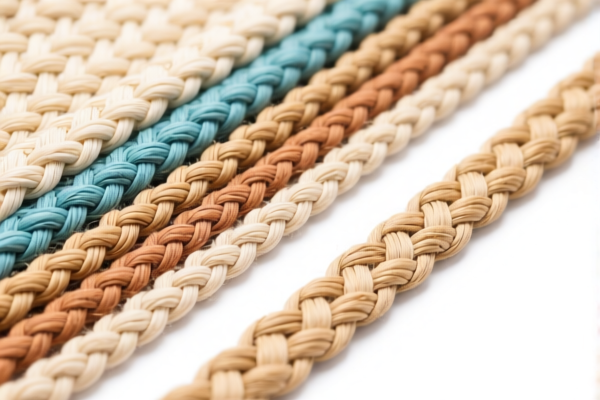
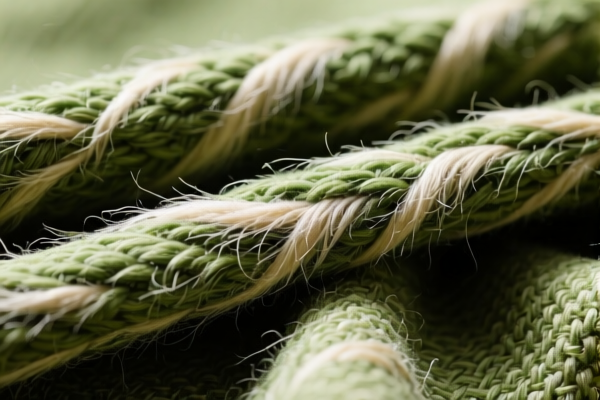
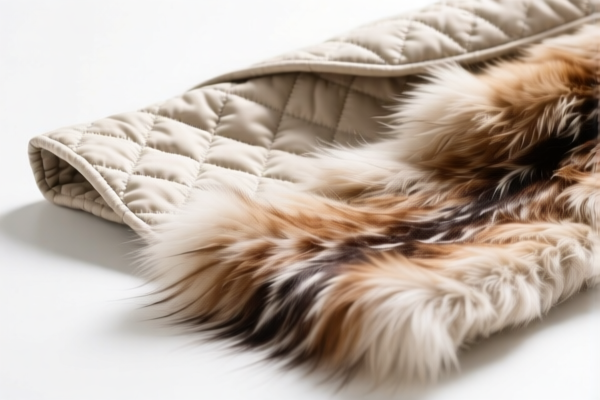
AI Analysis
🐑 Fine Animal Hair Fabrics for Apparel
🌐 HS Code Reference & Customs Clearance Guide | 2026 Updated Tariff Analysis | Pro-Level Import Strategy
📌 One: Product Definition & Classification – What Exactly Are "Fine Animal Hair Fabrics"?
Fine animal hair fabrics are premium textile materials made from high-quality animal fibers such as cashmere, mohair, or fine wool. These fabrics are specifically designed for apparel use — including coats, suits, scarves, and high-end garments — and are characterized by:
- Material: Fine animal hair (e.g., sheep, goat, camel, or alpaca fiber)
- Form: Woven or knitted fabric (including machine-woven textiles)
- Processing: Typically combed (精梳) to remove short fibers and enhance softness, durability, and luster
- Use Case: High-end fashion, luxury garments, and tailored clothing
⚠️ Key Classification Rule:
- If the fabric is woven and made from combed fine animal hair, it falls under HS Code 5112.11.60.30
- If the fabric is machine-woven (knitted or woven) and made from fine animal hair, it belongs to 5111.19.60.20 or 5111.11.70.30
- If the fabric is non-woven or not specifically combed, it may be classified differently — but not in this group
📦 Two: HS Code Classification Breakdown (2026 Official Tariff Table)
| HS Code | Product Description | Applicable Use | Fabric Type | Combed? |
|---|---|---|---|---|
5112.11.60.30 |
Fine animal hair fabric for apparel, made from fine animal hair, in woven form, combed (精梳) | Luxury coats, suits, scarves | Woven fabric | ✅ Yes |
5111.19.60.20 |
Fine animal hair fabric for apparel, made from fine animal hair, machine-woven (机织物) | High-end garments, tailored clothing | Machine-woven fabric | ❌ No (not necessarily combed) |
5112.19.95.10 |
Fine animal hair fabric for apparel, made from fine animal hair, in fabric form, meets fine animal hair fabric criteria | General luxury apparel | Fabric (woven or knitted) | ✅ Yes (meets classification) |
5111.11.70.30 |
Fine animal hair fabric for apparel, made from fine animal hair, machine-woven, with material & form matching requirements | Premium fashion items | Machine-woven fabric | ❌ Not necessarily combed |
5112.11.60.30 (duplicate) |
Animal hair blended fabric for apparel, made from animal hair, in fabric form, within combed fine animal hair fabric scope | Mixed-fiber luxury garments | Blended fabric (animal hair + others) | ✅ Yes (combed) |
🔍 Critical Insight:
- All five codes are subject to the same 60% total tariff — regardless of slight differences in wording
- The core factor is material (fine animal hair), use (apparel), and form (fabric, woven/semi-woven)
- No distinction is made between pure vs. blended animal hair — as long as animal hair is the primary component
💰 Three: 2026 Updated Tariff Breakdown (With Full Legal Justification)
✅ Target Country: United States (US)
✅ Origin: China (CN)
✅ Effective Date: November 10, 2025 (including future imports)
🎯 1. 5112.11.60.30 — Combed Fine Animal Hair Fabric for Apparel
| Item | Detail |
|---|---|
| Base Tariff | 25.0% (ad valorem) |
| Section 301 (USITC) Additional Duty | +25.0% (from USITC Footnote 9903.88.01) |
| Section 122 (IEEPA) Emergency Duty | +10.0% (under International Emergency Economic Powers Act) |
| Total Effective Tariff | 60.0% |
| Tax Calculation | CIF Value × 60% |
| De Minimis Exemption | ❌ Not applicable (denied under US law) |
| Legal Basis Path | IEEPA:9903.01.25 → IEEPA:9903.01.24 → USITC:5112.11.60.30 → FOOTNOTE:9903.88.01 |
📌 Explanation:
- 25% Base Tariff: Standard rate for certain textile imports
- +25% Section 301 Duty: Imposed under U.S. Trade Act of 1974, targeting China’s unfair trade practices
- +10% Section 122 (IEEPA) Duty: Enacted under International Emergency Economic Powers Act, used to impose sanctions on Chinese goods due to national security concerns
- Total: 60% — one of the highest tariffs in the textile category
🎯 2. 5111.19.60.20 — Machine-Woven Fine Animal Hair Fabric for Apparel
| Item | Detail |
|---|---|
| Base Tariff | 25.0% |
| USITC Additional Duty | +25.0% |
| IEEPA Additional Duty | +10.0% |
| Total Tariff | 60.0% |
| Tax Calculation | CIF × 60% |
| De Minimis | ❌ Not allowed |
| Legal Basis | IEEPA:9903.01.25 → IEEPA:9903.01.24 → USITC:5111.19.60.20 → FOOTNOTE:9903.88.01 |
📌 Note:
- Even though this is machine-woven, it still qualifies for same 60% rate if it meets the fine animal hair and apparel use criteria
- No discount for "non-combed" or "knitted" — the material and use are the deciding factors
🎯 3. 5112.19.95.10 — General Fine Animal Hair Fabric for Apparel
| Item | Detail |
|---|---|
| Base Tariff | 25.0% |
| USITC Duty | +25.0% |
| IEEPA Duty | +10.0% |
| Total Tariff | 60.0% |
| Tax Calculation | CIF × 60% |
| De Minimis | ❌ Not applicable |
| Legal Basis | IEEPA:9903.01.25 → IEEPA:9903.01.24 → USITC:5112.19.95.10 → FOOTNOTE:9903.88.01 |
📌 Key Point:
- This code covers all fine animal hair fabrics that meet the classification requirements — even if not explicitly "combed"
- Broad scope — used for any fabric that fits the definition
🎯 4. 5111.11.70.30 — Machine-Woven Fine Animal Hair Fabric (Material & Form Match)
| Item | Detail |
|---|---|
| Base Tariff | 25.0% |
| USITC Duty | +25.0% |
| IEEPA Duty | +10.0% |
| Total Tariff | 60.0% |
| Tax Calculation | CIF × 60% |
| De Minimis | ❌ Not allowed |
| Legal Basis | IEEPA:9903.01.25 → IEEPA:9903.01.24 → USITC:5111.11.70.30 → FOOTNOTE:9903.88.01 |
📌 Why It’s Important:
- This code is specifically for machine-woven fabrics that match material and form criteria
- Even if not combed, it still triggers the full 60% tariff — no exceptions
🛠️ Four: Customs Clearance Best Practices (Pro Tips to Avoid Delays & Penalties)
✅ 1. Required Documentation (MUST-HAVE List)
| Document | Required? | Notes |
|---|---|---|
| ✅ Commercial Invoice | ✔️ | Must clearly state: "Fine Animal Hair Fabric for Apparel" |
| ✅ Packing List | ✔️ | Include weight, roll count, dimensions |
| ✅ Product Specification Sheet | ✔️ | Detail fiber composition, weave type, GSM, width |
| ✅ Certificate of Origin (CO) | ✔️ | Critical for tariff eligibility |
| ✅ Third-Party Test Report | ✔️ | ISO, AATCC, or ASTM testing for fiber content |
| ✅ Sample Fabric (Optional but Recommended) | ✔️ | For customs inspection or pre-clearance |
| ✅ HS Code Pre-Ruling Request (Highly Recommended) | ✔️ | Avoid misclassification risk |
✅ 2.申报技巧 (申报口诀)
🔥 "Material First, Use Second, Form Last — 60% Tax is Final!"
| Scenario | Correct HS Code | Wrong Practice |
|---|---|---|
| Combed fine animal hair, woven | 5112.11.60.30 |
Misclassified as 5111.11.70.30 → same tax, but risk of audit |
| Machine-woven, fine animal hair | 5111.19.60.20 |
Reported as 5112.19.95.10 → no penalty, but less precise |
| Blended fabric (animal hair + silk) | 5112.11.60.30 |
Claimed as pure animal hair → penalty risk |
| Non-combed fabric | 5111.11.70.30 |
Reported as 5112.11.60.30 → misclassification |
✅ 3. Special Cases & Handling
| Situation | Recommended Action |
|---|---|
| Mixed fiber fabric (e.g., 60% cashmere, 40% silk) | Use 5112.11.60.30 if animal hair >50% and used for apparel |
| Fabric with recycled animal hair | Still subject to 60% — no green tariff relief |
| Fabric for industrial use (not apparel) | Not eligible — may fall under different HS Code |
| Re-export from Vietnam/Mexico | If not fully processed in China, may qualify for IEEPA exemption — apply for Ruling |
| Small shipment (<$200) | Still no de minimis — 60% applies |
🌍 Five: Global Market Comparison (2026)
| Country/Region | Recommended HS Code | Tariff | Certification | Notes |
|---|---|---|---|---|
| 🇺🇸 USA | 5112.11.60.30 etc. |
60% | None (but documentation required) | Highest tariff globally |
| 🇨🇳 China | 5112.11.60.30 |
5% | CCC, RoHS | No additional duties |
| 🇪🇺 EU | 5112.11.60.30 |
0% (if CE compliant) | CE, REACH | No IEEPA/301 duties |
| 🇦🇺 Australia | 5112.11.60.30 |
5% | RCM | No extra charges |
| 🇯🇵 Japan | 5112.11.60.30 |
0% | PSE | No additional tariffs |
📌 Conclusion:
- USA is the only market with 60% tariff on these fabrics
- China, EU, Japan, Australia have much lower or zero tariffs
- Consider shifting production to Vietnam/Mexico to avoid IEEPA 10% and USITC 25%
📌 Six: Common Mistakes & How to Avoid Them (Real-World Risks)
❌ Mistake 1: Reporting "fine animal hair fabric" without specifying woven vs. knitted
👉 Risk: Customs may apply wrong HS Code → 60% tax + penalties
❌ Mistake 2: Claiming "pure animal hair" when blended with synthetic fibers
👉 Risk: Misclassification → fines, seizure, or blacklisting
❌ Mistake 3: Using "cashmere fabric" instead of "fine animal hair fabric" in申报
👉 Risk: Not matching legal definition → audit or delay
❌ Mistake 4: Assuming "small shipment" is exempt
👉 Risk: No de minimis — even $100 shipment pays 60%
✅ Correct申报 Phrase:
“Fine Animal Hair Fabric for Apparel, Combed, Woven, 100% Cashmere (or 80% Mohair, 20% Silk), Used in Luxury Coats and Suits, HS Code: 5112.11.60.30”
🎯 Seven: Final Verdict – Master the Classification, Master the Cost
🎯 Remember the Golden Rule:
🔹 "Material First, Use Second, Form Last — 60% is Final!"
🔹 "If it’s fine animal hair for clothing, it’s 60% — no exceptions!"
📌 Pro Tip:
✅ Request an Advance Ruling (Pre-Approval) from U.S. Customs before shipment
✅ Use a licensed broker with textile expertise
✅ Consider sourcing from Vietnam, Mexico, or India to avoid 60% tariff
📣 Act Now:
📞 Contact a customs broker with textile experience
📥 Submit product specs + fiber test report for HS Code pre-ruling
🚀 Save thousands in tariffs — and avoid costly delays!
✨ Precision Classification = Profit Protection
💼 Your next shipment starts with the right HS Code!
Customer Reviews
About HS Code Classification
The Harmonized System (HS) is an internationally standardized nomenclature developed by the World Customs Organization (WCO) to classify traded products. Over 200 countries use the HS system as the basis for customs tariffs, trade statistics, and import/export regulations.
Each HS code follows a hierarchical structure:
- Chapter (2 digits) — Broad category of goods (e.g., Chapter 84: Machinery and Mechanical Appliances)
- Heading (4 digits) — More specific grouping within the chapter
- Subheading (6 digits) — Internationally standardized breakdown, used by all WCO member countries
- National subdivisions (8-10 digits) — Country-specific extensions for further classification, such as US HTSUS 10-digit codes
Correct HS code classification is essential for smooth customs clearance, accurate duty payment, and compliance with trade regulations. Misclassification can lead to customs delays, overpayment of duties, or penalties.
When importing from CN to US, the applicable tariff rates may include:
- Most-Favored-Nation (MFN) rate — The standard duty rate applied to WTO members
- General rate — Applied to countries without trade agreements
- Trade remedy duties — Additional tariffs such as Section 301 (anti-dumping), Section 232 (national security), or countervailing duties
The information provided on this page is for reference purposes only. For official classification, please consult with your local customs authority or a licensed customs broker.