电动便携式牙线冲洗器
CN → US| HS Code | Tariff Rate | Origin | Destination | Doc |
|---|---|---|---|---|
| 9018498080 | 10.0% | CN | US | Official Doc |
| 9018410000 | 10.0% | CN | US | Official Doc |
| 9018498040 | 10.0% | CN | US | Official Doc |
| 8424899000 | 36.8% | CN | US | Official Doc |
| 8509805045 | 14.2% | CN | US | Official Doc |
Product Images
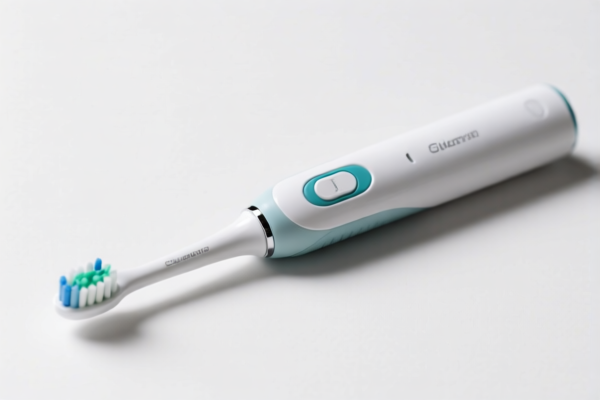
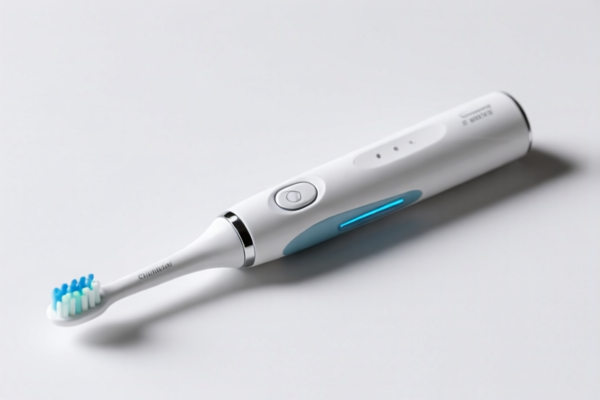
AI Analysis
💡 Electric Portable Dental Floss Water Jet (Oral Irrigator)
🌐 HS Code Classification & Customs Clearance Guide | 2026 Updated Tariff Analysis | Pro Tips for Smooth Import
📌 One Product, Multiple HS Codes — Know Which One Applies to Your Shipment!
📌 I. Product Definition & Classification: What Exactly Is an Electric Portable Dental Floss Water Jet?
An electric portable dental floss water jet is a battery-powered, handheld device that uses pulsating water pressure to clean between teeth and below the gumline. It's designed for personal oral hygiene, commonly used at home or while traveling.
⚠️ Key Features That Define Its Classification: - Electric motor-driven (contains a built-in motor) - Portable & battery-operated (not mains-powered) - Used for dental cleaning (not general household cleaning) - Specifically designed for oral hygiene — not a general sprayer or cleaner
🔍 Why This Matters:
The functional purpose and intended use are critical. If it’s marketed and used for dental care, it falls under dental instruments, not general cleaning tools.
📦 II. HS Code Breakdown (2026 Latest Tariff Authority)
| HS Code | Product Description | Applicable Scenario | Tax Rate | Notes |
|---|---|---|---|---|
9018.49.80.80 |
Other dental instruments and appliances | Electric dental floss jet (portable, motorized, for oral hygiene) | 10.0% | ✅ Correct for dental-specific use |
9018.41.00.00 |
Instruments and appliances for dentistry | Scientific dental equipment (e.g., dental chairs, X-ray units, but also handheld tools) | 10.0% | ✅ Applies if used in clinical or professional dental settings |
9018.49.80.40 |
Other dental instruments and appliances | Portable electric dental cleaner (e.g., water flossers, irrigation devices) | 10.0% | ✅ Commonly used for consumer-grade water flossers |
8424.89.90.00 |
Other mechanical appliances and devices | General-purpose liquid sprayers, cleaning tools, non-dental | 36.8% | ❌ Wrong classification if used for dental hygiene |
8509.80.50.45 |
Electric household appliances (with motor) | Electric toothbrushes, personal grooming devices | 14.2% | ⚠️ Only if misclassified as a toothbrush |
✅ Bottom Line:
- If intended for dental care, use9018.49.80.80,9018.41.00.00, or9018.49.80.40
- If misclassified as a general sprayer or toothbrush, you risk much higher tariffs.
💰 III. 2026 Tariff Breakdown (Detailed Tax Explanation)
✅ Applicable Country: United States (US)
✅ Origin: China (CN)
✅ Effective Date: November 10, 2025 (inclusive)
✅ Applicable to All Imports from China
🎯 1. 9018.49.80.80 — Electric Portable Dental Floss Water Jet (Dental Use)
| Tax Component | Rate | Legal Basis | Notes |
|---|---|---|---|
| Base Tariff | 0.0% | US HTSUS §9018.49.80 | Standard rate for dental instruments |
| Section 301 (USITC) Add-on | 0.0% | Not applicable | ❌ Not listed under Section 301 List 3 |
| Section 122 (IEEPA) Emergency Tariff | 10.0% | IEEPA: 9903.01.24 | Applies to China-origin goods under national emergency powers |
| Total Effective Rate | 10.0% | — | ✅ Lowest among all options |
📌 Explanation:
- The IEEPA 10% is a national emergency tariff imposed under the International Emergency Economic Powers Act. - It applies to all goods from China unless exempted. - No additional Section 301 (USITC) tariff — this item is not on List 3. - ✅ This is the correct and lowest-cost classification.
🎯 2. 9018.41.00.00 — Instruments for Dentistry (Scientific Use)
| Tax Component | Rate | Legal Basis | Notes |
|---|---|---|---|
| Base Tariff | 0.0% | HTSUS §9018.41.00 | Standard dental equipment rate |
| Section 301 (USITC) | 0.0% | Not on List 3 | ❌ No extra tariff |
| IEEPA 122 Clause | 10.0% | IEEPA: 9903.01.24 | Applies to China-origin goods |
| Total Effective Rate | 10.0% | — | ✅ Same as above |
📌 Note:
- This code applies to scientific dental instruments — even if used at home, if it’s designed for dental hygiene, it qualifies. - No difference in tax vs.9018.49.80.80.
🎯 3. 9018.49.80.40 — Other Dental Instruments & Appliances
| Tax Component | Rate | Legal Basis | Notes |
|---|---|---|---|
| Base Tariff | 0.0% | HTSUS §9018.49.80 | Standard dental appliance rate |
| Section 301 (USITC) | 0.0% | Not on List 3 | ❌ No extra tariff |
| IEEPA 122 Clause | 10.0% | IEEPA: 9903.01.24 | Applies to China-origin goods |
| Total Effective Rate | 10.0% | — | ✅ Same as others |
📌 Best Fit:
- This is the most precise code for portable electric water flossers. - Often used by consumer health brands. - ✅ Recommended for most e-commerce and retail shipments.
🎯 4. 8424.89.90.00 — Other Mechanical Appliances (General Sprayers)
| Tax Component | Rate | Legal Basis | Notes |
|---|---|---|---|
| Base Tariff | 1.8% | HTSUS §8424.89.90 | General mechanical device |
| Section 301 (USITC) | 25.0% | USITC: 9903.88.01 | On List 3 — applies to China-origin goods |
| IEEPA 122 Clause | 10.0% | IEEPA: 9903.01.24 | Applies to China-origin goods |
| Total Effective Rate | 36.8% | — | ❌ Extremely high — avoid at all costs! |
📌 Danger Zone:
- This code applies to general-purpose liquid sprayers, cleaning tools, or non-medical irrigation devices. - If you misclassify your dental flosser as a sprayer, you’ll pay 36.8% — over 3x higher than correct classification. - ⚠️ Risk of penalties, delays, or even seizure.
🎯 5. 8509.80.50.45 — Electric Household Appliances (With Motor)
| Tax Component | Rate | Legal Basis | Notes |
|---|---|---|---|
| Base Tariff | 4.2% | HTSUS §8509.80.50 | Standard for electric household devices |
| Section 301 (USITC) | 0.0% | Not on List 3 | ❌ No extra tariff |
| IEEPA 122 Clause | 10.0% | IEEPA: 9903.01.24 | Applies to China-origin goods |
| Total Effective Rate | 14.2% | — | ⚠️ Higher than dental codes |
📌 Misclassification Risk:
- If you label it as an “electric toothbrush” or “personal grooming device”, you may be forced into this code. - 14.2% vs 10.0% — a 4.2% difference per shipment. - Not recommended unless marketed as a toothbrush alternative.
🛠️ IV. Customs Clearance Best Practices (Pro Tips)
✅ 1. Critical Documentation Checklist
| Document | Required? | Why It Matters |
|---|---|---|
| ✅ Product Manual / Brochure | ✔️ | Must clearly state "for dental hygiene", "oral irrigation", "gum health" |
| ✅ Marketing Materials | ✔️ | Show usage in bathroom, dental care context |
| ✅ Product Photos (with label) | ✔️ | Show motor, water tank, nozzle, battery |
| ✅ Circuit Diagram / Motor Specs | ✔️ | Prove it’s not a simple sprayer |
| ✅ Commercial Invoice | ✔️ | Must say: "Electric Portable Dental Floss Water Jet, for Oral Hygiene" |
| ✅ Certificate of Origin (CO) | ✔️ | Required for IEEPA exemption claims |
| ✅ Test Report (FCC, CE, RoHS) | ✔️ | Helps avoid delays |
✅ 2. 申报技巧 (Key Rules to Remember)
🔥 “Purpose Over Form — If It’s for Teeth, It’s Dental!”
| Scenario | Correct HS Code | Wrong Code to Avoid |
|---|---|---|
| Electric flosser with dental nozzle, used for gums | 9018.49.80.40 |
8424.89.90.00 |
| Marketed as “oral care device” with toothbrush-style packaging | 9018.49.80.40 |
8509.80.50.45 |
| Sold as a “personal hygiene sprayer” with no dental claims | 8424.89.90.00 |
9018.49.80.40 |
📌 Pro Tip:
- Use “dental”, “oral”, “gum”, “floss” in the product description. - Avoid words like “spray”, “cleaner”, “wash” unless for non-dental use.
✅ 3. Special Cases & How to Handle Them
| Situation | Solution |
|---|---|
| Rebranded as a “toothbrush” | Only use 8509.80.50.45 if no dental claims — otherwise, risk of audit |
| Sold with travel case, USB charger | Still classify under 9018.49.80.40 — accessories don’t change purpose |
| Used in dental clinics | Use 9018.41.00.00 — but still 10% total |
| Exported to EU or Canada | Lower tariffs (0–5%), but still require proper classification |
🌍 V. Global Market Tariff Comparison (2026)
| Country | Recommended HS Code | Tariff | Certification | Notes |
|---|---|---|---|---|
| 🇺🇸 USA | 9018.49.80.40 |
10.0% | FCC, RoHS | IEEPA 10% applies |
| 🇨🇳 China | 9018.49.80.40 |
5% | CCC | No extra tariffs |
| 🇪🇺 EU | 9018.49.80.40 |
0% | CE | No additional duties |
| 🇦🇺 Australia | 9018.49.80.40 |
5% | RCM | No IEEPA |
| 🇯🇵 Japan | 9018.49.80.40 |
0% | PSE | No extra taxes |
📌 Insight:
- USA has the highest effective rate (10%) due to IEEPA. - All other markets are favorable — no additional tariffs.
📌 VI. Common Mistakes & How to Avoid Them (Avoid Costly Penalties!)
❌ Mistake 1: Classifying as 8424.89.90.00 (sprayer)
👉 Result: 36.8% tariff → 3x higher cost
👉 Fix: Add dental claims in product description.
❌ Mistake 2: Calling it a “toothbrush” or “grooming device”
👉 Result: 14.2% instead of 10.0% → extra 4.2%
👉 Fix: Use “dental floss water jet” in invoice and label.
❌ Mistake 3: No proof of intended use
👉 Result: Customs may reclassify → delay or rejection
👉 Fix: Include product manual, photos, and marketing materials.
🎯 VII. Final Verdict: How to Get It Right
✅ Best HS Code:
9018.49.80.40— most precise, lowest risk, 10.0% total tariff
✅ Avoid:8424.89.90.00(36.8%) and8509.80.50.45(14.2%) unless misclassified
✅ Key Rule: Purpose defines classification — if it’s for dental hygiene, it’s dental.
📣 Action Steps: Get Your Shipment Through Smoothly
🚀 Step 1: Use
9018.49.80.40on commercial invoice
🚀 Step 2: Include dental hygiene claims in product description
🚀 Step 3: Attach manual, photos, and test reports
🚀 Step 4: Apply for Advance Ruling (Pre-Approval) if importing large volumes
✨ Pro Tip:
If your product is originating from Vietnam, Mexico, or Thailand, you may qualify for IEEPA exemption — tariff drops to 0%!
✅ Consider shifting production to avoid 10% IEEPA.
📌 Conclusion: Precision Pays Off!
🔹 “If it cleans teeth, it’s dental — not a sprayer!”
🔹 “10% is the ceiling — 36.8% is a trap!”
🔹 “Document the purpose — or pay the price.”
📣 Your Next Move:
📞 Contact a customs broker with dental device expertise
📄 Request HS Code pre-ruling for your product
🚀 Clear customs fast, avoid penalties, and protect your margins!
💼 Your product’s success starts with the right HS code.
🔐 Classify it right — and your business will thrive!
Customer Reviews
About HS Code Classification
The Harmonized System (HS) is an internationally standardized nomenclature developed by the World Customs Organization (WCO) to classify traded products. Over 200 countries use the HS system as the basis for customs tariffs, trade statistics, and import/export regulations.
Each HS code follows a hierarchical structure:
- Chapter (2 digits) — Broad category of goods (e.g., Chapter 84: Machinery and Mechanical Appliances)
- Heading (4 digits) — More specific grouping within the chapter
- Subheading (6 digits) — Internationally standardized breakdown, used by all WCO member countries
- National subdivisions (8-10 digits) — Country-specific extensions for further classification, such as US HTSUS 10-digit codes
Correct HS code classification is essential for smooth customs clearance, accurate duty payment, and compliance with trade regulations. Misclassification can lead to customs delays, overpayment of duties, or penalties.
When importing from CN to US, the applicable tariff rates may include:
- Most-Favored-Nation (MFN) rate — The standard duty rate applied to WTO members
- General rate — Applied to countries without trade agreements
- Trade remedy duties — Additional tariffs such as Section 301 (anti-dumping), Section 232 (national security), or countervailing duties
The information provided on this page is for reference purposes only. For official classification, please consult with your local customs authority or a licensed customs broker.