电子配件收纳包
CN → US| HS Code | Tariff Rate | Origin | Destination | Doc |
|---|---|---|---|---|
| 4202329300 | 52.6% | CN | US | Official Doc |
| 6307909891 | 24.5% | CN | US | Official Doc |
| 6307909875 | 17.0% | CN | US | Official Doc |
| 4202322000 | 55.0% | CN | US | Official Doc |
| 3923210095 | 38.0% | CN | US | Official Doc |
Product Images

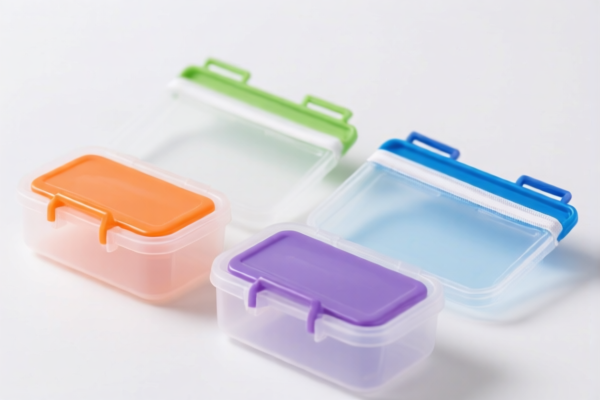

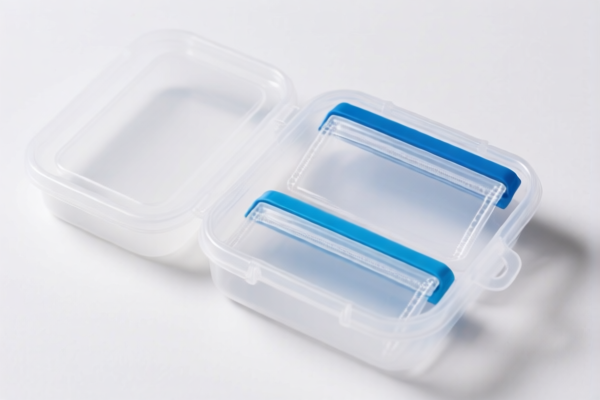
AI Analysis
📱 Mobile Accessory Organizers & Pouches
🌐 HS Code Reference & Customs Clearance Guide | 2026 Latest Tariff Analysis | Professional Entry Strategy
📌 I. Product Definition & Classification: What Exactly is a "Mobile Accessory Organizer"?
Mobile accessory organizers (pouches, bags, cases) are essential storage solutions for smartphones, chargers, cables, power banks, and earphones. In international trade, their classification depends heavily on material composition and structural form. They generally fall into two main categories:
Textile/Non-Woven Bags: Made from fabrics, artificial fibers, or non-woven materials. These are often classified under Chapter 63 (Other Made Up Articles) or Chapter 42 (Luggage/Handbags). Plastic/Vinyl Pouches: Made from plastic sheets or polymer materials, often heat-sealed or zippered. These typically fall under Chapter 39 (Plastics).
⚠️ Key Distinction Point:
- If the material is textile or non-woven and structured like a bag → Check Chapter 42 or 63. - If the material is plastic sheets (e.g., PVC, PE) → Check Chapter 39. - Note: The specific HS Code affects the Total Tax Rate, which ranges from 24.5% to 55.0% for imports into the US from China.
📦 II. HS Code Classification Details (2026 Latest Tariff Authoritative Comparison)
Based on the provided data, here are the four most common HS Codes for mobile accessory organizers:
| HS Code | Product Description | Material/Type | Key Characteristics |
|---|---|---|---|
4202.32.93.00 |
Accessory cases, similar to containers | Textile/Artificial Fiber | Structured, similar to handbags/purses; may have lining/zippers. |
6307.90.98.91 |
Made-up textile/plastic accessories | Woven/Plastic Blend | Finished consumer goods; generic textile or plastic construction. |
6307.90.98.75 |
Finished consumer accessory bags | Textile/Plastic | Similar to above; classified as other made-up articles. |
4202.32.20.00 |
Storage bags for articles | Plastic Sheets or Textile | Generic storage function; broad category for收纳 (storage) items. |
3923.21.00.95 |
Sacks, bags, and pouches | Plastic (Vinyl/Polymer) | Specifically for bags made from vinyl polymers or other plastics. |
🔍 Critical Reminder:
- Material is King: A "nylon" pouch goes to4202or6307. A "PVC" pouch goes to3923. - Structure Matters: Structured bags with handles/zippers lean towards4202. Simple flat plastic sleeves lean towards3923. - Tax Impact: Choosing the wrong code can change your tax burden by 30%+ (e.g., 24.5% vs 55.0%).
💰 III. 2026 Latest Tariff Rate Breakdown (Including Additional Taxes & Policy Surcharges)
✅ Applicable Country: United States (US)
✅ Origin: China (CN)
✅ Effective Date: Current trade war tariffs (Section 301, Section 232/122) apply.
🎯 1. 4202.32.93.00 & 4202.32.20.00 —— Textile/Structured Bags
(Highest Tax Bracket)
| Item | Content |
|---|---|
| Base Tariff | 17.6% - 20.0% |
| Section 301 Surcharge | +25.0% (25% Additional Duty) |
| Section 122 Surcharge | +10.0% (Under 122(a) provisions) |
| Total Tax Rate | 52.6% - 55.0% |
| De Minimis Exemption? | ❌ NO (Not eligible for de minimis) |
| Legal Path | HTSUS:4202 → USITC:4202.32 → ADD:301/25 → ADD:122/10 |
📌 Explanation:
- These codes are classified under Chapter 42 (Luggage), which traditionally has higher base duties. - Total Cost Warning: For every $100 of goods, you pay $52.60 to $55.00 in duties alone. This is extremely high for low-margin accessories.
🎯 2. 6307.90.98.91 & 6307.90.98.75 —— Textile/Plastic Mixed Bags
(Medium Tax Bracket)
| Item | Content |
|---|---|
| Base Tariff | 7.0% |
| Section 301 Surcharge | +7.5% (Note: Some 6307 items may have lower 301 rates depending on specific ruling, but data shows 7.5%) |
| Section 122 Surcharge | +10.0% |
| Total Tax Rate | 24.5% |
| De Minimis Exemption? | ❌ NO |
| Legal Path | HTSUS:6307 → USITC:6307.90 → ADD:301/7.5 → ADD:122/10 |
📌 Explanation:
- Chapter 63 (Other Made Up Articles) generally has lower base duties. - Savings Alert: Compared to Chapter 42, you save ~30% in total taxes. This is the most cost-effective option for textile-based organizers.
🎯 3. 3923.21.00.95 —— Plastic Pouches/Sacks
(Low-Medium Tax Bracket)
| Item | Content |
|---|---|
| Base Tariff | 3.0% |
| Section 301 Surcharge | +25.0% |
| Section 122 Surcharge | +10.0% |
| Total Tax Rate | 38.0% |
| De Minimis Exemption? | ❌ NO |
| Legal Path | HTSUS:3923.21 → USITC:3923.21.00 → ADD:301/25 → ADD:122/10 |
📌 Explanation:
- Despite the low base tariff (3%), the 25% Section 301 surcharge brings the total to 38.0%. - This is more expensive than Chapter 63 (24.5%) but cheaper than Chapter 42 (52-55%).
🛠️ IV. Customs Clearance Practical Advice (Battle-Tested Pitfall Avoidance)
✅ 1. Preparation Checklist (Non-Negotiable)
| Document | Required | Explanation |
|---|---|---|
| ✅ Product Specification Sheet | ✔️ | Must clearly state Material (e.g., "100% Nylon," "PVC," "Polyester") and Structure (Zippered, Open, Handleless). |
| ✅ Material Composition Proof | ✔️ | Factory statement or test report confirming % of fabric vs. plastic. Crucial for distinguishing 6307 vs 3923. |
| ✅ Commercial Invoice | ✔️ | Use precise descriptions: "Nylon Zippered Pouch for Mobile Accessories" vs. "Plastic Sleeve." |
| ✅ Packing List | ✔️ | Item count, net/gross weight. |
| ✅ Photos | ✔️ | High-res images of the interior, exterior, and label. |
✅ 2. Declaration Strategy (Key Mantras)
🔥 “Material First, Structure Second. Chapter 63 Saves Money!”
| Scenario | Correct HS Code | Incorrect Code | Consequence |
|---|---|---|---|
| Nylon/Polyester Pouch | 6307.90.98.91 (24.5%) |
4202.32.93.00 (52.6%) |
Overpay ~28% in taxes! |
| PVC/Vinyl Plastic Pouch | 3923.21.00.95 (38.0%) |
4202.32.93.00 (52.6%) |
Overpay ~14% in taxes! |
| Structured Leather/Fabric Bag | 4202.32.93.00 (52.6%) |
6307.90.98.91 (24.5%) |
Risk of Re-classification & Penalties |
📌 Tip:
- If your product is primarily textile (even with plastic zippers), argue for Chapter 63 or 4202. - If it is clearly plastic (like a clear PVC ziplock bag), use 3923. - Do not use4202for simple plastic sleeves; customs will reject it.
✅ 3. Special Cases & Tips
| Case | Handling Advice |
|---|---|
| Set of Accessories | If the organizer is sold with phones/chargers, it may be classified with the main article (e.g., 8517 for phones). Separate declaration is safer. |
| "Travel Kit" Labels | Avoid calling it a "Luggage" if it's just a small pouch. Stick to "Accessory Organizer" to avoid strict 4202 scrutiny. |
| Custom Printed Designs | Printing does not change the HS code. Material still rules. |
🌍 V. Global Market Comparison (2026 Latest)
| Country/Region | Recommended HS Code | Total Tariff (CN Origin) | Notes |
|---|---|---|---|
| 🇺🇸 USA | 6307.90.98.91 |
24.5% | Best balance for textiles. 4202 is 55%. |
| 🇨🇳 China | 6307.90.98.91 |
7% | No Section 301/122 in China. |
| 🇪🇺 EU | 4202.32 / 6307.90 |
0% - 12% | Varies by material. No US-style surcharges. |
| 🇬🇧 UK | 6307.90 |
6% | Post-Brexit standard rates. |
📌 Conclusion:
- USA is the most expensive market due to Section 301 and 122 tariffs. - Chapter 63 (6307.90.98.91) offers the lowest tax burden (24.5%) for textile-based organizers in the US. - Avoid4202unless the product is structurally similar to a handbag/luggage.
📌 VI. Common Errors & Pitfall Guide (Lessons Learned)
❌ Error 1: Classifying a PVC plastic pouch as 4202 (Textile)
👉 Result: Customs flags it for misclassification. Penalties + Back Taxes.
❌ Error 2: Using 6307 for a structured leather handbag-style pouch
👉 Result: Customs may reclassify to 4202, increasing tax from 24.5% to 55%. You lose 30% margin.
❌ Error 3: Ignoring Section 122 Tariffs
👉 Result: Forgetting the +10% surcharge leads to budget miscalculation. Always include it.
❌ Error 4: Vague Description "Bag for Phones"
👉 Result: Delays at customs for missing material info. Provide specific fabric/plastic details.
✅ Correct Declaration Example:
"Textile Accessory Organizer Bag, Nylon Material, Zippered Closure, For Mobile Phones & Cables, HS Code: 6307.90.98.91"
🎯 VII. Conclusion: Smart Classification, Higher Profits!
🎯 Remember the Golden Rule:
🔹 "Textile? Try 6307 (24.5%). Plastic? Try 3923 (38.0%). Avoid 4202 (55%) unless it's a handbag."
🔹 "Section 122 adds 10% to ALL these codes. Plan accordingly!"
📌 Pro Tip:
If you are importing large volumes, consider Requesting a Binding Tariff Ruling from US Customs and Border Protection (CBP). It provides legal certainty for your specific product design.
📣 Immediate Action:
📞 Verify Material: Check if your supplier uses 100% fabric (aim for 6307) or plastic (aim for 3923).
📝 Update Invoices: Ensure "HS Code" and "Material" are explicitly stated.
🚀 Optimize Costs: Switch from4202to6307if possible to save ~30% in taxes!
✨ Professional Customs Clearance Starts with Precise Classification!
💼 Every Percent Saved is Pure Profit!
Customer Reviews
About HS Code Classification
The Harmonized System (HS) is an internationally standardized nomenclature developed by the World Customs Organization (WCO) to classify traded products. Over 200 countries use the HS system as the basis for customs tariffs, trade statistics, and import/export regulations.
Each HS code follows a hierarchical structure:
- Chapter (2 digits) — Broad category of goods (e.g., Chapter 84: Machinery and Mechanical Appliances)
- Heading (4 digits) — More specific grouping within the chapter
- Subheading (6 digits) — Internationally standardized breakdown, used by all WCO member countries
- National subdivisions (8-10 digits) — Country-specific extensions for further classification, such as US HTSUS 10-digit codes
Correct HS code classification is essential for smooth customs clearance, accurate duty payment, and compliance with trade regulations. Misclassification can lead to customs delays, overpayment of duties, or penalties.
When importing from CN to US, the applicable tariff rates may include:
- Most-Favored-Nation (MFN) rate — The standard duty rate applied to WTO members
- General rate — Applied to countries without trade agreements
- Trade remedy duties — Additional tariffs such as Section 301 (anti-dumping), Section 232 (national security), or countervailing duties
The information provided on this page is for reference purposes only. For official classification, please consult with your local customs authority or a licensed customs broker.