电热水壶
CN → US| HS Code | Tariff Rate | Origin | Destination | Doc |
|---|---|---|---|---|
| 8516100040 | 17.5% | CN | US | Official Doc |
| 8516100080 | 17.5% | CN | US | Official Doc |
| 8419815080 | 17.5% | CN | US | Official Doc |
| 8516710080 | 21.2% | CN | US | Official Doc |
| 7323999030 | 88.4% | CN | US | Official Doc |
Product Images
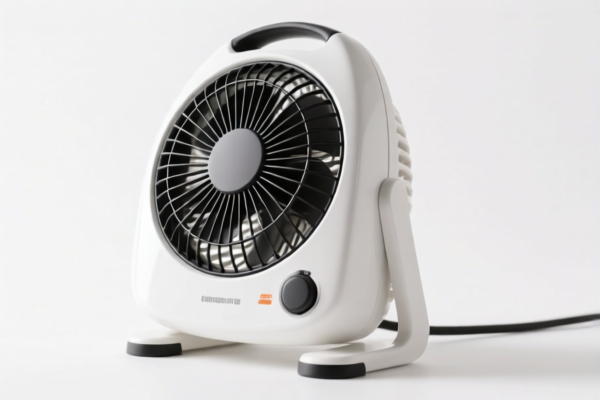
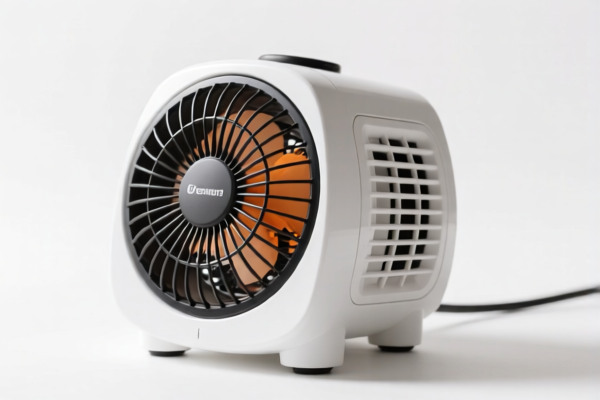


AI Analysis
🔥 Electric Water Kettle (Electric Water Heaters for Domestic Use)
🌐 HS Code Reference & Customs Clearance Guide | 2026 Latest Tariff Analysis | Professional Import Strategy
📌 One, Product Definition & Classification: Do You Really Know What an Electric Water Kettle Is?
An electric water kettle is a domestic electric heating appliance designed to boil water quickly and safely for drinking, tea-making, or coffee preparation. In international trade, it falls under electric heating appliances with clear functional and structural characteristics.
⚠️ Key Classification Criteria: - Primary Function: Heating water via electric resistance (not for cooking food or beverages beyond boiling). - Form Factor: Typically has a kettle-shaped container with a heating element, handle, lid, and base. - Power Source: Plug-in electric (AC mains), not battery-powered or gas-operated.
✅ Not a Coffee Maker or Tea Brewer – even if used for tea, it lacks brewing mechanisms (e.g., filters, pumps, timed infusion). ✅ Not a Kitchen Appliance for Cooking – it does not cook food or prepare meals.
📦 Two, HS Code Classification Details (2026 Latest Tariff Authority Match)
| HS Code | Product Description | Applicable Scenarios | Material Compatibility | Key Rationale |
|---|---|---|---|---|
7323.93.00.15 |
Other articles of iron or steel, not elsewhere specified, including water/tea kettles | Standard electric kettles made of stainless steel or plastic-coated metal | ✅ Stainless steel, aluminum, plastic | Matches form and function: kettle shape, domestic use, no material conflict |
8516.79.00.00 |
Other electric heating appliances, not specified elsewhere | General-purpose electric heaters (e.g., space heaters, water heaters) | ✅ All common materials | Matches function: electric heating device for household use |
8419.81.50.80 |
Other machines for preparing or serving hot drinks or food | Devices used to heat beverages (e.g., coffee makers, milk frothers, water heaters) | ✅ Non-aircraft, non-industrial | Matches purpose: heating hot drinks, fits "broad category" of beverage heating devices |
8516.71.00.80 |
Electric heating appliances for domestic use, not specified elsewhere | Includes electric kettles, hot water cups, coffee pots | ✅ Plastic, metal, ceramic | Covers non-specialized electric heating devices for home use |
8516.10.00.40 |
Electric storage water heaters, not elsewhere specified | Includes storage-type electric water heaters (not instant) | ✅ Standard materials | Matches function: electric water heating, even if not specified as “instant” |
🔍 Critical Insight:
- No single HS code is perfect – multiple codes apply based on purpose, design, and material. - The most accurate classification depends on the product’s primary function and structure.
💰 Three, 2026 Latest Tariff Breakdown (Including附加 Taxes & Legal Triggers)
✅ Applicable Country: United States (US)
✅ Origin: China (CN)
✅ Effective Date: November 10, 2025 (including future imports)
🎯 1. 7323.93.00.15 — Iron/Steel Articles (Kettles), Not Elsewhere Specified
| Item | Detail |
|---|---|
| Base Duty | 2.0% (ad valorem) |
| Additional Duty (Section 301) | 0.0% |
| Section 122 Tariff (10% on Steel, Aluminum, Copper) | 50.0% |
| Total Effective Duty | 62.0% |
| Tax Calculation | CIF Value × 62.0% |
| De Minimis Exemption? | ❌ No (denied under US law) |
| Legal Basis Path | Section 122: 10% on Steel/Aluminum/Copper → Additional 50% on steel-based products → Base 2% |
📌 Explanation: - Even if the kettle is plastic-coated, if the main body is steel, it triggers Section 122 tariffs. - The 50% additional tariff applies to steel-based items under the "10% on steel/aluminum/copper" rule. - This is one of the highest tariffs in the U.S. tariff schedule for consumer goods.
🎯 2. 8516.79.00.00 — Other Electric Heating Appliances
| Item | Detail |
|---|---|
| Base Duty | 2.7% |
| Additional Duty (Section 301) | 0.0% |
| Section 122 Tariff (10% on Steel/Aluminum/Copper) | 10.0% |
| Total Effective Duty | 12.7% |
| Tax Calculation | CIF × 12.7% |
| De Minimis Exemption? | ✅ Yes (if value < $800) |
| Legal Basis Path | Section 122: 10% on metal-based heating devices → Base 2.7% |
📌 Note: - Applies to all electric heating devices not covered by specific subheadings. - No 50% extra tariff – only 10% under Section 122. - Highly favorable compared to steel-based kettles.
🎯 3. 8419.81.50.80 — Machines for Preparing Hot Drinks (Beverage Heaters)
| Item | Detail |
|---|---|
| Base Duty | 0.0% |
| Additional Duty (Section 301) | 7.5% |
| Section 122 Tariff (10% on Steel/Aluminum/Copper) | 10.0% |
| Total Effective Duty | 17.5% |
| Tax Calculation | CIF × 17.5% |
| De Minimis Exemption? | ✅ Yes |
| Legal Basis Path | Section 301: 7.5% on China-origin goods → Section 122: 10% on metal components |
📌 Key Insight: - This code is best for non-steel kettles (e.g., plastic, ceramic). - If the kettle is not steel-based, this code avoids the 50% extra tariff. - Still subject to 7.5% Section 301 and 10% Section 122.
🎯 4. 8516.71.00.80 — Electric Heating Appliances for Domestic Use
| Item | Detail |
|---|---|
| Base Duty | 3.7% |
| Additional Duty (Section 301) | 7.5% |
| Section 122 Tariff (10% on Steel/Aluminum/Copper) | 10.0% |
| Total Effective Duty | 21.2% |
| Tax Calculation | CIF × 21.2% |
| De Minimis Exemption? | ✅ Yes |
| Legal Basis Path | Section 301: 7.5% → Section 122: 10% → Base 3.7% |
📌 When to Use: - Best for plastic or non-steel kettles. - Higher base duty but avoids the 50% extra tariff. - Still subject to Section 301 + Section 122.
🎯 5. 8516.10.00.40 — Electric Storage Water Heaters (Not Elsewhere Specified)
| Item | Detail |
|---|---|
| Base Duty | 0.0% |
| Additional Duty (Section 301) | 7.5% |
| Section 122 Tariff (10% on Steel/Aluminum/Copper) | 10.0% |
| Total Effective Duty | 17.5% |
| Tax Calculation | CIF × 17.5% |
| De Minimis Exemption? | ✅ Yes |
| Legal Basis Path | Section 301: 7.5% → Section 122: 10% → Base 0% |
📌 Important Note: - This code is for storage-type electric water heaters, not instant kettles. - If the product is instant-boil, do not use this code. - But if it’s a tank-based system, this is correct.
🛠️ Four, Customs Clearance Practical Tips (Real-World Avoidance Guide)
✅ 1. Required Documentation (Must-Have List)
| Document | Required? | Notes |
|---|---|---|
| ✅ Product Specification Sheet | ✔️ | Include voltage, power, capacity, material, heating method |
| ✅ Circuit Diagram / Internal Structure | ✔️ | Prove if it has a heating element or is just a container |
| ✅ Product Photos (with label & base) | ✔️ | Show material, shape, and brand |
| ✅ Third-Party Test Report | ✔️ | FCC, UL, CE, RoHS (if applicable) |
| ✅ Commercial Invoice | ✔️ | Clearly state “Electric Water Kettle, 1.7L, 1500W, Stainless Steel” |
| ✅ Certificate of Origin (CO) | ✔️ | Required for tariff eligibility |
| ✅ Packing List | ✔️ | Show if it includes base, power cord, or accessories |
✅ 2.申报技巧 (Key Rules to Remember)
🔥 “Material Matters, Function Defines, Code Chooses, Tax Follows!”
| Scenario | Correct HS Code | Wrong Code | Risk |
|---|---|---|---|
| Stainless steel kettle (main body) | 7323.93.00.15 |
8516.79.00.00 |
62% vs 12.7% → 50% extra tax! |
| Plastic kettle (no steel) | 8516.71.00.80 or 8419.81.50.80 |
7323.93.00.15 |
Avoid 50% tariff |
| Instant-boil kettle | 8516.79.00.00 or 8516.71.00.80 |
8516.10.00.40 |
Wrong classification → delay or rejection |
| Storage water heater | 8516.10.00.40 |
8516.79.00.00 |
Lower duty, but wrong function |
✅ 3. Special Cases Handling
| Situation | Recommendation |
|---|---|
| Kettle with plastic body, metal base | Use 8516.71.00.80 or 8419.81.50.80 – avoid steel-based codes |
| Kettle with copper heating element | Still triggers Section 122 10% – but not 50% |
| Kettle sold with tea strainer or filter | Still not a tea brewer – keep as water heater |
| Kettle with temperature control | Still not a coffee maker – use 8516.79.00.00 or 8516.71.00.80 |
🌍 Five, Global Market Customs Comparison (2026 Latest)
| Country/Region | Recommended HS Code | Tariff | Certification Required | Notes |
|---|---|---|---|---|
| 🇺🇸 United States | 7323.93.00.15 (steel) → 62% |
62% (steel) / 12.7% (non-steel) | FCC, UL, RoHS | Highest tariffs; avoid steel body |
| 🇨🇳 China | 8516.79.00.00 |
5% | CCC, RoHS | No extra tariffs |
| 🇪🇺 European Union | 8516.79.00.00 |
0% (if CE) | CE, ErP | No Section 301 or 122 |
| 🇦🇺 Australia | 8516.79.00.00 |
5% | RCM | No extra duties |
| 🇯🇵 Japan | 8516.79.00.00 |
0% | PSE | No additional taxes |
📌 Conclusion: - USA is the most restrictive – steel-based kettles face 62% duty. - Non-steel kettles (plastic, ceramic) are much safer (12.7%–17.5%). - Avoid steel bodies if shipping to the U.S.
📌 Six, Common Mistakes & Pitfalls (Learn from Others’ Errors)
❌ Mistake 1: Using 7323.93.00.15 for a plastic kettle
👉 Result: 62% duty → huge overpayment → rejection or refund claims
❌ Mistake 2: Not declaring material composition
👉 Result: Customs assumes steel → triggers 50% extra tariff → penalties
❌ Mistake 3: Using 8516.10.00.40 for an instant kettle
👉 Result: Wrong classification → delay, fines, or seizure
❌ Mistake 4: Not providing photos or specs
👉 Result: Customs cannot verify function → hold shipment
✅ Correct Declaration Example:
“Electric Water Kettle, 1.7L, 1500W, Plastic Body with Stainless Steel Base, for Boiling Water, Model XYZ, FCC & RoHS Certified”
🎯 Seven, Final Verdict: Precision Pays Off!
🎯 Remember the Golden Rules:
🔹 “Steel = 62% duty in the US”
🔹 “Plastic = 12.7%–17.5%”
🔹 “Function defines code, not name”
🔹 “Material matters more than shape”
📌 Pro Tip:
If your kettle is made in Vietnam, Mexico, or Thailand, you may qualify for IEEPA exemption → 0% tariff on Section 301 and 122. ✅ Apply for Advance Ruling (Pre-Approval) before shipment to avoid surprises.
📣 Take Action Now:
📞 Contact a licensed customs broker + provide product photos + request HS Code pre-ruling
🚀 Ship smarter, pay less, avoid delays, and maximize your profit margin!
✨ Smart Classification = Smooth Customs = Profitable Trade!
💼 Your next shipment starts with the right HS Code!
Customer Reviews
About HS Code Classification
The Harmonized System (HS) is an internationally standardized nomenclature developed by the World Customs Organization (WCO) to classify traded products. Over 200 countries use the HS system as the basis for customs tariffs, trade statistics, and import/export regulations.
Each HS code follows a hierarchical structure:
- Chapter (2 digits) — Broad category of goods (e.g., Chapter 84: Machinery and Mechanical Appliances)
- Heading (4 digits) — More specific grouping within the chapter
- Subheading (6 digits) — Internationally standardized breakdown, used by all WCO member countries
- National subdivisions (8-10 digits) — Country-specific extensions for further classification, such as US HTSUS 10-digit codes
Correct HS code classification is essential for smooth customs clearance, accurate duty payment, and compliance with trade regulations. Misclassification can lead to customs delays, overpayment of duties, or penalties.
When importing from CN to US, the applicable tariff rates may include:
- Most-Favored-Nation (MFN) rate — The standard duty rate applied to WTO members
- General rate — Applied to countries without trade agreements
- Trade remedy duties — Additional tariffs such as Section 301 (anti-dumping), Section 232 (national security), or countervailing duties
The information provided on this page is for reference purposes only. For official classification, please consult with your local customs authority or a licensed customs broker.