男士中筒袜
CN → US| HS Code | Tariff Rate | Origin | Destination | Doc |
|---|---|---|---|---|
| 6217109510 | 32.1% | CN | US | Official Doc |
| 6115969020 | 24.6% | CN | US | Official Doc |
| 6115959000 | 31.0% | CN | US | Official Doc |
Product Images
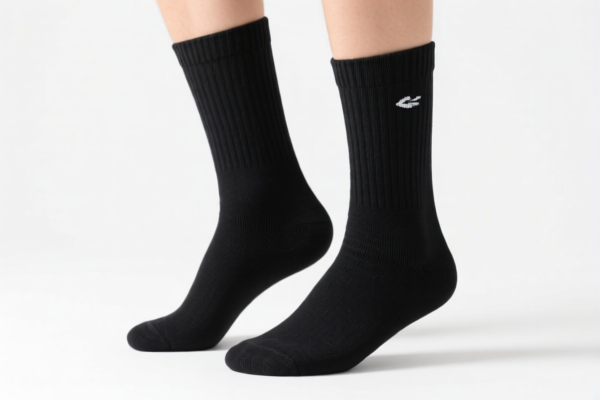
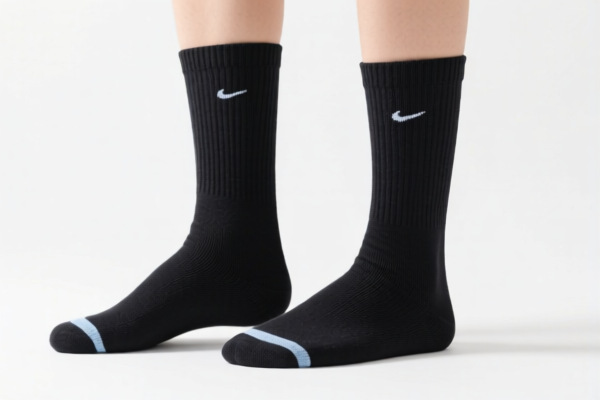
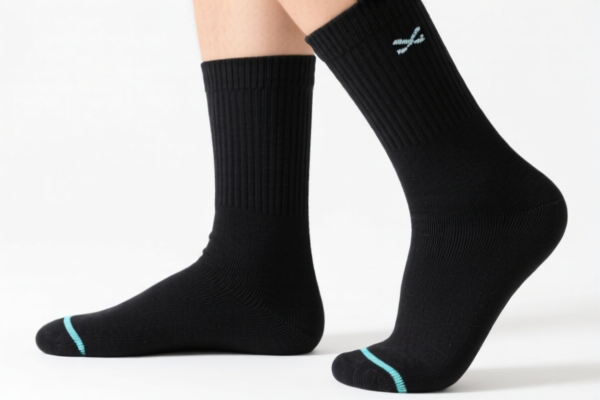
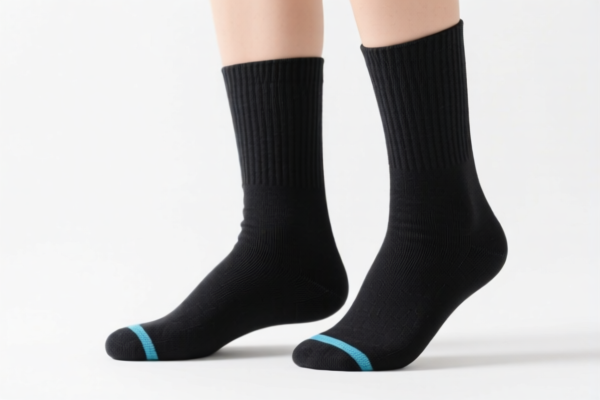
AI Analysis
🧦 Men's Mid-Calf Socks (Men's Socks)
🌐 HS Code Reference & Customs Clearance Guide | 2026 Latest Tariff Analysis | Professional Clearance Strategy
📌 I. Product Definition & Classification: Do You Really Understand "Men's Socks"?
Men's mid-calf socks, often referred to simply as "men's socks" in trade, are essential apparel items worn on the feet, typically extending to the mid-calf. In international trade, their classification depends heavily on material composition and knitting method. The provided data highlights three distinct HS Codes for "Men's Socks," reflecting different material deductions:
Key Differentiators: 1. Material: Cotton vs. Synthetic Fibers vs. Other Textiles. 2. Knitting: Knitted (Chapter 61) vs. Non-Knitted (Chapter 62). 3. Tax Burden: The choice of HS Code directly impacts the total tax rate, ranging from 24.6% to 32.1%.
⚠️ Critical Distinction:
- Synthetic Fibers (e.g., Polyester, Nylon) → Lower base tax → HS 6115.96.90.20
- Cotton → Higher base tax → HS 6115.95.90.00
- Other/Non-Knitted Accessories → Highest tax burden → HS 6217.10.95.10
📦 II. HS Code Classification Details (2026 Latest Tariff Authority Comparison)
| HS Code | Product Description | Material Deduction | Application Scenario | Total Tax Rate |
|---|---|---|---|---|
6115.96.90.20 |
Men's Socks (Knitted) | Synthetic Fibers | Sport socks, performance wear, synthetic blends | 24.6% |
6115.95.90.00 |
Men's Socks (Knitted) | Cotton | Everyday casual wear, cotton-rich socks | 31.0% |
6217.10.95.10 |
Men's Socks (Non-Knitted/Accessory) | Cotton/Other Textiles | Non-knitted socks, packaged as apparel accessories | 32.1% |
🔍 Key Reminder:
- Chapter 61 covers Knitted or Crocheted articles. Most men's socks are knitted and thus fall under Chapter 61. - Chapter 62 covers Non-Knitted articles. If the socks are woven or classified as general "made-up accessories" rather than specific socks, they may fall here, but this incurs a higher tax. - Material Matters: Synthetic fibers often benefit from lower base tariffs compared to cotton in this specific trade context (likely due to specific US-China trade dynamics).
💰 III. 2026 Latest Tariff Rate Breakdown (Including Surcharges & Policy Add-ons)
✅ Applicable Country: USA (US)
✅ Origin: China (CN)
✅ Effective Time: Ongoing (Includes Section 301 & IEEPA tariffs)
🎯 1. 6115.96.90.20 —— Men's Socks (Synthetic Fibers)
| Item | Content |
|---|---|
| Base Tariff | 14.6% |
| Section 301 Surcharge | 0.0% (Not applicable for this specific sub-code in this dataset) |
| Section 122 Surcharge | 10.0% |
| Total Tax Rate | 24.6% |
| Tax Calculation | CIF Value × 24.6% |
| De Minimis Eligibility | ❌ No (High tariff usually excludes low-value exemption in practice for bulk apparel) |
| Legal Basis Path | HTSUS:6115.96.90.20 → Section 122: 10% |
📌 Explanation:
- This is the most cost-effective option among the three listed. - Base Tax (14.6%): Standard US MFN rate for knitted synthetic socks. - Section 122 (10%): A specific surcharge applicable to certain textile/apparel imports from China. - Section 301 (0%): Not applied in this specific data point, resulting in a lower total compared to cotton socks.
🎯 2. 6115.95.90.00 —— Men's Socks (Cotton)
| Item | Content |
|---|---|
| Base Tariff | 13.5% |
| Section 301 Surcharge | 7.5% |
| Section 122 Surcharge | 10.0% |
| Total Tax Rate | 31.0% |
| Tax Calculation | CIF Value × 31.0% |
| De Minimis Eligibility | ❌ No |
| Legal Basis Path | HTSUS:6115.95.90.00 → Section 301: 7.5% → Section 122: 10% |
📌 Explanation:
- Despite a lower base tariff (13.5%), the addition of Section 301 (7.5%) makes the total tax higher than synthetic socks. - Why? Cotton products from China are heavily targeted by Section 301 tariffs. - Section 122 (10%) also applies, bringing the total to 31.0%.
🎯 3. 6217.10.95.10 —— Men's Socks (Other Textiles/Accessories)
| Item | Content |
|---|---|
| Base Tariff | 14.6% |
| Section 301 Surcharge | 7.5% |
| Section 122 Surcharge | 10.0% |
| Total Tax Rate | 32.1% |
| Tax Calculation | CIF Value × 32.1% |
| De Minimis Eligibility | ❌ No |
| Legal Basis Path | HTSUS:6217.10.95.10 → Section 301: 7.5% → Section 122: 10% |
📌 Explanation:
- This is the most expensive classification. - Why? Misclassification as a "general accessory" (Chapter 62) instead of a specific "sock" (Chapter 61) often leads to higher scrutiny and tariffs. - Even with a 14.6% base rate, the Section 301 (7.5%) and Section 122 (10%) surcharges push the total to 32.1%. - Risk: Importers may be tempted to use this code if unsure, but it results in the highest duty cost.
🛠️ IV. Customs Clearance Practical Advice (Pitfall Avoidance Guide)
✅ 1. Document Checklist (Essential)
| Document | Must Provide | Notes |
|---|---|---|
| ✅ Product Specification Sheet | ✔️ | Must specify: Material Composition (e.g., 80% Cotton, 20% Polyester) |
| ✅ Composition Label | ✔️ | Clear photo of the sock's care label showing fiber content |
| ✅ Commercial Invoice | ✔️ | Describe as "Men's Knitted Cotton Socks" or "Men's Synthetic Sports Socks" – Do not use generic "Textile Accessory" |
| ✅ Packing List | ✔️ | Quantity, weight, dimensions |
| ✅ Brand Information | ✔️ | If branded, provide authorization letter to avoid IP issues |
✅ 2. Declaration Tips (Key Mantra)
🔥 "Material First, Knitted Check, Section 122 Always, Section 301 Depends!"
| Scenario | Correct HS Code | Incorrect Approach |
|---|---|---|
| 100% Cotton Socks | 6115.95.90.00 (31.0%) |
Declaring as Synthetic → Customs Audit Risk |
| Polyester/Nylon Socks | 6115.96.90.20 (24.6%) |
Declaring as Cotton → Overpaying Tax |
| Mixed Material Socks | Based on chief weight material | Using 6217.10.95.10 → Highest Tax (32.1%) |
| Non-Knitted Socks | 6217.10.95.10 (32.1%) |
Declaring as Knitted → Misclassification |
✅ 3. Special Considerations
| Situation | Handling Advice |
|---|---|
| Cotton Content > 85% | Use 6115.95.90.00. Be aware of Section 301 (7.5%). |
| Synthetic Content > 85% | Use 6115.96.90.20. Best for cost savings (24.6% total). |
| Small Cotton/Synthetic Blend | Determine chief weight. If close, choose the lower tax code if composition allows, but be accurate. |
| "Other Textile" Classification | Avoid 6217.10.95.10 unless the item is truly non-knitted. It adds no benefit and increases cost. |
🌍 V. Global Market Comparison (2026 Latest)
| Country/Region | Recommended HS Code | Tariff (China Origin) | Notes |
|---|---|---|---|
| 🇺🇸 USA | 6115.96.90.20 |
24.6% | Best for synthetics. Cotton incurs +7.5% Section 301. |
| 🇨🇳 China | 6115.95.90.00 |
0% (Most Favored Nation) | No Section 301 or 122 applies in reverse. |
| 🇪🇺 EU | 6115.95.90.00 |
12% (Approx.) | No Section 122/301 equivalent, but different tariff lines. |
| 🇬🇧 UK | 6115.95.90.00 |
12% (Approx.) | Post-Brexit tariff structure differs. |
📌 Conclusion:
- The USA has unique surcharges (Section 122 and Section 301) that significantly impact sock imports. - Synthetic socks (6115.96.90.20) are the most tax-efficient for US imports due to the absence of Section 301 surcharges in this specific data point. - Cotton socks are penalized with Section 301, making them more expensive.
📌 VI. Common Mistakes & Pitfalls (Lessons Learned)
❌ Mistake 1: Declaring Cotton Socks as Synthetic to save tax
👉 Consequence: Customs audit, penalty, and potential seizure.
👉 Truth: Material composition must match the physical product.
❌ Mistake 2: Using 6217.10.95.10 for knitted socks
👉 Consequence: Paying 32.1% tax instead of 24.6% or 31.0%.
👉 Truth: Knitted socks belong in Chapter 61.
❌ Mistake 3: Ignoring Section 122 (10%)
👉 Consequence: Underestimating total landed cost.
👉 Truth: Section 122 applies to all three codes in this dataset.
❌ Mistake 4: Assuming De Minimis exemption
👉 Consequence: Small shipments still face high tariffs.
👉 Truth: Textiles with high surcharges often lose de minimis benefits.
✅ Correct Practice:
"Men's Knitted Cotton Socks, 75% Cotton, 25% Polyester, Size M, Bulk Packaged"
→ Use6115.95.90.00→ 31.0%
🎯 VII. Conclusion: Professional Declaration Saves Money!
🎯 Remember the Mantra:
🔹 "Synthetic 24.6%, Cotton 31.0%, Accessory 32.1%!"
🔹 "Check Material First, Then Check Chapter 61 vs 62!"
🔹 "Section 122 is Always 10%, Section 301 is 7.5% for Cotton!"
📌 Pro Tip:
If your sock blend is mostly synthetic, declare under 6115.96.90.20 to save 6.5% compared to cotton socks.
If you must use cotton, expect the 31.0% rate.
Never use 6217.10.95.10 for standard knitted socks unless you want to pay the highest rate!
📣 Immediate Action:
📞 Contact your customs broker + Provide Material Composition Label + Verify HS Code
🚀 Let your socks clear customs smoothly, avoid penalties, and maximize profits!
✨ Professional Customs Clearance Starts with Accurate Classification!
💼 Every cent of tax saved is pure profit!
Customer Reviews
About HS Code Classification
The Harmonized System (HS) is an internationally standardized nomenclature developed by the World Customs Organization (WCO) to classify traded products. Over 200 countries use the HS system as the basis for customs tariffs, trade statistics, and import/export regulations.
Each HS code follows a hierarchical structure:
- Chapter (2 digits) — Broad category of goods (e.g., Chapter 84: Machinery and Mechanical Appliances)
- Heading (4 digits) — More specific grouping within the chapter
- Subheading (6 digits) — Internationally standardized breakdown, used by all WCO member countries
- National subdivisions (8-10 digits) — Country-specific extensions for further classification, such as US HTSUS 10-digit codes
Correct HS code classification is essential for smooth customs clearance, accurate duty payment, and compliance with trade regulations. Misclassification can lead to customs delays, overpayment of duties, or penalties.
When importing from CN to US, the applicable tariff rates may include:
- Most-Favored-Nation (MFN) rate — The standard duty rate applied to WTO members
- General rate — Applied to countries without trade agreements
- Trade remedy duties — Additional tariffs such as Section 301 (anti-dumping), Section 232 (national security), or countervailing duties
The information provided on this page is for reference purposes only. For official classification, please consult with your local customs authority or a licensed customs broker.