男士裤子
CN → US| HS Code | Tariff Rate | Origin | Destination | Doc |
|---|---|---|---|---|
| 6203424511 | 34.1% | CN | US | Official Doc |
| 6103431520 | 38.2% | CN | US | Official Doc |
| 6211335030 | 33.5% | CN | US | Official Doc |
| 6211329040 | 18.1% | CN | US | Official Doc |
| 6203439011 | 45.4% | CN | US | Official Doc |
Product Images
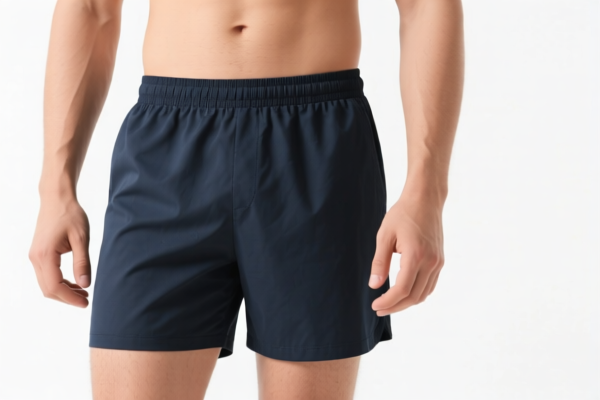
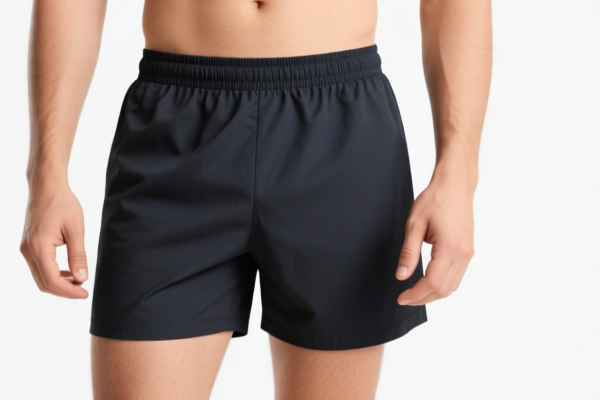

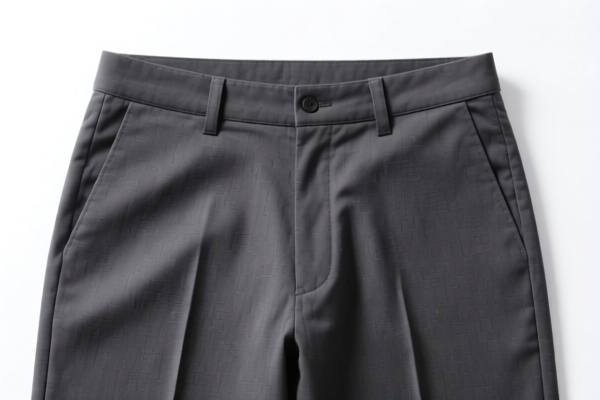
AI Analysis
👖 Men's Trousers/Pants (Men's Bottoms)
🌐 HS Code Reference & Customs Clearance Guide | 2026 Latest Tariff Analysis | Professional Classification Strategy
📌 I. Product Definition & Classification: Are You Classifying "Men's Pants" Correctly?
Men's trousers are a staple of international apparel trade, but their classification hinges entirely on Material Composition and Manufacturing Method (Knitted vs. Woven). A slight error in material identification can lead to massive tariff discrepancies.
In international trade, "Men's Pants" are primarily divided into two major categories based on HS Code chapters:
1. Woven Trousers (Chapter 62):
Made from non-knitted fabric (e.g., denim, cotton twill, synthetic blends). These are "sewn" or "stitched" rather than knitted.
Key HS Codes: 6203, 6211
2. Knitted Trousers (Chapter 61):
Made from knitted or crocheted fabric (e.g., sweatpants, jersey trousers). These are "knitted."
Key HS Code: 6103
⚠️ Critical Distinction Point:
- If the fabric is Knitted (stretchy, looped structure) → Chapter 61
- If the fabric is Woven (tight grid, no stretch or minimal stretch) → Chapter 62
📦 II. HS Code Classification Details (Based on Provided Data)
| HS Code | Product Description | Material Inference | Application Scenario |
|---|---|---|---|
6203.42.45.11 |
Men's Trousers, Woven | Cotton (Cotton) | Woven cotton pants, likely casual or workwear. |
6103.43.15.20 |
Men's Trousers, Knitted | Synthetic Fibers | Knitted synthetic pants, likely sweatpants or athletic wear. |
6211.33.50.30 |
Men's Trousers, Woven | Synthetic Fibers | Other woven synthetic trousers (e.g., rain pants, specialized outerwear). |
6211.32.90.40 |
Men's Trousers, Woven | Cotton (Cotton) | Other woven cotton trousers (e.g., lightweight summer pants). |
6203.43.90.11 |
Men's Trousers, Woven | Synthetic Fibers | Woven synthetic trousers, likely standard dress or casual pants. |
🔍 Key Reminder:
- Fabric Type is King: Always check the fabric label. "Synthetic" usually means Polyester, Nylon, or Acrylic. "Cotton" means >= 85% Cotton. - Chapter 62 vs. 61: If it's a "sweatpant" made of fleece, it's likely 6103 (Knitted). If it's "chinos" or "dress slacks," it's likely 6203 (Woven).
💰 III. 2026 Latest Tariff Rate Breakdown (Including Surtaxes & Policy Surcharges)
✅ Applicable Country: United States (US)
✅ Origin: China (CN)
✅ 生效时间: Current rates apply (Based on Section 301 & Section 122 clauses)
🎯 1. 6203.42.45.11 — Men's Trousers, Woven, Cotton
| Item | Detail |
|---|---|
| Base Duty | 16.6% |
| Section 301 Surtax | 7.5% |
| Section 122 Duty | 10.0% |
| Total Tax Rate | 34.1% |
| Tax Calculation | CIF Value × 34.1% |
| Legal Basis Path | USITC:6203.42.45.11 → Section 301 Footnote → Section 122 Clause |
📌 Explanation:
- Base Duty (16.6%): Standard MFN rate for woven cotton trousers. - Section 301 (7.5%): Retaliatory tariff on Chinese goods. - Section 122 (10%): Additional duty under specific trade provisions. - Total: 34.1% is a high tariff, requiring careful cost calculation.
🎯 2. 6103.43.15.20 — Men's Trousers, Knitted, Synthetic
| Item | Detail |
|---|---|
| Base Duty | 28.2% |
| Section 301 Surtax | 7.5% |
| Section 122 Duty | 10.0% |
| Total Tax Rate | 45.7% |
| Tax Calculation | CIF Value × 45.7% |
| Legal Basis Path | USITC:6103.43.15.20 → Section 301 Footnote → Section 122 Clause |
📌 Explanation:
- Base Duty (28.2%): Knitted synthetic garments often have higher base rates than woven cotton. - Total: 45.7% is the highest in this dataset. Knitted synthetic pants face the heaviest burden.
🎯 3. 6211.33.50.30 — Men's Trousers, Woven, Synthetic
| Item | Detail |
|---|---|
| Base Duty | 16.0% |
| Section 301 Surtax | 7.5% |
| Section 122 Duty | 10.0% |
| Total Tax Rate | 33.5% |
| Tax Calculation | CIF Value × 33.5% |
| Legal Basis Path | USITC:6211.33.50.30 → Section 301 Footnote → Section 122 Clause |
📌 Explanation:
- Base Duty (16.0%): Slightly lower than 6203 category. - Total: 33.5% is competitive compared to other synthetic options.
🎯 4. 6211.32.90.40 — Men's Trousers, Woven, Cotton
| Item | Detail |
|---|---|
| Base Duty | 8.1% |
| Section 301 Surtax | 7.5% |
| Section 122 Duty | 10.0% |
| Total Tax Rate | 25.6% |
| Tax Calculation | CIF Value × 25.6% |
| Legal Basis Path | USITC:6211.32.90.40 → Section 301 Footnote → Section 122 Clause |
📌 Explanation:
- Base Duty (8.1%): Lowest base duty in the dataset for cotton. - Total: 25.6% is the lowest total tax rate for Men's Trousers in this data. Highly recommended for cost-saving.
🎯 5. 6203.43.90.11 — Men's Trousers, Woven, Synthetic
| Item | Detail |
|---|---|
| Base Duty | 27.9% |
| Section 301 Surtax | 7.5% |
| Section 122 Duty | 10.0% |
| Total Tax Rate | 45.4% |
| Tax Calculation | CIF Value × 45.4% |
| Legal Basis Path | USITC:6203.43.90.11 → Section 301 Footnote → Section 122 Clause |
📌 Explanation:
- Base Duty (27.9%): High base duty for woven synthetic. - Total: 45.4% is nearly as high as the knitted synthetic option. Avoid if possible unless specific product features require this code.
🛠️ IV. Customs Clearance Practical Advice (Avoid Pitfalls)
✅ 1. Essential Documentation Checklist
| Document | Mandatory? | Purpose |
|---|---|---|
| ✅ Fabric Composition Label | ✔️ | Critical. Must state "% Cotton" or "% Synthetic". Mislabeling leads to reclassification and penalties. |
| ✅ Product Photos | ✔️ | Show front, back, and fabric close-up to prove Woven vs. Knitted. |
| ✅ Commercial Invoice | ✔️ | Clearly state "Men's Trousers, [Material]" and HS Code. |
| ✅ Packing List | ✔️ | Detail quantity, weight, and dimensions. |
| ✅ Origin Certificate | ✔️ | If applicable, for potential exemptions (though rare for CN-US direct trade under current tariffs). |
✅ 2. Classification Strategy (Key Mantras)
🔥 "Woven = 62, Knitted = 61. Cotton = Lower Duty, Synthetic = Higher Duty!"
| Scenario | Correct HS Code Strategy | Common Mistake |
|---|---|---|
| Cotton Chinos | 6203.42.45.11 or 6211.32.90.40 |
Misclassifying as synthetic → Higher tax. |
| Synthetic Sweatpants | 6103.43.15.20 |
Misclassifying as woven → Wrong chapter, huge penalty. |
| Polyester Dress Pants | 6203.43.90.11 |
Using "trousers" generic term without material spec. |
| Lightweight Cotton Pants | 6211.32.90.40 |
Best for low duty (25.6%). |
✅ 3. Special Cases
| Situation | Advice |
|---|---|
| Mixed Fabric (>85% Cotton) | Classify as Cotton (Chapter 62). Use codes 6203.42... or 6211.32.... |
| Mixed Fabric (>50% Synthetic) | Classify as Synthetic. Use codes 6203.43... or 6103.43.... |
| Denim Jeans | Usually fall under 6203.42.40 (Cotton) or 6203.43.40 (Synthetic). Check specific subheadings for exact fit. |
| Workwear/Uniforms | Often fall under 6211 (Other garments). Check if they fit "specialized" criteria for lower base duties. |
🌍 V. Global Market Comparison (2026)
| Country/Region | Recommended HS Code | Base Duty | Additional Surtaxes | Total Estimate | Notes |
|---|---|---|---|---|---|
| 🇺🇸 USA | 6211.32.90.40 (Cotton) |
8.1% | +17.5% (301+122) | 25.6% | Lowest US Rate for this data. |
| 🇺🇸 USA | 6103.43.15.20 (Synth) |
28.2% | +17.5% (301+122) | 45.7% | Highest US Rate. |
| 🇨🇳 China | Varies | 5-15% | None | ~10-20% | No Section 301/122. |
| 🇪🇺 EU | 6203/6103 | 12% | None | 12% | No Section 122. |
| 🇬🇧 UK | 6203/6103 | 12% | None | 12% | Post-Brexit rates apply. |
📌 Conclusion:
- USA is the most expensive market due to Section 301 and Section 122 tariffs. - Cotton Woven Pants (6211.32.90.40) offer the best cost efficiency in the US market among the provided options. - Synthetic Knitted Pants (6103.43.15.20) are the most expensive and should be avoided if alternative materials are feasible.
📌 VI. Common Errors & Pitfalls (Blood Lessons)
❌ Error 1: Classifying Knitted Sweatpants as Woven Trousers
👉 Consequence: Wrong Chapter (62 instead of 61). Penalties, delays, and potential seizure.
❌ Error 2: Misidentifying Cotton Blend as Synthetic
👉 Consequence: Tax jumps from 25.6% to 45.4%. Cost increase of nearly 20%!
❌ Error 3: Not specifying Material in Invoice
👉 Consequence: Customs may classify under the "highest duty" default category. Always be explicit.
❌ Error 4: Using "Pants" for Shorts
👉 Consequence: Shorts may have different subheadings (e.g., 6203.42.40 vs 6203.42.45). Check exact garment length.
✅ Correct Practice:
"Men's Cotton Woven Trousers, 100% Cotton, Khaki Color, Model XYZ"
→ Use6211.32.90.40for lowest duty.
🎯 VII. Conclusion: Precise Classification for Profit Maximization
🎯 Remember Mantras:
🔹 "Cotton Woven is King (Lowest Duty)"
🔹 "Synthetic Knitted is Queen (Highest Duty)"
🔹 "Material % Determines Code, Code Determines Profit!"
📌 Pro Tip:
If you can switch from Synthetic to Cotton, or from Knitted to Woven (where design allows), you can save up to 20% in tariffs on the US market.
Always request a Pre-Classification Ruling from US Customs and Border Protection (CBP) before large shipments.
📣 Immediate Action:
📞 Verify Fabric Content %
📄 Select HS Code from the table above
🚀 Save 20%+ on US Imports by Choosing6211.32.90.40!
✨ Professional Customs Clearance Starts with Accurate Classification!
💼 Every Percent of Duty Saved is Pure Profit!
Customer Reviews
About HS Code Classification
The Harmonized System (HS) is an internationally standardized nomenclature developed by the World Customs Organization (WCO) to classify traded products. Over 200 countries use the HS system as the basis for customs tariffs, trade statistics, and import/export regulations.
Each HS code follows a hierarchical structure:
- Chapter (2 digits) — Broad category of goods (e.g., Chapter 84: Machinery and Mechanical Appliances)
- Heading (4 digits) — More specific grouping within the chapter
- Subheading (6 digits) — Internationally standardized breakdown, used by all WCO member countries
- National subdivisions (8-10 digits) — Country-specific extensions for further classification, such as US HTSUS 10-digit codes
Correct HS code classification is essential for smooth customs clearance, accurate duty payment, and compliance with trade regulations. Misclassification can lead to customs delays, overpayment of duties, or penalties.
When importing from CN to US, the applicable tariff rates may include:
- Most-Favored-Nation (MFN) rate — The standard duty rate applied to WTO members
- General rate — Applied to countries without trade agreements
- Trade remedy duties — Additional tariffs such as Section 301 (anti-dumping), Section 232 (national security), or countervailing duties
The information provided on this page is for reference purposes only. For official classification, please consult with your local customs authority or a licensed customs broker.