男士长裤
CN → US| HS Code | Tariff Rate | Origin | Destination | Doc |
|---|---|---|---|---|
| 6103411010 | 0.0% | CN | US | Official Doc |
| 6203413010 | 0.0% | CN | US | Official Doc |
| 6203416010 | 0.0% | CN | US | Official Doc |
| 6114303060 | 32.4% | CN | US | Official Doc |
| 6103431520 | 38.2% | CN | US | Official Doc |
Product Images


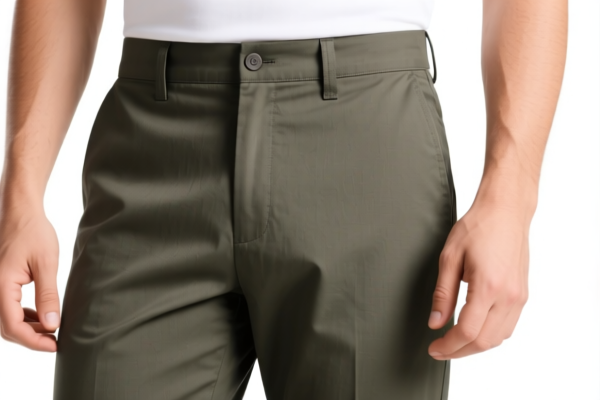
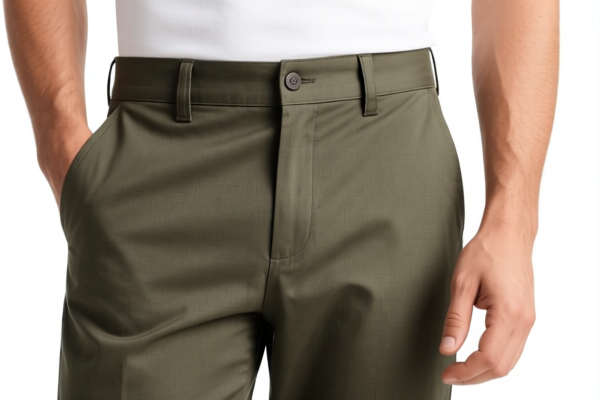
AI Analysis
🕶️ Men's Trousers (Men's Long Pants)
🌐 HS Code Classification & Clearance Guide | 2026 Tariff Deep Dive | Strategic Entry Solutions
📌 I. Product Definition & Classification: What Exactly Are "Men's Long Pants"?
In the world of international trade, Men's Long Pants are not just one simple category. They are segmented by Material and Fabric Composition, which dramatically impacts their tariff rate.
The classification logic hinges on two main factors:
1. Material Composition: Is it made of Wool (Natural Fiber) or Elastic Fibers (Synthetic/Man-made)?
2. Construction: Are they knitted (Chapter 61) or woven (Chapter 62)?
(Note: Based on the provided data, all entries fall under Chapter 61 or 62, implying Knitted or Woven structures respectively.)
⚠️ Critical Distinction:
- Wool Men's Pants fall into specific 6-digit HS Codes (6103for Knitted,6203for Woven).
- Elastic Fiber Men's Pants (Spandex/Lycra blends) fall into different codes depending on weight and weave (6114or6103).
- Misclassification Risk: Declaring "Wool" as "Cotton" or "Elastic" can lead to 10-30% tariff differences and potential fines.
📦 II. HS Code Classification Details (Based on Provided Data)
| HS Code | Product Description | Material Type | Fabric Type | Application |
| :--- | :--- | :--- | :--- :--- |
| 6103.41.10.10 | Men's Trousers, Knitted | Wool | Knitted | Men's Wear |
| 6203.41.30.10 | Men's Trousers, Woven | Wool | Woven | Men's Wear |
| 6203.41.60.10 | Men's Trousers, Woven | Wool | Woven (Specific) | Men's Wear |
| 6114.30.30.60 | Men's Trousers, Knitted | Elastic Fibers | Knitted (Other) | Men's Wear |
| 6103.43.15.20 | Men's Trousers, Knitted | Elastic Fibers | Knitted (Specific) | Men's Wear |
🔍 Key Insight:
- Codes 6103 & 6203 start with "Men's" + specific fabric.6103= Knitted Wool Pants;6203= Woven Wool Pants.
- Code 6114 and 6103.43 cover Elastic/Synthetic fiber pants, which are Knitted (Chapter 61).
- Wool generally incurs higher base tariffs ($/kg + %) compared to some elastic fiber blends, but the Trade War Surcharges apply differently.
💰 III. 2026 Tariff Rate Breakdown (USA Import from China)
✅ Target Market: USA
✅ Origin: China (CN)
✅ Tariff Structure: Base Duty + Section 301 (Add-on) + Section 122 (Additional)
🎯 1. Wool Men's Trousers (High Base Tariff + Aggressive Surcharges)
A. Knitted Wool (6103.41.10.10)
| Item | Detail |
| :--- | :--- |
| Base Tariff | 61.1¢/kg + 15.8% |
| Add-on Duty (Section 301) | +7.5% |
| Section 122 Duty | +10% |
| 🔥 Total Effective Tax | 61.1¢/kg + 15.8% + 7.5% + 10% |
| Impact | Highest Cost Category (Weight-based + High % rates) |
B. Woven Wool (6203.41.30.10 & 6203.41.60.10)
| Item | Detail |
| :--- | :--- |
| Base Tariff | 41.9¢/kg + 16.3% |
| Add-on Duty (Section 301) | +7.5% |
| Section 122 Duty | +10% |
| 🔥 Total Effective Tax | 41.9¢/kg + 16.3% + 7.5% + 10% |
| Impact | Moderate-High Cost (Lower base weight rate than knitted wool) |
📌 Interpretation:
- Weight-Based Component: Notice the ¢/kg (cents per kilogram) base tariff. This is a Specific Duty, meaning heavy wool pants incur higher costs than light synthetic pants, regardless of value.
- Percentage Component: The ad valorem % (15.8% - 16.3%) is added on top of the goods value.
- Aggressive Surcharges: The +7.5% (Section 301) and +10% (Section 122) are additional layers on top of the base, totaling a massive tariff burden.
🎯 2. Elastic Fiber Men's Trousers (Varied Base Rates)
A. Elastic Fibers Knitted (6114.30.30.60)
| Item | Detail |
| :--- | :--- |
| Base Tariff | 14.9% (Ad Valorem only, no weight tax) |
| Add-on Duty (Section 301) | +7.5% |
| Section 122 Duty | +10% |
| 🔥 Total Effective Tax | 32.4% |
| Impact | Moderate Cost (Simpler calculation: purely % based) |
B. Elastic Fibers Knitted (Specific) (6103.43.15.20)
| Item | Detail |
| :--- | :--- |
| Base Tariff | 28.2% |
| Add-on Duty (Section 301) | 0.0% (Exempt!) |
| Section 122 Duty | +10% |
| 🔥 Total Effective Tax | 38.2% |
| Impact | Higher Base, Lower Surcharges (Total is high due to base, but saves on the 7.5% add-on) |
📌 Interpretation:
-6114.30.30.60is the "Cleanest" option: 14.9% base + 17.5% surcharge = 32.4%.
-6103.43.15.20is a trap: 28.2% base + 10% surcharge = 38.2%. The Base Tariff is nearly double, even though it avoids the 7.5% Section 301 surcharge.
- Elastic Fiber vs. Wool: Generally, Elastic Fiber pants have a lower total tax burden than Wool pants in this dataset.
🛠️ IV. Customs Clearance Strategy & Practical Advice
✅ 1. Material Declaration is King
🔥 The Golden Rule: "Wool gets hit hard by weight; Elastic gets hit by value."
- Wool Pants: Must declare exact Weight (kg). A 20kg shipment of wool pants could cost significantly more in specific duties than 20kg of light elastic pants.
- Elastic Pants: Focus on CIF Value. The higher the invoice value, the higher the tax (since it's % based).
✅ 2. Avoid the "Section 301" + "Section 122" Trap
- Total Surcharges: For most items, you are facing +17.5% in extra taxes (7.5% + 10%).
- Exception: Only
6103.43.15.20avoids the 7.5% Section 301, but pays a much higher Base Rate (28.2% vs 14.9%).- Strategy: Compare Weight x Base Rate vs Value x Base Rate.
- Scenario: If wool pants are heavy but cheap (low value), the
6103.41.10.10(weight tax) might be worse than expected.- Scenario: If elastic pants are expensive luxury brands, the
6114.30.30.60(14.9% + 17.5%) is better than6103.43.15.20(28.2% + 10%).
✅ 3. Required Documentation Checklist
| Document | Why It Matters |
|---|---|
| Fabric Composition Certificate | CRITICAL: Must explicitly state "100% Wool" or "95% Nylon + 5% Elastane" to match HS Code. |
| Weight Declaration Sheet | CRITICAL: For 6103.41.10.10 and 6203 codes, the kg weight is used to calculate the specific duty. |
| HS Code Pre-Ruling | Highly recommended for 6103.43.15.20 vs 6114.30.30.60 differentiation to avoid 38.2% vs 32.4% errors. |
| Invoice (CIF Value) | Must be accurate; errors lead to penalties and audits. |
| Bill of Lading | Verify "Country of Origin: China" triggers the correct surcharges. |
✅ 4. Clever Declaration Tips (Pro-Tips)
🔥 Tip 1: "Wool" vs. "Blended Wool"
If your pants are 55% Wool / 45% Polyester, they might fall under Cotton/Man-made codes (if wool < 50% or specific rules), potentially avoiding the6103.41/6203.41high taxes. Consult a broker on blending rules!🔥 Tip 2: Elastic Fiber Classification
Ensure the elastic fiber content is correctly categorized. Is it "Spandex" (Elastomer) or just "Elasticized"?
-6114(Other articles of apparel) is often safer for casual stretch pants.
-6103.43is for specific knitted trousers. If misclassified, you pay the higher 38.2%.🔥 Tip 3: Volume Discounting
Since6103.41.10.10and6203use ¢/kg, lighter weight pants save money. Use thin wool or lightweight elastic fabrics to reduce the specific duty base.
🌍 V. Global Market Comparison (Quick View)
| Market | Wool Pants Tax (Approx) | Elastic Pants Tax (Approx) | Recommendation |
|---|---|---|---|
| 🇺🇸 USA | ~33.3% + Weight Fee | 32.4% ~ 38.2% | High Risk. Avoid Wool if possible; verify Elastic fiber HS Code. |
| 🇪🇺 EU | Lower Base, No 301 | Lower Base, No 301 | Better. No Section 122/301 surcharges. |
| 🇨🇳 China | 5% - 15% | 10% - 20% | Export Only. (If re-importing to China, rates differ). |
📌 Conclusion: The USA market is the most hostile for Chinese textile imports right now due to the +7.5% +10% = 17.5% surcharge layer. Wool pants are the most expensive due to the specific weight tax.
🎯 VI. Final Verdict & Action Plan
🔹 For Wool Pants (
6103/6203):
Expect Heavy Tax. The combination of specific duty (¢/kg) + high percentage + 17.5% surcharge makes this the most expensive category.
Action: Optimize fabric weight, or consider sourcing from a third country (e.g., Vietnam) if possible to bypass origin-based surcharges.🔹 For Elastic Fiber Pants (
6114/6103.43):
6114.30.30.60is the Gold Standard (32.4% total).
6103.43.15.20is a Trap (38.2% total) despite the 0% surcharge.
Action: Verify your fabric blend. If it fits6114, declare as such! If it must be6103.43, be prepared for higher costs.✅ Remember:
"Wool = Weight + % + Surcharge."
"Elastic = Pure % (Watch out for Base Rate)."
📌 Disclaimer:
This guide is based on the specific provided data (HS Codes and Tax Rates). Tariff rates are subject to change based on US Customs (CBP) rulings, Section 301 updates, and Section 122 policy changes. Always verify with a licensed customs broker before shipping.
🚀 Ready to Ship?
Double-check your fabric tags, weigh your samples, and select the HS Code that minimizes your tax burden!
💡 Smart Classification = Big Savings!
Customer Reviews
About HS Code Classification
The Harmonized System (HS) is an internationally standardized nomenclature developed by the World Customs Organization (WCO) to classify traded products. Over 200 countries use the HS system as the basis for customs tariffs, trade statistics, and import/export regulations.
Each HS code follows a hierarchical structure:
- Chapter (2 digits) — Broad category of goods (e.g., Chapter 84: Machinery and Mechanical Appliances)
- Heading (4 digits) — More specific grouping within the chapter
- Subheading (6 digits) — Internationally standardized breakdown, used by all WCO member countries
- National subdivisions (8-10 digits) — Country-specific extensions for further classification, such as US HTSUS 10-digit codes
Correct HS code classification is essential for smooth customs clearance, accurate duty payment, and compliance with trade regulations. Misclassification can lead to customs delays, overpayment of duties, or penalties.
When importing from CN to US, the applicable tariff rates may include:
- Most-Favored-Nation (MFN) rate — The standard duty rate applied to WTO members
- General rate — Applied to countries without trade agreements
- Trade remedy duties — Additional tariffs such as Section 301 (anti-dumping), Section 232 (national security), or countervailing duties
The information provided on this page is for reference purposes only. For official classification, please consult with your local customs authority or a licensed customs broker.