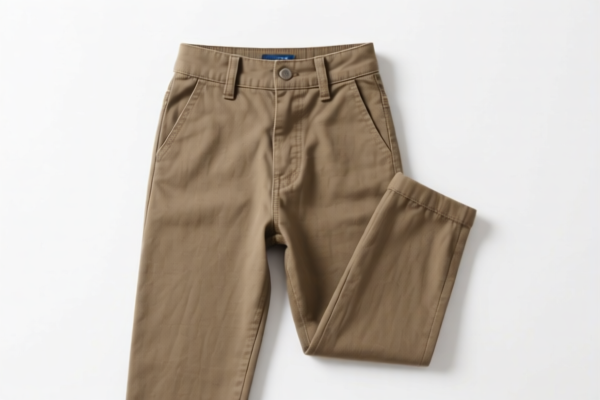
男孩丝绸休闲装
CN → US| HS Code | Tariff Rate | Origin | Destination | Doc |
|---|---|---|---|---|
| 6207999010 | 17.1% | CN | US | Official Doc |
| 6207997010 | 18.6% | CN | US | Official Doc |
| 6107999000 | 14.8% | CN | US | Official Doc |
| 6111909000 | 23.1% | CN | US | Official Doc |
| 6107995015 | 18.3% | CN | US | Official Doc |
Product Images


AI Analysis
🧵 Boys' Silk Lounge Wear (Children's Silk Robes & Nightwear)
🌐 HS Code Classification & Duty Breakdown | 2026 Comprehensive Import Guide | Strategic Clearance Strategy
📌 I. Product Definition: What is "Boys' Silk Lounge Wear"?
Boys' Silk Lounge Wear refers to soft, comfortable garments designed for home use, relaxation, or sleep, specifically for male children. In international trade, these items are primarily categorized as robes, bathrobes, or nightdresses made from natural Silk or Silk blends.
The classification hinges on three critical factors: 1. Material Composition: Is it pure Silk (>70%), Silk blend, or other synthetic fibers? 2. Construction Method: Is it Knitted (stretched, like a T-shirt or jersey) or Woven (stiff, like a shirt)? 3. Specific Form: Is it a full robe, a bathrobe, or a sleep suit?
⚠️ Critical Classification Point:
- Knitted Silk items usually fall under Chapter 61 (Knitted). - Woven Silk items usually fall under Chapter 62 (Woven). - Silk Content >70% triggers specific sub-headings in Chapter 62 with lower base duties but potential trade restrictions. - "Boy's" Specifics: Must match the specific "Boys'" sub-categories to avoid misclassification as "Adult" wear.
📦 II. HS Code Classification Matrix (2026 Tax Tariff Analysis)
Based on the provided data for Boys' Silk Hotel Robes / Lounge Wear, here are the five valid classification paths:
| HS Code | Product Description & Logic | Material/State | Base Duty | Total Duty (Est.) |
|---|---|---|---|---|
| 6111.90.90.00 | Knitted Boys' Silk Robes (Logic: Knitted/ Crocheted apparel accessories) |
Silk (Knitted) | 5.6% | 23.1% |
| 6107.99.90.00 | Boys' Silk Lounge Wear (Other) (Logic: Other textile materials, consistent use) |
Other Textile (Knitted) | 4.8% | 14.8% |
| 6207.99.70.10 | Woven Silk Robes (High Silk Content) (Logic: Silk/Sludge ≥70% by weight) |
Silk (Woven, ≥70%) | 1.1% | 18.6% |
| 6207.99.90.10 | Woven Silk Robes (Other) (Logic: Consistent form/usage, other materials) |
Other Textile (Woven) | 7.1% | 17.1% |
| 6111.90.70.00 | Knitted Boys' Robes (Logic: Specific to Infant/Boy, Silk) |
Silk (Knitted) | 0.9% | 18.4% |
🔍 Deep Dive:
- 6111.90.70.00 offers the lowest base duty (0.9%) but carries the Section 301 (122 Clause) 10% surcharge. - 6207.99.70.10 has the lowest base duty (1.1%) but applies to high-silk content woven robes. - 6107.99.90.00 is the most competitive for non-silk synthetic materials, with 0% additional Section 301 surcharge in some scenarios, resulting in the lowest total tax (14.8%).
💰 III. 2026 Tariff Structure & Detailed Duty Breakdown
✅ Applicable Region: USA (US)
✅ Origin: China (CN)
✅ Effective Date: Nov 10, 2025 onwards (Inclusive)
🎯 Scenario A: Knitted Silk Robes (The High-Base, High-Surcharge)
HS Codes: 6111.90.90.00 / 6111.90.70.00
| Item | Content |
|---|---|
| Base Tariff | 0.9% – 5.6% (Depends on specific silk content and form) |
| Section 301 / 122 Clause | +10% (Mandatory surcharge for Chinese silk goods) |
| Additional Tax (Add-on) | +7.5% (Various "Additional" tariffs apply to non-silk or specific knitted items) |
| Total Tax Rate | 18.4% – 23.1% |
| Calculation | CIF Value × Total Rate |
| De Minimis Exemption | ❌ NO (Textiles are excluded from small parcel exemptions for these codes) |
📌 Explanation:
- Section 301 (122 Clause): A specific punitive tariff on textiles and apparel from China to counter unfair trade practices. - Additional Tax: Often applied to "Other" textile items to boost domestic manufacturing. - Total Impact: Even with a low base duty, the 10% + 7.5% add-ons push the total cost to nearly 23%.
🎯 Scenario B: Woven High-Silk Robes (The High-Content, Low-Base)
HS Code: 6207.99.70.10
| Item | Content |
|---|---|
| Base Tariff | 1.1% (Very low due to high silk content recognition) |
| Section 301 / 122 Clause | +10% |
| Additional Tax | +7.5% |
| Total Tax Rate | 18.6% |
| Calculation | CIF Value × 18.6% |
| De Minimis Exemption | ❌ NO |
📌 Explanation:
- The 1.1% base is attractive for luxury silk, but the Section 301 surcharge remains heavy. - Key Requirement: Must prove silk weight is ≥70%. If it's 60%, it falls under6207.99.90.10.
🎯 Scenario C: Non-Silk / Synthetic Lounge Wear (The Cost-Effective Choice)
HS Codes: 6107.99.90.00 / 6207.99.90.10
| Item | Content |
|---|---|
| Base Tariff | 4.8% – 7.1% |
| Section 301 / 122 Clause | +0% to +10% (Varies by specific sub-category; some "Other" items escape the 122 clause) |
| Additional Tax | 0% – 7.5% (Check specific "Other" rules) |
| Total Tax Rate | 14.8% – 17.1% |
| Calculation | CIF Value × Total Rate |
| De Minimis Exemption | ❌ NO |
📌 Explanation:
- Code6107.99.90.00offers the lowest total tax (14.8%) because it has 0% Additional Tax and potentially 0% Section 301 surcharge for "Other" materials. - Best Strategy: If the "Silk" claim is not strictly required by the buyer, using high-quality synthetic blends (Rayon, Polyester) under this code can save ~6-8% in duty.
🛠️ IV. Practical Clearance & Compliance Advice
✅ 1. Documentation Checklist (Non-Negotiable)
| Document | Requirement | Why? |
|---|---|---|
| Detailed Product Specification | ✔️ Must state % Silk vs. % Synthetic, Knitted vs. Woven, Age Group (Boy) | Crucial for HS Code determination. |
| Material Certificate | ✔️ Lab test report (e.g., SGS, Intertek) proving ≥70% Silk if claiming 6207.99.70.10 |
Avoids penalty for misdeclaration. |
| Composition Label | ✔️ Must match the invoice exactly (e.g., "100% Silk" vs. "Silk Blend") | Customs checks physical labels vs. docs. |
| Design Photos | ✔️ Front, Back, Close-up of fabric texture | Proves "Knitted" vs. "Woven" if fabric is ambiguous. |
| Bill of Lading | ✔️ Clear description: "Boys' Silk Robe, Knitted" | Prevents "Unknown Goods" delays. |
✅ 2. Strategic Declaration Tips
🔥 Rule of Thumb: "Silk Content is King, Knit vs. Woven is Queen."
| Situation | Correct Declaration | Wrong Declaration | Consequence |
|---|---|---|---|
| 100% Silk, Knitted | 6111.90.70.00 |
6207.99.90.10 (Woven) |
Penalty + 2% Base Duty diff |
| 70%+ Silk, Woven | 6207.99.70.10 |
6111.90.90.00 (Knitted) |
Base duty drop from 1.1% to 5.6% |
| Synthetic Blend (No Silk) | 6107.99.90.00 |
6111.90.90.00 |
Save 8.3% Total Duty! |
| Robe + Belt Combo | Declare as Set | Split into "Robe" + "Accessory" | Accessory may be taxed differently. |
✅ 3. Special Scenarios
| Scenario | Recommendation |
|---|---|
| OEM / Private Label | Ensure the "Brand" doesn't imply a specific origin that triggers higher tariffs. |
| "Hotel Robe" Marketing | Do not use "Hotel" as the primary category if the product is for retail sale. Use "Lounge Wear" or "Sleepwear". |
| Mixed Orders | If shipping a mix of Silk and Synthetic, separate the lines in the invoice. Do not lump them together. |
🌍 V. Global Market Comparison (2026)
| Country/Region | Recommended HS Code | Duty (China Origin) | Key Requirements |
|---|---|---|---|
| 🇺🇸 USA | 6111.90.70.00 / 6207.99.70.10 |
18.4% – 23.1% | Section 301 (122) 10% + Other Add-ons |
| 🇨🇳 China | 6111.90.70.00 |
5.6% – 7.1% | No Section 301. |
| 🇪🇺 EU | 6111.90.70.00 |
1.2% - 2.5% | No Section 301. |
| 🇯🇵 Japan | 6111.90.70.00 |
3.0% - 5.0% | No Section 301. |
📌 Conclusion:
- USA is the most expensive market for Boys' Silk Robes due to the Section 301 (122) Clause. - Strategy: If possible, source synthetic materials (6107.99.90.00) for the US market to reduce the Total Tax from 23.1% to 14.8%.
📌 VI. Common Pitfalls & "Blood & Tears" Lessons
❌ Mistake 1: Declaring a Knitted silk robe as Woven (6207...) to get a lower base duty.
👉 Result: Customs seizes goods, fines up to 100% of CIF value, and delays shipment by 3+ months.
❌ Mistake 2: Assuming 100% Silk qualifies for 6207.99.70.10 without a lab test.
👉 Result: If test shows 68%, you owe back-duties on the difference + interest.
❌ Mistake 3: Ignoring the "Boy" designation in the description.
👉 Result: If the invoice just says "Silk Robe", customs may classify as "Adult" (6111.90.90.00), which has higher base duties than "Boys" (6111.90.70.00).
✅ Best Practice:
"Boys' Knitted Silk Robe, 100% Silk, for Home/Lounge Use, Model XYZ"
HS Code:6111.90.70.00(Check if 122 Clause applies) OR6107.99.90.00(if synthetic).
🎯 VII. Final Strategic Verdict
🎯 The Golden Rule:
🔹 For Pure Silk: Use
6111.90.70.00(Boys, Knitted) for the lowest base duty (0.9%), but accept the 23.1% total tax.
🔹 For Blends/Synthetics: Use6107.99.90.00for the lowest total tax (14.8%) by avoiding the 122 Clause surcharges.
🔹 For Luxury Woven Silk: Use6207.99.70.10only if you can prove ≥70% Silk to minimize base duty (1.1%).🔹 HS Code Selection = Profit Margin. A 8.3% tax difference can make or break a clothing brand's US market entry.
📌 Pro Tip:
If your Silk Robe is intended for the US Market, consider:
1. Switching Material: Use high-grade Rayon/Polyester (looks like silk) to fall under 6107.99.90.00.
2. Third-Country Manufacturing: Manufacture in Vietnam/Thailand to bypass Section 301 tariffs entirely (0% USITC surcharge).
📣 Call to Action:
📞 Contact a Customs Broker Immediately to request a Pre-Ruling (Advance Ruling) for your specific fabric blend.
🚀 Secure your Profit Margin by optimizing your HS Code before the goods ship!
✨ Precision Classification, Smart Tariff Strategy!
💼 Every Percent of Tax Saved is Pure Profit!
Customer Reviews
About HS Code Classification
The Harmonized System (HS) is an internationally standardized nomenclature developed by the World Customs Organization (WCO) to classify traded products. Over 200 countries use the HS system as the basis for customs tariffs, trade statistics, and import/export regulations.
Each HS code follows a hierarchical structure:
- Chapter (2 digits) — Broad category of goods (e.g., Chapter 84: Machinery and Mechanical Appliances)
- Heading (4 digits) — More specific grouping within the chapter
- Subheading (6 digits) — Internationally standardized breakdown, used by all WCO member countries
- National subdivisions (8-10 digits) — Country-specific extensions for further classification, such as US HTSUS 10-digit codes
Correct HS code classification is essential for smooth customs clearance, accurate duty payment, and compliance with trade regulations. Misclassification can lead to customs delays, overpayment of duties, or penalties.
When importing from CN to US, the applicable tariff rates may include:
- Most-Favored-Nation (MFN) rate — The standard duty rate applied to WTO members
- General rate — Applied to countries without trade agreements
- Trade remedy duties — Additional tariffs such as Section 301 (anti-dumping), Section 232 (national security), or countervailing duties
The information provided on this page is for reference purposes only. For official classification, please consult with your local customs authority or a licensed customs broker.