男孩类似服装
CN → US| HS Code | Tariff Rate | Origin | Destination | Doc |
|---|---|---|---|---|
| 6110190025 | 33.5% | CN | US | Official Doc |
| 6109901049 | 49.5% | CN | US | Official Doc |
| 6203424546 | 34.1% | CN | US | Official Doc |
| 6203439020 | 45.4% | CN | US | Official Doc |
| 6109100027 | 34.0% | CN | US | Official Doc |
Product Images
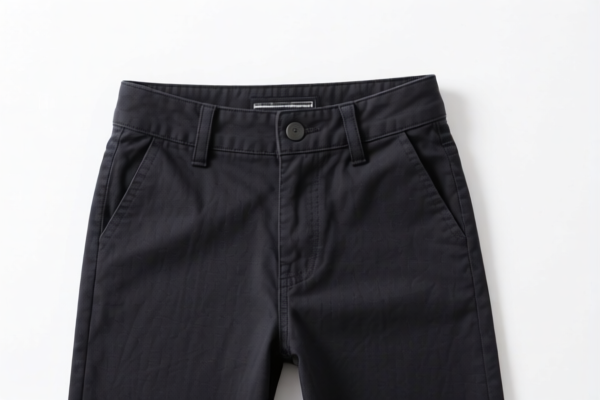
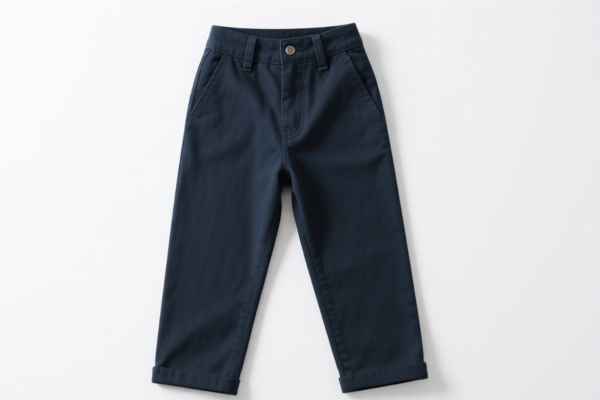
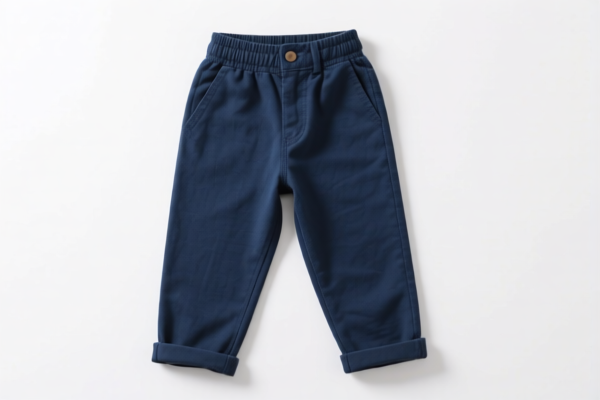
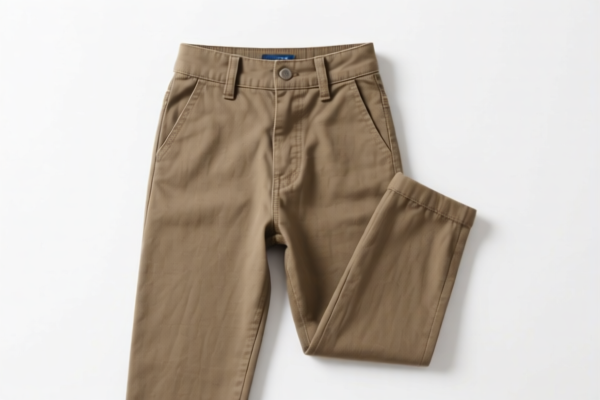
AI Analysis
👕 Boys' Apparel (Boy's Similar Clothing)
🌐 HS Code Reference & Customs Clearance Guide | 2026 Latest Tariff Analysis | Professional Clearance Strategy
📌 I. Product Definition & Classification: Do You Really Understand "Boys' Apparel"?
"Boys' Apparel" is a broad category in international trade, typically referring to clothing designed for male children. Due to the ambiguity of the term "Similar Apparel" (类似服装), accurate classification depends heavily on the specific item type (e.g., T-shirt, sweater, trousers) and material composition (e.g., cotton, synthetic fibers, wool).
In the provided data, the system has identified five potential HS Code candidates based on logical inference of material and form:
⚠️ Key Distinction Points:
- Knitted vs. Woven: "Boys' T-shirts/Vests" are often knitted (Chapter 61), while "Trousers/Pants" are often woven (Chapter 62).
- Material Conflict: Classifications differ significantly based on whether the material is Wool/Knit (61.10), Synthetic Fiber (61.09/62.03), or Cotton (62.03).
- Usage: Explicitly marked for "Boys" (Male Children), which influences sub-heading selection.
📦 II. HS Code Classification Details (2026 Latest Tariff Authority Comparison)
Based on the provided data, here are the five most likely HS Codes for "Boys' Apparel," ranked by logical fit:
| HS Code | Product Description | Application Scenario | Material Inference |
|---|---|---|---|
6110.19.00.25 |
Sweaters, pullovers, and similar articles, knitted or crocheted (Other) | Knitted tops, jumpers, or sweater-like garments | ✅ Wool/Knit Blend (Inferred from "Apparel" common usage in knitwear) |
6109.10.00.27 |
T-shirts, singlets, and other vests, knitted or crocheted (Of cotton) | Knitted T-shirts, tank tops, or undershirts for boys | ✅ Cotton (Inferred from "Boys" + "T-shirt" form) |
6109.90.10.49 |
T-shirts, singlets, and other vests, knitted or crocheted (Other) | Synthetic fiber T-shirts or mixed-material vests | ✅ Synthetic Fiber (Inferred from "Other" category) |
6203.42.45.46 |
Trousers, bib and brace overalls, breeches and shorts (Of cotton) | Woven cotton pants, shorts, or trousers for boys | ✅ Cotton (Explicitly matched with "Boys" + "Pants" form) |
6203.43.90.20 |
Trousers, bib and brace overalls, breeches and shorts (Of synthetic fibers) | Woven synthetic pants, nylon trousers, or sports shorts | ✅ Synthetic Fiber (Explicitly matched with "Boys" + "Synthetic" form) |
🔍 Critical Reminder:
- "Apparel" is generic: It must be broken down into specific items (T-shirt vs. Sweater vs. Pants).
- Material is key: Without explicit material info, customs may misclassify.
- "Boys" is clear: All codes above include the male children attribute, reducing ambiguity on usage.
💰 III. 2026 Latest Tariff Rate Breakdown (Including Additional Taxes & Policy Surcharges)
✅ Applicable Country: United States (US)
✅ Origin: China (CN)
✅ Effective Date: 2025年11月10日起 (Including subsequent imports)
🎯 1. 6110.19.00.25 —— Knitted Sweaters/Pullovers (Wool/Knit Blend)
| Item | Content |
|---|---|
| Base Tariff | 16.0% |
| Section 301 Additional Tariff | +7.5% |
| Section 122 Tariff | +10% |
| Total Rate | 33.5% |
| Tax Calculation | CIF Value × 33.5% |
| De Minimis Exemption | ❌ Not Applicable |
| Legal Basis Path | Base:16% → Section 301:7.5% → Section 122:10% |
📌 Explanation:
- Base Tariff (16.0%): Standard US tariff for knitted wool/synthetic sweaters.
- Section 301 (7.5%): Additional tariff for Chinese-origin goods under trade restrictions.
- Section 122 (10%): Specific additional tariff applicable to certain apparel items.
- Total: 33.5% – High cost, expect delays if not properly declared.
🎯 2. 6109.10.00.27 —— Knitted T-shirts (Of Cotton)
| Item | Content |
|---|---|
| Base Tariff | 16.5% |
| Section 301 Additional Tariff | +7.5% |
| Section 122 Tariff | +10% |
| Total Rate | 34.0% |
| Tax Calculation | CIF Value × 34.0% |
| De Minimis Exemption | ❌ Not Applicable |
| Legal Basis Path | Base:16.5% → Section 301:7.5% → Section 122:10% |
📌 Explanation:
- Base Tariff (16.5%): Standard for cotton T-shirts.
- Section 301 (7.5%) & Section 122 (10%): Same surcharges as above.
- Total: 34.0% – Slightly higher than wool due to cotton base rate.
🎯 3. 6109.90.10.49 —— Knitted T-shirts (Of Other Synthetic Fibers)
| Item | Content |
|---|---|
| Base Tariff | 32.0% |
| Section 301 Additional Tariff | +7.5% |
| Section 122 Tariff | +10% |
| Total Rate | 49.5% |
| Tax Calculation | CIF Value × 49.5% |
| De Minimis Exemption | ❌ Not Applicable |
| Legal Basis Path | Base:32% → Section 301:7.5% → Section 122:10% |
📌 Warning:
- Base Tariff (32.0%): Significantly higher for synthetic knitted T-shirts.
- Total: 49.5% – One of the highest rates in this category. Avoid misclassification!
🎯 4. 6203.42.45.46 —— Woven Trousers/Shorts (Of Cotton)
| Item | Content |
|---|---|
| Base Tariff | 16.6% |
| Section 301 Additional Tariff | +7.5% |
| Section 122 Tariff | +10% |
| Total Rate | 34.1% |
| Tax Calculation | CIF Value × 34.1% |
| De Minimis Exemption | ❌ Not Applicable |
| Legal Basis Path | Base:16.6% → Section 301:7.5% → Section 122:10% |
📌 Explanation:
- Base Tariff (16.6%): Standard for cotton woven pants.
- Total: 34.1% – Moderate cost, but requires clear "Cotton" declaration.
🎯 5. 6203.43.90.20 —— Woven Trousers/Shorts (Of Synthetic Fibers)
| Item | Content |
|---|---|
| Base Tariff | 27.9% |
| Section 301 Additional Tariff | +7.5% |
| Section 122 Tariff | +10% |
| Total Rate | 45.4% |
| Tax Calculation | CIF Value × 45.4% |
| De Minimis Exemption | ❌ Not Applicable |
| Legal Basis Path | Base:27.9% → Section 301:7.5% → Section 122:10% |
📌 Warning:
- Base Tariff (27.9%): High for synthetic woven pants.
- Total: 45.4% – High cost. Ensure synthetic material is accurately declared.
🛠️ IV. Customs Clearance Practical Advice (Real-World Pitfall Avoidance Guide)
✅ 1. Documentation Checklist (Essential)
| Document | Required | Description |
|---|---|---|
| ✅ Product Specification Sheet | ✔️ | Must include: Item type (T-shirt/Pants), Material (Cotton/Synthetic/Wool), Age Group (Boys) |
| ✅ Material Composition Label | ✔️ | Clear indication of % composition (e.g., 100% Cotton, 80% Polyester/20% Spandex) |
| ✅ Product Photos (Front/Back/Tag) | ✔️ | Show label, style, and any branding |
| ✅ Commercial Invoice | ✔️ | Must clearly state "Boys' [Item Type] Apparel" |
| ✅ Packing List | ✔️ | Item count, weight, and packaging details |
| ✅ Certificate of Origin (CO) | ✔️ | If applicable, to verify origin |
✅ 2. Declaration Tips (Key Mantras)
🔥 "Specify Item, Declare Material, Avoid 'Apparel' Alone!"
| Scenario | Correct Declaration | Incorrect Practice |
|---|---|---|
| Knitted T-shirt (Cotton) | 6109.10.00.27 – "Boys' Knitted Cotton T-shirt" |
"Boys' Apparel" → High risk of misclassification |
| Woven Pants (Synthetic) | 6203.43.90.20 – "Boys' Synthetic Woven Trousers" |
"Boys' Pants" → Ambiguous |
| Sweater (Wool/Knit) | 6110.19.00.25 – "Boys' Knitted Sweater" |
"Apparel" → 33.5% vs potential 49.5% |
✅ 3. Special Cases Handling
| Scenario | Recommendation |
|---|---|
| Mixed Material | Declare the predominant material (by weight). If mixed, use the code for the primary fiber. |
| Unlined vs. Lined | Linings do not change the main material classification. |
| OEM/White Label | Provide OEM contract to prove no brand value impact on classification. |
| Samples | Clearly mark as "Non-Commercial Sample" to potentially reduce duties, but still subject to tariff. |
🌍 V. Global Market Clearance Comparison (2026 Latest)
| Country/Region | Recommended HS Code | Tariff Rate | Certification Required | Notes |
|---|---|---|---|---|
| 🇺🇸 USA | 6109.10.00.27 (Cotton Tee) |
34.0% | No specific | High due to Section 301 & 122 |
| 🇨🇳 China | 6109.10.00.27 |
~5-10% | CCC (if applicable) | Lower base rate |
| 🇪🇺 EU | 6109.10.00.00 |
0-12% | CE (if textile machinery) | No Section 301/122 |
| 🇬🇧 UK | 6109.10.00.00 |
0-12% | UKCA (if applicable) | Post-Brexit rules |
| 🇯🇵 Japan | 6109.10.00.00 |
16-18% | FSC (if applicable) | Stable rates |
📌 Conclusion:
- USA is the most challenging market due to additional tariffs (Section 301 & 122).
- Accurate material declaration is critical to avoid paying 49.5% instead of 33.5%.
- European markets are more favorable with lower base rates.
📌 VI. Common Errors & Pitfalls (Blood & Tears Lessons)
❌ Error 1: Using "Boys' Apparel" as the sole description
👉 Consequence: Customs may assign the highest duty code (e.g., 49.5%) due to ambiguity.
❌ Error 2: Misdeclaring material (e.g., calling Synthetic "Cotton")
👉 Consequence: Penalty, back taxes, and potential fraud charges.
❌ Error 3: Ignoring Section 122 and 301 tariffs
👉 Consequence: Unexpected cost increase of 17.5% on top of base duty.
❌ Error 4: Failing to distinguish between Knitted (Chapter 61) and Woven (Chapter 62)
👉 Consequence: Wrong HS Code, leading to 10-15% tax difference.
✅ Correct Practice:
"Boys' Knitted Cotton T-Shirt, 100% Cotton, Model XYZ, Origin: China, HS Code: 6109.10.00.27"
🎯 VII. Conclusion: Professional Declaration, Save Time, Reduce Costs!
🎯 Remember the Mantra:
🔹 "Specify Item, Declare Material, Avoid 'Apparel' Alone!"
🔹 "Knitted vs. Woven, Cotton vs. Synthetic, Get it right, save thousands!"
📌 Pro Tip:
If your products are shipped from Vietnam, Mexico, or Thailand, you may qualify for IEEPA exemptions or lower tariffs under USMCA.
Apply for Advance Rulings (Pre-classification) to ensure correct HS Code assignment before shipment.
📣 Act Now:
📞 Contact a Professional Customs Broker + Provide Product Details + Apply for HS Code Advance Ruling
🚀 Ensure your Boys' Apparel clears customs smoothly, efficiently, and profitably!
✨ Professional Clearance Starts with Precise Classification!
💼 Every Cent of Cost Deserves Precise Calculation!
Customer Reviews
About HS Code Classification
The Harmonized System (HS) is an internationally standardized nomenclature developed by the World Customs Organization (WCO) to classify traded products. Over 200 countries use the HS system as the basis for customs tariffs, trade statistics, and import/export regulations.
Each HS code follows a hierarchical structure:
- Chapter (2 digits) — Broad category of goods (e.g., Chapter 84: Machinery and Mechanical Appliances)
- Heading (4 digits) — More specific grouping within the chapter
- Subheading (6 digits) — Internationally standardized breakdown, used by all WCO member countries
- National subdivisions (8-10 digits) — Country-specific extensions for further classification, such as US HTSUS 10-digit codes
Correct HS code classification is essential for smooth customs clearance, accurate duty payment, and compliance with trade regulations. Misclassification can lead to customs delays, overpayment of duties, or penalties.
When importing from CN to US, the applicable tariff rates may include:
- Most-Favored-Nation (MFN) rate — The standard duty rate applied to WTO members
- General rate — Applied to countries without trade agreements
- Trade remedy duties — Additional tariffs such as Section 301 (anti-dumping), Section 232 (national security), or countervailing duties
The information provided on this page is for reference purposes only. For official classification, please consult with your local customs authority or a licensed customs broker.