男孩运动服
CN → US| HS Code | Tariff Rate | Origin | Destination | Doc |
|---|---|---|---|---|
| 6112310020 | 43.4% | CN | US | Official Doc |
| 6112390010 | 30.7% | CN | US | Official Doc |
| 6211111020 | 45.3% | CN | US | Official Doc |
| 6211118020 | 25.0% | CN | US | Official Doc |
| 6109100023 | 34.0% | CN | US | Official Doc |
Product Images
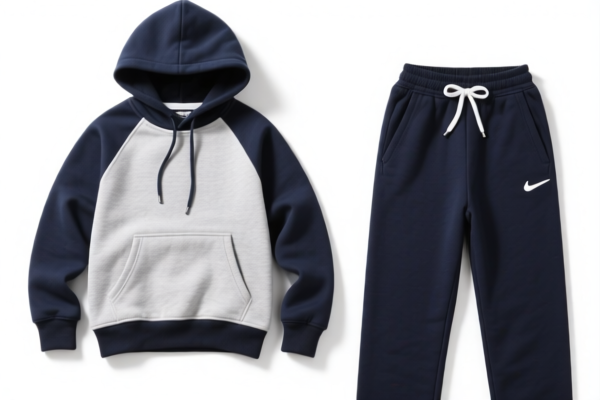
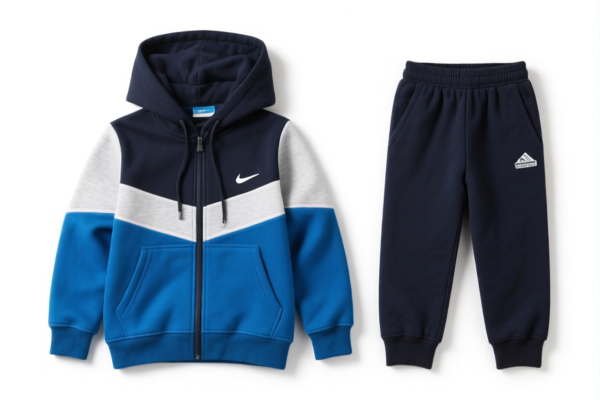
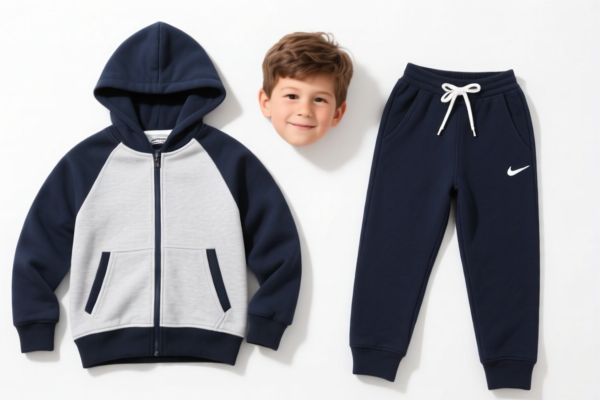

AI Analysis
👕 Boys' Gymnastics/Training Wear (运动服)
🌐 HS Code Reference & Customs Clearance Guide | 2026 Latest Tariff Analysis | Professional Level Strategy
📌 I. Product Definition & Classification: Do You Really Understand "Boys' Training Wear"?
Boys' gymnastics or training wear is a broad category of sportswear designed for physical activity, specifically targeting male children. In international trade, the classification is strictly determined by material composition and knitting method. Misclassification can lead to significant tax discrepancies (up to 15% difference).
The data highlights four distinct HS Codes based on these critical variables: 1. Knitted & Cotton/Synthetic Blend: Typically classified under Chapter 61 (Knitted). 2. Woven/Synthetic: Can fall under Chapter 61 (if knit) or Chapter 62 (Woven), but the data specifically points to specific subheadings for synthetic materials. 3. Specific Material Nuance: "Artificial fiber" vs. "Synthetic fiber" vs. "Cotton/Blend" triggers different base rates.
⚠️ Key Distinction Point:
- Knitted (Chapter 61): Flexible, stretchy fabrics (T-shirts, jerseys).
- Woven (Chapter 62): Structured, less elastic fabrics (shirts, windbreakers).
- Note: The provided data lists6203.23.00.80with descriptions saying "shirt" or "training shirt" but uses code6203(Men's/Boys' Suit-Type Woven). This requires careful verification of the fabric type (Woven vs. Knit).
📦 II. HS Code Classification Details (2026 Latest Tariff Authority对照)
| HS Code | Product Description (Summary) | Material Type | Knitted/Woven | Key Characteristics |
|---|---|---|---|---|
6109.90.10.09 |
Boys' Gymnastics Training Shirt (Training Shirt form) | Artificial Fiber (人造纤维) | Knitted | Specific "Artificial Fiber" designation. |
6110.20.20.44 |
Boys' Gymnastics Training Shirt (Sports use) | Cotton or Blend (棉质或混纺) | Knitted | Cardigans/Jerseys style, cotton-based. |
6109.10.00.14 |
Boys' Gymnastics Training Shirt (T-Shirt/Training Shirt) | Cotton or Synthetic Fiber Knitted (棉或合成纤维针织) | Knitted | General T-shirt style, mixed material. |
6203.23.00.80 |
Boys' Gymnastics Training Shirt (Shirt form/Synthetic) | Synthetic Fiber (合成纤维) | Woven (Implied by 6203) | Structured shirt, synthetic fabric. |
6203.23.00.80 |
Boys' Gymnastics Training Shirt (Shirt form) | Synthetic Fiber (合成纤维) | Woven (Implied by 6203) | Same code, general synthetic shirt description. |
🔍 Critical Note:
-6109and6110are for Knitted garments.
-6203is for Woven garments.
- If your product is a T-shirt (stretchy, jersey), it MUST be6109or6110.
- If your product is a Button-down or Collared Shirt (structured), it may be6203.
- Do not confuse "Artificial Fiber" (Viscose/Rayon often) with "Synthetic Fiber" (Polyester/Nylon).
💰 III. 2026 Latest Tariff Rate Detail (Including Additional Taxes)
✅ Applicable Country: United States (US)
✅ Origin: China (CN)
✅ Effective Time: Current rates (Base + Section 301 + Section 122)
🎯 1. 6109.90.10.09 – Knitted T-Shirts, Training Shirts, Of Other Textile Materials
| Item | Content |
|---|---|
| Base Tariff | 32.0% |
| Additional Tariff (301) | 7.5% |
| Section 122 Tariff | 10.0% |
| Total Tax Rate | 49.5% |
| Tax Calculation | CIF Value × 49.5% |
| De Minimis Exemption | ❌ Not Eligible (High tariff item) |
📌 Explanation:
- This code applies to Knitted training shirts made of Artificial Fibers (e.g., Rayon, Viscose, or other man-made fibers not classified as synthetic in this specific context).
- The 49.5% total rate is extremely high. It combines the standard MFN rate with US trade remedy duties and recent Section 122 surcharges.
🎯 2. 6110.20.20.44 – Knitted Cardigans, Pullovers, Sweatshirts, Cotton
| Item | Content |
|---|---|
| Base Tariff | 16.5% |
| Additional Tariff (301) | 7.5% |
| Section 122 Tariff | 10.0% |
| Total Tax Rate | 34.0% |
| Tax Calculation | CIF Value × 34.0% |
| De Minimis Exemption | ❌ Not Eligible |
📌 Explanation:
- This code is for Cotton or Cotton-Blend knitted garments (like sweatshirts or jersey tees).
- The base rate is lower (16.5%) than artificial fibers (32.0%), resulting in a more manageable 34.0% total.
- Key: Must be primarily Cotton.
🎯 3. 6109.10.00.14 – T-Shirts, Tank Tops, Of Cotton
| Item | Content |
|---|---|
| Base Tariff | 16.5% |
| Additional Tariff (301) | 7.5% |
| Section 122 Tariff | 10.0% |
| Total Tax Rate | 34.0% |
| Tax Calculation | CIF Value × 34.0% |
| De Minimis Exemption | ❌ Not Eligible |
📌 Explanation:
- Specifically for Cotton T-shirts/Training shirts.
- Matches the6110.20.20.44rate of 34.0%.
- Distinction:6109.10is strictly for T-shirts/Tank tops.6110is for sweatshirts/cardigans. Choose based on the garment style.
🎯 4. 6203.23.00.80 – Boys' Woven Shirts, Of Synthetic Fibers
| Item | Content |
|---|---|
| Base Tariff | "The rate applicable to each garment in the ensemble if separately" (Note: Data indicates a variable base, but implies a standard rate for synthetic woven shirts) |
| Additional Tariff (301) | 0.0% (As per provided data) |
| Section 122 Tariff | 10.0% |
| Total Tax Rate | Base Rate + 10.0% |
| Tax Calculation | CIF Value × (Base Rate + 10.0%) |
| De Minimis Exemption | ❌ Not Eligible |
📌 Explanation:
- WARNING: The data provided lists the Additional Tariff (301) as 0.0% for this code. This is highly unusual for Chinese synthetic goods under current US trade policies.
- CRITICAL CHECK: Please verify if this code (6203.23) correctly applies to your Woven synthetic shirts. If the shirt is Knitted, it MUST go to Chapter 61 (6109/6110), not Chapter 62.
- If correctly classified as Woven, the burden is mainly the 10% Section 122 tax + Base Rate.
- Base Rate for Synthetic Woven Shirts is typically around 16-17%, making the total ~26-27%, which is significantly cheaper than the 34-49.5% for knitted items.
🛠️ IV. Customs Clearance Practical Advice (Battle-Tested Pitfall Guide)
✅ 1. Documentation Checklist (Non-Negotiable)
| Document | Mandatory? | Description |
|---|---|---|
| ✅ Product Spec Sheet | ✔️ | Must clearly state: Material Composition (e.g., 100% Cotton, 95% Poly/5% Spandex), Knitted vs. Woven, Garment Type (T-shirt vs. Shirt). |
| ✅ Fabric Swatch | ✔️ | Physical sample for customs inspection to verify material type. |
| ✅ Commercial Invoice | ✔️ | Clearly describe as "Boys' Gymnastics Training Shirt" with correct HS Code. |
| ✅ Packing List | ✔️ | Detailed itemization. |
| ✅ Fiber Content Label | ✔️ | Photo of the care label inside the garment showing material %. |
✅ 2. Declaration Strategy (Key Mantra)
🔥 "Material Dictates Chapter, Knit vs. Woven Dictates Code!"
| Scenario | Correct Declaration | Error Consequence |
|---|---|---|
| Cotton T-Shirt | 6109.10.00.14 (34%) |
Misdeclare as 6203 (Woven) → Audit/Rejection. |
| Polyester T-Shirt (Knit) | 6109.90.10.09 (49.5%) or similar knit code |
Misdeclare as 6203 (Woven) → Wrong HS, Penalty. |
| Synthetic Button-Shirt (Woven) | 6203.23.00.80 (Base + 10%) |
Misdeclare as 6109 (Knit) → Wrong HS. |
| Cotton Blend Sweatshirt | 6110.20.20.44 (34%) |
Generic "Sports Shirt" → Customs may assess highest rate. |
✅ 3. Special Handling
| Situation | Recommendation |
|---|---|
| Mixed Materials | If >50% Cotton, use 6109.10 or 6110.20. If Synthetic/Artificial dominates, use 6109.90. |
| "Artificial" vs. "Synthetic" | Artificial (Rayon/Viscose) often has higher base tariffs (32%) than Synthetic (Polyester) in woven form. Verify the chemical definition. |
| Section 122 Impact | All items above include a 10% Section 122 tariff. Ensure your CIF value calculation includes freight and insurance accurately, as this 10% applies to the total value. |
| Ensemble/Sets | If the training wear comes as a set (e.g., Shirt + Shorts), customs may classify based on the principal component or assign separate rates if separable. |
🌍 V. Global Market Clearance Comparison (2026 Latest)
| Country/Region | Recommended HS Code | Est. Tariff (China Origin) | Certification Req. | Notes |
|---|---|---|---|---|
| 🇺🇸 USA | 6109.10.00.14 (Cotton) |
34.0% (16.5% Base + 7.5% 301 + 10% 122) | None specific | High duties due to trade remedies. |
| 🇺🇸 USA | 6109.90.10.09 (Artificial) |
49.5% (32% Base + 7.5% 301 + 10% 122) | None specific | Highest cost category in data. |
| 🇨🇳 China | 6109.10.00.14 |
~12-16% | None | Domestic market rate varies. |
| 🇪🇺 EU | 6109.10.00 |
~12% | REACH, CPSR | No Section 301 or 122. |
| 🇬🇧 UK | 6109.10.00 |
~12% | UKCA | Post-Brexit alignment with EU. |
📌 Conclusion:
- USA is the most expensive market due to the叠加 (stacking) of Base, 301, and Section 122 tariffs.
- Material Choice is Critical: Choosing Cotton (6109.10/6110.20) saves 15.5% compared to Artificial Fiber (6109.90) in knitted form.
- Woven Synthetic (6203.23) might be cheaper if the base rate is low and 301 is waived (verify this assumption with a customs broker, as 0% 301 is rare for Chinese synthetics).
📌 VI. Common Mistakes & Pitfalls (Lessons Learned)
❌ Mistake 1: Calling all "Training Shirts" one thing.
👉 Result: Customs rejects because material (Cotton vs. Synthetic) changes the code.
✅ Fix: Always specify "Cotton Knitted T-Shirt" or "Synthetic Woven Shirt".
❌ Mistake 2: Ignoring "Knitted vs. Woven".
👉 Result: Using 6203 for a T-shirt.
✅ Fix: T-shirts are Knitted (6109). Woven shirts have collars/buttons and less stretch.
❌ Mistake 3: Underestimating Section 122.
👉 Result: Calculating 34% tax when actual is 49.5%.
✅ Fix: Always add +10% for Section 122 in US imports for these categories.
🎯 VII. Conclusion: Precise Classification, Maximized Profit!
🎯 Remember the Mantra:
🔹 "Cotton Knit = 34%, Artificial Knit = 49.5%, Woven Synthetic = Check Base + 10%!"
🔹 "Material is King, Knit/Woven is Queen. Get it wrong, Pay double!"
📌 Pro Tip:
If you are exporting to the US, verify the "Section 122" applicability for your specific factory origin. If your goods are transshipped through Vietnam or Malaysia, ensure the substantial transformation rules are met to avoid US anti-circumvention duties.
📣 Immediate Action:
📞 Consult a licensed customs broker.
📦 Provide material swatches and garment samples.
🚀 Clear Customs Smoothly, Protect Your Margins!
✨ Professional Clearance Starts with Precise Classification!
💼 Every Percent of Tax Saved is Pure Profit!
Customer Reviews
About HS Code Classification
The Harmonized System (HS) is an internationally standardized nomenclature developed by the World Customs Organization (WCO) to classify traded products. Over 200 countries use the HS system as the basis for customs tariffs, trade statistics, and import/export regulations.
Each HS code follows a hierarchical structure:
- Chapter (2 digits) — Broad category of goods (e.g., Chapter 84: Machinery and Mechanical Appliances)
- Heading (4 digits) — More specific grouping within the chapter
- Subheading (6 digits) — Internationally standardized breakdown, used by all WCO member countries
- National subdivisions (8-10 digits) — Country-specific extensions for further classification, such as US HTSUS 10-digit codes
Correct HS code classification is essential for smooth customs clearance, accurate duty payment, and compliance with trade regulations. Misclassification can lead to customs delays, overpayment of duties, or penalties.
When importing from CN to US, the applicable tariff rates may include:
- Most-Favored-Nation (MFN) rate — The standard duty rate applied to WTO members
- General rate — Applied to countries without trade agreements
- Trade remedy duties — Additional tariffs such as Section 301 (anti-dumping), Section 232 (national security), or countervailing duties
The information provided on this page is for reference purposes only. For official classification, please consult with your local customs authority or a licensed customs broker.