男孩针织马甲
CN → US| HS Code | Tariff Rate | Origin | Destination | Doc |
|---|---|---|---|---|
| 6209909000 | 20.3% | CN | US | Official Doc |
| 6110202030 | 26.5% | CN | US | Official Doc |
| 6110303030 | 49.5% | CN | US | Official Doc |
| 6209205050 | 26.8% | CN | US | Official Doc |
| 6111303000 | 49.5% | CN | US | Official Doc |
Product Images
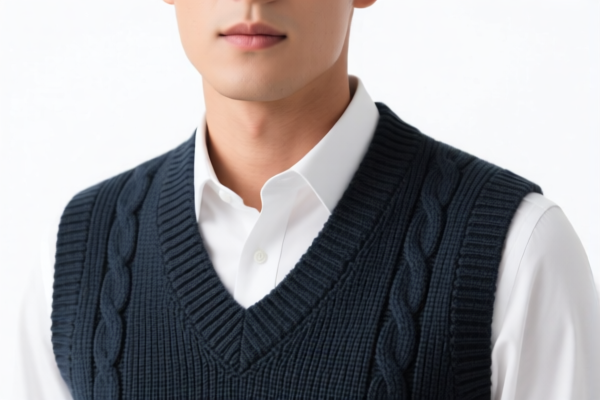
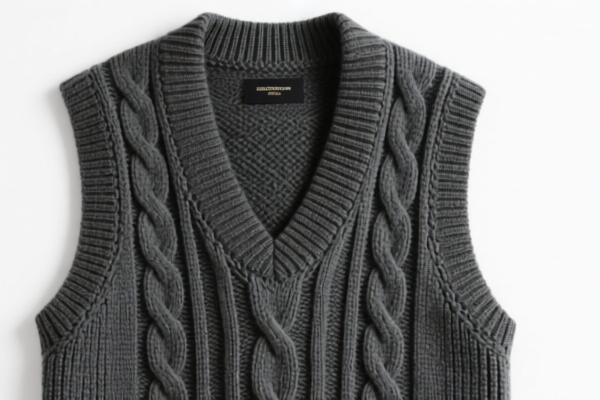
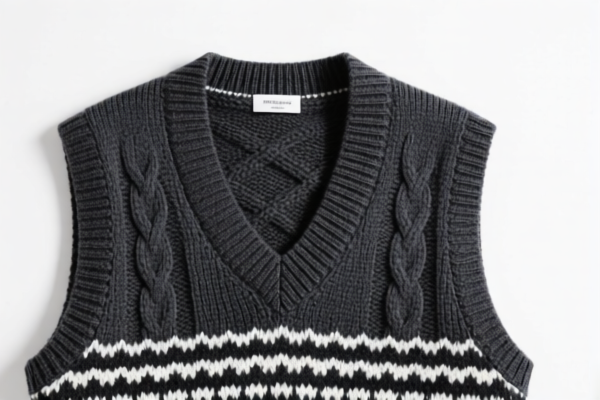
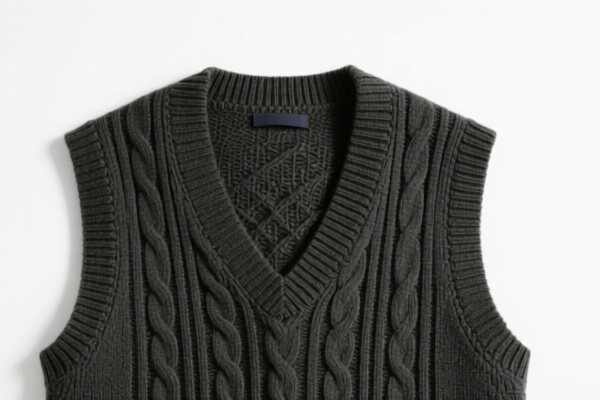
AI Analysis
👶 Boys' Knit Vest (Sleeveless Garment for Infants/Children)
🌐 HS Code Reference & Clearance Guide | 2026 Latest Tariff Analysis | Professional Entry Strategy
📌 I. Product Definition & Classification: Understanding "Boys' Knit Vest"
A "Boys' Knit Vest" is a sleeveless upper-body garment designed for young males. In international trade, its classification hinges on two critical factors: Fabric Composition (Knitted vs. Woven) and Age Group (Infants vs. Older Children).
Key Distinctions: * Infant vs. Boy: Garments for children under 2 years old are often classified under "Infants" (Heading 6111), while those for older boys fall under "Boys" (Heading 61 or 62). * Knitted vs. Woven: The prompt specifies "Knit" (针织), which generally points to Chapter 61 (Articles of Apparel and Clothing Accessories, Knitted or Crocheted). However, if the material is ambiguous or deemed "woven-like" in specific contexts, Chapter 62 (Woven) might be considered, though less likely for "knit."
⚠️ Critical Classification Point:
- If the vest is for infants (<2 years) and knitted → Likely 6111.
- If the vest is for boys (>2 years) and knitted → Likely 6110 (Sweaters, pullovers, etc.).
- If the vest is mistakenly classified as woven or if "knit" is ambiguous → Could fall under 6209 (Infants) or 6109/6114 depending on structure.
📦 II. HS Code Classification Details (2026 Latest Tariff Authority)
Based on the provided data, here are the potential HS Codes, their rationales, and associated taxes for Boys' Knit Vests imported from China to the US:
| HS Code | Product Description | Classification Rationale | Total Tax Rate |
|---|---|---|---|
6110.20.20.30 |
Men’s or Boys’ Sweaters, Pullovers, Sweater-Vests (Knitted) Specifically: Cotton |
Best Fit for "Boy's Knit Vest". 1. Material: Inferred as Cotton based on casual wear commonality. 2. Structure: Vest/Sweater-Vest is a type of sweater/pullover. 3. User: Boys/Male. |
26.5% |
6110.30.30.30 |
Men’s or Boys’ Sweaters, Pullovers, Sweater-Vests (Knitted) Specifically: Synthetic Fiber |
Alternative for "Boy's Knit Vest". 1. Material: Inferred as Synthetic Fiber (common in performance/institutional wear). 2. Structure: Vest/Sweater-Vest. 3. User: Boys. |
49.5% |
6209.90.90.00 |
Infants’ Knitted or Crocheted Clothing (Other) Specifically: Textile Vest/Accessory |
If Classified as "Infant" or "Other Textile". 1. User: Inferred as Infant/Boy category overlap. 2. Form: Vest classified as a "garment accessory" or "other textile item." 3. Material: General "Textile" (unspecified). |
20.3% |
6209.20.50.50 |
Infants’ Knitted or Crocheted Clothing (Other) Specifically: Cotton/Mix (Other) |
If Classified as "Infant Cotton/Mix". 1. User: Infants/Boys. 2. Material: Inferred as Cotton or Blend. 3. Category: "Other" under infants' knitted wear. |
26.8% |
6111.30.30.00 |
Infants’ Knitted or Crocheted Clothing (Other) Specifically: Synthetic Fiber |
If Classified as "Infant Synthetic". 1. User: Infants. 2. Form: Vest/Backless shirt (vest-like). 3. Material: Synthetic Fiber or Cotton Blend. |
49.5% |
🔍 Key Insight:
-6110.20.20.30(Cotton, Boys) and6209.90.90.00(General Textile) offer the lowest tax burden (26.5% and 20.3% respectively).
-6110.30.30.30and6111.30.30.00(Synthetic) carry the highest tax burden (49.5%) due to higher base tariffs.
- The distinction between "Boy" (older child) and "Infant" significantly impacts the chapter (61 vs 62) and tax rate.
💰 III. 2026 Latest Tariff Rate Breakdown (Including Surcharges)
✅ Applicable Country: United States (US)
✅ Origin: China (CN)
✅ Effective Date: November 10, 2025 (and subsequent imports)
🎯 1. 6110.20.20.30 — Cotton Knit Vest for Boys (Recommended Low-Tax Option)
| Item | Detail |
|---|---|
| Base Tariff | 16.5% |
| Section 301 Surcharge | 0.0% |
| Section 122 Surcharge | 10.0% |
| Total Effective Tax | 26.5% |
| Tax Calculation | CIF Value × 26.5% |
| De Minimis Eligibility | ❌ No (Deny De Minimis) |
| Legal Path | Section 122: 10% → USITC: 6110.20.20.30 (Base 16.5%) |
📌 Explanation:
- This code benefits from 0% Section 301 tariff, which is rare for textile/apparel from China.
- The 10% Section 122 tariff is the primary additional cost.
- Total 26.5% is moderate for apparel, making this a cost-effective choice if the material is indeed cotton.
🎯 2. 6110.30.30.30 — Synthetic Knit Vest for Boys (High-Tax Option)
| Item | Detail |
|---|---|
| Base Tariff | 32.0% |
| Section 301 Surcharge | 7.5% |
| Section 122 Surcharge | 10.0% |
| Total Effective Tax | 49.5% |
| Tax Calculation | CIF Value × 49.5% |
| De Minimis Eligibility | ❌ No (Deny De Minimis) |
| Legal Path | Section 301: 7.5% → Section 122: 10% → USITC: 6110.30.30.30 (Base 32.0%) |
📌 Warning:
- High base tariff (32%) + Section 301 (7.5%) + Section 122 (10%) = 49.5%.
- Synthetic fibers attract higher base duties. Avoid this unless necessary.
🎯 3. 6111.30.30.00 — Synthetic Infant Vest (High-Tax Option)
| Item | Detail |
|---|---|
| Base Tariff | 32.0% |
| Section 301 Surcharge | 7.5% |
| Section 122 Surcharge | 10.0% |
| Total Effective Tax | 49.5% |
| Tax Calculation | CIF Value × 49.5% |
| De Minimis Eligibility | ❌ No (Deny De Minimis) |
| Legal Path | Section 301: 7.5% → Section 122: 10% → USITC: 6111.30.30.00 (Base 32.0%) |
📌 Warning: Same high tax rate as
6110.30.30.30. Infant synthetic wear is heavily taxed.
🎯 4. 6209.90.90.00 — General Textile Infant Vest (Lowest Tax Option)
| Item | Detail |
|---|---|
| Base Tariff | 2.8% |
| Section 301 Surcharge | 7.5% |
| Section 122 Surcharge | 10.0% |
| Total Effective Tax | 20.3% |
| Tax Calculation | CIF Value × 20.3% |
| De Minimis Eligibility | ❌ No (Deny De Minimis) |
| Legal Path | Section 301: 7.5% → Section 122: 10% → USITC: 6209.90.90.00 (Base 2.8%) |
📌 Opportunity:
- Lowest total tax at 20.3%.
- Very low base tariff (2.8%).
- Risk: Must ensure the product is correctly classified as "Infant" and "Textile/Accessory" rather than a standard "Knit Vest." Misclassification can lead to penalties.
🎯 5. 6209.20.50.50 — Cotton/Mix Infant Vest (Moderate Tax)
| Item | Detail |
|---|---|
| Base Tariff | 9.3% |
| Section 301 Surcharge | 7.5% |
| Section 122 Surcharge | 10.0% |
| Total Effective Tax | 26.8% |
| Tax Calculation | CIF Value × 26.8% |
| De Minimis Eligibility | ❌ No (Deny De Minimis) |
| Legal Path | Section 301: 7.5% → Section 122: 10% → USITC: 6209.20.50.50 (Base 9.3%) |
📌 Note: Slightly higher than
6209.90.90.00due to higher base tariff (9.3% vs 2.8%).
🛠️ IV. Clearance Practical Advice (Pitfall Avoidance Guide)
✅ 1. Documentation Checklist (Mandatory)
| Document | Required | Purpose |
|---|---|---|
| ✅ Product Specification Sheet | ✔️ | Must specify: Knitted, Vest/Sleeveless, Age Group (Boy/Infant), Material (Cotton/Synthetic). |
| ✅ Fabric Content Label | ✔️ | Clear photo of the care label showing fiber content (e.g., 100% Cotton, 80% Cotton/20% Poly). |
| ✅ Product Photos | ✔️ | Front, back, inside label, and packaging. Show it is a vest (no sleeves). |
| ✅ Commercial Invoice | ✔️ | Description: "Boy's Knit Cotton Vest, HS 6110.20.20.30". |
| ✅ Packing List | ✔️ | Weight, dimensions, number of pieces. |
| ✅ Origin Certificate | ✔️ | To confirm China origin (subject to surcharges). |
✅ 2. Classification Strategy (Critical Tips)
🔥 "Material Dictates Chapter, Age Dictates Subheading, Structure Dictates Code!"
| Scenario | Correct HS Code | Tax Rate | Why? |
|---|---|---|---|
| Cotton Vest for Boys (>2 yrs) | 6110.20.20.30 |
26.5% | Best balance of low tax and correct classification. |
| Synthetic Vest for Boys (>2 yrs) | 6110.30.30.30 |
49.5% | High tax due to synthetic base rate. |
| Any Vest for Infants (<2 yrs) | 6209.90.90.00 or 6209.20.50.50 |
20.3% - 26.8% | Low base tariff. Must prove infant use. |
| Unclear Material | 6209.90.90.00 |
20.3% | Safest low-tax option if material is ambiguous, but risky if audited. |
📌 Advice:
- If the vest is cotton, aim for6110.20.20.30(Boys) or6209.20.50.50(Infants).
- If the vest is synthetic, expect 49.5%. Consider if a "textile accessory" classification (6209.90.90.00) is defensible (e.g., if it's a thin, woven-like knit or marketed as a "gilet" or "vest accessory").
- Never mislabel "Boys" as "Infants" to get lower taxes. Customs may check age indicators (size, packaging).
✅ 3. Special Circumstances
| Situation | Handling Advice |
|---|---|
| OEM Custom Vests | Provide design specs showing sleeveless cut to justify "Vest" and not "Sweater." |
| Mixed Materials | Classify based on the material providing the essential character. Cotton usually dominates synthetics in apparel. |
| Packaging | Ensure packaging clearly states "Boys" or "Infants" to support the HS Code. |
| Section 122 Exemptions | Check if any temporary exclusions apply to cotton knit vests. (Currently, none listed in data). |
🌍 V. Global Clearance Comparison (2026)
| Market | Recommended HS Code | Tax Rate | Notes |
|---|---|---|---|
| 🇺🇸 USA | 6110.20.20.30 |
26.5% | Section 301 (0%) + Section 122 (10%). Best for Cotton. |
| 🇨🇳 China | 6110.20.20.30 |
~5-10% | Import into China has different rules. |
| 🇪🇺 EU | 6110.20.20.00 |
~4-12% | No Section 122/301 equivalent. Lower overall cost. |
| 🇬🇧 UK | 6110.20.20.00 |
~4-12% | Post-Brexit rules apply. |
📌 Conclusion:
- The US market is the most challenging due to Section 301 and Section 122 surcharges.
- Cotton vests for boys (6110.20.20.30) offer the best tax efficiency in the US (26.5%).
- Synthetic vests are prohibitively expensive (49.5%).
📌 VI. Common Mistakes & Pitfalls
❌ Mistake 1: Classifying a cotton knit vest as woven (6210)
👉 Consequence: Misclassification penalty. Knitted must go to Chapter 61.
❌ Mistake 2: Classifying a boy's vest as an infant's vest (6111) to avoid higher taxes
👉 Consequence: Customs may reject if age indicators (size, marketing) don't match. Risk of audit.
❌ Mistake 3: Ignoring Section 122 (10%)
👉 Consequence: Unexpected tax liability. Section 122 applies to many textile/apparel items from China.
❌ Mistake 4: Using vague descriptions like "Clothing"
👉 Consequence: Customs may assign the highest possible tax rate or hold the shipment.
✅ Correct Approach:
"Boys' 100% Cotton Knit Vest, Sleeveless, for Ages 2-10, HS 6110.20.20.30"
🎯 VII. Conclusion: Professional Classification, Cost Savings!
🎯 Remember the Formula:
🔹 "Cotton Boys = 26.5% (Best)"
🔹 "Synthetic Boys/Infants = 49.5% (Avoid)"
🔹 "Infant Textile/Accessory = 20.3% (Risky but Low)"🔹 "HS Code Choice = Tax Savings or Penalty!"
📌 Pro Tip:
If your vest is cotton, prioritize 6110.20.20.30.
If you can argue it is an "infant textile accessory" rather than a standard garment, try 6209.90.90.00 for 20.3%, but ensure robust documentation.
📣 Immediate Action:
📞 Consult a customs broker to verify Section 122 applicability.
📸 Take clear photos of the care label and garment structure.
📝 Prepare a detailed product description to support your HS Code selection.
✨ Precision in Classification, Profit in Clearance!
💼 Your Vest, Your Strategy, Your Savings!
Customer Reviews
About HS Code Classification
The Harmonized System (HS) is an internationally standardized nomenclature developed by the World Customs Organization (WCO) to classify traded products. Over 200 countries use the HS system as the basis for customs tariffs, trade statistics, and import/export regulations.
Each HS code follows a hierarchical structure:
- Chapter (2 digits) — Broad category of goods (e.g., Chapter 84: Machinery and Mechanical Appliances)
- Heading (4 digits) — More specific grouping within the chapter
- Subheading (6 digits) — Internationally standardized breakdown, used by all WCO member countries
- National subdivisions (8-10 digits) — Country-specific extensions for further classification, such as US HTSUS 10-digit codes
Correct HS code classification is essential for smooth customs clearance, accurate duty payment, and compliance with trade regulations. Misclassification can lead to customs delays, overpayment of duties, or penalties.
When importing from CN to US, the applicable tariff rates may include:
- Most-Favored-Nation (MFN) rate — The standard duty rate applied to WTO members
- General rate — Applied to countries without trade agreements
- Trade remedy duties — Additional tariffs such as Section 301 (anti-dumping), Section 232 (national security), or countervailing duties
The information provided on this page is for reference purposes only. For official classification, please consult with your local customs authority or a licensed customs broker.