男孩阻燃服装
CN → US| HS Code | Tariff Rate | Origin | Destination | Doc |
|---|---|---|---|---|
| 6210408060 | 23.7% | CN | US | Official Doc |
| 6110303053 | 49.5% | CN | US | Official Doc |
| 6110909080 | 23.5% | CN | US | Official Doc |
| 6203439009 | 45.4% | CN | US | Official Doc |
| 6203424514 | 34.1% | CN | US | Official Doc |
Product Images
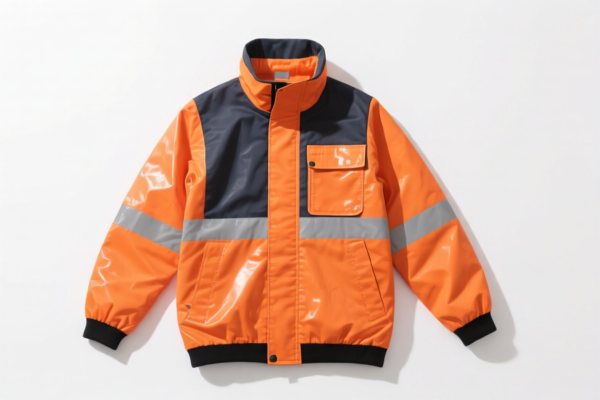
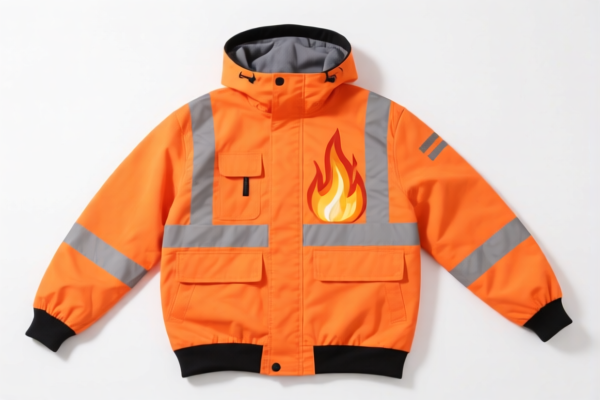
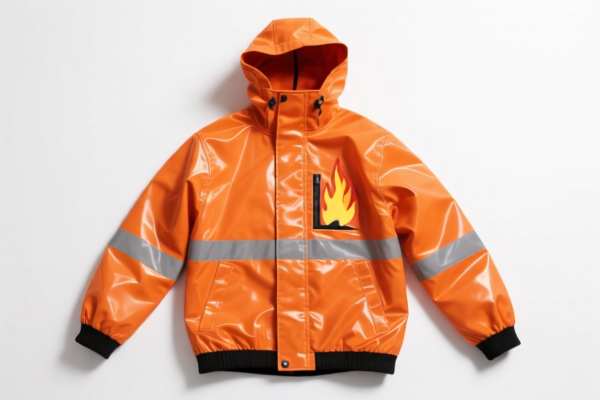
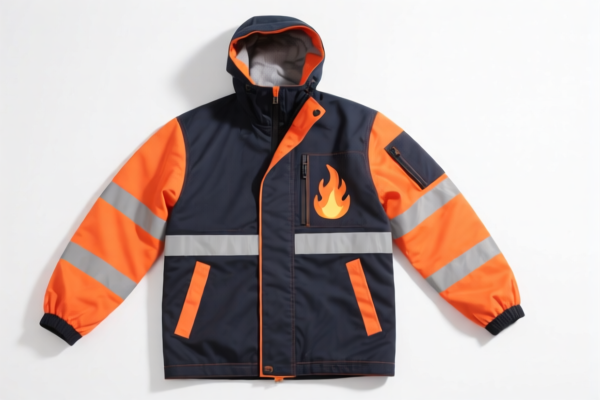
AI Analysis
👕 Boys' Flame-Resistant Clothing: HS Code Classification & Clearance Strategy | 2026 Tariff Breakdown
🌐 HS Code Reference & Clearance Guide | Professional Classification for FR Gear
📌 1. Product Definition: What is "Boys' Flame-Resistant (FR) Clothing"?
Flame-Resistant (FR) clothing for boys refers to garments designed to self-extinguish or resist ignition, commonly used in industrial, electrical, or safety-conscious environments. The classification depends heavily on the fabric structure (knitted vs. woven) and the material composition.
⚠️ Critical Distinction:
- Woven Garments (Shirts, Pants, Coveralls): Generally fall under Chapter 62.
- Knitted Garments (Sweaters, Pullovers, T-shirts): Generally fall under Chapter 61.
- "Flame-Resistant" is a functional description, not a material definition. Customs will look at the base fabric to determine the primary HS code.
📦 2. HS Code Classification Matrix (Based on Provided Data)
Below is the authoritative classification for Boys' FR Clothing based on the provided dataset. Note that all entries include significant "Section 301" and "122 Clause" tariffs when importing from China to the US.
| HS Code | Product Description | Material/Structure Inference | Total Tax Rate (China→US) |
|---|---|---|---|
| 6210.40.80.60 | Men's/Boys' Woven Garments (FR Functional) | Synthetic fibers or treated fabrics (Woven) | 23.7% |
| 6110.30.30.53 | Men's/Boys' Knitted/Sweatshirts (FR Functional) | Synthetic fibers (Knitted) | 49.5% |
| 6110.90.90.80 | Men's/Boys' Knitted Pullovers/Sweaters (FR) | Synthetic/Treated materials (Knitted) | 23.5% |
| 6203.43.90.09 | Men's/Boys' Woven Trousers/Shorts (FR) | Synthetic fibers (Woven) | 45.4% |
| 6203.42.45.14 | Men's/Boys' Woven Trousers/Shorts (Cotton) | Cotton based (Woven) | 34.1% |
💰 3. Detailed Tariff Structure Analysis (2026 Latest)
✅ Applicable Country: United States (US)
✅ Origin: China (CN)
✅ Key Tariff Components:
1. Basic Duty (MFN): Standard US tariff for the textile category.
2. Section 301 Add-on: 7.5% (Retaliatory tariff on Chinese goods).
3. Section 122 Add-on: 10% (Specific tariff on certain textile/apparel categories under US trade laws).
🎯 Scenario A: Woven Synthetic FR Clothing
HS Code: 6210.40.80.60
Best for: FR shirts, coveralls, jackets made of synthetic blends.
| Component | Rate | Notes |
|---|---|---|
| Basic Duty | 6.2% | Standard MFN rate |
| Section 301 | +7.5% | Retaliatory tariff |
| Section 122 | +10.0% | Specific textile add-on |
| TOTAL | 23.7% | Moderate Burden |
🎯 Scenario B: Knitted FR Sweaters/Pullovers
HS Code: 6110.30.30.53
Best for: FR knitwear, thermal tops.
| Component | Rate | Notes |
|---|---|---|
| Basic Duty | 32.0% | High base rate for knits |
| Section 301 | +7.5% | Retaliatory tariff |
| Section 122 | +10.0% | Specific textile add-on |
| TOTAL | 49.5% | Very High Burden |
🎯 Scenario C: Knitted FR Pullovers (Alternative Class)
HS Code: 6110.90.90.80
Best for: Other knitted FR garments not specified in 6110.30.
| Component | Rate | Notes |
|---|---|---|
| Basic Duty | 6.0% | Low base rate |
| Section 301 | +7.5% | Retaliatory tariff |
| Section 122 | +10.0% | Specific textile add-on |
| TOTAL | 23.5% | Cost-Effective Option |
🎯 Scenario D: Woven FR Trousers (Synthetic)
HS Code: 6203.43.90.09
Best for: FR work pants, shorts.
| Component | Rate | Notes |
|---|---|---|
| Basic Duty | 27.9% | High base rate for woven pants |
| Section 301 | +7.5% | Retaliatory tariff |
| Section 122 | +10.0% | Specific textile add-on |
| TOTAL | 45.4% | High Burden |
🎯 Scenario E: Woven FR Trousers (Cotton)
HS Code: 6203.42.45.14
Best for: Cotton-based FR garments (e.g., Nomex blends with high cotton content).
| Component | Rate | Notes |
|---|---|---|
| Basic Duty | 16.6% | Moderate base rate |
| Section 301 | +7.5% | Retaliatory tariff |
| Section 122 | +10.0% | Specific textile add-on |
| TOTAL | 34.1% | Medium Burden |
🛠️ 4. Clearance Strategy & Risk Mitigation
✅ 1. Documentation Checklist (Mandatory)
| Document | Requirement | Purpose |
|---|---|---|
| Product Specification Sheet | ✔️ | Must explicitly state: "Flame-Resistant," "Self-Extinguishing," or "NFPA/ASTM Certified." |
| Material Composition | ✔️ | Clearly define % of Cotton vs. Synthetic (e.g., "65% Cotton, 35% Modacrylic"). Crucial for 6203.42 vs 6203.43. |
| FR Test Report | ✔️ | Third-party lab report (UL, Intertek, SGS) proving FR performance. |
| Commercial Invoice | ✔️ | Describe as "Boys' Flame-Resistant [Knitted/Woven] [Top/Pants]," NOT just "Clothes." |
| Packing List | ✔️ | Ensure items are not split (e.g., don't ship pants separately from shirts if sold as a set). |
✅ 2. Classification Pitfalls & Solutions
| Mistake | Consequence | Solution |
|---|---|---|
| Misidentifying Knit vs. Woven | Wrong HS Code → 20%+ tax difference | Use microscopy or fabric structure photos to prove knit (loop) vs. woven (grid). |
| Ignoring Section 122 | Underpayment → Penalties | Ensure 10% is included in all FR textile calculations for China-origin goods. |
| Vague Description | Customs Holds | Use specific terms: "Boys' FR Woven Shirt, 100% Synthetic" instead of "FR Shirt." |
| Cotton vs. Synthetic Confusion | Wrong Basic Duty Rate | Provide fiber analysis. Cotton triggers 6203.42 (16.6% base), Synthetic triggers 6203.43 (27.9% base). |
✅ 3. Cost Optimization Tips
🔥 "Knit it Cheap, Woven it Smart, Cotton it Moderate!"
-
Prefer
6110.90.90.80(23.5%) over6110.30.30.53(49.5%)
If the garment can be classified as a "pullover/sweater" under the "other" heading (6110.90), the basic duty drops from 32% to 6%. Consult a customs broker to argue for this classification if design allows. -
Woven vs. Knit Decision
- If making shirts/jackets, use Woven (
6210or6203) → Rates: 23.7% - 45.4%. - If making sweaters/thermal tops, avoid
6110.30(49.5%). Try to fit into6110.90(23.5%) if possible.
- If making shirts/jackets, use Woven (
-
Material Choice
- Cotton (
6203.42) has a lower basic duty (16.6%) than Synthetic (27.9%). If FR performance allows, a high-cotton FR blend might save ~9% in basic duty.
- Cotton (
🌍 5. Global Market Comparison (2026)
| Region | Recommended HS Code (Example) | Total Effective Duty (China) | Key Requirement |
|---|---|---|---|
| 🇺🇸 USA | 6210.40.80.60 |
23.7% | Section 301 (7.5%) + Section 122 (10%) |
| 🇨🇳 China | 6210.40.80.60 |
~8-10% | No retaliatory tariffs |
| 🇪🇺 EU | 6210.00.30 |
~4-6% | No Section 301/122. REACH compliance needed. |
| 🇬🇧 UK | 6210.40.80 |
~4-6% | Post-Brexit tariffs apply. |
📌 Conclusion:
The USA is the most expensive market for Chinese FR clothing due to the cumulative effect of Basic Duty + 7.5% Sec 301 + 10% Sec 122.
Total Tax Rates range from 23.5% to 49.5%.
Strategic Recommendation:
- For knitwear, aggressively pursue classification under 6110.90 to avoid the 49.5% rate.
- For woven pants, consider cotton-blend FR to lower the base duty from 27.9% to 16.6%.
- Always provide FR test reports to justify the "Flame-Resistant" functionality and avoid misclassification penalties.
📌 6. Final Advice for Importers
✅ "Verify Knit/Woven, Define Cotton/Synthetic, Calculate 122 Clause!"
- Get Pre-Rulings: File an Advance Ruling with US CBP for the specific fabric composition and construction.
- Labeling: Ensure labels clearly state "Flame Resistant" and "Made in China" to avoid customs seizures for mislabeled goods.
- Supplier Communication: Ensure the factory provides fiber composition percentages accurately. A 5% shift from cotton to synthetic can change the HS code and duty by ~11%.
📣 Act Now:
📞 Contact a licensed customs broker with your fabric swatches and FR test reports.
📉 Optimize your HS Code selection to save up to 26% in tariffs.
🚀 Clear customs smoothly and protect your margins!
✨ Precise Classification Saves Money!
💼 Don't let the 49.5% rate burn your profits.
Customer Reviews
About HS Code Classification
The Harmonized System (HS) is an internationally standardized nomenclature developed by the World Customs Organization (WCO) to classify traded products. Over 200 countries use the HS system as the basis for customs tariffs, trade statistics, and import/export regulations.
Each HS code follows a hierarchical structure:
- Chapter (2 digits) — Broad category of goods (e.g., Chapter 84: Machinery and Mechanical Appliances)
- Heading (4 digits) — More specific grouping within the chapter
- Subheading (6 digits) — Internationally standardized breakdown, used by all WCO member countries
- National subdivisions (8-10 digits) — Country-specific extensions for further classification, such as US HTSUS 10-digit codes
Correct HS code classification is essential for smooth customs clearance, accurate duty payment, and compliance with trade regulations. Misclassification can lead to customs delays, overpayment of duties, or penalties.
When importing from CN to US, the applicable tariff rates may include:
- Most-Favored-Nation (MFN) rate — The standard duty rate applied to WTO members
- General rate — Applied to countries without trade agreements
- Trade remedy duties — Additional tariffs such as Section 301 (anti-dumping), Section 232 (national security), or countervailing duties
The information provided on this page is for reference purposes only. For official classification, please consult with your local customs authority or a licensed customs broker.