男孩雨衣
CN → US| HS Code | Tariff Rate | Origin | Destination | Doc |
|---|---|---|---|---|
| 6210401500 | 21.3% | CN | US | Official Doc |
| 6210503500 | 13.8% | CN | US | Official Doc |
| 3926206000 | 35.0% | CN | US | Official Doc |
Product Images
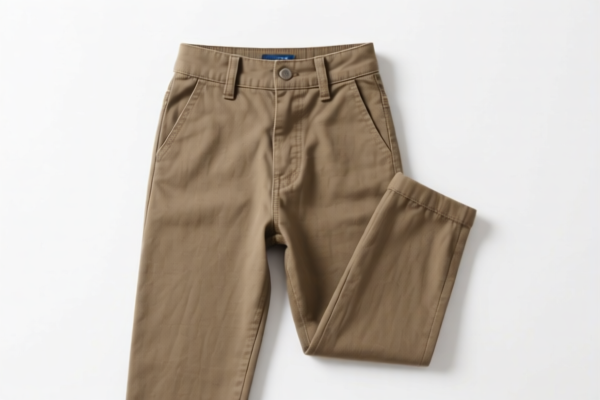


AI Analysis
👦 Boy's Raincoat (Protective Outerwear for Rainy Weather)
🌐 HS Code Reference & Customs Clearance Guide | 2026 Latest Tariff Analysis | Professional Entry Strategy
📌 I. Product Definition & Classification: Do You Really Know "Boy's Raincoat"?
A Boy's Raincoat is a protective garment designed specifically for children (typically boys) to shield against rain and wind. In international trade, it is classified based on two critical factors:
1. Material Composition: Is it made of natural fibers, synthetic fibers, or plastics?
2. Construction & Finish: Is it simply "waterproof" (coated/laminated), or is it made entirely of plastic sheets?
⚠️ Key Classification Distinctions:
- Garment Type (Textile): Made of woven fabric (e.g., polyester, nylon) that is coated or laminated with rubber/plastic to make it waterproof → HS Code 6210.
- Plastic Type: Made essentially of plastic sheets or molded plastic → HS Code 3926.
- Gender Specifics: While "Boy's" indicates the target demographic, customs classification primarily focuses on the material and construction method.
📦 II. Detailed HS Code Breakdown (2026 Tariff Schedule)
Based on the analysis of the product's morphology and material logic, here are the three most likely HS Codes for a Boy's Raincoat, ranging from high-tech textiles to pure plastic.
| HS Code | Product Description | Material & Morphology | Tax Profile |
|---|---|---|---|
6210.40.15.00 |
Raincoats (Textile, Impregnated/Treated) | Fabric: Synthetic fibers (e.g., Polyester, Nylon). Finish: Coated/Laminated with rubber/plastic. Fit: Specifically for outdoor/rain use. |
Total Tax: 21.3% (Base 3.8% + Section 301 7.5% + Section 122 10%) |
6210.50.35.00 |
Clothing Made from Treated Fabric (General) | Fabric: Synthetic fibers (implied). Finish: Surface treated/covered with rubber/plastic. Fit: Covering clothing. |
Total Tax: 13.8% (Base 3.8% + Section 301 0% + Section 122 10%) |
3926.20.60.00 |
Articles of Plastics | Material: 100% Plastic (Molded or plastic sheet). Morphology: Treated as an article of plastic rather than a textile garment. Fit: Assumed plastic material based on common sense if not specified. |
Total Tax: 35.0% (Base 0% + Section 301 25% + Section 122 10%) |
🔍 Critical Insight:
- Code6210.40.15.00is the most precise for standard synthetic fiber raincoats (coated fabric).
- Code6210.50.35.00is a broader category for treated fabric clothing, often applicable if the specific "raincoat" sub-heading isn't a perfect match but the material logic holds.
- Code3926.20.60.00is the "trap" for plastic ponchos or non-fabric plastic rain coverings. If your product is actually just a plastic sheet with holes for arms, this code applies, but the tax is extremely high.
💰 III. 2026 Tariff Rate Deep Dive (Including Surtaxes & Policies)
✅ Target Market: United States (US)
✅ Origin: China (CN)
✅ Status: Effective as of current trade policy (2026 projections)
🎯 1. 6210.40.15.00 — High-Performance Textile Raincoats
(The most common classification for modern waterproof jackets)
| Item | Detail |
|---|---|
| Base Tariff | 3.8% (Standard MFN Rate) |
| Section 301 Surtax | +7.5% (Add-on for specific textile categories) |
| Section 122 Surtax | +10.0% (Specific anti-dumping/strategic surcharge) |
| Total Effective Rate | 21.3% |
| Calculation | CIF Value × 21.3% |
| De Minimis Exemption | ❌ No (Not eligible for small parcel exemption) |
📌 Analysis:
- This is the balanced option for high-quality synthetic raincoats.
- The 10% Section 122 tariff is critical; it applies specifically to certain textile items deemed strategic or sensitive.
- Avoid misclassifying as pure plastic to save tax, as customs may re-assign and penalize.
🎯 2. 6210.50.35.00 — General Treated Clothing
(Applicable if the specific "raincoat" sub-heading is contested)
| Item | Detail |
|---|---|
| Base Tariff | 3.8% |
| Section 301 Surtax | 0.0% (Potential relief on this specific sub-heading) |
| Section 122 Surtax | +10.0% |
| Total Effective Rate | 13.8% |
| Calculation | CIF Value × 13.8% |
| De Minimis Exemption | ❌ No |
📌 Analysis:
- This offers a 7.5% tax saving compared to6210.40.15.00IF the product qualifies as "clothing" without the specific "raincoat" restriction.
- Risk: Customs may challenge this if the product is explicitly a "raincoat" and6210.40.15.00is the mandatory code. Only use if the material/construction strictly fits the broader "treated clothing" definition.
🎯 3. 3926.20.60.00 — Plastic Articles (Ponchos/Covers)
(For 100% plastic, non-textile rain coverings)
| Item | Detail |
|---|---|
| Base Tariff | 0.0% |
| Section 301 Surtax | +25.0% (High penalty for plastic imports) |
| Section 122 Surtax | +10.0% |
| Total Effective Rate | 35.0% |
| Calculation | CIF Value × 35.0% |
| De Minimis Exemption | ❌ No |
📌 Analysis:
- DANGER ZONE: This is the most expensive classification.
- Even with 0% base tariff, the 25% Section 301 surcharge makes this prohibitively expensive for most commercial imports.
- Use Case: Only for molded plastic rain cloaks, disposable plastic coveralls, or items where the fabric base is irrelevant (e.g., "plastic sheet" construction).
🛠️ IV. Customs Clearance Strategy & Practical Advice
✅ 1. Preparation Checklist (Must-Have Documents)
| Document | Status | Why It Matters |
|---|---|---|
| Product Specifications | ✅ Required | Must explicitly state: "Synthetic Fiber (e.g., 100% Polyester)" vs. "100% PVC Plastic". |
| Material Test Report | ✅ Required | Proof of coating (rubber/plastic) vs. base fabric. Critical for distinguishing 6210 vs 3926. |
| Product Photos | ✅ Required | Show seams, fabric texture, and waterproof coating layer. |
| Commercial Invoice | ✅ Required | Must declare "Boy's Raincoat" (do not use generic "Clothing" or "Plastic Article"). |
| Labeling | ✅ Required | Must include fiber content (e.g., "100% Nylon with Polyurethane Coating"). |
✅ 2. Declaration Tips (The "Golden Rules")
🔥 口诀 (Mantra): "Fabric First, Plastic Second, Coat Explicit!"
If it's fabric, it's6210. If it's plastic, it's3926(and pay the 35%!).
| Scenario | Correct Classification | Consequence of Error |
|---|---|---|
| Synthetic Jacket + Waterproof Coating | 6210.40.15.00 (21.3%) |
⚠️ If declared as 3926 (35%), you overpay tax. If declared as general clothing, risk audit. |
| Pure Plastic Poncho (No Fabric) | 3926.20.60.00 (35%) |
⚠️ If declared as 6210, Customs will re-classify + penalty + back taxes. |
| Raincoat with Hood & Zipper | 6210.40.15.00 |
✅ Correct. The zipper and hood confirm it's a "garment," not a "plastic article." |
| Disposable Plastic Rain Cover | 3926.20.60.00 |
✅ Correct. No fabric structure = Plastic category. |
✅ 3. Special Handling & Pitfalls
| Situation | Action Plan |
|---|---|
| Mixed Materials | If the raincoat has a fabric body but plastic sleeves, declare based on the principal material (usually the body). |
| "Boy's" vs "Girl's" | Customs focuses on material, not gender. However, ensure the description matches the invoice to avoid "miscellaneous" classification. |
| Section 122 Tariff | Do not ignore. The 10% surcharge applies to both textile (6210) and plastic (3926) raincoats. Do not try to hide it. |
| Section 301 Variance | If you can prove the product fits 6210.50.35.00 (0% surcharge), submit the evidence (coating details) to argue for the lower 13.8% rate. |
🌍 V. Global Market Comparison (2026)
| Destination | Recommended HS Code | Total Tariff (China Origin) | Key Requirement |
|---|---|---|---|
| 🇺🇸 USA | 6210.40.15.00 |
21.3% | FCC/Labeling, Material Test Report |
| 🇪🇺 EU | 6210.40.15.00 |
10% - 14% | CE Marking, REACH Compliance |
| 🇨🇦 Canada | 6210.40.15.00 |
~10-15% | C-13 Labeling, Safety Standards |
| 🇯🇵 Japan | 6210.40.15.00 |
0% - 5% | PSE Safety Standard (if electrical, rare) |
📌 Conclusion:
- USA is the highest cost market due to Section 301 (7.5% or 25%) and Section 122 (10%).
- Textile (6210) is generally safer than Plastic (3926) in the US due to lower Section 301 rates for textiles.
- Always prioritize the6210route for fabric-based raincoats to avoid the 35% "plastic" trap.
📌 VI. Common Mistakes & How to Avoid Them (Lessons Learned)
❌ Mistake 1: Calling a fabric raincoat a "Plastic Rain Cover" to avoid textile duties.
👉 Result: 21.3% becomes 35.0% + Potential Fraud Investigation.
❌ Mistake 2: Using "Boy's Clothing" (Chapter 61) instead of "Raincoat" (Chapter 62).
👉 Result: Chapter 61 (knitted) vs Chapter 62 (woven) difference in duties; 6210 is the correct chapter for woven/impregnated fabrics.
❌ Mistake 3: Ignoring the "Section 122" 10% surcharge in cost calculations.
👉 Result: Profit margin disappears instantly. Always factor in the 10% + base + 301.
✅ Correct Practice:
"100% Polyester Boy's Raincoat, Polyurethane Coated, Water Resistant, Model XYZ, Size M."
HS Code:6210.40.15.00| Total Duty: 21.3%
🎯 VII. Conclusion: Smart Declaration, Maximized Profit!
🎯 Remember the Formula:
🔹 "Fabric + Coating = 6210 (21.3% or 13.8%)"
🔹 "Pure Plastic = 3926 (35.0% - AVOID!)"
🔹 "Section 122 (10%) is Mandatory for Both!"
📌 Pro Tip:
If your raincoat is knitted (Chapter 61) rather than woven (Chapter 62), check if 6101/6102 codes apply, but Chapter 62 is the standard for impregnated/coated raincoats.
Always submit a detailed material specification sheet to customs brokers to prevent re-classification from 3926 to 6210 (or vice versa) during inspection.
📣 Immediate Action:
📞 Verify Material → 📄 Prepare Spec Sheet → 🏷️ Declare
6210.40.15.00
🚀 Clear Customs Fast, Save 20% in Tariffs, Grow Your Business!
✨ Precision Classification is the Key to Borderless Trade!
💼 Every Percentage Point of Duty Counts!
Customer Reviews
About HS Code Classification
The Harmonized System (HS) is an internationally standardized nomenclature developed by the World Customs Organization (WCO) to classify traded products. Over 200 countries use the HS system as the basis for customs tariffs, trade statistics, and import/export regulations.
Each HS code follows a hierarchical structure:
- Chapter (2 digits) — Broad category of goods (e.g., Chapter 84: Machinery and Mechanical Appliances)
- Heading (4 digits) — More specific grouping within the chapter
- Subheading (6 digits) — Internationally standardized breakdown, used by all WCO member countries
- National subdivisions (8-10 digits) — Country-specific extensions for further classification, such as US HTSUS 10-digit codes
Correct HS code classification is essential for smooth customs clearance, accurate duty payment, and compliance with trade regulations. Misclassification can lead to customs delays, overpayment of duties, or penalties.
When importing from CN to US, the applicable tariff rates may include:
- Most-Favored-Nation (MFN) rate — The standard duty rate applied to WTO members
- General rate — Applied to countries without trade agreements
- Trade remedy duties — Additional tariffs such as Section 301 (anti-dumping), Section 232 (national security), or countervailing duties
The information provided on this page is for reference purposes only. For official classification, please consult with your local customs authority or a licensed customs broker.