男童休闲滑雪裤
CN → US| HS Code | Tariff Rate | Origin | Destination | Doc |
|---|---|---|---|---|
| 6112201060 | 45.7% | CN | US | Official Doc |
| 6112202010 | 25.8% | CN | US | Official Doc |
| 6112201090 | 45.7% | CN | US | Official Doc |
| 6211201525 | 24.6% | CN | US | Official Doc |
| 6112201060 | 45.7% | CN | US | Official Doc |
Product Images
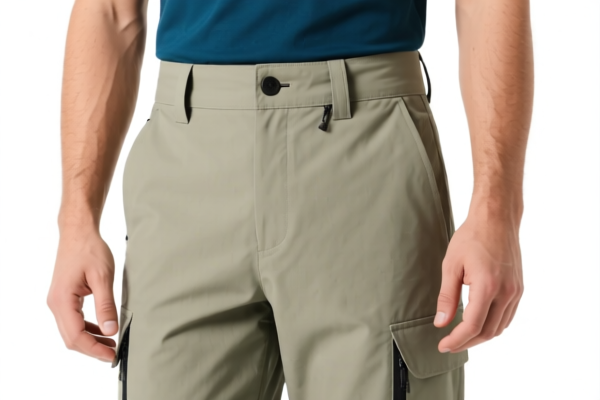
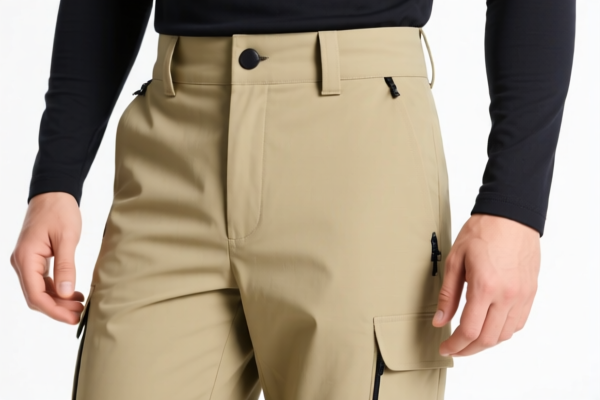
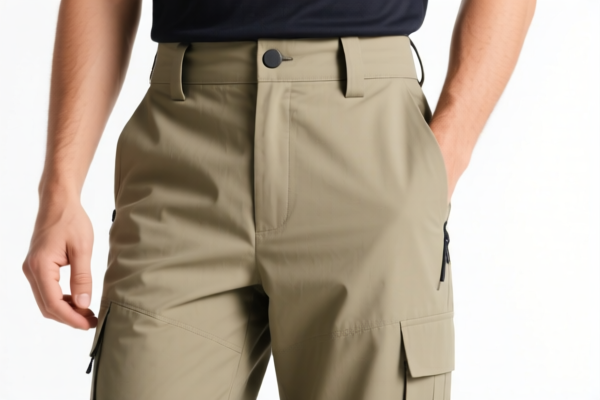
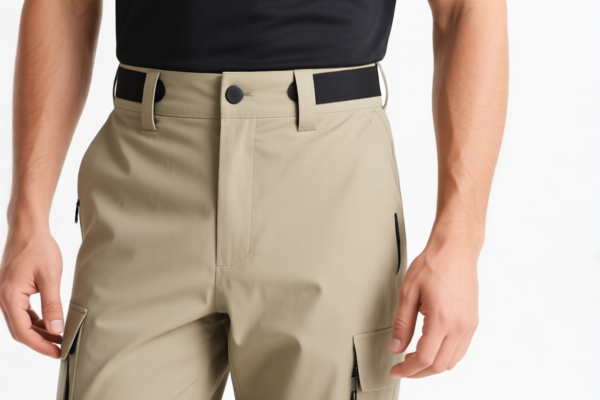
AI Analysis
👖 Men’s Casual Ski Pants (Mens' Ski Trousers)
🌐 HS Code Reference & Customs Clearance Guide | 2026 Latest Tariff Analysis | Professional Clearance Strategy
📌 I. Product Definition & Classification: What Exactly Are "Men's Casual Ski Pants"?
Men's casual ski pants are specialized outerwear designed for skiing, snowboarding, and winter sports. In international trade, they are classified based on their material composition (knitted vs. woven) and fabric type (synthetic, cotton, etc.).
Key Distinction in US Customs Classification:
- Chapter 61 (Knitted/Crocheted): If the pants are made from knitted synthetic or artificial fibers (e.g., knit nylon/polyester blends), they fall under 6112.20.
- Chapter 62 (Woven/Non-Knitted): If the pants are made from woven fabrics (e.g., woven polyester, nylon, or non-cotton blends like dacron/nylon used for breeches), they fall under 6211.20.
⚠️ Critical Classification Point:
- Knitted/Synthetic/Artificial Fibers →归入 6112.20.10.60 / 6112.20.10.90 (High Tariff Zone)
- Woven/Non-Cotton (Polyester/Nylon) → 归入 6211.20.15.25 (Lower Tariff Zone)
- Cotton/Synthetic Blends (Other Categories) → 归入 6112.20.20.10 (Moderate Tariff Zone)
📦 II. HS Code Classification Details (2026 Latest Tariff Authority Comparison)
Based on the provided data, here are the specific HS codes, descriptions, and tax breakdowns for Men's Ski Pants:
| HS Code | Product Summary | Material Composition | Total Tax Rate | Tax Detail Breakdown |
|---|---|---|---|---|
6112.20.10.60 |
Men's Ski Pants | Knitted or Artificial Fibers | 45.7% | Base: 28.2%, Section 301: 7.5%, Section 122: 10% |
6112.20.10.60 |
Ski Pants (Trousers/Breeches) | Knitted or Artificial Fibers | 45.7% | Base: 28.2%, Section 301: 7.5%, Section 122: 10% |
6112.20.10.90 |
Ski Pants (Ski Equipment Category) | Artificial Synthetic Fibers | 45.7% | Base: 28.2%, Section 301: 7.5%, Section 122: 10% |
6112.20.20.10 |
Men's Ski Pants (Other Category) | Cotton or Synthetic Fiber | 25.8% | Base: 8.3%, Section 301: 7.5%, Section 122: 10% |
6211.20.15.25 |
Ski Pants (Pants/Breeches) | Non-Cotton (Polyester, Nylon) | 24.6% | Base: 7.1%, Section 301: 7.5%, Section 122: 10% |
🔍 Key Insight:
- The Highest Tax Rate (45.7%) applies to Chapter 61 items (Knitted/Artificial Fibers).
- The Lowest Tax Rate (24.6%) applies to Chapter 62 items (Woven Non-Cotton like Polyester/Nylon).
- Section 122 (10%) and Section 301 (7.5%) are mandatory add-ons for all these categories, regardless of the base rate.
💰 III. 2026 Latest Tariff Rate Detail Explanation (Including Surcharges)
✅ Applicable Country: United States (US)
✅ Origin: China (CN)
✅ Effective Time: Current tariffs apply as per 2026 standards.
🎯 1. 6112.20.10.60 & 6112.20.10.90 —— Knitted/Artificial Fiber Ski Pants (High Risk)
| Item | Content |
|---|---|
| Base Tariff | 28.2% (Ad Valorem) |
| Section 301 Surcharge | +7.5% (USITC Footnote) |
| Section 122 Surcharge | +10% (Specific Provision) |
| Total Tax Rate | 45.7% |
| Tax Calculation | CIF Value × 45.7% |
| De Minimis Exemption? | ❌ Not Eligible |
| Legal Basis Path | 6112.20.10.60 → Section 301: 7.5% → Section 122: 10% |
📌 Explanation:
- Base 28.2%: Standard US tariff for knitted ski pants made of artificial fibers.
- Section 301 (7.5%): Standard additional tariff for Chinese-origin goods in this category.
- Section 122 (10%): A specific administrative surcharge applied to these ski apparel items.
- Total 45.7%: This is a very high duty burden. Importers must price accordingly.
🎯 2. 6112.20.20.10 —— Cotton/Synthetic Blend Ski Pants (Medium Risk)
| Item | Content |
|---|---|
| Base Tariff | 8.3% (Ad Valorem) |
| Section 301 Surcharge | +7.5% |
| Section 122 Surcharge | +10% |
| Total Tax Rate | 25.8% |
| Tax Calculation | CIF Value × 25.8% |
| De Minimis Exemption? | ❌ Not Eligible |
📌 Note:
- The base tariff drops significantly to 8.3% compared to the 28.2% for pure artificial fibers.
- However, the add-ons (17.5%) remain fixed, so the total savings are modest (25.8% vs 45.7%).
🎯 3. 6211.20.15.25 —— Woven Non-Cotton Ski Pants (Best Optimization)
| Item | Content |
|---|---|
| Base Tariff | 7.1% (Ad Valorem) |
| Section 301 Surcharge | +7.5% |
| Section 122 Surcharge | +10% |
| Total Tax Rate | 24.6% |
| Tax Calculation | CIF Value × 24.6% |
| De Minimis Exemption? | ❌ Not Eligible |
| Legal Basis Path | 6211.20.15.25 → Section 301: 7.5% → Section 122: 10% |
📌 Optimization Tip:
- This is the lowest total tax rate (24.6%).
- If your product is woven (not knitted) and made of polyester or nylon (non-cotton), this is the ideal HS code.
- Action Item: Ensure your technical description emphasizes "Woven" and "Polyester/Nylon" to justify this classification.
🛠️ IV. Customs Clearance Practical Advice (Pitfall Avoidance Guide)
✅ 1. Documentation Checklist (Must-Haves)
| Document | Required | Notes |
|---|---|---|
| ✅ Product Spec Sheet | ✔️ | Must specify: Knitted vs. Woven, Material % (e.g., 100% Polyester Woven). |
| ✅ Fabric Swatch/Photo | ✔️ | Clear close-up to prove weave type. Customs may request physical samples. |
| ✅ Commercial Invoice | ✔️ | Must state "Men's Ski Pants, Woven Polyester, Model XYZ". Avoid vague terms like "Winter Trousers". |
| ✅ Packing List | ✔️ | Match invoice exactly. |
| ✅ Origin Certificate | ✔️ | Prove Chinese origin to apply correct Section 301 rates. |
✅ 2. Declaration Tips (Key Mantra)
🔥 "Weave vs. Knit is King, Section 122 Never Rings!"
| Scenario | Correct Declaration | Incorrect Declaration |
|---|---|---|
| Woven Nylon Pants | 6211.20.15.25 (24.6%) |
6112.20.10.60 (45.7%) → Overpay 21.1%! |
| Knitted Artificial Fiber | 6112.20.10.60 (45.7%) |
6211.20.15.25 (24.6%) → Underpay & Penalty! |
| Cotton Blend | 6112.20.20.10 (25.8%) |
6112.20.10.60 (45.7%) → Overpay 19.9%! |
⚠️ Critical Warning:
- Do NOT simply write "Ski Pants".
- You MUST specify "Woven" or "Knitted" and "Material Composition".
- Misclassification due to vague descriptions leads to audits, penalties, and delays.
✅ 3. Special Situations
| Situation | Recommendation |
|---|---|
| Mixed Materials | If the main fabric is woven polyester but has knitted lining, classify based on outer fabric (6211.20.15.25). |
| OEM/White Label | Provide original design specs to prove material type. Do not hide brand to avoid scrutiny. |
| Samples vs. Bulk | Same HS code applies. Ensure commercial invoice for samples declares value accurately to avoid valuation issues. |
🌍 V. Global Market Comparison (2026 Update)
| Country/Region | Recommended HS Code | Tariff Rate (China Origin) | Notes |
|---|---|---|---|
| 🇺🇸 USA | 6211.20.15.25 (Optimal) |
24.6% | Includes Section 301 + Section 122. High burden. |
| 🇨🇳 China | 6211.20.15.25 |
Low/0% | Domestic trade benefits. |
| 🇪🇺 EU | 6211.43 (Approx) |
~12% | No Section 122 equivalent. Lower than US. |
| 🇬🇧 UK | 6211.43 (Approx) |
~12% | Post-Brexit rules apply. |
📌 Conclusion:
- USA is the most expensive market for ski pants due to the Section 122 (10%) and Section 301 (7.5%) add-ons.
- Optimization Strategy: Try to structure the product as Woven Polyester/Nylon (6211.20.15.25) rather than Knitted Artificial Fiber to save 21.1% in taxes.
📌 VI. Common Errors & Pitfalls (Lessons Learned)
❌ Error 1: Assuming all "Ski Pants" are the same.
👉 Result: Using 6112.20.10.60 for woven pants pays 21.1% extra tax.
❌ Error 2: Ignoring the "Knitted vs. Woven" distinction.
👉 Result: Customs may reclassify and demand back taxes + penalties.
❌ Error 3: Not accounting for Section 122.
👉 Result: Budgeting for 15% tariff but facing 24.6%+ leads to margin erosion.
✅ Correct Approach:
"Men's Ski Pants, Woven, 100% Polyester, Water-Resistant, Model XYZ"
HS Code:6211.20.15.25
Total Tax: 24.6%
🎯 VII. Conclusion: Precise Classification Saves Money!
🎯 Remember the Mantra:
🔹 "Woven Polyester is King (24.6%)!"
🔹 "Knitted Artificial is High Tax (45.7%)!"
🔹 "Section 122 is Always 10%!"
📌 Pro Tip:
If you are exporting to the US, audit your BOM (Bill of Materials). If you can switch from "Knitted Artificial Fiber" to "Woven Polyester," you save 21.1% in duties.
Consider Advance Ruling from US Customs (CBP) if your product has complex mixed materials.
📣 Immediate Action:
📞 Verify fabric weave type (Knitted vs. Woven).
📄 Update commercial invoices with precise material descriptions.
🚀 Optimize for6211.20.15.25to maximize profit margins!
✨ Professional clearance starts with accurate HS Codes!
💼 Every percentage point saved is pure profit!
Customer Reviews
About HS Code Classification
The Harmonized System (HS) is an internationally standardized nomenclature developed by the World Customs Organization (WCO) to classify traded products. Over 200 countries use the HS system as the basis for customs tariffs, trade statistics, and import/export regulations.
Each HS code follows a hierarchical structure:
- Chapter (2 digits) — Broad category of goods (e.g., Chapter 84: Machinery and Mechanical Appliances)
- Heading (4 digits) — More specific grouping within the chapter
- Subheading (6 digits) — Internationally standardized breakdown, used by all WCO member countries
- National subdivisions (8-10 digits) — Country-specific extensions for further classification, such as US HTSUS 10-digit codes
Correct HS code classification is essential for smooth customs clearance, accurate duty payment, and compliance with trade regulations. Misclassification can lead to customs delays, overpayment of duties, or penalties.
When importing from CN to US, the applicable tariff rates may include:
- Most-Favored-Nation (MFN) rate — The standard duty rate applied to WTO members
- General rate — Applied to countries without trade agreements
- Trade remedy duties — Additional tariffs such as Section 301 (anti-dumping), Section 232 (national security), or countervailing duties
The information provided on this page is for reference purposes only. For official classification, please consult with your local customs authority or a licensed customs broker.