男童休闲运动套装
CN → US| HS Code | Tariff Rate | Origin | Destination | Doc |
|---|---|---|---|---|
| 6211325050 | 25.6% | CN | US | Official Doc |
| 6211335035 | 33.5% | CN | US | Official Doc |
| 6203223010 | 0.0% | CN | US | Official Doc |
| 6103220020 | 0.0% | CN | US | Official Doc |
| 6103220030 | 0.0% | CN | US | Official Doc |
Product Images
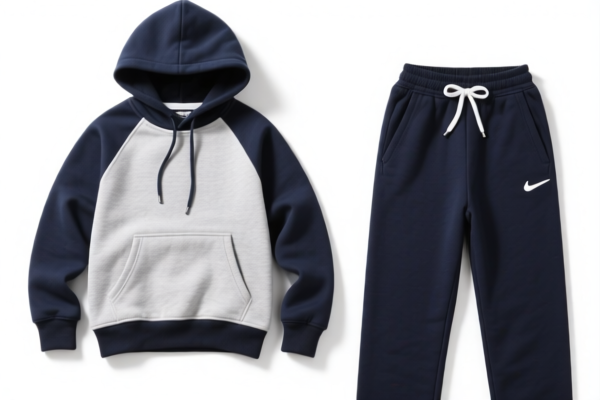
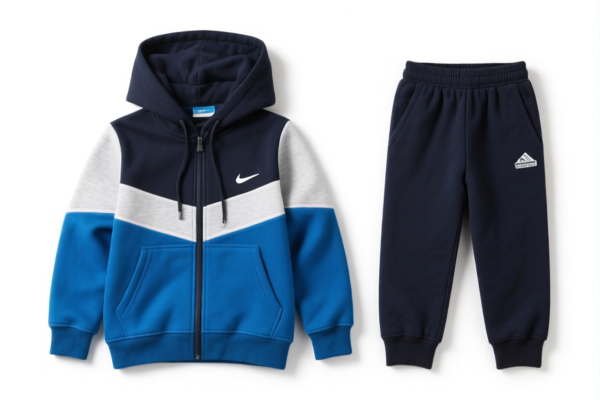
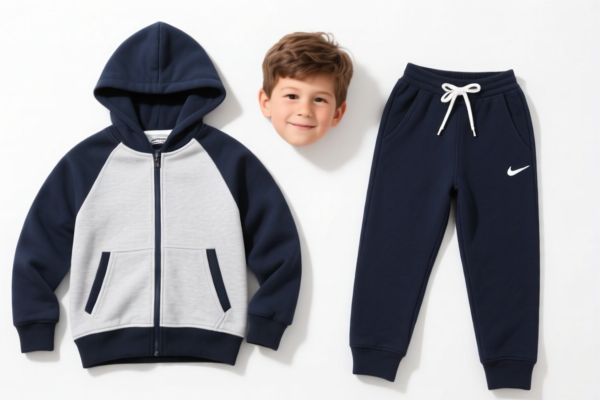

AI Analysis
👕 Boys' Casual & Sports Ensemble (男童休闲运动套装)
🌐 HS Code Reference & Customs Clearance Guide | 2026 Latest Tariff Analysis | Professional Clearance Strategy
📌 I. Product Definition & Classification: What Exactly is a "Boys' Sports Ensemble"?
In international trade, "Boys' Casual/Sports Ensembles" (often referred to as tracksuits, jogging sets, or two-piece sets) are classified based on material composition and manufacturing method (knitted vs. woven). The key distinction lies in whether the set is made of natural fibers (Cotton) or synthetic/man-made fibers.
⚠️ Critical Distinction:
- Knitted & Crocheted (针织/钩编): Usually soft, stretchy fabrics (e.g., sweatpants, jerseys). Falls under Chapter 61.
- Woven (机织): Structured fabrics (e.g., windbreakers, formal track pants). Falls under Chapter 62.
- Material Matters: Cotton (Chapter 61/62 specific subheadings) vs. Synthetic/Fiber (Chapter 61/62 specific subheadings).
📦 II. HS Code Classification Details (2026 Latest Tariff Authority Mapping)
Based on the provided data, the following HS Codes apply to Boys' Casual/Sports Ensembles, primarily categorized by material and manufacturing type.
| HS Code | Product Description | Material Inference | Manufacturing Type | Key Classification Logic |
|---|---|---|---|---|
6211.32.50.50 |
Boys'/Children's Sports Ensemble | Cotton (棉制) | Woven (Implied by Ch. 62) | Matches woven cotton ensemble rules. |
6211.33.50.35 |
Boys'/Children's Sports Ensemble | Synthetic/Man-made Fiber (合成/人造纤维) | Woven (Implied by Ch. 62) | Matches woven synthetic ensemble rules. |
6203.22.30.10 |
Pure Cotton Boys' Casual Ensemble | Cotton (纯棉) | Woven (Ch. 62) | Pure cotton, fits "ensemble" definition under woven category. |
6103.22.00.20 |
Pure Cotton Boys' Casual Ensemble | Cotton (纯棉) | Knitted/Crocheted (针织/钩编) | Pure cotton, fits knitted ensemble category. |
6103.22.00.30 |
Pure Cotton Boys' Casual Ensemble | Cotton (纯棉) | Knitted/Crocheted (针织/钩编) | Pure cotton, fallback/hook category for knitted sets. |
🔍 Important Note:
- Chapter 62 (Woven) vs. Chapter 61 (Knitted): The primary determinant is the fabric structure. Check the physical product: if it stretches significantly and has a looped texture, it’s likely Ch. 61. If it’s structured like a shirt or jacket fabric, it’s likely Ch. 62. - Ensemble Rule: For both chapters, the tariff rate is typically applied to each garment in the ensemble if classified separately, but declared as a set.
💰 III. 2026 Latest Tariff Rate Detailed Analysis (Including Add-ons & Policy Surcharges)
✅ Applicable Country: United States (US)
✅ Origin: China (CN)
✅ Effective Time: 2025+ (Includes subsequent imports)
🎯 1. 6211.32.50.50 & 6211.33.50.35 —— Woven Ensembles (Cotton & Synthetic)
These codes represent Woven boys' sports sets.
| Item | Content |
|---|---|
| Base Tariff (MFN) | 8.1% (for Cotton 6211.32.50.50) 16.0% (for Synthetic 6211.33.50.35) |
| Section 301 Tariff (China) | +7.5% |
| Section 122 Tariff (China) | +10% |
| Total Tax Rate | 25.6% (Cotton) 33.5% (Synthetic) |
| Tax Calculation | CIF Value × Total Rate |
| De Minimis Exemption | ❌ NOT Eligible (High tariff thresholds usually exempt de minimis for these categories, or explicitly denied in this context). |
| Legal Basis Path | Base Tariff → Section 301: 7.5% → Section 122: 10% |
📌 Explanation:
- Section 301 (7.5%): Standard trade war tariff on Chinese goods.
- Section 122 (10%): Additional punitive tariff on specific Chinese textile/apparel categories.
- Total: For woven cotton, you pay 25.6%; for woven synthetic, you pay 33.5%. These are high-cost categories.
🎯 2. 6203.22.30.10 —— Pure Cotton Boys' Casual Ensemble (Woven)
| Item | Content |
|---|---|
| Base Tariff | Rate applicable to each garment if separated (Generally lower base rate, e.g., ~7-9% depending on exact weave) |
| Section 301 Tariff | +7.5% |
| Section 122 Tariff | +10% |
| Total Tax Rate | (Base Rate + 17.5%) |
| Tax Calculation | (CIF Value × Base Rate) + (CIF Value × 17.5%) |
| De Minimis Exemption | ❌ NOT Eligible |
📌 Note: The "Base Rate" is variable based on the specific garment type (jacket vs. pants), but the add-ons are fixed at 17.5% (7.5% + 10%).
🎯 3. 6103.22.00.20 & 6103.22.00.30 —— Pure Cotton Boys' Casual Ensemble (Knitted)
These codes represent Knitted/Crocheted cotton sets.
| Item | Content |
|---|---|
| Base Tariff | Rate applicable to each garment if separated (Typically lower base rate for knitted cotton) |
| Section 301 Tariff | +7.5% |
| Section 122 Tariff | +10% |
| Total Tax Rate | (Base Rate + 17.5%) |
| Tax Calculation | (CIF Value × Base Rate) + (CIF Value × 17.5%) |
| De Minimis Exemption | ❌ NOT Eligible |
📌 Note: Similar to woven, the total surcharge is 17.5%. The base rate may be slightly different from woven cotton, but the Section 301 + Section 122 burden remains the same.
🛠️ IV. Customs Clearance Practical Advice (Real-World Pitfall Guide)
✅ 1. Essential Documentation Checklist (Do Not Miss Any!)
| Document | Required? | Description |
|---|---|---|
| ✅ Product Specification Sheet | ✔️ | Must detail: Material composition (e.g., 100% Cotton), Knitted vs. Woven, Set Composition (e.g., 1 Jacket + 1 Pants). |
| ✅ Composition Label Photo | ✔️ | Clear image of the care label showing fiber content. Crucial for HS Code differentiation. |
| ✅ Commercial Invoice | ✔️ | Must state "Boys' Sports Ensemble" or "Casual Set". Do not use vague terms like "Clothing". |
| ✅ Packing List | ✔️ | Show quantity of items per set. |
| ✅ Origin Certificate | ✔️ | If not Chinese origin, apply for preferential rates. |
✅ 2. Classification Strategy (Key Mantra)
🔥 “Material First, Structure Second, Set as One, Tax as Sum!”
| Scenario | Correct HS Code Approach | Wrong Approach |
|---|---|---|
| Knitted Cotton Set | 6103.22.00.20 / 6103.22.00.30 |
Misclassify as Woven (62xx) → Higher Base Rate? |
| Woven Cotton Set | 6211.32.50.50 / 6203.22.30.10 |
Misclassify as Synthetic → Wrong Base Rate |
| Synthetic Set | 6211.33.50.35 |
Misclassify as Cotton → Wrong Base Rate |
| Mixed Material Set | Most Prominent Fiber | Split declaration (if not truly separate) → Confusion |
📌 Key Reminder:
- Section 301 (7.5%) and Section 122 (10%) apply to ALL Chinese-origin apparel in these categories.
- Total Add-on is 17.5% for all listed codes.
- Base rates vary:
-6211.32.50.50(Woven Cotton): 8.1%
-6211.33.50.35(Woven Synthetic): 16.0%
-6103/6203(Knitted/Cotton Woven): "Rate applicable to each garment" (Check specific subheading rates).
✅ 3. Special Cases
| Case | Handling Advice |
|---|---|
| OEM/Private Label | Provide brand authorization if applicable, but HS code depends on product, not brand. |
| "Sports" vs. "Casual" | US Customs generally treats "Sports Ensembles" (tracksuits) similarly to "Casual Ensembles" under 6211. Ensure the item is indeed a set (Jacket + Pants/Skirt). |
| De Minimis (800 USD) | ❌ NOT ELIGIBLE for these HS Codes due to high tariff burden and Section 301/122 applicability. Plan for full duty payment. |
🌍 V. Global Market Comparison (2026 Latest)
| Country/Region | Recommended HS Code | Base Tariff | US Surcharge (China Origin) | Total Estimated Rate | Remarks |
|---|---|---|---|---|---|
| 🇺🇸 USA | 6211.32.50.50 / 6103.22.00.20 |
0-16% | +17.5% (301+122) | 25.6% - 33.5% | Highest Cost. Plan carefully. |
| 🇨🇳 China | 6211.32.50.50 / 6103.22.00.20 |
~8-14% | 0% | 8-14% | Domestic/Regional trade. |
| 🇪🇺 EU | 6211.32 / 6103.22 |
0-8% | 0% | 0-8% | No Section 301/122. |
| 🇬🇧 UK | 6211.32 / 6103.22 |
0-8% | 0% | 0-8% | Post-Brexit, no US tariffs. |
📌 Conclusion:
- USA is the most expensive market for Chinese-origin boys' sports ensembles due to Section 301 (7.5%) and Section 122 (10%).
- EU/UK are more tariff-friendly.
- Cost Optimization: Consider third-country origin (e.g., Vietnam, Bangladesh) to avoid US surcharges.
📌 VI. Common Errors & Pitfall Guide (Lessons Learned)
❌ Error 1: Misclassifying Knitted as Woven
👉 Consequence: Wrong Base Rate (8.1% vs. Variable). If misclassified as Woven Synthetic (6211.33), base rate jumps to 16.0%, increasing total tax to 33.5% instead of potentially lower knitted rates.
❌ Error 2: Ignoring Section 122 (10%)
👉 Consequence: Underestimating total tax by 10%. This is a mandatory surcharge on Chinese textiles.
❌ Error 3: Claiming De Minimis Exemption
👉 Consequence: Shipment held, fined, or forced to pay duties + penalties. These HS codes are NOT eligible for de minimis clearance from China to US.
❌ Error 4: Vague Description ("Kids Clothes")
👉 Consequence: Customs delays, requests for samples, potential re-classification and retroactive duties.
✅ Correct Practice:
“Boys’ Knitted Cotton Tracksuit Set (1 Jacket + 1 Pants), 100% Cotton, Model XYZ”
“Boys’ Woven Synthetic Sports Set, 100% Polyester, Model ABC”
🎯 VII. Conclusion: Precise Classification Saves Money!
🎯 Remember the Mantra:
🔹 “Knit vs. Woven, Cotton vs. Synthetic.
🔹 Total US Tariff = Base + 17.5%.
🔹 No De Minimis for China.
🔹 Check Labels, Avoid Fines!”**
📌 Pro Tip:
- If your product is Knitted Cotton, check 6103.22 base rates carefully.
- If your product is Woven Cotton, 6211.32.50.50 has an 8.1% base.
- If your product is Woven Synthetic, 6211.33.50.35 has a 16.0% base (High Cost!).
- Always add 17.5% (7.5% + 10%) for US imports from China.
📣 Immediate Action:
📞 Verify Material & Structure.
📄 Select Correct HS Code.
💰 Calculate Base + 17.5%.
🚀 Clear Customs Smoothly, Maximize Profit!
✨ Professional Clearance Starts with Accurate Classification!
💼 Every Dollar Saved is a Dollar Earned!
Customer Reviews
About HS Code Classification
The Harmonized System (HS) is an internationally standardized nomenclature developed by the World Customs Organization (WCO) to classify traded products. Over 200 countries use the HS system as the basis for customs tariffs, trade statistics, and import/export regulations.
Each HS code follows a hierarchical structure:
- Chapter (2 digits) — Broad category of goods (e.g., Chapter 84: Machinery and Mechanical Appliances)
- Heading (4 digits) — More specific grouping within the chapter
- Subheading (6 digits) — Internationally standardized breakdown, used by all WCO member countries
- National subdivisions (8-10 digits) — Country-specific extensions for further classification, such as US HTSUS 10-digit codes
Correct HS code classification is essential for smooth customs clearance, accurate duty payment, and compliance with trade regulations. Misclassification can lead to customs delays, overpayment of duties, or penalties.
When importing from CN to US, the applicable tariff rates may include:
- Most-Favored-Nation (MFN) rate — The standard duty rate applied to WTO members
- General rate — Applied to countries without trade agreements
- Trade remedy duties — Additional tariffs such as Section 301 (anti-dumping), Section 232 (national security), or countervailing duties
The information provided on this page is for reference purposes only. For official classification, please consult with your local customs authority or a licensed customs broker.