男童内裤
CN → US| HS Code | Tariff Rate | Origin | Destination | Doc |
|---|---|---|---|---|
| 6109100007 | 34.0% | CN | US | Official Doc |
| 6107120020 | 32.4% | CN | US | Official Doc |
| 6207199030 | 20.5% | CN | US | Official Doc |
| 6207110000 | 23.6% | CN | US | Official Doc |
| 6107110020 | 24.9% | CN | US | Official Doc |
Product Images
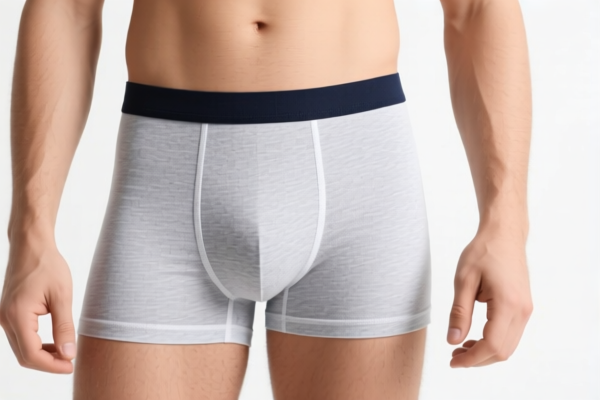
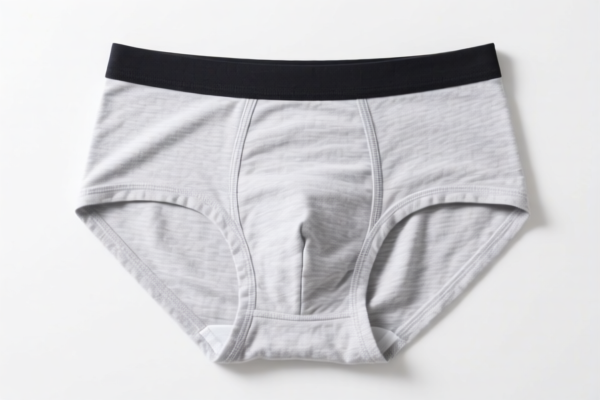
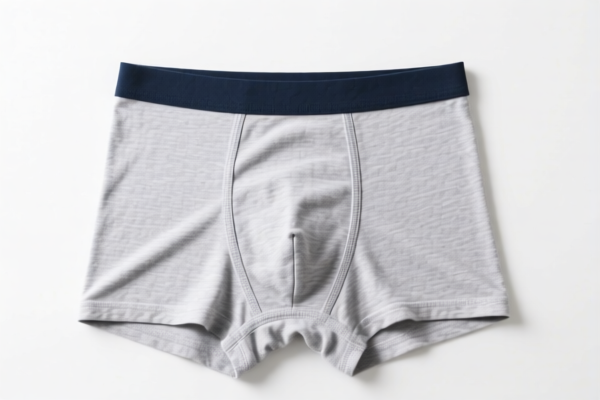
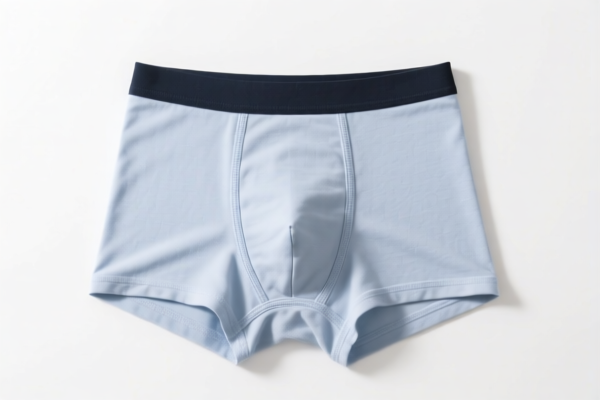
AI Analysis
👶 Boy’s Briefs & Underwear (Men's/Boys' Knitted or Crocheted Apparel)
🌐 HS Code Reference & Customs Clearance Guide | 2026 Latest Tariff Analysis | Professional Clearance Strategy
📌 I. Product Definition & Classification: Do You Truly Understand “Boy’s Underwear”?
Boy’s underwear is a daily essential, falling under the category of knitted or crocheted apparel or non-knitted apparel depending on the manufacturing process. In international trade, classification hinges on three core factors: 1. Material: Cotton, synthetic fibers (polyester, nylon), or blends. 2. Manufacturing Method: Knitted (looped yarn) vs. Woven/Non-knitted. 3. Target Audience: Specifically classified for boys (distinct from adult men or infants in some subheadings).
⚠️ Key Distinction Points:
- If the item is knitted (stretchy, common for comfort underwear) → Generally falls under Chapter 61.
- If the item is woven (less common for briefs, but possible for boxers or specific styles) → Generally falls under Chapter 62.
- Cotton vs. Synthetic: Material composition directly impacts the base tariff rate (6.1% for cotton vs. 7.4%-16.5% for synthetics/blends).
📦 II. HS Code Classification Details (Authoritative Cross-Reference)
| HS Code | Product Description | Key Characteristics | Total Tax Rate |
|---|---|---|---|
6109.10.00.07 |
Boys' Simple Underwear, Knitted | Material inferred as cotton or synthetic fiber; broad category. | 34.0% |
6107.12.00.20 |
Boys' Simple Underwear, Knitted, Man-Made Fiber or Cotton | Precise match for knitted underwear using synthetic fibers or cotton blends. | 32.4% |
6207.19.90.30 |
Boys' Underwear, Non-Man-Made Fiber (e.g., Cotton) | Classified under "Other" categories if not strictly matching other subheadings. | 28.0% |
6207.11.00.00 |
Boys' Childstyle Underwear, Cotton | Most favorable rate. Specifically for cotton-made boy's underwear in woven/non-knitted format (if applicable) or specific cotton subcategory. | 23.6% |
6107.11.00.20 |
Boys' Underwear, Knitted, Cotton | Knitted underwear specifically made of cotton. Best balance of material accuracy and moderate tax. | 24.9% |
🔍 Critical Insight:
- Cotton Content Matters: HS codes6207.11.00.00(23.6%) and6107.11.00.20(24.9%) offer the lowest rates among the options.
- Synthetic/Bland Blends: Codes like6107.12.00.20(32.4%) and6109.10.00.07(34.0%) apply to non-pure cotton or broader synthetic categories.
- Misclassification Risk: Declaring synthetic underwear as cotton (6107.11) will result in penalties and back taxes.
💰 III. 2026 Latest Tariff Rate Breakdown (Including Surtaxes & Policy Add-ons)
✅ Applicable Country: United States (US)
✅ Origin: China (CN)
✅ Effective Date: November 10, 2025 (and subsequent imports)
🎯 1. 6109.10.00.07 — Boys' Simple Underwear (Knitted, General)
| Item | Detail |
|---|---|
| Base Tariff | 16.5% |
| Section 301 Surcharge | +7.5% |
| Section 122 Surcharge | +10% |
| Total Tax Rate | 34.0% |
| Calculation | CIF Value × 34.0% |
| De Minimis Exemption | ❌ Not Eligible (Subject to strict scrutiny for apparel) |
| Legal Path | Base Tariff → Section 301 → Section 122 |
📌 Explanation:
- This is the highest tax bracket among the options. It applies when the material composition is ambiguous or broadly categorized as "knitted apparel" without specific cotton/synthetic distinction.
- Section 122 adds an extra 10%, significantly impacting margins.
🎯 2. 6107.12.00.20 — Boys' Underwear, Knitted, Man-Made Fiber or Cotton
| Item | Detail |
|---|---|
| Base Tariff | 14.9% |
| Section 301 Surcharge | +7.5% |
| Section 122 Surcharge | +10% |
| Total Tax Rate | 32.4% |
| Calculation | CIF Value × 32.4% |
| De Minimis Exemption | ❌ Not Eligible |
| Legal Path | Base Tariff → Section 301 → Section 122 |
📌 Note:
- Applies to knitted underwear made of synthetic fibers or cotton blends.
- Savings: 1.6% lower than6109.10.00.07, but still high due to base tariff of 14.9%.
🎯 3. 6207.19.90.30 — Boys' Underwear, Non-Man-Made (Other Categories)
| Item | Detail |
|---|---|
| Base Tariff | 10.5% |
| Section 301 Surcharge | +7.5% |
| Section 122 Surcharge | +10% |
| Total Tax Rate | 28.0% |
| Calculation | CIF Value × 28.0% |
| De Minimis Exemption | ❌ Not Eligible |
| Legal Path | Base Tariff → Section 301 → Section 122 |
📌 Note:
- Applies to woven underwear (less common for boys' briefs) or specific non-man-made fiber categories.
- Moderate Rate: Significantly lower than knitted synthetic options.
🎯 4. 6207.11.00.00 — Boys' Childstyle Underwear, Cotton
| Item | Detail |
|---|---|
| Base Tariff | 6.1% |
| Section 301 Surcharge | +7.5% |
| Section 122 Surcharge | +10% |
| Total Tax Rate | 23.6% |
| Calculation | CIF Value × 23.6% |
| De Minimis Exemption | ❌ Not Eligible |
| Legal Path | Base Tariff → Section 301 → Section 122 |
📌 Strategic Advantage:
- Lowest Total Tax: 23.6% is the most cost-effective option provided.
- Condition: Must be 100% Cotton (or meet specific cotton definitions) and classified under "Childstyle."
- Warning: Misdeclaring synthetics as cotton here will trigger severe penalties.
🎯 5. 6107.11.00.20 — Boys' Underwear, Knitted, Cotton
| Item | Detail |
|---|---|
| Base Tariff | 7.4% |
| Section 301 Surcharge | +7.5% |
| > Section 122 Surcharge | +10% |
| Total Tax Rate | 24.9% |
| Calculation | CIF Value × 24.9% |
| De Minimis Exemption | ❌ Not Eligible |
| Legal Path | Base Tariff → Section 301 → Section 122 |
📌 Best for Knitted Cotton:
- If the product is knitted (standard for comfort briefs) and cotton, this is the best option.
- Only 1.3% higher than the lowest rate (6207.11.00.00).
🛠️ IV. Customs Clearance Practical Advice (Avoiding Pitfalls)
✅ 1. Essential Documentation Checklist
| Document | Required | Notes |
|---|---|---|
| ✅ Product Spec Sheet | ✔️ | Must specify Material Composition (e.g., "100% Cotton" or "95% Polyester/5% Spandex") and Knitting Type. |
| ✅ Commercial Invoice | ✔️ | Clearly state "Boy's Knitted/Woven Underwear" and HS Code. Avoid vague terms like "Clothing." |
| ✅ Packing List | ✔️ | Item count, weight, and dimensions. Ensure no mixed materials in single SKU without clarification. |
| ✅ Label/Tag Photos | ✔️ | Must show fiber content, country of origin, and care instructions. Customs may check for consistency. |
| ✅ OEM/Design Contracts | ✔️ | If custom, provide design files to prove "Childstyle" classification if claiming 6207.11.00.00. |
✅ 2. Declaration Tips (Key Mantras)
🔥 "Material First, Method Second, Name Specific, Tax Lower!"
| Scenario | Correct Declaration | Error to Avoid |
|---|---|---|
| 100% Cotton, Knitted | HS 6107.11.00.20 (24.9%) |
Misdeclaring as 6107.12 (32.4%) → Loss of 7.5% |
| 100% Cotton, Woven/Childstyle | HS 6207.11.00.00 (23.6%) |
Misdeclaring as Knitted → Higher tax |
| Polyester/Blend, Knitted | HS 6107.12.00.20 (32.4%) |
Misdeclaring as Cotton → Severe Penalty |
| Unclear Material | HS 6109.10.00.07 (34.0%) |
Ambiguous description → Highest Tax |
✅ 3. Special Circumstances Handling
| Situation | Recommendation |
|---|---|
| Mixed Fabric (e.g., Cotton/Spandex) | If cotton >50%, still likely 6107.11 or 6207.11. Verify with lab test if close to threshold. |
| Infants vs. Boys | Ensure packaging and sizing indicate "Boys" (usually 2T+ or 4-7) to avoid infant apparel classifications. |
| Section 122 Impact | The 10% surcharge is unavoidable for Chinese-origin apparel. Factor this into pricing strategy. |
| De Minimis (Section 321) | Not Applicable. Clothing items are largely excluded from the $800 de minimis exemption for China-origin goods. |
🌍 V. Global Market Comparison (2026 Latest)
| Country/Region | Recommended HS Code | Tariff (China Origin) | Certification | Notes |
|---|---|---|---|---|
| 🇺🇸 USA | 6107.11.00.20 / 6207.11.00.00 |
23.6% - 24.9% | CPSIA, Prop 65 | High surcharges apply. |
| 🇨🇳 China | Same | 8%-12% | GB Standards | No Section 301/122. |
| 🇪🇺 EU | Same | 12% - 16% | OEKO-TEX, REACH | No Section 122/301 equivalents. |
| 🇨🇦 Canada | Same | 18% - 22% | Canada Consumer Product Safety Act | Moderate tariffs. |
| 🇲🇽 Mexico | Same | 12% - 18% | NOM Standards | USMCA may apply if produced in NA. |
📌 Conclusion:
- The US market is the most expensive due to Section 301 (7.5%) and Section 122 (10%) surcharges.
- Optimal Strategy: Use 100% Cotton and specify "Knitted" for best balance of cost and compliance (6107.11.00.20at 24.9%).
📌 VI. Common Mistakes & Pitfall Guide (Blood Tears Lessons)
❌ Mistake 1: Declaring Synthetic underwear as Cotton (6107.11)
👉 Consequence: Customs lab test reveals polyester → Back taxes + Penalty + Delay.
❌ Mistake 2: Using vague terms like "Underwear" without specifying Knitted vs. Woven
👉 Consequence: Customs assigns highest possible rate (6109.10.00.07 at 34.0%).
❌ Mistake 3: Assuming De Minimis ($800) applies to small shipments
👉 Consequence: Incorrect. Apparel from China is subject to full duty + surcharges.
❌ Mistake 4: Ignoring Section 122
👉 Consequence: Budgeting only for base + Section 301, leading to unexpected 10% cost overrun.
✅ Correct Practice:
“Boy's Knitted Cotton Briefs, 100% Cotton, Knitted, Size 6-7, Model XYZ, CPSIA Compliant”
🎯 VII. Conclusion: Precision in Classification, Profit in Clearance
🎯 Remember the Mantra:
🔹 "Cotton is King, Knitted is Standard, Synthetics are Expensive, Vagueness is Fatal!"
🔹 "HS Code Dictates Profit, 1.3% Difference Saves Thousands!"
📌 Pro Tip:
If your product is 100% Cotton, always aim for 6107.11.00.20 (24.9%) or 6207.11.00.00 (23.6%).
For Synthetic/Blends, 6107.12.00.20 (32.4%) is the standard.
Avoid 6109.10.00.07 (34.0%) unless absolutely necessary.
📣 Immediate Action:
📞 Contact your freight forwarder to verify Section 122 applicability.
📄 Prepare Material Test Reports to prove Cotton content if claiming6107.11.00.20.
🚀 Optimize your supply chain to handle the 23.6%-34.0% tariff burden.
✨ Professional Clearance Starts with Accurate Classification!
💼 Every Cent of Duty is a Matter of Precision!
Customer Reviews
About HS Code Classification
The Harmonized System (HS) is an internationally standardized nomenclature developed by the World Customs Organization (WCO) to classify traded products. Over 200 countries use the HS system as the basis for customs tariffs, trade statistics, and import/export regulations.
Each HS code follows a hierarchical structure:
- Chapter (2 digits) — Broad category of goods (e.g., Chapter 84: Machinery and Mechanical Appliances)
- Heading (4 digits) — More specific grouping within the chapter
- Subheading (6 digits) — Internationally standardized breakdown, used by all WCO member countries
- National subdivisions (8-10 digits) — Country-specific extensions for further classification, such as US HTSUS 10-digit codes
Correct HS code classification is essential for smooth customs clearance, accurate duty payment, and compliance with trade regulations. Misclassification can lead to customs delays, overpayment of duties, or penalties.
When importing from CN to US, the applicable tariff rates may include:
- Most-Favored-Nation (MFN) rate — The standard duty rate applied to WTO members
- General rate — Applied to countries without trade agreements
- Trade remedy duties — Additional tariffs such as Section 301 (anti-dumping), Section 232 (national security), or countervailing duties
The information provided on this page is for reference purposes only. For official classification, please consult with your local customs authority or a licensed customs broker.