男童化纤夏季睡衣
CN → US| HS Code | Tariff Rate | Origin | Destination | Doc |
|---|---|---|---|---|
| 6114303060 | 32.4% | CN | US | Official Doc |
| 6107220010 | 33.5% | CN | US | Official Doc |
| 6114301010 | 45.7% | CN | US | Official Doc |
| 6107991030 | 24.9% | CN | US | Official Doc |
| 6114301010 | 45.7% | CN | US | Official Doc |
Product Images
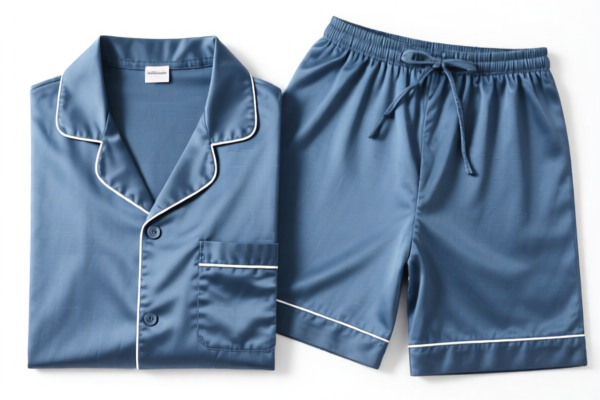
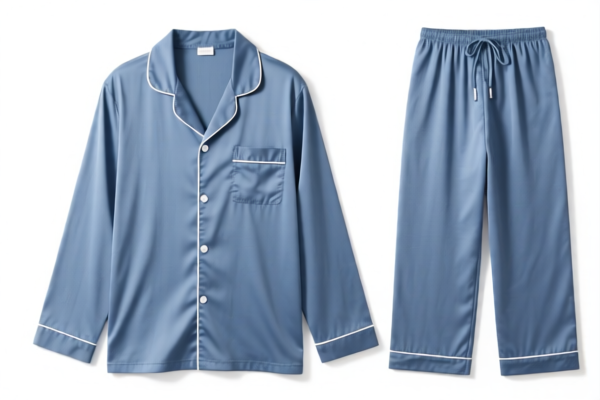
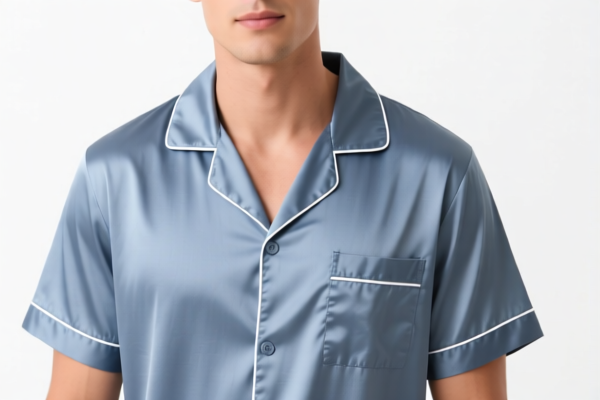
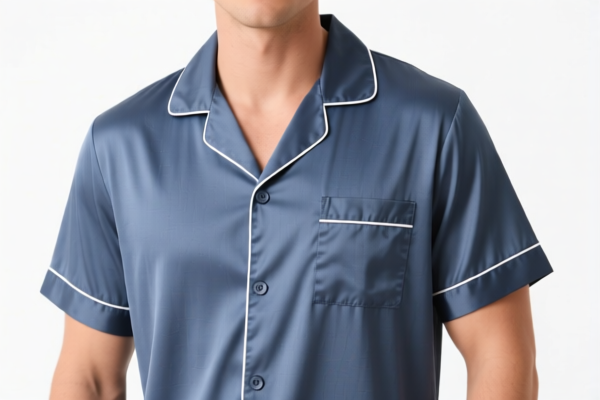
AI Analysis
👕 Men’s Boys’ Synthetic Summer Pajamas (Men’s化纤夏季睡衣)
🌐 HS Code Reference & Customs Clearance Guide | 2026 Latest Tariff Analysis | Professional Clearance Strategy
📌 I. Product Definition & Classification: Do You Really Understand "Synthetic Pajamas"?
Men’s synthetic summer pajamas are lightweight, breathable garments designed for sleep or loungewear, primarily made from man-made fibers (such as polyester, nylon, or rayon). In international trade, the classification depends heavily on the knitting method, garment type (top vs. set), and fabric composition.
⚠️ Key Distinction Points:
- If classified as a general outerwear garment (e.g., a standalone shirt or lightweight top) → Falls under Chapter 61.14 (Other knitted/crocheted garments);
- If classified as specific innerwear/sleepwear (e.g., pajama tops with specific design features) → Falls under Chapter 61.07 (Men’s/boys’ underwear, nightwear, etc.);
- Fabric Type: "Synthetic" usually refers to Man-Made Fibers (化学纤维).
📦 II. HS Code Classification Details (2026 Latest Tariff Authority Reference)
Based on the provided data, here are the specific HS Codes, summaries, and tax rates for Men’s Synthetic Summer Pajamas:
| HS Code | Product Summary | Tax Rate (Total) | Tax Breakdown (Basic + Surtax + Section 301) |
|---|---|---|---|
6114.30.30.60 |
Men’s synthetic summer pajamas; fits purpose, material, and knitted garment category | 32.4% | Basic: 14.9% + Surtax: 7.5% + Sec. 301: 10% |
6107.22.00.10 |
Men’s synthetic summer pajamas; purpose, material, and form completely match | 33.5% | Basic: 16.0% + Surtax: 7.5% + Sec. 301: 10% |
6114.30.10.10 |
Men’s synthetic summer pajamas; belongs to knitted/crocheted garment tops category | 45.7% | Basic: 28.2% + Surtax: 7.5% + Sec. 301: 10% |
6107.99.10.30 |
Men’s synthetic summer pajamas; purpose and form consistent, material is artificial fiber | 24.9% | Basic: 14.9% + Surtax: 0.0% + Sec. 301: 10% |
6114.30.10.10 |
Men’s synthetic short pajamas; meets artificial fiber and men’s classification requirements | 45.7% | Basic: 28.2% + Surtax: 7.5% + Sec. 301: 10% |
🔍 Key Insight:
- Best Case Scenario:6107.99.10.30offers the lowest total tax rate at 24.9% due to a 0% surtax (Section 301 equivalent surtax).
- Worst Case Scenario:6114.30.10.10carries the highest rate at 45.7% due to a high Basic Tariff (28.2%) and standard surtaxes.
- Crucial Factor: The difference between 61.14 (Other garments) and 61.07 (Underwear/Nightwear) significantly impacts the Basic Tariff rate.
💰 III. 2026 Latest Tariff Rate Breakdown (Including Surtaxes & Policy Add-ons)
✅ Applicable Country: United States (US)
✅ Origin: China (CN)
✅ Validity: Rates apply to imports from China, subject to current trade policies.
🎯 1. 6114.30.30.60 – Men’s Synthetic Summer Pajamas (General Knitted Garment)
| Item | Content |
|---|---|
| Basic Tariff | 14.9% |
| Surtax (Section 301 Equivalent) | 7.5% |
| Section 301 Tariff | 10% |
| Total Tax Rate | 32.4% |
| Calculation Basis | CIF Value × 32.4% |
| De Minimis Exemption | ❌ Not Eligible (High tariff rate exceeds de minimis thresholds for duty-free entry in many cases) |
📌 Explanation:
- This code classifies the item as a general knitted garment rather than specific nightwear, leading to a moderate basic tariff.
- Total Cost Impact: High. Requires careful margin analysis.
🎯 2. 6107.22.00.10 – Men’s Synthetic Summer Pajamas (Specific Nightwear Match)
| Item | Content |
|---|---|
| Basic Tariff | 16.0% |
| Surtax (Section 301 Equivalent) | 7.5% |
| Section 301 Tariff | 10% |
| Total Tax Rate | 33.5% |
| Calculation Basis | CIF Value × 33.5% |
| De Minimis Exemption | ❌ Not Eligible |
📌 Note:
- Slightly higher than6114.30.30.60due to a higher basic tariff (16.0% vs. 14.9%).
- Suitable if the product design strongly aligns with specific nightwear definitions under Chapter 61.07.
🎯 3. 6114.30.10.10 – Men’s Synthetic Summer Pajamas (Knitted Tops Category)
| Item | Content |
|---|---|
| Basic Tariff | 28.2% |
| Surtax (Section 301 Equivalent) | 7.5% |
| Section 301 Tariff | 10% |
| Total Tax Rate | 45.7% |
| Calculation Basis | CIF Value × 45.7% |
| De Minimis Exemption | ❌ Not Eligible |
📌 Warning:
- This is the highest risk code due to the high basic tariff (28.2%).
- Avoid this classification unless the product is strictly defined as a "top" and not part of a pajama set or specific nightwear.
- Total Cost Impact: Very High. May render the product uncompetitive.
🎯 4. 6107.99.10.30 – Men’s Synthetic Summer Pajamas (Artificial Fiber, Consistent Purpose)
| Item | Content |
|---|---|
| Basic Tariff | 14.9% |
| Surtax (Section 301 Equivalent) | 0.0% |
| Section 301 Tariff | 10% |
| Total Tax Rate | 24.9% |
| Calculation Basis | CIF Value × 24.9% |
| De Minimis Exemption | ❌ Not Eligible (Check specific de minimis rules for this subheading) |
📌 Recommendation:
- This is the MOST COST-EFFECTIVE option due to the 0% surtax.
- Applies if the product is clearly defined as "artificial fiber" nightwear under the general category of men’s nightwear.
- Condition: Must prove "purpose and form are consistent" with nightwear standards.
🎯 5. 6114.30.10.10 – Men’s Synthetic Short Pajamas (Artificial Fiber & Men’s Category)
| Item | Content |
|---|---|
| Basic Tariff | 28.2% |
| Surtax (Section 301 Equivalent) | 7.5% |
| Section 301 Tariff | 10% |
| Total Tax Rate | 45.7% |
| Calculation Basis | CIF Value × 45.7% |
| De Minimis Exemption | ❌ Not Eligible |
📌 Note:
- Same high-tax code as6114.30.10.10.
- Classification as "short pajamas" under Chapter 61.14 triggers the high basic tariff.
🛠️ IV. Customs Clearance Practical Advice (Real-World Pitfall Avoidance)
✅ 1. Preparation Checklist (Must-Haves)
| Document | Required | Notes |
|---|---|---|
| ✅ Product Specification Sheet | ✔️ | Include fabric composition (e.g., 100% Polyester), knitting type, and intended use (sleepwear). |
| ✅ Product Photos | ✔️ | Clear images showing the garment style (e.g., button-down pajama top vs. general t-shirt). |
| ✅ Commercial Invoice | ✔️ | Clearly state "Men’s Synthetic Summer Pajamas" and not just "Men’s T-Shirt" or "Nightwear" ambiguously. |
| ✅ Packing List | ✔️ | Detail items per package to avoid confusion with accessories. |
| ✅ Third-Party Test Report | ✔️ | Fabric composition report (for HS Code verification) and safety standards (e.g., flammability for sleepwear). |
✅ 2. Declaration Tips (Key Strategy)
🔥 “Nightwear vs. Tops: Choose Wisely to Save Tax!”
| Scenario | Correct Declaration | Wrong Declaration |
|---|---|---|
| Product is clearly pajamas (top + bottom or specific nightwear design) | 6107.22.00.10 or 6107.99.10.30 |
6114.30.10.10 (High Tax!) |
| Product is a generic knitted shirt intended for sleep | 6114.30.30.60 |
6107.22.00.10 (May be rejected if not clearly nightwear) |
| Product is a single top, not a set | 6114.30.30.60 or 6107.22.00.10 |
6114.30.10.10 (Avoid unless strictly classified as "tops") |
| Product is artificial fiber (rayon/viscose) | 6107.99.10.30 |
6107.22.00.10 (If rayon is considered "artificial" vs. "synthetic") |
📌 Critical Note:
- "Synthetic" vs. "Artificial": In tariff terms, "Synthetic" often refers to polyester/nylon, while "Artificial" may refer to rayon/viscose. Ensure your fabric composition matches the HS Code description.
- "Nightwear" Definition: If the garment has features typical of pajamas (e.g., buttons, loose fit, specific fabric weight), argue for Chapter 61.07 to avoid the higher 61.14 tariffs if possible, but beware of the surtax differences.
✅ 3. Special Cases
| Scenario | Handling Advice |
|---|---|
| Pajama Sets (Top + Bottom) | Declare as a set. If classified under 6107, use the nightwear code. If separated, each item may be classified differently. |
| OEM Custom Design | Provide design sketches to prove "nightwear" intent if using 6107 codes. |
| Different Fabric Compositions | Ensure the HS Code matches the exact fiber content (e.g., Polyester vs. Rayon). Misdeclaration can lead to penalties. |
| Small Shipments (De Minimis) | Even if under $800, high tariffs apply. Ensure proper documentation to avoid delays. |
🌍 V. Global Market Comparison (2026 Latest)
| Country/Region | Recommended HS Code | Estimated Duty (China Origin) | Notes |
|---|---|---|---|
| 🇺🇸 USA | 6107.99.10.30 |
24.9% (Lowest) | Best option if classification allows. Avoid 6114.30.10.10 (45.7%). |
| 🇨🇳 China | 6107.22.00.10 |
~10-15% (Domestic) | Lower taxes for domestic sales. |
| 🇪🇺 EU | 6107.22.00.00 |
~12% | No Section 301 surtax, but different HS structure. |
| 🇬🇧 UK | 6107.22.00.00 |
~12% | Post-Brexit tariffs apply. |
| 🇨🇦 Canada | 6107.22.00.00 |
~10% | No Section 301 surtax. |
📌 Conclusion:
- The USA is the most challenging market due to Section 301 surtaxes.
- Optimization Strategy: Aim for6107.99.10.30(24.9%) if possible, as it avoids the 7.5% surtax.
- Risk Mitigation: Avoid6114.30.10.10(45.7%) unless the product is definitively a "knitted top" and not nightwear.
📌 VI. Common Errors & Pitfalls (Blood Lessons)
❌ Error 1: Classifying pajamas as "T-Shirts" (6109.10 or similar)
👉 Consequence: Wrong classification → Potential penalties + back taxes.
❌ Error 2: Using 6114.30.10.10 for pajamas
👉 Consequence: 45.7% tax rate → Massive cost increase!
❌ Error 3: Not specifying fabric composition (Synthetic vs. Artificial)
👉 Consequence: Customs may reclassify → Delayed clearance + fines.
❌ Error 4: Assuming "Synthetic" always means "Polyester"
👉 Consequence: If made of Rayon (Artificial), 6107.99.10.30 (24.9%) is cheaper than Polyester codes.
✅ Correct Approach:
"Men’s Synthetic Summer Pajamas, 100% Polyester, Knitted, Nightwear Style, Model XYZ"
🎯 VII. Conclusion: Professional Declaration, Cost Savings, Efficiency!
🎯 Remember the Golden Rule:
🔹 "Nightwear under 61.07, Tops under 61.14, Choose Wisely to Save!"
🔹 "6107.99.10.30 is the Gold Mine (24.9%), 6114.30.10.10 is the Black Hole (45.7%)."
🔹 "Fabric Composition is Key: Synthetic vs. Artificial Changes Your Tax Bill!"
📌 Pro Tip:
If your pajamas are made of Rayon/Viscose (Artificial Fiber), try to classify under 6107.99.10.30 for the 0% surtax benefit.
If they are Polyester/Nylon (Synthetic), compare 6107.22.00.10 (33.5%) vs. 6114.30.30.60 (32.4%).
📣 Immediate Action:
📞 Consult with a licensed customs broker.
📤 Provide detailed product descriptions and fabric compositions.
🚀 Optimize your HS Code to save 10-20% in taxes!
✨ Professional Clearance Starts with Accurate Classification!
💼 Every Dollar Saved is Pure Profit!
Customer Reviews
About HS Code Classification
The Harmonized System (HS) is an internationally standardized nomenclature developed by the World Customs Organization (WCO) to classify traded products. Over 200 countries use the HS system as the basis for customs tariffs, trade statistics, and import/export regulations.
Each HS code follows a hierarchical structure:
- Chapter (2 digits) — Broad category of goods (e.g., Chapter 84: Machinery and Mechanical Appliances)
- Heading (4 digits) — More specific grouping within the chapter
- Subheading (6 digits) — Internationally standardized breakdown, used by all WCO member countries
- National subdivisions (8-10 digits) — Country-specific extensions for further classification, such as US HTSUS 10-digit codes
Correct HS code classification is essential for smooth customs clearance, accurate duty payment, and compliance with trade regulations. Misclassification can lead to customs delays, overpayment of duties, or penalties.
When importing from CN to US, the applicable tariff rates may include:
- Most-Favored-Nation (MFN) rate — The standard duty rate applied to WTO members
- General rate — Applied to countries without trade agreements
- Trade remedy duties — Additional tariffs such as Section 301 (anti-dumping), Section 232 (national security), or countervailing duties
The information provided on this page is for reference purposes only. For official classification, please consult with your local customs authority or a licensed customs broker.