男童印花衬衫
CN → US| HS Code | Tariff Rate | Origin | Destination | Doc |
|---|---|---|---|---|
| 6205202031 | 37.2% | CN | US | Official Doc |
| 6205202026 | 37.2% | CN | US | Official Doc |
| 6105100010 | 29.7% | CN | US | Official Doc |
| 6105100030 | 37.2% | CN | US | Official Doc |
| 6107120020 | 32.4% | CN | US | Official Doc |
Product Images
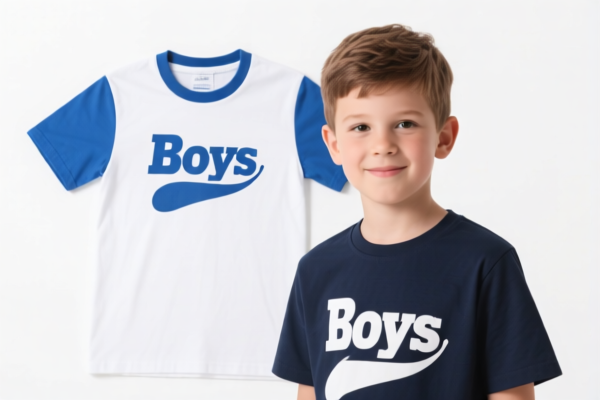
AI Analysis
👕 Boy’s Printed Shirts (Cotton Knit/Woven Classification Guide)
🌐 HS Code Reference & Clearance Guide | 2026 Latest Tariff Analysis | Professional Entry Strategy
📌 I. Product Definition & Classification: Do You Really Understand "Boy's Printed Shirts"?
Boy’s printed shirts are children's upper garments made from cotton, categorized based on their manufacturing process (knit vs. woven) and specific usage. In international trade, precise classification is critical because:
- Woven Shirts (e.g., Button-downs, Dress Shirts): Made from interlaced threads. Typically fall under Chapter 62.
- Knit Shirts (e.g., T-shirts, Polo Shirts): Made from interlooped yarns. Typically fall under Chapter 61.
⚠️ Key Distinction Point:
- If the fabric is woven (non-stretch, structured) → Usually 6205.xxxx
- If the fabric is knitted (stretchy, jersey-like) → Usually 6105.xxxx
- Note: "Printed" does not change the base HS code but confirms the material description.
📦 II. HS Code Classification Details (Based on Provided Data)
The provided data lists five specific HS Codes for "Cotton Boy’s Shirts." Below is the breakdown of why each applies and the corresponding tariff structure.
| HS Code | Product Description | Material/Usage Match | Total Tax Rate | Tax Breakdown |
|---|---|---|---|---|
| 6205.20.20.31 | Woven Cotton Boy’s Shirt | Material & Use fully match | 37.2% | Base: 19.7% + Surtax: 7.5% + Section 301: 10% |
| 6205.20.20.26 | Woven Cotton Boy’s Shirt | Material & Use fully match | 37.2% | Base: 19.7% + Surtax: 7.5% + Section 301: 10% |
| 6105.10.00.10 | Knitted Cotton Boy’s Shirt | Material & Use comply | 29.7% | Base: 19.7% + Surtax: 0.0% + Section 301: 10% |
| 6105.10.00.30 | Knitted Cotton Boy’s Shirt | Material/Shape/Use match | 37.2% | Base: 19.7% + Surtax: 7.5% + Section 301: 10% |
| 6107.12.00.20 | Boy’s Underwear (Knitted Cotton) | Knitted Fabric, Boy’s Use | 32.4% | Base: 14.9% + Surtax: 7.5% + Section 301: 10% |
🔍 Critical Insight:
- Woven vs. Knit Matters:
- Woven (6205): Generally attracts higher surtaxes (7.5%).
- Knitted (6105): Can vary significantly.6105.10.00.10has 0% surtax, while6105.10.00.30has 7.5% surtax.
- Underwear Distinction:6107.12.00.20is for underwear, not outer shirts. Misclassifying an outer shirt as underwear leads to severe penalties.
💰 III. 2026 Latest Tariff Rate Breakdown (Detailed Analysis)
✅ Applicable Country: United States (US)
✅ Origin: China (CN) (Implied by Section 122/301 references)
✅ Effective Time: Current Regulations (Check for updates)
🎯 1. 6205.20.20.31 & 6205.20.20.26 —— Woven Cotton Boy’s Shirts
| Item | Details |
|---|---|
| Base Duty | 19.7% |
| Additional Surtax | 7.5% |
| Section 301 / 122 Duty | 10% |
| Total Tax Rate | 37.2% |
| Calculation | CIF Value × 37.2% |
| De Minimis Exemption | ❌ Not Eligible (High duty rates usually disqualify de minimis in certain contexts, but strictly check current CBP rules. Note: Most Section 301 items are excluded from de minimis if value exceeds threshold, but typically high-duty goods are flagged.) |
| Legal Basis | HTSUS 6205.20.20.xx |
📌 Explanation:
- These are woven shirts (likely button-downs or formal wear).
- The 7.5% surtax is likely due to specific USITC notes or trade remedy measures.
- The 10% is the standard Section 301 tariff for many Chinese textiles.
- Total Cost Impact: High. Profit margins must account for nearly 40% tariff.
🎯 2. 6105.10.00.10 —— Knitted Cotton Boy’s Shirt (Optimal Rate?)
| Item | Details |
|---|---|
| Base Duty | 19.7% |
| Additional Surtax | 0.0% |
| Section 301 / 122 Duty | 10% |
| Total Tax Rate | 29.7% |
| Calculation | CIF Value × 29.7% |
| De Minimis Exemption | ⚠️ Check CBP Rules (Lower duty may allow de minimis depending on current enforcement) |
| Legal Basis | HTSUS 6105.10.00.10 |
📌 Explanation:
- This is a knitted shirt (e.g., T-shirt).
- Crucial Advantage: 0% Surtax compared to other knitted/woven options.
- Savings: 7.5% less than6205and6105.10.00.30.
- Strategy: If your "printed shirt" is a T-shirt/polo, ensure it is clearly described as Knitted to qualify for this code.
🎯 3. 6105.10.00.30 —— Knitted Cotton Boy’s Shirt (Higher Surtax)
| Item | Details |
|---|---|
| Base Duty | 19.7% |
| Additional Surtax | 7.5% |
| Section 301 / 122 Duty | 10% |
| Total Tax Rate | 37.2% |
| Calculation | CIF Value × 37.2% |
| Legal Basis | HTSUS 6105.10.00.30 |
📌 Explanation:
- Also Knitted, but attracts the 7.5% surtax.
- Why the difference from.10? Often due to specific style, weight, or additional features defined in subheadings.
- Verify if your product meets the stricter criteria for.30.
🎯 4. 6107.12.00.20 —— Boy’s Underwear (Knitted Cotton)
| Item | Details |
|---|---|
| Base Duty | 14.9% |
| Additional Surtax | 7.5% |
| Section 301 / 122 Duty | 10% |
| Total Tax Rate | 32.4% |
| Calculation | CIF Value × 32.4% |
| Legal Basis | HTSUS 6107.12.00.20 |
📌 Explanation:
- ⚠️ WARNING: This is for Underwear (e.g., briefs, boxers).
- Do NOT use this for outer shirts. Misclassification leads to fraud allegations or forced reclassification + penalties.
- Lower base duty (14.9%) but still subject to surtaxes.
🛠️ IV. Clearance Practical Advice (Avoid Pitfalls)
✅ 1. Preparation Checklist (Mandatory)
| Document | Required | Purpose |
|---|---|---|
| ✅ Product Spec Sheet | ✔️ | Must state: Knit or Woven?, Cotton Content %, Age Group (Boy’s) |
| ✅ Fabric Swatch | ✔️ | Physical sample to prove knit vs. weave structure |
| ✅ Clear Photos | ✔️ | Front/Back view, tag showing "Boy's", fabric texture close-up |
| ✅ Commercial Invoice | ✔️ | Description must match HS code exactly (e.g., "Knitted Cotton T-Shirt" vs. "Woven Shirt") |
| ✅ Origin Certificate | ✔️ | If claiming preferential rates (unlikely for China, but required for proof of origin) |
✅ 2. Declaration Tips (Key Mnemonic)
🔥 “Knit or Woven? Check the Surtax! Underwear is NOT a Shirt!”
| Scenario | Correct HS Code | Incorrect Code | Consequence |
|---|---|---|---|
| T-Shirt / Polo (Knitted) | 6105.10.00.10 or .30 |
6205.xxxx (Woven) |
Overpayment or Underpayment depending on surtax diff. |
| Button-Down Shirt (Woven) | 6205.20.20.31 / .26 |
6105.xxxx (Knitted) |
Major Penalty: Woven is misclassified as Knitted. |
| Boy’s Underwear | 6107.12.00.20 |
6105.xxxx (Shirt) |
Fraud Risk: Underwear declared as outerwear. |
| Mixed Bundle (Shirt + Underwear) | Split Line Items | Single Line Item | Seizure Risk: Must declare each item separately. |
✅ 3. Special Cases
| Case | Handling Advice |
|---|---|
| OEM Custom Shirts | Provide design proofs to show "Boy’s" branding and fit. |
| Printed vs. Dyed | "Printed" is a finishing process; it doesn’t change the base HS code but must be stated in description. |
| Age Group Ambiguity | If "Unisex," prove it’s marketed/designed for boys (e.g., sizing, styling) to avoid misclassification. |
🌍 V. Global Market Clearance Comparison (2026 Update)
| Country/Region | Recommended HS Code | Tariff (China Origin) | Key Certification | Notes |
|---|---|---|---|---|
| 🇺🇸 USA | 6205.20.20.31 / 6105.10.00.10 |
29.7% - 37.2% | CPSIA (Safety) | High Surtax Risk. Verify knit/woven. |
| 🇨🇳 China | 6205.20.20 / 6105.10.00 |
9% - 19.7% | CCC (if applicable) | Lower base duty, no Section 301. |
| 🇪🇺 EU | 6105.10.00 / 6205.20.00 |
12% - 17% | CE / REACH | No Section 301. Textile labeling laws strict. |
| 🇬🇧 UK | 6105.10.00 / 6205.20.00 |
12% - 17% | UKCA | Post-Brexit rules apply. |
📌 Conclusion:
- USA is the most complex market due to Section 301 + Surtax structure.
- Knitted shirts (6105.10.00.10) offer the lowest US tariff (29.7%) if eligible.
- Woven shirts (6205) are taxed at 37.2%.
- Always prioritize material structure (Knit vs. Woven) to optimize tax.
📌 VI. Common Errors & Pitfalls (Lessons Learned)
❌ Error 1: Calling a Knitted T-Shirt a "Shirt" and classifying it as Woven (6205).
👉 Consequence: Pay 37.2% instead of 29.7% → Extra 7.5% cost.
👉 Fix: Clearly state "Knitted Cotton T-Shirt" in description.
❌ Error 2: Classifying Underwear (6107) as Outer Shirt (6105).
👉 Consequence: Customs may reject entry or reclassify, causing delays and storage fees.
👉 Fix: Use precise terms: "Boy’s Briefs" vs. "Boy’s Shirt".
❌ Error 3: Ignoring Print vs. Dye.
👉 Consequence: Minor issue, but "Printed" must be in description to avoid ambiguity.
👉 Fix: Include "Printed" in product title.
✅ Correct Description Example:
"Knitted Cotton T-Shirt, Boys Size 8, Blue Floral Print, 100% Cotton, Model XYZ"
🎯 VII. Conclusion: Precision in Classification, Savings in Tariffs!
🎯 Key Takeaway:
🔹 Knitted (6105) can be cheaper (29.7%) than Woven (6205 at 37.2%) if you pick the right subcode (
.10).
🔹 Woven (6205) always carries 7.5% surtax in this dataset.
🔹 Never confuse Underwear (6107) with Shirts (6105/6205).📌 Pro Tip:
- Request Advance Rulings from CBP if your product is borderline Knit/Woven.
- Opt for6105.10.00.10if your product qualifies (Knitted, Boy’s, Cotton) to save 7.5%.
📣 Immediate Action:
📞 Consult with a customs broker to confirm Knit vs. Woven status.
🚀 Classify correctly, pay less, and clear faster!
✨ Professional Customs Clearance Starts with Accurate HS Codes!
💼 Every percentage point counts in your profit margin!
Customer Reviews
About HS Code Classification
The Harmonized System (HS) is an internationally standardized nomenclature developed by the World Customs Organization (WCO) to classify traded products. Over 200 countries use the HS system as the basis for customs tariffs, trade statistics, and import/export regulations.
Each HS code follows a hierarchical structure:
- Chapter (2 digits) — Broad category of goods (e.g., Chapter 84: Machinery and Mechanical Appliances)
- Heading (4 digits) — More specific grouping within the chapter
- Subheading (6 digits) — Internationally standardized breakdown, used by all WCO member countries
- National subdivisions (8-10 digits) — Country-specific extensions for further classification, such as US HTSUS 10-digit codes
Correct HS code classification is essential for smooth customs clearance, accurate duty payment, and compliance with trade regulations. Misclassification can lead to customs delays, overpayment of duties, or penalties.
When importing from CN to US, the applicable tariff rates may include:
- Most-Favored-Nation (MFN) rate — The standard duty rate applied to WTO members
- General rate — Applied to countries without trade agreements
- Trade remedy duties — Additional tariffs such as Section 301 (anti-dumping), Section 232 (national security), or countervailing duties
The information provided on this page is for reference purposes only. For official classification, please consult with your local customs authority or a licensed customs broker.