男童条纹内裤
CN → US| HS Code | Tariff Rate | Origin | Destination | Doc |
|---|---|---|---|---|
| 6207199010 | 28.0% | CN | US | Official Doc |
| 6114200020 | 28.3% | CN | US | Official Doc |
| 6107120010 | 32.4% | CN | US | Official Doc |
| 6107110010 | 17.4% | CN | US | Official Doc |
| 6114302010 | 49.5% | CN | US | Official Doc |
Product Images
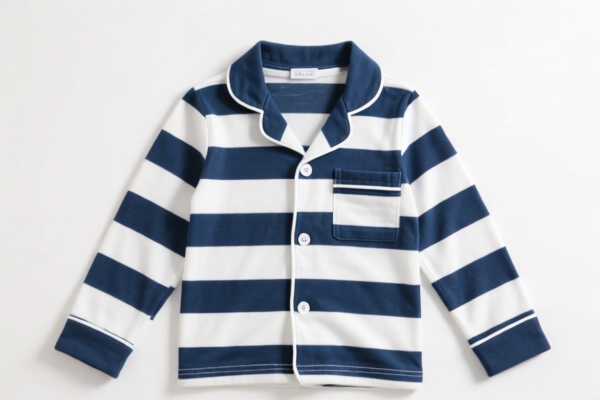
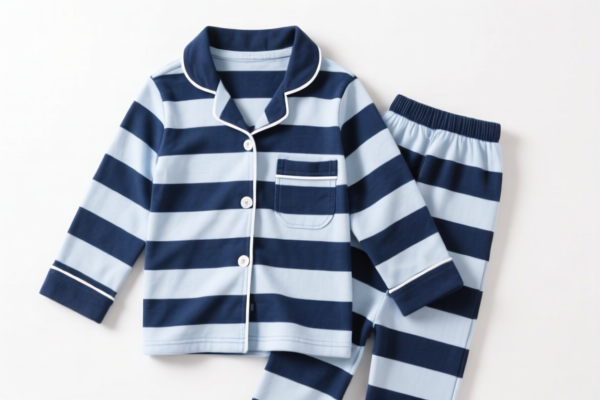
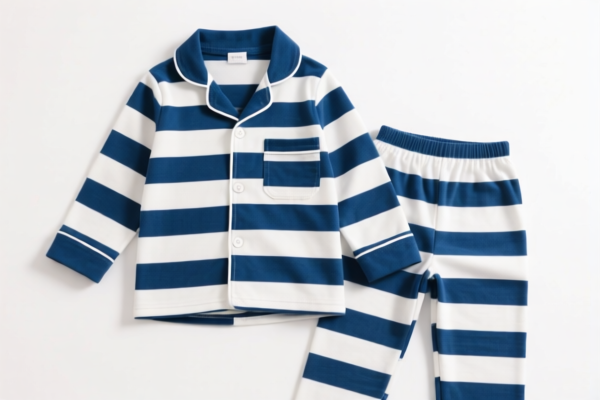
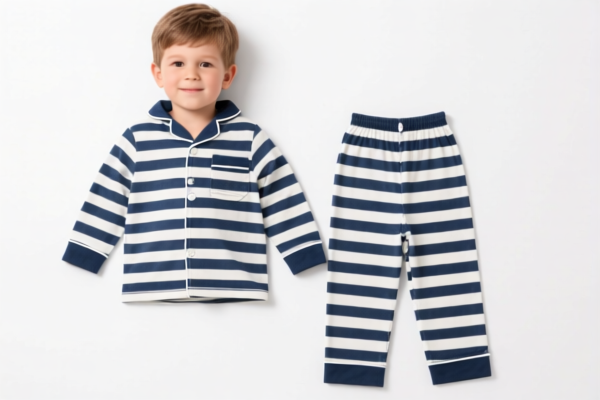
AI Analysis
👕 Boy’s Striped Underwear (Boys' Striped Briefs)
🌐 HS Code Reference & Customs Clearance Guide | 2026 Latest Tariff Analysis | Professional Entry Strategies
📌 I. Product Definition & Classification: Do You Really Know “Boy’s Striped Underwear”?
Boy’s striped underwear is a daily essential garment, primarily used for men’s and boys’ intimate wear. In international trade, it is strictly classified based on two core dimensions:
1. Fabric Structure: Knitted (flexible, stretchable) vs. Woven (structured, non-stretchable);
2. Material Composition: Cotton, Man-made fibers, or Blends.
⚠️ Key Distinction Points:
- If the fabric is knitted (e.g., jersey, ribbed knit) → Falls under Chapter 61 (Articles of apparel and clothing accessories, knitted or crocheted);
- If the fabric is woven (e.g., poplin, oxford) → Falls under Chapter 62 (Articles of apparel and clothing accessories, not knitted or crocheted);
- Stripes are a visual pattern and do not affect the HS code directly, but the material and construction method determine the final classification.
📦 II. HS Code Classification Details (2026 Latest Tariff Authoritative Comparison)
| HS Code | Product Description | Applicability Scenario | Material/Structure |
|---|---|---|---|
6207.19.90.10 |
Men’s/Boys’ woven underwear, not specified elsewhere | Woven fabric, non-knitted, e.g., cotton poplin, linen blend | ✅ Woven |
6114.20.00.20 |
Other garments, knitted or crocheted, of textile materials | Knitted fabric, e.g., cotton jersey, polyester blend, often elastic | ✅ Knitted |
6107.12.00.10 |
Men’s or boys’ knitted or crocheted undershirts, singlets, and similar garments, of synthetic fibers | Knitted, made of synthetic fibers (e.g., polyester, nylon) | ✅ Knitted (Synthetic) |
6107.11.00.10 |
Men’s or boys’ knitted or crocheted undershirts, singlets, and similar garments, of cotton | Knitted, made of cotton | ✅ Knitted (Cotton) |
6114.30.20.10 |
Other garments, knitted or crocheted, of synthetic fibers | Knitted, synthetic fiber with elasticity (e.g., spandex blend) | ✅ Knitted (Synthetic + Elastic) |
🔍 Key Reminder:
- Woven underwear (e.g., traditional boxers made of woven cotton) →6207.19.90.10;
- Knitted underwear (e.g., briefs, trunks, boxers made of knit fabric) →6107.11.00.10(Cotton) or6107.12.00.10(Synthetic);
- High-stretch knitwear (e.g., compression shorts, athletic briefs with spandex) → May fall under6114.30.20.10.
💰 III. 2026 Latest Tariff Rate Details (Including Additional Taxes & Policy Surcharges)
✅ Applicable Country: United States (US)
✅ Origin: China (CN)
✅ Effective Date: From November 10, 2025 (including subsequent imports)
🎯 1. 6207.19.90.10 —— Men’s/Boys’ Woven Underwear
| Item | Content |
|---|---|
| Base Tariff | 10.5% |
| Section 301 Additional Tariff | +7.5% |
| Section 122 Tariff | +10% |
| Total Tariff | 28.0% |
| Tax Calculation | CIF Value × 28.0% |
| De Minimis Eligibility | ❌ Not Eligible (deny_de_minimis) |
| Legal Basis Path | Section 301 → Section 122 → USITC:6207.19.90.10 |
📌 Explanation:
- Base Tariff 10.5%: Standard MFN (Most Favored Nation) rate for woven men’s underwear;
- Section 301 Additional Tariff 7.5%: Imposed on certain Chinese textiles;
- Section 122 Tariff 10%: National security-related tariff on specific textile products;
- Total 28.0%: A significant burden, requiring careful cost calculation.
🎯 2. 6114.20.00.20 —— Other Knitted/Textile Garments
| Item | Content |
|---|---|
| Base Tariff | 10.8% |
| Section 301 Additional Tariff | +7.5% |
| Section 122 Tariff | +10% |
| Total Tariff | 28.3% |
| Tax Calculation | CIF Value × 28.3% |
| De Minimis Eligibility | ❌ Not Eligible |
| Legal Basis Path | Section 301 → Section 122 → USITC:6114.20.00.20 |
📌 Note:
- This code is a "catch-all" for knitted garments not specifically classified elsewhere;
- If the underwear is knitted but doesn’t fit6107(specifically for men’s/boys’ undershirts), it may fall here;
- Total 28.3% is slightly higher than6207.19.90.10due to a higher base tariff.
🎯 3. 6107.12.00.10 —— Men’s/Boys’ Knitted Underwear (Synthetic Fibers)
| Item | Content |
|---|---|
| Base Tariff | 14.9% |
| Section 301 Additional Tariff | +7.5% |
| Section 122 Tariff | +10% |
| Total Tariff | 32.4% |
| Tax Calculation | CIF Value × 32.4% |
| De Minimis Eligibility | ❌ Not Eligible |
| Legal Basis Path | Section 301 → Section 122 → USITC:6107.12.00.10 |
📌 Warning:
- Synthetic fiber underwear has a higher base tariff (14.9%) compared to cotton;
- Total 32.4% is one of the highest rates in this category;
- Common for polyester, nylon, or microfiber briefs.
🎯 4. 6107.11.00.10 —— Men’s/Boys’ Knitted Underwear (Cotton)
| Item | Content |
|---|---|
| Base Tariff | 7.4% |
| Section 301 Additional Tariff | +7.5% |
| Section 122 Tariff | +10% |
| Total Tariff | 24.9% |
| Tax Calculation | CIF Value × 24.9% |
| De Minimis Eligibility | ❌ Not Eligible |
| Legal Basis Path | Section 301 → Section 122 → USITC:6107.11.00.10 |
📌 Advantage:
- Lowest total tariff (24.9%) among all codes listed;
- Ideal for 100% cotton or high-cotton-content briefs;
- Recommendation: Prioritize cotton to minimize tariff costs if product design allows.
🎯 5. 6114.30.20.10 —— Other Knitted Garments (Synthetic Fibers)
| Item | Content |
|---|---|
| Base Tariff | 32.0% |
| Section 301 Additional Tariff | +7.5% |
| Section 122 Tariff | +10% |
| Total Tariff | 49.5% |
| Tax Calculation | CIF Value × 49.5% |
| De Minimis Eligibility | ❌ Not Eligible |
| Legal Basis Path | Section 301 → Section 122 → USITC:6114.30.20.10 |
🚨 Critical Alert:
- Highest tariff at 49.5%;
- Applies to high-stretch synthetic knitwear not specifically classified under6107;
- Avoid this code unless necessary (e.g., specialized athletic wear);
- If possible, reclassify as6107.12.00.10(32.4%) to save 17.1% in tariffs.
🛠️ IV. Customs Clearance Practical Advice (Battle-Tested Pitfall Avoidance Guide)
✅ 1. Documentation Checklist (Non-Negotiable)
| Document | Required | Notes |
|---|---|---|
| ✅ Product Specification Sheet | ✔️ | Include fabric composition (% cotton, % polyester, etc.), knit/weave type |
| ✅ Fabric Swatch Sample | ✔️ | To verify knit vs. weave and fiber content |
| ✅ Product Photos (Label & Tags) | ✔️ | Show care labels, material composition tags |
| ✅ Commercial Invoice | ✔️ | Clearly state “Men’s/Boys’ Knitted/Woven Underwear” |
| ✅ Packing List | ✔️ | Detail quantities, weights, and carton dimensions |
| ✅ Certificate of Origin (CO) | ✔️ | If from non-China origins, may qualify for lower tariffs |
✅ 2. Declaration Tips (Key Mantra)
🔥 “Knit vs. Woven, Cotton vs. Synthetic, Correct Code Saves Thousands!”
| Scenario | Correct Declaration | Wrong Practice |
|---|---|---|
| Cotton knit briefs | 6107.11.00.10 (24.9%) |
Misdeclare as woven → 6207.19.90.10 (28.0%) |
| Polyester knit briefs | 6107.12.00.10 (32.4%) |
Misdeclare as cotton → 6107.11.00.10 (24.9%) → Penalty! |
| Woven cotton boxers | 6207.19.90.10 (28.0%) |
Misdeclare as knit → 6107.11.00.10 (24.9%) → Penalty! |
| High-stretch synthetic briefs | 6114.30.20.10 (49.5%) |
Try to force into 6107 → Customs rejection |
✅ 3. Special Handling Cases
| Scenario | Handling Advice |
|---|---|
| OEM Custom Underwear | Provide design specs + fabric composition to avoid misclassification |
| Mixed Material (e.g., 95% Cotton, 5% Spandex) | Classify under cotton (6107.11.00.10) if cotton > 50% |
| Underwear with Elastic Waistband | Still classified by main fabric; elastic trim does not change code |
| Sample vs. Bulk | Ensure samples match bulk fabric exactly to avoid customs delays |
🌍 V. Global Major Market Clearance Comparison (2026 Latest)
| Country/Region | Recommended HS Code | Tariff | Certification | Notes |
|---|---|---|---|---|
| 🇺🇸 USA | 6107.11.00.10 |
24.9% (Cotton) | None | 28%-49.5% for others |
| 🇨🇳 China | 6107.11.00.10 |
15.0% | CCC | No additional tariffs |
| 🇪🇺 EU | 6107.11.00.00 |
0% (if MFN) | CE (if applicable) | No Section 301/122 |
| 🇬🇧 UK | 6107.11.00.00 |
12% | UKCA | Post-Brexit tariffs |
| 🇦🇺 Australia | 6107.11.00.00 |
5% | RCM | Low tariffs |
📌 Conclusion:
- USA imposes the highest effective tariffs due to Section 301 and 122;
- China and EU have more favorable rates for cotton knitwear;
- Strategic Recommendation: For US-bound goods, prioritize 100% cotton knit underwear (6107.11.00.10) to minimize tax burden.
📌 VI. Common Mistakes & Pitfall Guide (Lessons Learned)
❌ Mistake 1: Declaring “striped” as the primary characteristic
👉 Result: Customs still classifies by fabric and material, not pattern. Stripes don’t change the HS code.
❌ Mistake 2: Confusing knit and weave
👉 Result: 6107 (knit) vs. 6207 (woven) have different base tariffs. Misdeclaration leads to audit risks and penalties.
❌ Mistake 3: Ignoring Section 122
👉 Result: Even if base tariff is low, +10% Section 122 applies to most Chinese textiles. Total tariff = Base + 7.5% + 10%.
❌ Mistake 4: Using “underwear” without specifying “knit/woven” or “material”
👉 Result: Customs may assign a default code with higher tariff or request additional documentation, causing delays.
✅ Correct Practice:
“Boys’ Knitted Cotton Briefs, Striped Pattern, 100% Cotton, Knit Fabric, Model ABC, Ready for Wear”
🎯 VII. Conclusion: Professional Declaration, Save Time, Reduce Costs!
🎯 Remember the Mantra:
🔹 “Knit vs. Woven, Cotton vs. Synthetic, Code Determines Cost!”
🔹 “Stripes are Cosmetic, Material is King, Tariff is the Final Verdict!”
📌 Pro Tip:
If your underwear is originated from Vietnam, Mexico, Thailand, or Malaysia, you may qualify for tariff exemptions or reductions under USMCA or ASEAN FTAs.
Recommendation: Apply for an Advance Ruling (HS Code Pre-classification) to avoid customs disputes.
📣 Immediate Action:
📞 Contact a Professional Customs Broker + Provide Fabric Samples + Apply for HS Code Pre-classification
🚀 Ensure your underwear clears customs smoothly, maximizes profit margins, and enters the US market efficiently!
✨ Professional Clearance Starts with Accurate Classification!
💼 Every Cent of Tax Cost Deserves Precision!
Customer Reviews
About HS Code Classification
The Harmonized System (HS) is an internationally standardized nomenclature developed by the World Customs Organization (WCO) to classify traded products. Over 200 countries use the HS system as the basis for customs tariffs, trade statistics, and import/export regulations.
Each HS code follows a hierarchical structure:
- Chapter (2 digits) — Broad category of goods (e.g., Chapter 84: Machinery and Mechanical Appliances)
- Heading (4 digits) — More specific grouping within the chapter
- Subheading (6 digits) — Internationally standardized breakdown, used by all WCO member countries
- National subdivisions (8-10 digits) — Country-specific extensions for further classification, such as US HTSUS 10-digit codes
Correct HS code classification is essential for smooth customs clearance, accurate duty payment, and compliance with trade regulations. Misclassification can lead to customs delays, overpayment of duties, or penalties.
When importing from CN to US, the applicable tariff rates may include:
- Most-Favored-Nation (MFN) rate — The standard duty rate applied to WTO members
- General rate — Applied to countries without trade agreements
- Trade remedy duties — Additional tariffs such as Section 301 (anti-dumping), Section 232 (national security), or countervailing duties
The information provided on this page is for reference purposes only. For official classification, please consult with your local customs authority or a licensed customs broker.