男童滑雪训练服
CN → US| HS Code | Tariff Rate | Origin | Destination | Doc |
|---|---|---|---|---|
| 6112201010 | 45.7% | CN | US | Official Doc |
| 6211200810 | 21.9% | CN | US | Official Doc |
| 6211202830 | 45.2% | CN | US | Official Doc |
| 6103230036 | 0.0% | CN | US | Official Doc |
| 6112201010 | 45.7% | CN | US | Official Doc |
Product Images
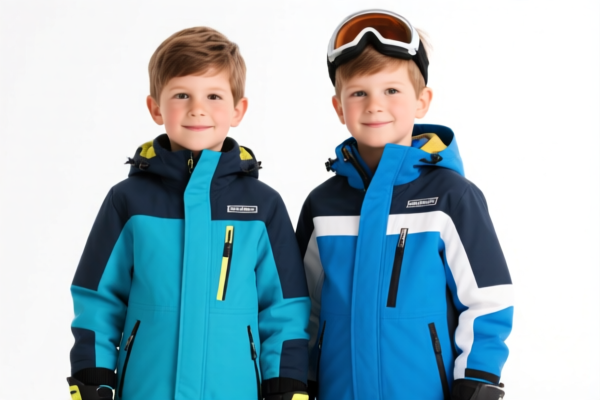
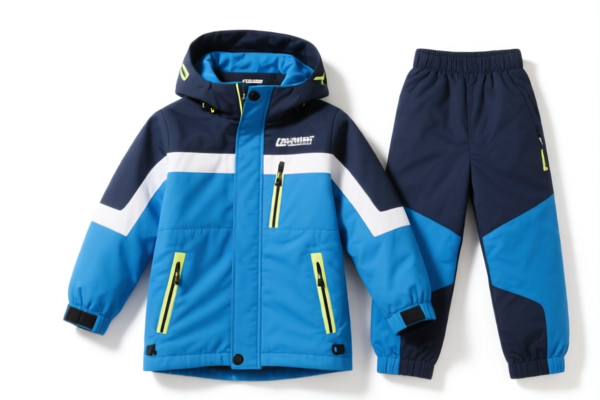
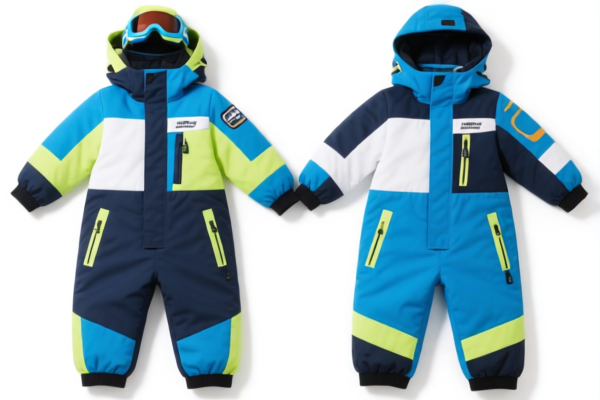
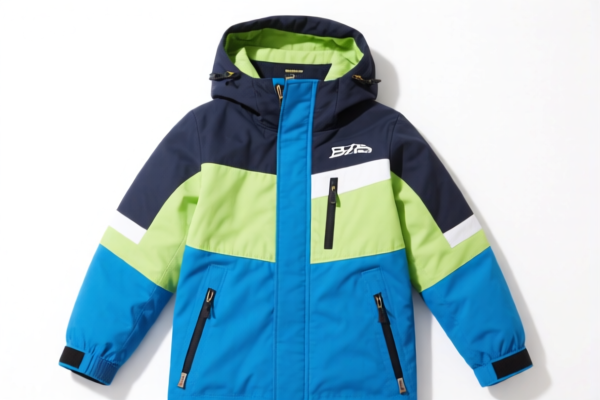
AI Analysis
🎿 Boys' Ski Training Suits (Boys' Ski Training Wear)
🌐 HS Code Reference & Customs Clearance Guide | 2026 Latest Tariff Analysis | Professional Clearance Strategy
📌 Part 1: Product Definition & Classification: Do You Truly Understand "Ski Training Suits"?
Boys' ski training suits are specialized athletic apparel designed for young male athletes. In international trade, the classification depends heavily on fabric construction (Knitted vs. Non-Knitted) and material composition. Misclassification is common because "ski suit" is a functional description, not a material one.
⚠️ Key Distinction Points:
- Knitted/ Crocheted (Chapter 61): Typically breathable, flexible fabrics like polyester blends, nylon tricot. Classified under6112.20.10.10or6103.23.00.36.
- Non-Knitted (Chapter 62): Woven fabrics, often with added insulation (down) or specific technical weaves. Classified under6211.20.08.10or6211.20.28.30.
- Target Audience: Specifically for Boys (not girls, not unisex without specification).
- Purpose: Skiing / Snow Sports Training.
📦 Part 2: HS Code Classification Details (2026 Latest Tariff Authority Comparison)
Based on the provided data, here are the four potential HS Codes and their specific applicability:
| HS Code | Product Description (Inferred) | Key Classification Criteria | Typical Material/Structure |
|---|---|---|---|
6112.20.10.10 |
Boys' Ski Training Suit (Knitted/Artificial Fibers) | Knitted, made of synthetic/artificial fibers, specifically for skiing. | Knitted polyester/nylon blend. |
6211.20.08.10 |
Boys' Ski Training Suit (Contains Down) | Non-Knitted, contains Down insulation. | Woven shell with down filling. |
6211.20.28.30 |
Boys' Ski Training Suit (Non-Cotton, Non-Artificial) | Non-Knitted, Non-Cotton, Non-Artificial Fiber. Likely natural fibers (e.g., wool blends) or other specific technical fabrics. | Woven fabric, not synthetic/artificial. |
6103.23.00.36 |
Boys' Ski Training Suit (Knitted/Synthetic Ensemble) | Knitted, Synthetic Fiber, possibly considered an "ensemble" or specific subset of knitwear. | Knitted synthetic fibers. |
🔍 Critical Reminder:
- The difference between6112.20.10.10(45.7%) and6211.20.08.10(21.9%) is massive ($23.8\%$ difference).
- Do not assume "Ski Suit" = High Tariff. If it contains down and is woven, the tariff drops significantly.
- Knitted (Chapter 61) vs. Woven (Chapter 62) is the primary decision tree.
💰 Part 3: 2026 Latest Tariff Rate Breakdown (Including Additional Duties & Policy Surcharges)
✅ Applicable Country: United States (US)
✅ Origin: China (CN) (Implied by the specific "122 Clause" and trade war tariffs)
✅ Effective Time: Current Trade War Regime (Section 301 & 122)
🎯 1. 6112.20.10.10 & 6103.23.00.36 —— Knitted Ski Suits (Synthetic/Artificial)
These two codes fall into similar high-tariff brackets due to the "Knitted" + "Synthetic" classification combined with trade war penalties.
| Item | Content |
|---|---|
| Base Tariff | 28.2% (for 6112.20.10.10) / Variable (for 6103.23.00.36, noted as "rate applicable to each garment if separately valued") |
| Section 301 Additional Duty | +7.5% |
| Section 122 Tariff | +10% |
| Total Effective Rate | ~45.7% (for 6112.20.10.10) |
| Tax Calculation | CIF Value × 45.7% |
| De Minimis Eligibility | ❌ No (High tariffs usually exclude de minimis exemptions) |
| Legal Basis Path | HTSUS 6112.20.10.10 → Section 301 Footnote → Section 122 Directive |
📌 Explanation:
- The 28.2% Base Rate reflects the US standard duty for knitted synthetic men's/boys' ski suits.
- The +7.5% is the standard Section 301 tariff on Chinese textile/apparel goods in certain categories.
- The +10% is the specific "Section 122" tariff, often applied to strategic goods or specific trade remedies.
- Total: 45.7%. This is a high-cost entry.
🎯 2. 6211.20.08.10 —— Non-Knitted Ski Suits with Down (The "Low-Tariff" Loophole?)
This is the most favorable code if the product contains down and is woven.
| Item | Content |
|---|---|
| Base Tariff | 4.4% |
| Section 301 Additional Duty | +7.5% |
| Section 122 Tariff | +10% |
| Total Effective Rate | 21.9% |
| Tax Calculation | CIF Value × 21.9% |
| De Minimis Eligibility | ❌ No |
| Legal Basis Path | HTSUS 6211.20.08.10 → Section 301 Footnote → Section 122 Directive |
📌 Note:
- Savings Alert: Compared to the knitted synthetic option (6112.20.10.10), this saves 23.8% in taxes!
- Condition: The suit MUST be Non-Knitted (Woven) and contain Down. If it's a synthetic insulated suit (no down) but woven, check code6211.20.28.30.
🎯 3. 6211.20.28.30 —— Non-Knitted, Non-Cotton, Non-Artificial Fiber Suits
This code applies to woven suits that are NOT synthetic/artificial (e.g., natural fiber blends) and likely do not contain down (or down is not the primary classifier here).
| Item | Content |
|---|---|
| Base Tariff | 27.7% |
| Section 301 Additional Duty | +7.5% |
| Section 122 Tariff | +10% |
| Total Effective Rate | 45.2% |
| Tax Calculation | CIF Value × 45.2% |
| De Minimis Eligibility | ❌ No |
| Legal Basis Path | HTSUS 6211.20.28.30 → Section 301 Footnote → Section 122 Directive |
📌 Warning:
- Despite being "Non-Knitted," the high base rate (27.7%) makes this nearly as expensive as the knitted synthetic option.
- Only use this if the material is neither synthetic nor down (e.g., wool blend) and woven.
🛠️ Part 4: Customs Clearance Practical Advice (Battle-Tested Pitfall Guide)
✅ 1. Document Checklist (Non-Negotiable)
| Document | Required? | Description |
|---|---|---|
| ✅ Product Spec Sheet | ✔️ | Must specify: Knitted vs. Woven, Fiber Content (% Polyester, % Nylon, % Down), Age Group (Boys), Purpose (Skiing). |
| ✅ Fabric Swatch/Photo | ✔️ | Clear macro photo showing weave/knit structure to prove Chapter 61 vs. 62. |
| ✅ Commercial Invoice | ✔️ | Must clearly state "Boys' Ski Training Suit" and not just "Clothing." |
| ✅ Down Content Certificate | ✔️ | If claiming 6211.20.08.10, proof of down content is critical. |
| ✅ Packing List | ✔️ | Detail dimensions and weight. |
✅ 2. Declaration Strategy (Key Mantra)
🔥 "Knit is High, Woven is Low, Down is Gold!"
| Scenario | Correct HS Code | Error Risk |
|---|---|---|
| Synthetic Knitted Suit | 6112.20.10.10 (45.7%) |
❌ Don't declare as "Woven" → Customs may downgrade or penalize. |
| Woven Suit with Down | 6211.20.08.10 (21.9%) |
✅ Optimal Choice if applicable. |
| Woven Synthetic (No Down) | 6211.20.28.30 (45.2%) |
⚠️ High tariff. Check if material classification can be optimized. |
| Unisex/Adult Suit | Different Codes | ❌ Must specify "Boys" to match the provided HS codes. |
📌 Critical Tip:
- If your product is a Woven Synthetic Suit (No Down), it falls under6211.20.28.30(45.2%).
- If you can change the design to Include Down, it jumps to6211.20.08.10(21.9%).
- Savings: $23.3\%$ tariff reduction! Consider redesigning the insulation layer.
✅ 3. Special Case Handling
| Situation | Handling Advice |
|---|---|
| "Ski Wear" vs. "Ski Suit" | Declare as "Ski Training Suit" or "Ski Wear." Avoid vague terms like "Sports Jacket." |
| Material Ambiguity | If fabric is a blend (e.g., 80% Polyester, 20% Wool), the dominant weight determines the chapter. |
| Section 122 Application | Ensure the invoice origin is China. If transshipped, ensure proper Country of Origin labeling to avoid penalties. |
🌍 Part 5: Global Market Comparison (2026 Latest)
| Country/Region | Recommended HS Code | Tariff (China Origin) | Certification | Note |
|---|---|---|---|---|
| 🇺🇸 USA | 6112.20.10.10 / 6211.20.08.10 |
45.7% (Knit) / 21.9% (Down Woven) | FTC Labeling, CPSIA (if <12 yrs) | High Trade War Tariffs |
| 🇨🇳 China | 6112.20.10.10 |
~5-10% (Est.) | CCC (if applicable) | Lower tariffs, focus on domestic market |
| 🇪🇺 EU | 6112.20.10 |
~12% | CE (if protective) | No Section 301/122 tariffs |
| 🇬🇧 UK | 6112.20.10 |
~12% | UKCA | Post-Brexit rules apply |
📌 Conclusion:
- USA is the most challenging market due to叠加 (layered) tariffs (Base + 301 + 122).
- Optimization Strategy: For the US market, prioritize Woven + Down constructions (6211.20.08.10) to halve the tariff burden.
📌 Part 6: Common Mistakes & Pitfall Guide (Lessons from Blood and Tears)
❌ Mistake 1: Declaring a Knitted Synthetic Suit as Woven to avoid the 28.2% base rate.
👉 Consequence: Customs inspection reveals knit structure → Penalty + Back Taxes + Delay.
❌ Mistake 2: Ignoring Section 122.
👉 Consequence: Even if base tariff is low, forgetting the 10% surcharge leads to underpayment audits.
❌ Mistake 3: Misidentifying Down Content.
👉 Consequence: If a suit is claimed as 6211.20.08.10 (Down) but contains only synthetic padding, it is reclassified to 6211.20.28.30 (45.2%) → Sudden 23% cost spike.
✅ Correct Action:
"Boys' Ski Training Suit, Woven, 90% White Duck Down, Outer Shell: 100% Nylon, Lining: Polyester. Model: XYZ, Certified: FTC, CPSIA Compliant."
🎯 Part 7: Conclusion: Precision Classification Saves Money!
🎯 Remember the Mantra:
🔹 "Knit = High Tax (45.7%)"
🔹 "Woven + Down = Low Tax (21.9%)"
🔹 "Woven + No Down = Medium/High Tax (45.2%)"
🔹 "Don't Guess Material, Prove It with Swatches!"
📌 Pro Tip:
If your current product is Knitted Synthetic (6112.20.10.10), discuss with your R&D team if a Woven + Down alternative is feasible for the US market. The $23.8\%$ tariff saving can significantly boost margins.
📣 Immediate Action:
📞 Audit Your Fabric: Is it Knit or Woven? Does it contain Down?
📄 Update Your Invoice: Ensure "Boys," "Ski," and "Material" are explicit.
🚀 Customs Broker Briefing: Provide SWATCHES and Material Composition Certificates before shipment.
✨ Professional Customs Clearance Starts with Accurate Classification!
💼 Your Profit Margin Depends on the HS Code You Choose!
Customer Reviews
About HS Code Classification
The Harmonized System (HS) is an internationally standardized nomenclature developed by the World Customs Organization (WCO) to classify traded products. Over 200 countries use the HS system as the basis for customs tariffs, trade statistics, and import/export regulations.
Each HS code follows a hierarchical structure:
- Chapter (2 digits) — Broad category of goods (e.g., Chapter 84: Machinery and Mechanical Appliances)
- Heading (4 digits) — More specific grouping within the chapter
- Subheading (6 digits) — Internationally standardized breakdown, used by all WCO member countries
- National subdivisions (8-10 digits) — Country-specific extensions for further classification, such as US HTSUS 10-digit codes
Correct HS code classification is essential for smooth customs clearance, accurate duty payment, and compliance with trade regulations. Misclassification can lead to customs delays, overpayment of duties, or penalties.
When importing from CN to US, the applicable tariff rates may include:
- Most-Favored-Nation (MFN) rate — The standard duty rate applied to WTO members
- General rate — Applied to countries without trade agreements
- Trade remedy duties — Additional tariffs such as Section 301 (anti-dumping), Section 232 (national security), or countervailing duties
The information provided on this page is for reference purposes only. For official classification, please consult with your local customs authority or a licensed customs broker.