男童睡衣套装
CN → US| HS Code | Tariff Rate | Origin | Destination | Doc |
|---|---|---|---|---|
| 6111206020 | 25.6% | CN | US | Official Doc |
| 6111305020 | 33.5% | CN | US | Official Doc |
| 6207210040 | 26.4% | CN | US | Official Doc |
| 6207210020 | 26.4% | CN | US | Official Doc |
| 6107210020 | 26.4% | CN | US | Official Doc |
| 6107220025 | 26.0% | CN | US | Official Doc |
Product Images
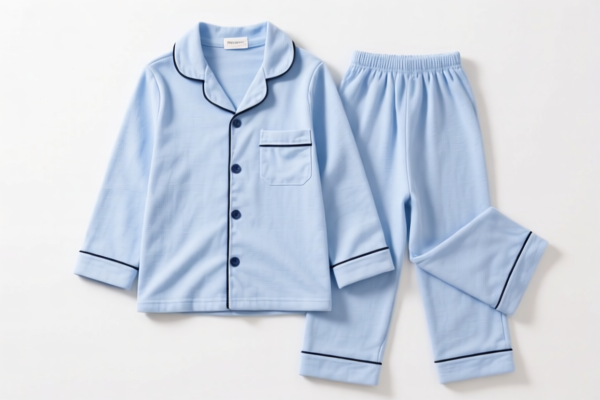
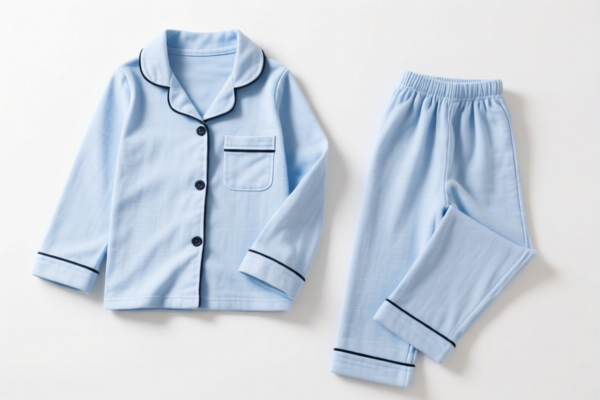

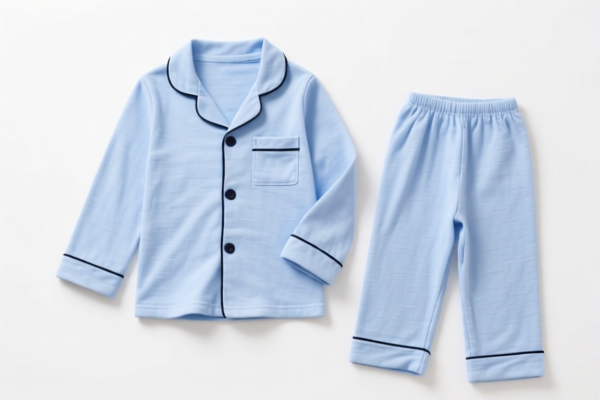
AI Analysis
👶 Boys' Pyjama Sets (Children's Sleepwear)
🌐 HS Code Reference & Customs Clearance Guide | 2026 Latest Tariff Analysis | Professional Clearance Strategy
📌 I. Product Definition & Classification: Do You Really Understand "Boys' Pyjama Sets"?
Boys' pyjama sets are a specific category of children's clothing, primarily used for sleeping. In international trade, classification is strictly determined by the material composition and knitting method (knitted or crocheted). Misclassification can lead to significant tariff differences due to the complex layering of basic tariffs and additional punitive tariffs.
⚠️ Key Distinction Points:
- Material is King: Whether it is Cotton, Synthetic Fibers (e.g., Polyester), or Artificial Fibers (e.g., Viscose/Rayon) determines the base HS code chapter.
- Construction: Must be Knitted or Crocheted (typically Chapter 61). If woven, it falls under Chapter 62, but the data provided focuses on Knitted/Crocheted items (HS 6107).
- Target Audience: Specifically for Boys (as opposed to Girls, which may have different subheadings in some jurisdictions, though here the focus is on the general "Boys" category provided).
📦 II. HS Code Classification Details (2026 Latest Tariff Authority Comparison)
Based on the provided data, the following HS codes apply to Boys' Knitted/Crocheted Pyjama Sets. Note that duplicates in the input (same HS code, slightly different summary) have been consolidated to avoid confusion.
| HS Code | Product Description | Material Composition | Total Tax Rate | Tax Components Detail |
|---|---|---|---|---|
6107.21.00.20 |
Boys' Knitted or Crocheted Pyjama Sets | Cotton (棉制) | 26.4% | Basic: 8.9% Additional: 7.5% Section 301 (122 Clause): 10% |
6107.22.00.15 |
Boys' Pyjama Sets | Synthetic Fibers (合成纤维) | 33.5% | Basic: 16.0% Additional: 7.5% Section 301 (122 Clause): 10% |
6107.22.00.25 |
Boys' Pyjama Sets | Artificial Fibers (人造纤维) OR Cotton Blend* | 33.5% | Basic: 16.0% Additional: 7.5% Section 301 (122 Clause): 10% |
6111.30.50.20 |
Boys' Pyjama Sets | Synthetic or Natural Fibers | 33.5% | Basic: 16.0% Additional: 7.5% Section 301 (122 Clause): 10% |
🔍 Critical Note on Duplicates:
- HS Code6107.21.00.20appears twice in the source data with identical tax details. This is consolidated above.
- HS Codes6107.22.00.15,6107.22.00.25, and6111.30.50.20all share the same 33.5% total tax rate structure.
💰 III. 2026 Latest Tariff Rate Breakdown (Including Surcharges & Policy Add-ons)
✅ Applicable Country: United States (US)
✅ Origin: China (CN)
✅ Effective Date: Ongoing (Based on current Section 301/122 Clause enforcement)
🎯 1. 6107.21.00.20 —— Boys' Pyjama Sets (Cotton)
This code offers the lowest tax burden among the options provided because Cotton has a lower basic tariff rate.
| Item | Content |
|---|---|
| Basic Tariff | 8.9% (ad valorem) |
| Additional Tariff | +7.5% (Likely Section 301 or specific trade remedy) |
| Section 301 / 122 Clause Tariff | +10% (Specific punitive tariff on Chinese textiles/garments) |
| Total Effective Tax Rate | 26.4% |
| Tax Calculation | CIF Value × 26.4% |
| De Minimis Exemption? | ❌ No (Garments are generally subject to full duty assessment) |
📌 Explanation:
- Basic Tariff (8.9%): Standard MFN rate for cotton knitted pyjamas.
- Additional (7.5%): Reflects the standard punitive surcharge applied to many Chinese textile products.
- 122 Clause (10%): A specific U.S. trade law provision targeting certain categories of Chinese imports, significantly increasing the cost for this item.
- Strategic Advantage: Cotton (Chapter 6107.21) is cheaper to import than Synthetic/Artificial alternatives in this specific tariff scheme.
🎯 2. 6107.22.00.15 / 6107.22.00.25 / 6111.30.50.20 —— Synthetic/Artificial Fibers
These codes carry a higher basic tariff, leading to a significantly higher total cost.
| Item | Content |
|---|---|
| Basic Tariff | 16.0% (ad valorem) |
| Additional Tariff | +7.5% |
| Section 301 / 122 Clause Tariff | +10% |
| Total Effective Tax Rate | 33.5% |
| Tax Calculation | CIF Value × 33.5% |
| De Minimis Exemption? | ❌ No |
📌 Explanation:
- Basic Tariff (16.0%): Higher than cotton because synthetic/artificial fibers are often classified differently or face higher baseline duties.
- Same Surcharges: The 7.5% and 10% surcharges apply equally to these codes.
- Cost Impact: You pay 7.1% more in total duty compared to the Cotton version. On a $10,000 shipment, this is an extra $710 in duties.
🛠️ IV. Customs Clearance Practical Advice (Avoid Pitfalls)
✅ 1. Preparation Checklist (Non-negotiable)
| Document | Required? | Explanation |
|---|---|---|
| ✅ Fabric Content Label | ✔️ Mandatory | Must clearly state "100% Cotton" or "100% Polyester" etc. Discrepancies lead to reclassification. |
| ✅ Product Photos | ✔️ Mandatory | Show the set (top + bottom), neckline, cuffs, and labels. |
| ✅ Commercial Invoice | ✔️ Mandatory | Must specify "Boys' Pyjama Sets" and precise material % by weight. |
| ✅ Packing List | ✔️ Mandatory | Include quantities, sizes, and total value. |
| ✅ Certificate of Origin | ✔️ Recommended | To prove origin as China (to avoid unexpected tariffs from other origins, though benefits are limited here). |
✅ 2. Declaration Tips (Key Mantras)
🔥 "Material Defines Code, Description Must Be Precise!"
| Scenario | Correct Declaration | Error Consequence |
|---|---|---|
| 100% Cotton Pyjamas | HS 6107.21.00.20 |
Misclassifying as Synthetic → 33.5% instead of 26.4% (Overpaying!) |
| Polyester Pyjamas | HS 6107.22.00.15 or similar |
Misclassifying as Cotton → Underpayment, Risk of Penalty + Back Taxes |
| Mixed Fabric | Check dominant weight | If >50% Cotton → 6107.21; If >50% Synthetic → 6107.22 |
| Woven Pyjamas | HS Chapter 62 (Not in Data) | If you declare 6107 for woven goods, customs will reject or reclassify |
✅ 3. Special Circumstances
| Situation | Handling Advice |
|---|---|
| OEM/Private Label | Ensure the buyer's brand label matches the invoice description to avoid "False Origin" flags. |
| Children's Safety Standards | While not in the tax data, be aware that US imports may require CPSC compliance (flammability, lead content). Lack of certs can cause port holds. |
| "Artificial" vs. "Synthetic" | Clarify if the fabric is Polyester/Acrylic (Synthetic) or Viscose/Rayon (Artificial). Both fall under the 33.5% bracket in this data, but accurate classification is required for audit trails. |
🌍 V. Global Market Comparison (2026 Latest)
| Country/Region | Recommended HS Code | Basic Tariff | Additional Taxes | Notes |
|---|---|---|---|---|
| 🇺🇸 United States | 6107.21.00.20 (Cotton) |
8.9% | +17.5% (Total 26.4%) | High cost due to Section 301/122 clauses. |
| 🇺🇸 United States | 6107.22.00.15 (Synthetic) |
16.0% | +17.5% (Total 33.5%) | Even higher cost. |
| 🇨🇳 China | 6107.21.00.20 |
Varies (Import) | None | Domestic trade not applicable here. |
| 🇪🇺 European Union | 6107.22 / 6107.21 |
12% - 16% | None | No Section 301 penalties. Much more competitive than US. |
| 🇬🇧 United Kingdom | 6107.22 / 6107.21 |
12% - 16% | None | Post-Brexit tariffs apply, but no US-style punitive tariffs. |
📌 Conclusion:
- The US market is extremely punitive for Chinese-made children's clothing, with total tariffs reaching 26.4% - 33.5%.
- Cotton is the most tax-efficient material choice within the US framework provided.
- Consider diversifying supply chains to countries not subject to Section 301/122 clauses (e.g., Vietnam, Bangladesh) if targeting the US market to avoid these high rates.
📌 VI. Common Mistakes & Pitfalls (Lessons Learned)
❌ Mistake 1: Declaring "Pyjamas" without specifying material.
👉 Consequence: Customs will assign the highest possible rate (likely Synthetic at 33.5%) or hold the shipment for further inspection.
❌ Mistake 2: Confusing "Cotton" with "Cotton Blend".
👉 Consequence: If the blend is >50% synthetic, you must pay the 33.5% rate, not 26.4%. Underpayment leads to fines.
❌ Mistake 3: Ignoring the "122 Clause".
👉 Consequence: Some tariffs look low (e.g., 8.9% Basic), but the 10% penalty is often overlooked. Always calculate the Total Effective Rate.
✅ Correct Declaration Example:
"Boys' Knitted Pyjama Set, 100% Cotton, Sizes 2T-8, Model: XYZ-123, HS Code: 6107.21.00.20"
🎯 VII. Conclusion: Precision Classification, Cost Optimization!
🎯 Remember the Mantra:
🔹 "Cotton is Cheaper (26.4%), Synthetics are Costly (33.5%)."
🔹 "Material Percentages Determine HS Codes, Don't Guess!"
🔹 "Section 301/122 Adds 17.5% to Basic Rates, Always Factor This In!"
📌 Pro Tip:
If you are importing large volumes, consider Advanced Rulings (Pre-classification) from CBP (Customs and Border Protection) to lock in the HS code and avoid disputes. Also, explore duty drawbacks or FTZ (Foreign Trade Zones) if applicable to manage cash flow.
📣 Immediate Action Required:
📞 Verify Fabric Content: Get exact % from your supplier.
📄 Check HS Code: Match material to6107.21(Cotton) or6107.22(Synthetic).
🧮 Calculate Landed Cost: Include the full 26.4% or 33.5% in your pricing model.
🚀 Clear Customs Smoothly: Avoid delays, penalties, and unexpected costs!
✨ Professional Clearance Starts with Accurate Classification!
💼 Every Percentage Point Matters in Your Profit Margin!
Customer Reviews
About HS Code Classification
The Harmonized System (HS) is an internationally standardized nomenclature developed by the World Customs Organization (WCO) to classify traded products. Over 200 countries use the HS system as the basis for customs tariffs, trade statistics, and import/export regulations.
Each HS code follows a hierarchical structure:
- Chapter (2 digits) — Broad category of goods (e.g., Chapter 84: Machinery and Mechanical Appliances)
- Heading (4 digits) — More specific grouping within the chapter
- Subheading (6 digits) — Internationally standardized breakdown, used by all WCO member countries
- National subdivisions (8-10 digits) — Country-specific extensions for further classification, such as US HTSUS 10-digit codes
Correct HS code classification is essential for smooth customs clearance, accurate duty payment, and compliance with trade regulations. Misclassification can lead to customs delays, overpayment of duties, or penalties.
When importing from CN to US, the applicable tariff rates may include:
- Most-Favored-Nation (MFN) rate — The standard duty rate applied to WTO members
- General rate — Applied to countries without trade agreements
- Trade remedy duties — Additional tariffs such as Section 301 (anti-dumping), Section 232 (national security), or countervailing duties
The information provided on this page is for reference purposes only. For official classification, please consult with your local customs authority or a licensed customs broker.