男童竹纤维内裤
CN → US| HS Code | Tariff Rate | Origin | Destination | Doc |
|---|---|---|---|---|
| 5311003090 | 10.0% | CN | US | Official Doc |
| 6107120010 | 32.4% | CN | US | Official Doc |
| 6207199010 | 28.0% | CN | US | Official Doc |
| 6207199030 | 20.5% | CN | US | Official Doc |
Product Images
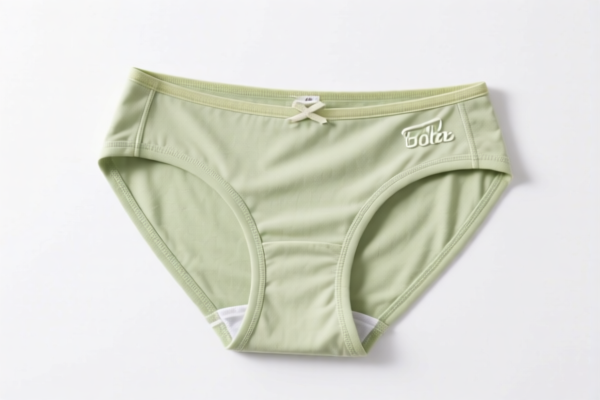
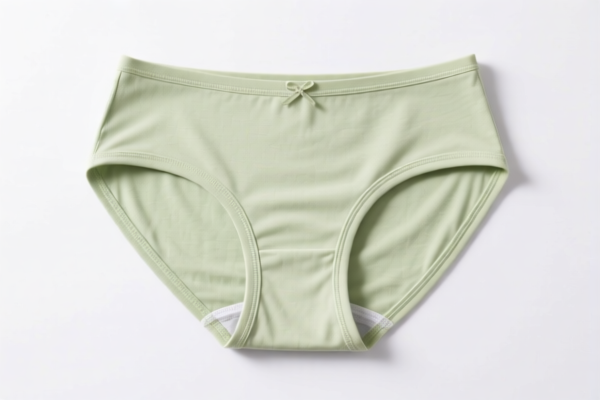
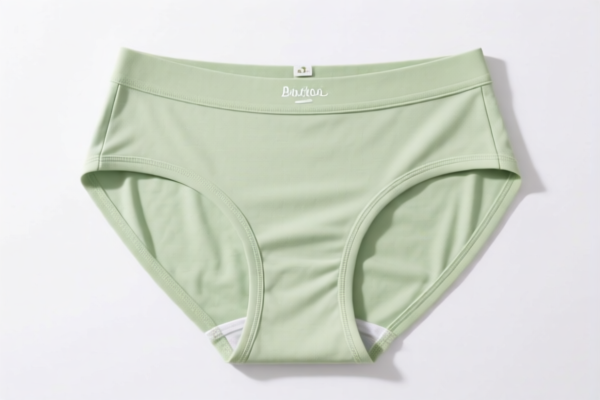
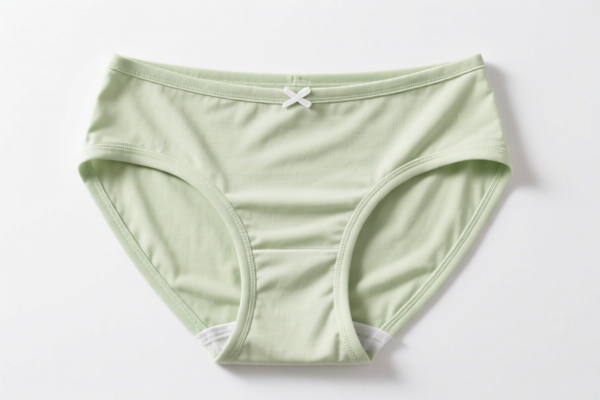
AI Analysis
👖 Men’s Bamboo Fiber Briefs (Boy’s Underwear)
🌐 HS Code Reference & Customs Clearance Guide | 2026 Latest Tariff Analysis | Professional Clearance Strategy
📌 I. Product Definition & Classification: Do You Really Understand "Bamboo Fiber Briefs"?
Men’s bamboo fiber briefs are intimate apparel made from regenerated cellulose fibers derived from bamboo pulp. In international trade, the classification of "bamboo fiber" is critical because it is technically classified as a man-made fiber (regenerated fiber), not a natural plant fiber, despite its name. However, depending on the specific manufacturing process and the final product form (knitted vs. woven), it falls into different HS Code categories with vastly different tax implications.
⚠️ Key Distinction Point:
- If the fabric is knitted (stretchy, typical for underwear) → Falls under Chapter 61
- If the fabric is woven (non-stretch, structured) → Falls under Chapter 62
- Crucial Note: If declared as "plant fiber fabric" (raw material) rather than finished clothing, it may fall under Chapter 53, leading to significantly lower base tariffs but requiring strict proof of material composition.
📦 II. HS Code Classification Details (2026 Latest Tariff Authority Comparison)
| HS Code | Product Description | Application Scenario | Total Tax Rate | Tax Breakdown |
|---|---|---|---|---|
6107.12.00.10 |
Knitted men's/boys' briefs, made of artificial fibers | Standard knitted bamboo underwear | 32.4% | Base: 14.9%, Add. Tariff: 7.5%, Section 301/122: 10% |
6207.19.90.10 |
Woven men's/boys' briefs, of other man-made fibers | Woven bamboo underwear (less common) | 28.0% | Base: 10.5%, Add. Tariff: 7.5%, Section 301/122: 10% |
6207.19.90.30 |
Woven men's/boys' briefs, of other textile materials | Other woven textiles (including some bamboo blends) | 20.5% | Base: 10.5%, Add. Tariff: 0.0%, Section 301/122: 10% |
5311.00.30.90 |
Woven fabrics containing vegetable fibers (Bamboo as plant fiber) | Raw fabric or specific plant-fiber declarations | 10.0% | Base: 0.0%, Add. Tariff: 0.0%, Section 301/122: 10% |
🔍 Critical Reminder:
- Chapter 61 (Knitted) is the most common for underwear. The base tariff is higher (14.9%).
- Chapter 62 (Woven) has a lower base tariff (10.5%).
- Chapter 53 (Fabric) claims bamboo is a "vegetable fiber," resulting in 0% base tariff, but this is highly scrutinized and requires strict botanical proof.
- Section 122 Tariff (10%) applies to ALL entries listed above. This is a mandatory additional duty.
💰 III. 2026 Latest Tariff Rate Breakdown (Including Additional Taxes)
✅ Applicable Country: United States (US)
✅ Origin: China (CN)
✅ Effective Time: 2025/2026 Current Regime
🎯 1. 6107.12.00.10 —— Knitted Men’s Briefs, Artificial Fibers (Most Common)
| Item | Content |
|---|---|
| Base Tariff | 14.9% (ad valorem) |
| Additional Tariff (Section 301/701/722/122) | +7.5% (Standard Add-on) + 10% (Section 122 Specific) |
| Total Tax Rate | 32.4% |
| Tax Calculation | CIF Value × 32.4% |
| De Minimis Eligibility | ❌ Not Eligible (High tariff items often exempt or scrutinized) |
| Legal Basis Path | USITC:6107.12.00.10 → FOOTNOTE:Section122:10% → Section301:7.5% |
📌 Explanation:
- Base 14.9%: Standard MFN rate for knitted men's underwear of synthetic/regenerated fibers.
- 7.5%: Standard Additional Duty under Section 301.
- 10%: Specific "Section 122" tariff applied to certain textile/apparel imports.
- Total 32.4%: This is a high tariff rate. Profit margins must account for this.
🎯 2. 6207.19.90.10 —— Woven Men’s Briefs, Other Man-Made Fibers
| Item | Content |
|---|---|
| Base Tariff | 10.5% |
| Additional Tariff | +7.5% (Standard) + 10% (Section 122) |
| Total Tax Rate | 28.0% |
| Tax Calculation | CIF Value × 28.0% |
| Legal Basis Path | USITC:6207.19.90.10 → FOOTNOTE:Section122:10% → Section301:7.5% |
📌 Note:
- Woven underwear is less common but possible.
- Lower base rate (10.5%) vs. Knitted (14.9%), but still subject to the 10% Section 122 tariff.
🎯 3. 6207.19.90.30 —— Woven Men’s Briefs, Other Textile Materials
| Item | Content |
|---|---|
| Base Tariff | 10.5% |
| Additional Tariff | 0.0% (Standard) + 10% (Section 122) |
| Total Tax Rate | 20.5% |
| Tax Calculation | CIF Value × 20.5% |
| Legal Basis Path | USITC:6207.19.90.30 → FOOTNOTE:Section122:10% |
📌 Advantage:
- No 7.5% Section 301 Add-on for this specific sub-category in some interpretations, or it is capped.
- Best option for Woven underwear if classification allows.
🎯 4. 5311.00.30.90 —— Woven Fabrics of Vegetable Fibers (Bamboo)
| Item | Content |
|---|---|
| Base Tariff | 0.0% |
| Additional Tariff | 0.0% (Standard) + 10% (Section 122) |
| Total Tax Rate | 10.0% |
| Tax Calculation | CIF Value × 10.0% |
| Legal Basis Path | USITC:5311.00.30.90 → FOOTNOTE:Section122:10% |
📌 Strategic Insight:
- This classification treats bamboo as a plant fiber (vegetable fiber) in fabric form.
- Lowest Total Tax (10%).
- RISK: US Customs may reclassify as "Artificial Fiber" (Chapter 61/62) if the bamboo is processed into regenerated cellulose (viscose/rayon). Must provide botanical evidence that it is not chemically regenerated.
🛠️ IV. Customs Clearance Practical Advice (Expert Pitfall Avoidance Guide)
✅ 1. Document Checklist (All Mandatory)
| Document | Required | Explanation |
|---|---|---|
| ✅ Material Composition Report | ✔️ | Must specify % of Bamboo Fiber (Regenerated vs. Natural). Critical for Chapter 61 vs. 53. |
| ✅ Product Photos (Clear) | ✔️ | Show knit/woven structure, labels, and tags. |
| ✅ Commercial Invoice | ✔️ | Clearly state "Men's Briefs" or "Boy's Underwear", not just "Textile". |
| ✅ Packing List | ✔️ | Detail weight, quantity, and packaging. |
| ✅ Origin Certificate | ✔️ | If claiming non-China origin for duty avoidance. |
| ✅ Test Report | ✔️ | Third-party lab report confirming fiber content (Viscose/Rayon vs. Linen-like). |
✅ 2. Declaration Strategy (Key Mnemonics)
🔥 "Knit to 61, Woven to 62, Plant to 53, But Prove It!"
| Scenario | Correct Declaration | Wrong Practice | Consequence |
|---|---|---|---|
| Standard Knitted Bamboo Underwear | 6107.12.00.10 |
Declared as 6207... |
Risk of reclassification & penalty |
| Woven Bamboo Underwear | 6207.19.90.30 |
Declared as 6107... |
Higher tax (32.4% vs 20.5%) |
| "Bamboo Fabric" (Raw Material) | 5311.00.30.90 |
Declared as finished underwear | Severe penalty for misclassification |
| Regenerated Bamboo (Viscose) | 6107.12.00.10 |
Declared as 5311... |
Customs rejects, imposes 32.4% |
✅ 3. Special Handling Cases
| Case | Handling Advice |
|---|---|
| "Bamboo Fiber" is actually Viscose/Rayon | Must declare under Chapter 61/62 (Artificial Fiber). Do NOT use Chapter 53 unless it is mechanically processed linen-like bamboo. |
| Mixed Fabric (e.g., 50% Cotton, 50% Bamboo) | Apply General Rules of Interpretation (GRI 3(b)). Most likely Chapter 61 if knitted. |
| Section 122 Tariff Exemption | Check if specific exclusions apply. Currently, 10% Section 122 is active for most apparel. |
| De Minimis ($800) | High tariff items may still be eligible for de minimis if total value is under $800, but risks audit. |
🌍 V. Global Market Clearance Comparison (2026 Latest)
| Country/Region | Recommended HS Code | Total Tariff (CN Origin) | Certification Requirements | Notes |
|---|---|---|---|---|
| 🇺🇸 USA | 6107.12.00.10 |
32.4% | None | High tariff due to Section 122 & 301 |
| 🇨🇳 China | 6107.12.00.10 |
~9-14% | N/A | Lower base tax |
| 🇪🇺 EU | 6107.12.00.10 |
~12% | CE (if claimed) | No Section 122 equivalent |
| 🇬🇧 UK | 6107.12.00.10 |
~12% | N/A | Post-Brexit rates apply |
| 🇯🇵 Japan | 6107.12.00.10 |
~12-15% | N/A | FTA benefits if applicable |
📌 Conclusion:
- USA is the highest tariff market for bamboo underwear due to Section 122 (10%) and Section 301 (7.5%).
- Europe/Asia do not have equivalent "Section 122" taxes, making them more cost-effective for exports.
📌 VI. Common Mistakes & Pitfall Guide (Lessons Learned)
❌ Mistake 1: Declaring "Bamboo Fiber" as "Plant Fiber" when it is chemically regenerated (Viscose).
👉 Consequence: Customs reclassifies to 6107.12.00.10 → Back taxes + Penalties (32.4% vs 10%).
❌ Mistake 2: Ignoring the Section 122 10% Tariff.
👉 Consequence: Unexpected cost increase. ALL listed HS codes include the 10% Section 122 duty.
❌ Mistake 3: Using generic terms like "Textile" or "Clothing" on Invoice.
👉 Consequence: Customs delays for clarification. Specific Description Required: "Men's Knitted Briefs, 100% Bamboo Rayon".
❌ Mistake 4: Assuming "Bamboo" is natural.
👉 Consequence: Misclassification under Chapter 53 is risky. 90% of "Bamboo" textiles are Regenerated Cellulose (Artificial Fiber).
✅ Correct Practice:
"Men's Knitted Underwear, Brief Style, 95% Bamboo Viscose, 5% Spandex, Model XYZ, Made in China"
🎯 VII. Conclusion: Precision in Classification Saves Money!
🎯 Remember the Mnemonic:
🔹 "Knit is 61 (32.4%), Woven is 62 (20.5-28%), Plant is 53 (10%)"
🔹 "Section 122 is 10%, Always Add it!"
🔹 "Bamboo is usually Artificial, Not Natural!"
📌 Pro Tip:
If your bamboo fiber is mechanically processed (not chemically dissolved), you may successfully classify under 5311.00.30.90 for 10% total tax.
However, for 90% of market goods (viscose/rayon), stick to 6107.12.00.10.
Apply for an Advance Ruling (ACE) if volume is high to secure classification certainty.
📣 Immediate Action:
📞 Consult with a Customs Broker to verify if your bamboo fabric is Regenerated (Artificial) or Mechanical (Plant).
🚀 Accurate classification is the key to cost control in US Customs clearance.
✨ Professional Clearance, Starts with Accurate Classification!
💼 Every Percent of Tax Saved is Pure Profit!
Customer Reviews
About HS Code Classification
The Harmonized System (HS) is an internationally standardized nomenclature developed by the World Customs Organization (WCO) to classify traded products. Over 200 countries use the HS system as the basis for customs tariffs, trade statistics, and import/export regulations.
Each HS code follows a hierarchical structure:
- Chapter (2 digits) — Broad category of goods (e.g., Chapter 84: Machinery and Mechanical Appliances)
- Heading (4 digits) — More specific grouping within the chapter
- Subheading (6 digits) — Internationally standardized breakdown, used by all WCO member countries
- National subdivisions (8-10 digits) — Country-specific extensions for further classification, such as US HTSUS 10-digit codes
Correct HS code classification is essential for smooth customs clearance, accurate duty payment, and compliance with trade regulations. Misclassification can lead to customs delays, overpayment of duties, or penalties.
When importing from CN to US, the applicable tariff rates may include:
- Most-Favored-Nation (MFN) rate — The standard duty rate applied to WTO members
- General rate — Applied to countries without trade agreements
- Trade remedy duties — Additional tariffs such as Section 301 (anti-dumping), Section 232 (national security), or countervailing duties
The information provided on this page is for reference purposes only. For official classification, please consult with your local customs authority or a licensed customs broker.