男童速干连体衣
CN → US| HS Code | Tariff Rate | Origin | Destination | Doc |
|---|---|---|---|---|
| 6211335040 | 33.5% | CN | US | Official Doc |
| 6211339044 | 33.5% | CN | US | Official Doc |
| 6114301010 | 45.7% | CN | US | Official Doc |
| 6109100014 | 34.0% | CN | US | Official Doc |
| 6111206010 | 25.6% | CN | US | Official Doc |
Product Images
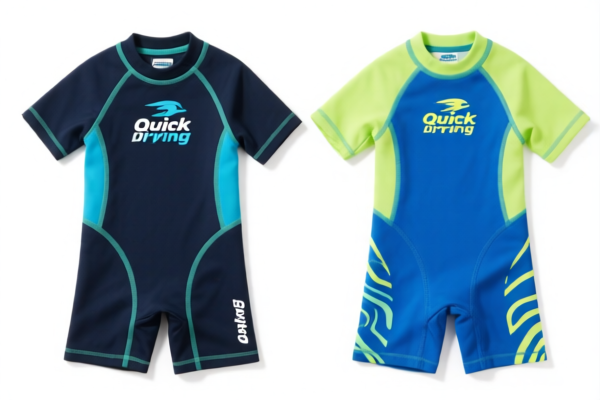
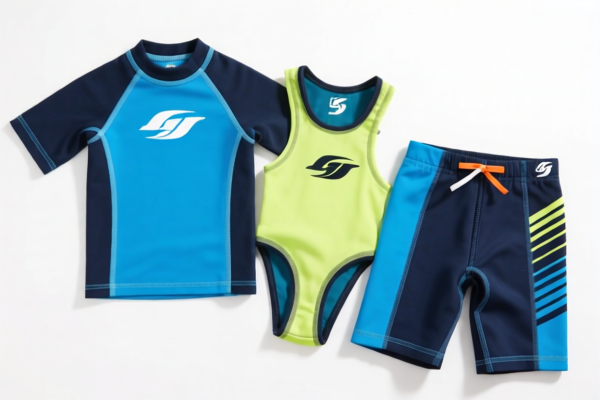
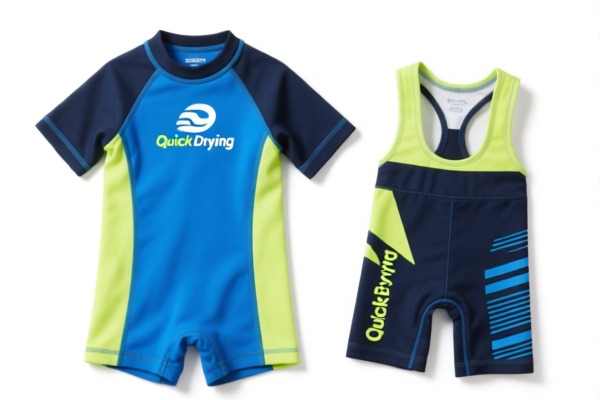
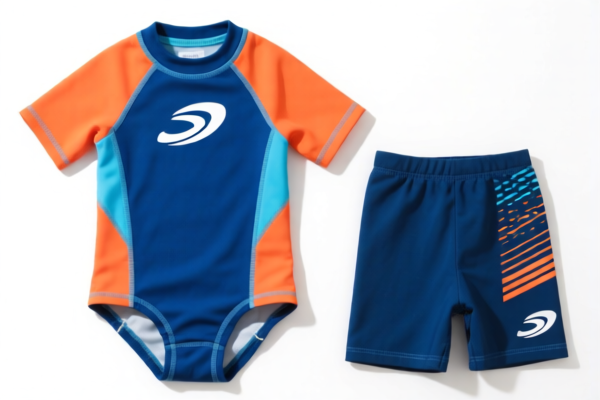
AI Analysis
👶 Boys' Quick-Dry Bodysuits & Performance Wear
🌐 HS Code Reference & Customs Clearance Guide | 2026 Latest Tariff Analysis | Professional Entry Strategies
📌 I. Product Definition & Classification: Are You Sure You Know "Boys' Quick-Dry Clothing"?
Boys' Quick-Dry Bodysuits are specialized children's garments designed for sports, leisure, and sun protection. They are characterized by: - Fabric Composition: Typically contain synthetic or artificial fibers (e.g., polyester, nylon, spandex) for moisture-wicking properties. - Features: "Quick-dry" functionality, often with anti-UV/sun protection coatings. - Structure: Can be tops (shirts) or bodiesuits (one-piece garments, often for infants/toddlers). - Coating: Some versions feature plastic coatings for waterproofing or enhanced durability.
⚠️ Key Classification Distinction:
- Knitted vs. Woven:
- Knitted/Woven Fabric: Class 61 items (e.g., 6114, 6109).
- Made-up Garments (Woven/Coated): Class 62 items (e.g., 6211).
- Garment Type:
- Tops/Shirts: Class 61/62 specific headings.
- Bodiesuits/One-Piece: Often classified under Children’s Wear (6111/6211) if functional; potentially 6109 if simple t-shirt style.
📦 II. HS Code Classification Details (2026 Latest Tariff Authority Mapping)
Based on the provided dataset, here are the valid HS Codes for "Boys' Quick-Dry Bodysuits" and their specific applications:
| HS Code | Product Description | Applicable Scenario | Material/Feature Key |
|---|---|---|---|
6211.33.50.40 |
Men’s/Boys’ Quick-Dry Shirt, Plastic-Coated | Sport/Leisure Outerwear | Synthetic Fiber + Plastic Coating |
6211.33.90.44 |
Men’s/Boys’ Quick-Dry Shirt, Plastic-Coated | General Children’s Wear | Synthetic/Artificial Fiber, Non-Medical |
6114.30.10.10 |
Boys’ Quick-Dry Shirt (Knitted/Woven) | Children’s Top | Artificial Fiber, Top Form |
6109.10.00.14 |
Boys’ Sun-Protection Bodysuit | Knitted/Woven Sun Gear | Synthetic Fiber, Sun-Protection |
6111.20.60.10 |
Boys’ Sun-Protection Bodysuit (One-Piece) | Infant/Toddler Clothing | Cotton/Synthetic, One-Piece Form |
🔍 Critical Note:
- "Bodysuit" vs. "Shirt": In HS classification, a "bodysuit" (one-piece) for babies/toddlers often falls under 6111 (Knitted Children’s Wear), while "shirts" or performance wear for older boys fall under 6114 or 6211.
- "Plastic-Coated": If the garment has a plastic coating, it must be classified under Chapter 62 (Woven), specifically 6211.33.
- "Quick-Dry": This is a functional feature. The classification depends on the material (knitted vs. woven) and form (top vs. one-piece).
💰 III. 2026 Latest Tariff Rate Breakdown (Including Surtaxes & Policy Add-ons)
✅ Applicable Country: United States (US)
✅ Origin: China (CN)
✅ Effective Date: 2025–2026 (Includes Section 301 & 122 Add-ons)
🎯 1. 6211.33.50.40 & 6211.33.90.44
Product: Plastic-Coated Boys’ Quick-Dry Shirt (Woven)
Total Tax Rate: 33.5%
| Item | Details |
|---|---|
| Base Tariff | 16.0% (General Rate for Woven Men’s/Boys’ Outerwear) |
| Section 301 Surtax | +7.5% (Additional duty on certain Chinese goods) |
| Section 122 Surtax | +10% (Specific duty on coated/waterproof garments) |
| Total Effective Rate | 33.5% |
| Calculation Basis | CIF Value × 33.5% |
| De Minimis Exemption | ❌ Not Eligible (High tariff rates exceed de minimis thresholds; strict scrutiny applies) |
| Legal Authority Path | HTSUS:6211.33 → USITC:6211.33.50.40/90.44 → Section 301 (7.5%) → Section 122 (10%) |
📌 Explanation:
- The 16% base is standard for woven synthetic children’s outerwear.
- The 10% Section 122 duty is specifically applied to garments with plastic coatings or specific waterproof features, which are common in "quick-dry" sports wear.
- Total 33.5% is a high-duty tier. Misclassification as non-coated apparel (lower duty) is a common audit target.
🎯 2. 6114.30.10.10
Product: Boys’ Quick-Dry Shirt (Knitted/Woven, Artificial Fiber)
Total Tax Rate: 45.7%
| Item | Details |
|---|---|
| Base Tariff | 28.2% (Higher base for certain synthetic knitted tops) |
| Section 301 Surtax | +7.5% |
| Section 122 Surtax | +10% |
| Total Effective Rate | 45.7% |
| Calculation Basis | CIF Value × 45.7% |
| De Minimis Exemption | ❌ Not Eligible |
| Legal Authority Path | HTSUS:6114.30 → USITC:6114.30.10.10 → Section 301 (7.5%) → Section 122 (10%) |
📌 Explanation:
- This is the highest tax bracket in the dataset.
- The 28.2% base rate suggests this heading is used for specific synthetic knitted garments that may not qualify for lower children’s wear exemptions or are classified as "other synthetic garments."
- Warning: This rate is extremely costly. Ensure your garment truly fits this description (artificial fiber, top form, non-coated but synthetic).
🎯 3. 6109.10.00.14
Product: Boys’ Sun-Protection Bodysuit (Knitted/Woven)
Total Tax Rate: 34.0%
| Item | Details |
|---|---|
| Base Tariff | 16.5% (Standard for T-shirts/Shirts of Synthetic Fibers) |
| Section 301 Surtax | +7.5% |
| Section 122 Surtax | +10% |
| Total Effective Rate | 34.0% |
| Calculation Basis | CIF Value × 34.0% |
| De Minimis Exemption | ❌ Not Eligible |
| Legal Authority Path | HTSUS:6109.10 → USITC:6109.10.00.14 → Section 301 (7.5%) → Section 122 (10%) |
📌 Explanation:
- 6109 typically covers T-shirts and tank tops. If the "bodysuit" is essentially a long-sleeve T-shirt with snap closures, this code may apply.
- 34.0% is moderately high but lower than6114.30.10.10.
- Key Feature: Must have sun-protection features to justify specific subheading notes if applicable.
🎯 4. 6111.20.60.10
Product: Boys’ Sun-Protection Bodysuit (One-Piece, Infant/Toddler)
Total Tax Rate: 25.6%
| Item | Details |
|---|---|
| Base Tariff | 8.1% (Low base rate for Knitted Children’s Bodysuits) |
| Section 301 Surtax | +7.5% |
| Section 122 Surtax | +10% |
| Total Effective Rate | 25.6% |
| Calculation Basis | CIF Value × 25.6% |
| De Minimis Exemption | ❌ Not Eligible |
| Legal Authority Path | HTSUS:6111.20 → USITC:6111.20.60.10 → Section 301 (7.5%) → Section 122 (10%) |
📌 Explanation:
- This is the LOWEST tariff option.
- 6111 is the heading for Knitted or Crocheted Babies’ Garments.
- If the product is a one-piece bodysuit (romper/zentai) for infants/toddlers, this is the most favorable classification.
- Requirement: Must be clearly marketed and designed as children’s/infant clothing (size, cut, labeling).
🛠️ IV. Customs Clearance Practical Advice (Real-World Pitfall Guide)
✅ 1. Preparation Checklist (Mandatory)
| Document | Required? | Notes |
|---|---|---|
| ✅ Product Specification Sheet | ✔️ | Must detail: Fiber content %, knit/weave structure, coating type, sun-protection rating (UPF). |
| ✅ Technical Drawings/Sketches | ✔️ | To distinguish between "Shirt" (6109/6114/6211) and "Bodysuit" (6111). |
| ✅ Product Photos (Front/Back/Labels) | ✔️ | Show snap closures, cuffs, and any plastic coating texture. |
| ✅ Lab Test Report | ✔️ | Fiber analysis (to prove artificial/synthetic content); UPF test (for sun-protection claims). |
| ✅ Commercial Invoice | ✔️ | Clearly state: "Boys’ Quick-Dry [Shirt/Bodysuit]", HS Code, Origin. |
| ✅ Packing List | ✔️ | Ensure no mixed shipments of different HS Codes unless explicitly declared. |
✅ 2. Declaration Strategy (Key Mnemonic)
🔥 “One-Piece is Infant (25.6%), T-Shirt is 34%, Coated is 33.5%, Synthetic Top is 45.7%!”
| Scenario | Correct HS Code | Wrong Approach |
|---|---|---|
| Infant One-Piece Bodysuit | 6111.20.60.10 (25.6%) |
Mislabel as "Shirt" → 34–45% |
| Quick-Dry Shirt (Synthetic) | 6211.33.50.40 (33.5%) or 6109.10.00.14 (34.0%) |
Mislabel as "Cotton" → Higher base rate |
| Plastic-Coated Garment | 6211.33.50.40 (33.5%) |
Omit coating info → 10% Section 122 penalty risk |
| High-Performance Synthetic Top | 6114.30.10.10 (45.7%) |
Use infant code → Customs rejection |
📌 Critical Tip:
- Section 122 (10%) is triggered by plastic coatings or specific functional claims. If your garment has a visible plastic film or coating, you must declare it. Hiding it leads to severe penalties.
- Infant vs. Children’s: If the size range includes toddlers (up to 24M/2T), use 6111. If it’s for older boys (4T+), use 6211 or 6114.
✅ 3. Special Case Handling
| Scenario | Recommendation |
|---|---|
| Mixed Fiber Content | If <50% synthetic, base rate changes. Ensure label matches test report. |
| "Quick-Dry" Claim | Provide technical spec sheet. If unproven, Customs may reclassify as standard cotton/poly blend, altering tax. |
| OEM Customization | Provide design sheets. If the cut is distinctly "infant" (short legs, snap crotch), insist on 6111. |
| Sun-Protection Labeling | If claiming UPF 50+, include test report. Failure to prove may lead to generic classification. |
🌍 V. Global Market Comparison (2026 Latest)
| Country/Region | Recommended HS Code | Tariff (China Origin) | Certification | Notes |
|---|---|---|---|---|
| 🇺🇸 USA | 6111.20.60.10 (Bodysuit) |
25.6% | CPSIA, ASTM F963 | Highest complexity due to Section 301/122. |
| 🇪🇺 EU | 6111.20 (Bodysuit) |
~0–12% (Varies) | CE, EN 71 | No Section 122. Lower overall duty. |
| 🇨🇳 China | 6111.20 |
5–8% | CCC (if applicable) | No surtaxes. |
| 🇬🇧 UK | 6111.20 |
~0–12% | UKCA | Post-Brexit rules apply. |
📌 Conclusion:
- USA is the most expensive market due to 301 (7.5%) + 122 (10%) add-ons.
- Minimize costs by correctly classifying infant bodysuits under 6111 (25.6%) rather than adult/older children’s wear codes (33.5%–45.7%).
- Plastic coating is a major cost driver. Avoid it if possible, or ensure it’s declared to avoid penalties.
📌 VI. Common Mistakes & Pitfalls (Blood & Tears Lessons)
❌ Mistake 1: Classifying an Infant Bodysuit as a "Shirt" (6109 or 6211)
👉 Result: You pay 33.5%–34% instead of 25.6%.
💡 Fix: Emphasize "Bodysuit," "One-Piece," and "Infant/Toddler" in description.
❌ Mistake 2: Omitting "Plastic-Coated" in the description for 6211 items
👉 Result: Customs detects coating during inspection → Adds 10% Section 122 + fines.
💡 Fix: Always declare coating status if present.
❌ Mistake 3: Using "Quick-Dry" as a standalone HS Code basis
👉 Result: Customs ignores marketing terms, classifies by material/cut → Risk of wrong code.
💡 Fix: Describe material (e.g., "100% Polyester Knit") and cut ("One-Piece").
❌ Mistake 4: Mixing Adult and Child sizes in one shipment without clear labeling
👉 Result: Customs may apply the highest tariff rate to the entire batch.
💡 Fix: Separate shipments or clearly label size ranges (e.g., "0-24M").
🎯 VII. Conclusion: Professional Declaration, Save Money, Stay Compliant!
🎯 Remember the Mnemonic:
🔹 "Bodysuit = 25.6%, Shirt = 33.5-34%, Coated = +10%, Synthetic Top = 45.7%!"
🔹 "Infant Cut Wins, Plastic Costs More, Synthetics Bite, Declare It All!"
📌 Pro Tip:
- If your product is not plastic-coated and is a simple T-shirt style, try to qualify for 6109.10.00.14 (34%) or 6111.20.60.10 (25.6%).
- Avoid 6114.30.10.10 (45.7%) unless absolutely necessary (e.g., specific synthetic knit structure).
- Apply for a Pre-Ruling (ISF/ACE) if unsure about coating or material classification.
📣 Immediate Action:
📞 Consult a licensed Customs Broker + Provide Fiber Test Report + Apply for HS Code Pre-Ruling
🚀 Ensure your Boys’ Quick-Dry Bodysuits clear customs smoothly, avoid delays, and maximize profit margins!
✨ Professional Customs Clearance Starts with Accurate Classification!
💼 Every Percentage Point Saved is Pure Profit!
Customer Reviews
About HS Code Classification
The Harmonized System (HS) is an internationally standardized nomenclature developed by the World Customs Organization (WCO) to classify traded products. Over 200 countries use the HS system as the basis for customs tariffs, trade statistics, and import/export regulations.
Each HS code follows a hierarchical structure:
- Chapter (2 digits) — Broad category of goods (e.g., Chapter 84: Machinery and Mechanical Appliances)
- Heading (4 digits) — More specific grouping within the chapter
- Subheading (6 digits) — Internationally standardized breakdown, used by all WCO member countries
- National subdivisions (8-10 digits) — Country-specific extensions for further classification, such as US HTSUS 10-digit codes
Correct HS code classification is essential for smooth customs clearance, accurate duty payment, and compliance with trade regulations. Misclassification can lead to customs delays, overpayment of duties, or penalties.
When importing from CN to US, the applicable tariff rates may include:
- Most-Favored-Nation (MFN) rate — The standard duty rate applied to WTO members
- General rate — Applied to countries without trade agreements
- Trade remedy duties — Additional tariffs such as Section 301 (anti-dumping), Section 232 (national security), or countervailing duties
The information provided on this page is for reference purposes only. For official classification, please consult with your local customs authority or a licensed customs broker.