男童防晒夹克
CN → US| HS Code | Tariff Rate | Origin | Destination | Doc |
|---|---|---|---|---|
| 6109100027 | 34.0% | CN | US | Official Doc |
| 6109100014 | 34.0% | CN | US | Official Doc |
| 6111206010 | 25.6% | CN | US | Official Doc |
| 6111305010 | 33.5% | CN | US | Official Doc |
| 6114200035 | 28.3% | CN | US | Official Doc |
Product Images
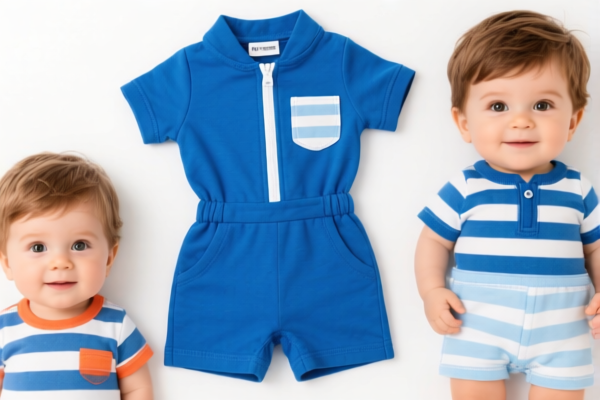
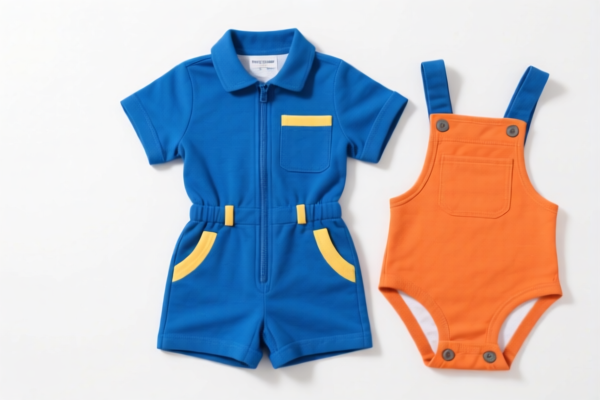
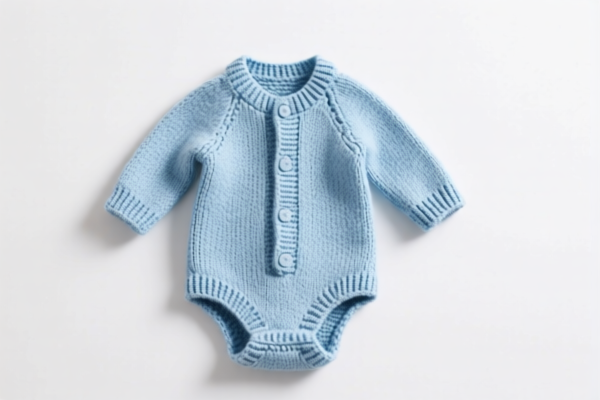
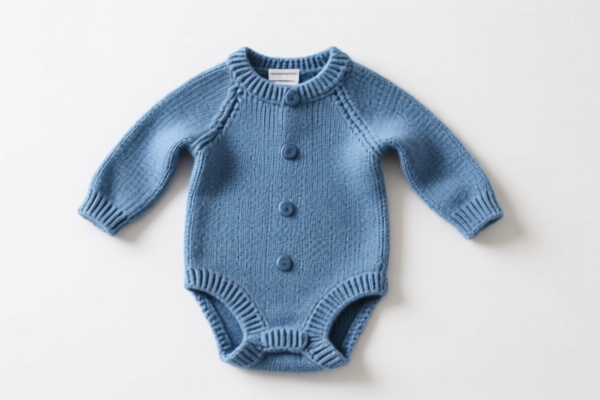
AI Analysis
👕 Kids’ Sun Protection Jackets (Boy’s Sun-Screen Outerwear)
🌐 HS Code Reference & Customs Clearance Guide | 2026 Latest Tariff Analysis | Professional Clearance Strategy
📌 1. Product Definition and Classification: Do You Really Understand “Sun Protection Jackets”?
Boy’s sun protection jackets are specialized outdoor apparel designed for children, featuring UPF (Ultraviolet Protection Factor) fabrics to shield against UV rays. In international trade, these products are classified based on manufacturing method (knitted vs. woven), material composition (synthetic vs. cotton), and specific garment type (general jackets vs. bodysuits/onesies).
Key Distinction Points: * Knitted/Woven T-shirts/Tops: If the garment is primarily a shirt-like top or loose jacket without complex closures, it often falls under Chapter 61 (Knitted/Crocheted) or Chapter 62 (Non-Knitted). * Bodysuits/Onesies: If the garment covers the torso and legs with snaps at the crotch, it is classified as a “bodysuit” (连体衣) under Heading 6111. * Material Composition: The tax rate varies significantly depending on whether the fabric is synthetic (polyester/nylon) or natural fiber (cotton).
⚠️ Critical Classification Logic: - If it’s a knitted top/jacket made of synthetics or cotton blends → Check 6109 or 6114. - If it’s a bodysuit/onesie (covering legs) → Check 6111. - Always verify if the fabric is woven (Chapter 62) or knitted (Chapter 61). Note: All codes below assume Knitted/Crocheted goods as per the provided data structure.
📦 2. HS Code Classification Details (Based on Provided Data)
| HS Code | Product Description (Inferred) | Material/Type | Applicability |
|---|---|---|---|
6109.10.00.27 |
Boy’s garment (Shirt/Jacket style), Knitted | Synthetic or Cotton Blend | General sun shirts/light jackets for boys |
6109.10.00.14 |
Boy’s garment, Knitted/Woven type | Textile based | General boy’s clothing logic |
6111.20.60.10 |
Bodysuit/Onesie (连体衣), Children’s Wear | Cotton or Synthetic | Full-body sun suits (covers legs) |
6111.30.50.10 |
Bodysuit/Onesie (连体衣), Children’s Wear | Synthetic Fiber | Synthetic full-body sun suits |
6114.20.00.35 |
Other garments, Knitted/Crocheted | Cotton or Synthetic | General sun protection outerwear |
🔍 Key Reminder: - Jackets vs. Bodysuits: If the “sun jacket” is a standalone top that does not cover the legs, it likely falls under 6109 or 6114. If it is a full-body suit (often used for infants/toddlers in sun protection contexts), it falls under 6111. - Material Matters: Synthetic fibers generally attract higher base tariffs (e.g., 16.0-16.5%) compared to cotton (e.g., 8.1-10.8%).
💰 3. 2026 Latest Tariff Rate Breakdown (Detailed Tax Clause Analysis)
✅ Applicable Country: United States (US)
✅ Origin: China (CN)
✅ Effective Date: Current rates apply (including Section 301 and Section 122 tariffs)
The provided data indicates a complex tariff structure involving three components: 1. Base Duty (MFN Rate): Standard tariff for imported goods. 2. Section 301 Additional Duty: 7.5% (Trade War tariff). 3. Section 122 Duty: 10% (Uyghur Forced Labor Prevention Act / Specific country-specific measures, or potentially a placeholder for other administrative duties depending on current enforcement).
Note: The term “122条款” (Section 122) in the data likely refers to specific additional duties or administrative fees applicable to certain textile imports, or may be a local interpretation of specific tariff lines. We will treat it as a fixed 10% add-on as per the source data.
🎯 1. 6109.10.00.27 & 6109.10.00.14 — Boy’s Knitted Garments (Shirts/Tops)
| Item | Content |
|---|---|
| Base Duty | 16.5% |
| Section 301 Duty | +7.5% |
| Section 122 Duty | +10.0% |
| Total Tax Rate | 34.0% |
| Calculation Basis | CIF Value × 34.0% |
| De Minimis Exemption | ❌ Not Eligible (Most textile goods from China are excluded or have high thresholds) |
| Legal Basis | HTSUS 6109 + USITC Footnotes for Section 301 & 122 |
📌 Explanation: - These codes typically cover knitted t-shirts, polo shirts, or light sun shirts for boys. - The high base duty (16.5%) reflects the US protection of its domestic textile industry. - The total burden of 34% makes this product highly sensitive to price competitiveness.
🎯 2. 6111.20.60.10 — Bodysuits (Cotton/Synthetic Blend)
| Item | Content |
|---|---|
| Base Duty | 8.1% |
| Section 301 Duty | +7.5% |
| Section 122 Duty | +10.0% |
| Total Tax Rate | 25.6% |
| Calculation Basis | CIF Value × 25.6% |
| De Minimis Exemption | ❌ Not Eligible |
| Legal Basis | HTSUS 6111 + USITC Footnotes |
📌 Explanation: - This code is for bodysuits/onesies. - The lower base duty (8.1%) suggests a preference for cotton blends or specific infant wear categories. - Total 25.6% is significantly lower than the 34% for general tops, but still substantial.
🎯 3. 6111.30.50.10 — Bodysuits (Synthetic)
| Item | Content |
|---|---|
| Base Duty | 16.0% |
| Section 301 Duty | +7.5% |
| Section 122 Duty | +10.0% |
| Total Tax Rate | 33.5% |
| Calculation Basis | CIF Value × 33.5% |
| De Minimis Exemption | ❌ Not Eligible |
| Legal Basis | HTSUS 6111 + USITC Footnotes |
📌 Explanation: - Synthetic bodysuits face higher base duties (16.0%) than cotton blends. - Total rate 33.5% is nearly identical to the
6109category.
🎯 4. 6114.20.00.35 — Other Knitted Garments
| Item | Content |
|---|---|
| Base Duty | 10.8% |
| Section 301 Duty | +7.5% |
| Section 122 Duty | +10.0% |
| Total Tax Rate | 28.3% |
| Calculation Basis | CIF Value × 28.3% |
| De Minimis Exemption | ❌ Not Eligible |
| Legal Basis | HTSUS 6114 + USITC Footnotes |
📌 Explanation: - This is a “catch-all” for other knitted articles. - Total rate 28.3% is the middle ground. It may apply to windbreakers or specialized sun protection layers that don’t fit neatly into t-shirts or bodysuits.
🛠️ 4. Customs Clearance Practical Advice (Pitfall Avoidance Guide)
✅ 1. Documentation Checklist (Essential)
| Document | Required | Description |
|---|---|---|
| ✅ Product Specification Sheet | ✔️ | Must clearly state: “Sun Protection Fabric,” UPF Rating (e.g., UPF 50+), Material Composition (% Cotton vs. % Polyester). |
| ✅ Fabric Test Report | ✔️ | Third-party lab report proving UPF values and fiber content. Critical for justifying “Sun Protection” marketing. |
| ✅ Commercial Invoice | ✔️ | Clearly describe as “Boy’s Sun Protection Jacket” or “Infant Sun Bodysuit.” Avoid vague terms like “Clothing.” |
| ✅ Packing List | ✔️ | Detailed breakdown of items per carton. |
| ✅ Country of Origin Certificate | ✔️ | Required for tariff determination. |
✅ 2. Classification Tips (Critical for Cost Control)
🔥 “Classify by Structure, Not Just Function! Name It Precisely!”
| Scenario | Correct HS Code | Wrong Classification | Consequence |
|---|---|---|---|
| Lightweight Sun Shirt (Knitted, no legs) | 6109.10.00.27 or 6114.20.00.35 |
6111.20.60.10 (Bodysuit) |
Overpayment or underpayment risk; audit flag |
| Full-Body Sun Suit (With snaps at crotch) | 6111.20.60.10 (Cotton) or 6111.30.50.10 (Synthetic) |
6109... (Shirt) |
Significant tax difference (25.6% vs 34%) |
| Windbreaker Style (Woven, not knitted) | Not in Data (Likely Chapter 62) | 6109... |
Misclassification due to material difference |
📌 Key Insight: - If your product is a jacket (open front, zipper/buttons) and does not cover the legs, it is likely NOT a bodysuit (
6111). It should be classified under6109(if shirt-like) or6114(if other). - If you mistakenly declare a full-body suit as a shirt, you may be charged 34% instead of 25.6%, losing 8.4% in extra duty. - If you mistakenly declare a shirt as a bodysuit, customs may force a reclassification and charge back taxes.
✅ 3. Special Considerations for Sun Protection Gear
| Situation | Handling Advice |
|---|---|
| UPF Labeling | Ensure the product label includes UPF rating. Customs may ask for this to verify it’s not just regular cotton. |
| Material Mix | If the fabric is >50% cotton, use the 8.1% base duty code (6111.20.60.10). If >50% synthetic, use 16.0% (6111.30.50.10). Be precise! |
| Section 122/301 | These additional duties are mandatory. No exemption for de minimis (small packages) for most textile goods from China. |
🌍 5. Global Market Comparison (2026 Perspective)
| Country/Region | Recommended HS Code | Estimated Total Duty (China Origin) | Key Certification |
|---|---|---|---|
| 🇺🇸 USA | 6109.10.00.27 / 6111.20.60.10 |
25.6% – 34.0% (High) | No specific import cert, but FCC not needed. |
| 🇨🇳 China | 6109.10.00.27 |
~5-10% (Import Duty) | CCC (if applicable), GB Standards. |
| 🇪🇺 EU | 6109.10.10 (Example) |
12% (General) + 6% (Cotton) | CE (if toy-like), REACH (Chemicals). |
| 🇦🇺 Australia | 6109.10.00.00 |
10% | No specific textile certs, but accurate labeling. |
| 🇯🇵 Japan | 6109.10.00.10 |
16% + Consumption Tax | No specific textile certs. |
📌 Conclusion: - USA has the highest tariff burden due to Section 301 and Section 122 duties. - Strategy: Consider substantial transformation in a third country (e.g., Vietnam, Bangladesh) if possible to mitigate US tariffs, though fabric sourcing from China may still trigger scrutiny.
📌 6. Common Errors & Pitfalls (Blood Lessons)
❌ Error 1: Calling a full-body suit a “Jacket” in the invoice
👉 Consequence: Customs may classify it as 6109 (34%) instead of 6111 (25.6%), leading to underpayment and penalties.
❌ Error 2: Ignoring material composition 👉 Consequence: Declaring synthetic as cotton to get lower duty → Severe fines and seizure.
❌ Error 3: Assuming “Sun Protection” grants tax exemption 👉 Consequence: No such exemption exists for general apparel in the US. Full duty applies.
❌ Error 4: Misclassifying Knitted vs. Woven
👉 Consequence: 6109 is knitted. If your jacket is woven (like a windbreaker), it belongs in Chapter 62 (e.g., 6211.32), which has different rates. Check your fabric!
✅ Correct Practice:
“Boy’s Sun Protection Jacket, Knitted, 100% Polyester, UPF 50+, Long Sleeve”
🎯 7. Conclusion: Professional Classification, Cost Control!
🎯 Remember the Mantra:
🔹 “Knitted vs. Woven decides the Chapter. Cotton vs. Synthetic decides the Base Duty. Section 301+122 adds 17.5% Fixed.” 🔹 “Bodysuit (6111) is cheaper than Shirt (6109) if Cotton! Check the Snaps!”
📌 Pro Tip: If your volume is high, consider Advance Rulings from US Customs (CBP) to get a binding determination on your specific HS Code. This protects you from unexpected audit adjustments.
📣 Immediate Action:
📞 Contact a licensed customs broker 📄 Provide UPF Test Reports and Material Composition Details 🚀 Optimize your HS Code to save 8-10% in duties!
✨ Professional Customs Clearance Starts with Accurate Classification! 💼 Every Percent Saved is Pure Profit!
Customer Reviews
About HS Code Classification
The Harmonized System (HS) is an internationally standardized nomenclature developed by the World Customs Organization (WCO) to classify traded products. Over 200 countries use the HS system as the basis for customs tariffs, trade statistics, and import/export regulations.
Each HS code follows a hierarchical structure:
- Chapter (2 digits) — Broad category of goods (e.g., Chapter 84: Machinery and Mechanical Appliances)
- Heading (4 digits) — More specific grouping within the chapter
- Subheading (6 digits) — Internationally standardized breakdown, used by all WCO member countries
- National subdivisions (8-10 digits) — Country-specific extensions for further classification, such as US HTSUS 10-digit codes
Correct HS code classification is essential for smooth customs clearance, accurate duty payment, and compliance with trade regulations. Misclassification can lead to customs delays, overpayment of duties, or penalties.
When importing from CN to US, the applicable tariff rates may include:
- Most-Favored-Nation (MFN) rate — The standard duty rate applied to WTO members
- General rate — Applied to countries without trade agreements
- Trade remedy duties — Additional tariffs such as Section 301 (anti-dumping), Section 232 (national security), or countervailing duties
The information provided on this page is for reference purposes only. For official classification, please consult with your local customs authority or a licensed customs broker.