白色包布扣
CN → US| HS Code | Tariff Rate | Origin | Destination | Doc |
|---|---|---|---|---|
| 6117909025 | 32.1% | CN | US | Official Doc |
| 6117909035 | 32.1% | CN | US | Official Doc |
| 9606296000 | 37.9% | CN | US | Official Doc |
| 9606292000 | 0.0% | CN | US | Official Doc |
| 8308100000 | 0.0% | CN | US | Official Doc |
Product Images

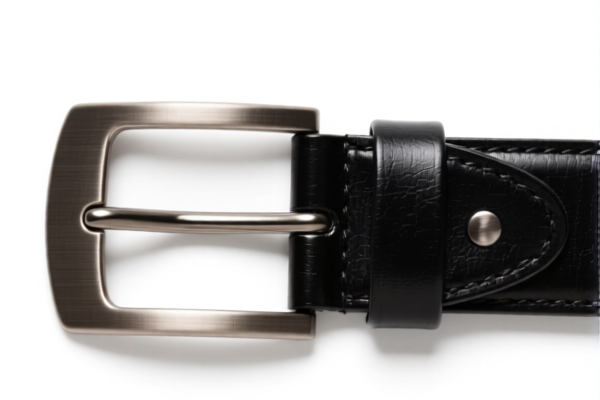

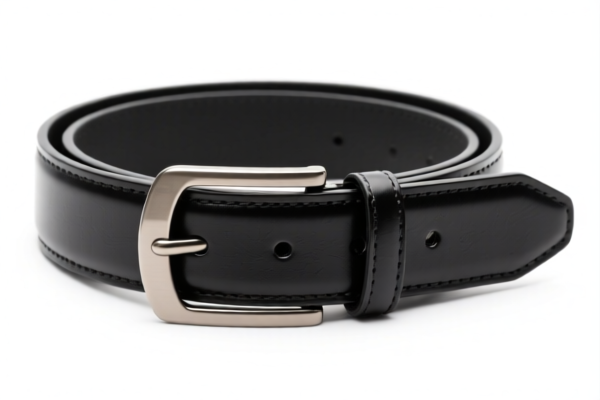
AI Analysis
🧵 White Fabric-Covered Buttons (白色包布扣)
🌐 HS Code Classification & US Customs Guide | 2026 Tariff Deep Dive | Strategic Clearance Strategy
📌 I. Product Definition: What is a "White Fabric-Covered Button"?
A White Fabric-Covered Button is a versatile garment accessory where a base material (plastic, metal, or resin) is completely enveloped in woven or knitted white textile fabric. Unlike standard plastic buttons, the "fabric" is the primary visual and tactile component, making the classification highly dependent on the underlying base material and the method of construction.
In US Customs terminology, these can fall under Knitted/Garment Accessories (Chapter 61), General Buttons (Chapter 96), or Metal Hardware (Chapter 83), leading to significantly different tax liabilities.
⚠️ Critical Differentiation Logic:
- Knitted Base + Textile Cover → Often 6117.90.90 (Garment Accessories)
- Resin/Plastic Base + Fabric Cover → Often 9606.29 (Buttons)
- Base Metal (Non-precious) + Fabric Cover → Often 8308.10 (Metal Fittings)
- Non-Knit Fabric Base → Often 6117.90.90.35 (Other Textile Accessories)
📦 II. HS Code Classification Matrix (2026 US Tariff Regime)
Based on the specific data provided for White Fabric-Covered Buttons, here are the four distinct classification paths with their corresponding tax structures:
| HS Code | Product Description & Material Composition | Tax Structure (Total) | Tax Components |
|---|---|---|---|
6117.90.90.25 |
Knitted/Garment Accessory: Button defined as a "Knitted or Crocheted Garment Accessory" (Covered Button). | 32.1% | Base: 14.6% + Section 301: 7.5% + 122条款: 10% |
6117.90.90.35 |
Other Textile Accessory: Non-cotton, Non-wool, Non-man-made fiber knit/crochet button (Specialized material). | 32.1% | Base: 14.6% + Section 301: 7.5% + 122条款: 10% |
9606.29.60.00 |
General Button: Button type, material covered with fabric (No specific base metal/resin emphasis in summary). | 37.9% | Base: 2.9% + Section 301: 25.0% + 122条款: 10% |
9606.29.20.00 |
Button (Resin Base): Base material is Resin/Plastic, surface covered with textile material. | 0.3¢/line/gross + 39.5% | Base: 0.3¢ + 4.5% + Section 301: 25.0% + 122条款: 10% |
8308.10.00.00 |
Metal Fitting: Base material is Non-ferrous/Noble Metal Core, wrapped in fabric (Garment Hook/Eye/Button). | 1.1¢/kg + 37.9% | Base: 1.1¢ + 2.9% + Section 301: 25.0% + 122条款: 10% |
🔍 Classification Logic:
- Path A (Chapter 61): If the button is made of knitted fabric or acts primarily as a textile accessory. (32.1%)
- Path B (Chapter 96 - Buttons): If the button is a rigid object with a fabric cover. (37.9% or 39.5%+)
- Path C (Chapter 83 - Metal): If the core is a metal snap or hook covered by fabric. (37.9% + weight fee)
💰 III. 2026 US Tariff Breakdown & Policy Analysis
✅ Applicable Country: USA (Import)
✅ Origin: China (CN)
✅ Effective: 2026 (Current Section 301 & Section 122 Regime)
🎯 Scenario 1: Chapter 61 Classification (Garment Accessories)
Codes: 6117.90.90.25, 6117.90.90.35
| Item | Detail |
|---|---|
| Base Duty | 14.6% (Standard MFN rate for textile accessories) |
| Section 301 (Trade War) | +7.5% (Additional tariff for Chinese textiles) |
| Section 122 Tariff | +10% (Specific 122 clause tariff) |
| Total Effective Rate | 32.1% |
| Calculation | CIF Value × 32.1% |
📌 Interpretation:
This is the "Textile Friendly" route. The tax is lower because the item is classified as a clothing component (Chapter 61). The "Section 122" tariff is an additional layer often applied to specific textile categories in recent years.
🎯 Scenario 2: Chapter 96 Classification (Buttons - High Tax)
Codes: 9606.29.60.00, 9606.29.20.00
| Item | Detail |
|---|---|
| Base Duty | 2.9% (Very low for buttons) OR 4.5% + Unit Fee (Resin base) |
| Section 301 (Trade War) | +25.0% (Harsh punitive tariff for Chapter 96 items) |
| Section 122 Tariff | +10% (Additional layer) |
| Total Effective Rate | 37.9% (Flat) OR 39.5% + Unit Fee |
| Calculation | CIF × 37.9% OR (Unit Fee + CIF × 39.5%) |
📌 Interpretation:
WARNING: This route triggers the 25% Section 301 penalty. Even though the base duty is tiny (2.9% or 4.5%), the 25% surcharge makes this more expensive than the Chapter 61 route by 5.8%. - Note:9606.29.20.00(Resin base) adds a Unit Duty ($0.3¢ per line/gross), which can be significant for high-volume, low-value shipments.
🎯 Scenario 3: Chapter 83 Classification (Metal Fittings)
Code: 8308.10.00.00
| Item | Detail |
|---|---|
| Base Duty | 1.1¢/kg (Specific weight duty) + 2.9% (Ad Valorem) |
| Section 301 (Trade War) | +25.0% |
| Section 122 Tariff | +10% |
| Total Effective Rate | ~37.9% + Weight Fee |
| Calculation | Weight × 1.1¢ + (CIF × 37.9%) |
📌 Interpretation:
Applies only if the core is metal (e.g., a metal snap covered in fabric). The tax structure is identical to the Chapter 96 high-tax route (37.9% total), but includes a per-kilogram surcharge for heavy metal cores.
🛠️ IV. Strategic Clearance Recommendations (Avoiding Pitfalls)
✅ 1. Material Verification Checklist
To choose the lowest tax route (32.1% vs 37.9%), you MUST verify the core material:
| Checkpoint | Question | Target Code for Lowest Tax |
|:---|:---|:---|
| Core Material | Is the base Knitted Fabric or Textile only? | 6117.90.90.25 (32.1%) |
| Core Material | Is the base Resin/Plastic? | 9606.29.20.00 (39.5% + Unit Fee) ❌ |
| Core Material | Is the base Metal? | 8308.10.00.00 (37.9% + Weight) ❌ |
| Fabric Type | Is it Cotton/Wool? Or "Other"? | If "Other" (Non-cotton/wool) → 6117.90.90.35 (32.1%) |
🚀 Strategy: Aim for Chapter 61 (
6117.90...).
By arguing the button is a "Garment Accessory" made of textile (even if it has a small core), you can save 5.8% to 7.5% in taxes compared to the Chapter 96/83 routes.
✅ 2. Declaration Best Practices
| Action | Correct Approach | Risk of Error |
|---|---|---|
| Product Name | "Knitted Fabric Covered Button, White" | Using generic "Button" may trigger 9606 (High Tax). |
| Material Spec | Explicitly state: "Core: Plastic/Resin" ONLY if necessary. If core is negligible, emphasize "Textile Construction". | Misdeclaring "Metal Core" when it's plastic → 8308 (High Tax). |
| Unit of Measure | For 9606.29.20.00, declare Gross/Line count accurately to avoid under-declaration penalties. |
Under-declaring gross count → Seizure/Fine. |
| Origin | China (CN) | If shipped from Vietnam/Mexico, check for 122/301 exemptions. |
✅ 3. Special Case Handling
- The "Resin Trap": Many white buttons have a hidden resin base. If the customs officer sees a hard plastic shell, they will force
9606.29.20.00.- Solution: Provide a Cross-Section Photo or Material Test Report proving the button is primarily a textile assembly or that the base is minimal.
- The "Unit Fee" Trap: If shipping 1 million buttons,
0.3¢/line/grosscan add up.- Solution: Consolidate shipments to optimize the gross weight vs. count ratio, or ensure the
6117classification is solid to avoid the unit fee entirely.
- Solution: Consolidate shipments to optimize the gross weight vs. count ratio, or ensure the
📌 V. Summary & Action Plan
🏆 The Winner: Chapter 61 (6117.90.90.25 / 6117.90.90.35)
- Why? Lowest Total Duty (32.1%).
- Requirement: Prove the item is a "Knitted/Garment Accessory".
- Avoid:
9606and8308unless the base material is undeniable.
⚠️ The Loser: Chapter 96/83
- Why? Heavy 25% Section 301 + 10% Section 122 = 37.9% - 39.5%.
- Risk: Unnecessary tax increase if the textile nature is ignored.
📢 Final Advice:
When preparing your Commercial Invoice and Packing List for US Customs: 1. HS Code:6117.90.90.25(Primary) or6117.90.90.35(If non-cotton/non-wool specific). 2. Description: "White Fabric Covered Buttons, Knitted Garment Accessories". 3. Material: "Textile (100% Cotton/Other) with minimal internal core". 4. Value: Ensure CIF value includes all costs to prevent under-valuation audits.
✨ Clearance Success Formula:
Correct HS Code (6117) + Accurate Material Declaration + No Unit Fees = Max Savings (32.1%)
💼 Don't let a 5.8% tax difference eat your profit margin!
Customer Reviews
About HS Code Classification
The Harmonized System (HS) is an internationally standardized nomenclature developed by the World Customs Organization (WCO) to classify traded products. Over 200 countries use the HS system as the basis for customs tariffs, trade statistics, and import/export regulations.
Each HS code follows a hierarchical structure:
- Chapter (2 digits) — Broad category of goods (e.g., Chapter 84: Machinery and Mechanical Appliances)
- Heading (4 digits) — More specific grouping within the chapter
- Subheading (6 digits) — Internationally standardized breakdown, used by all WCO member countries
- National subdivisions (8-10 digits) — Country-specific extensions for further classification, such as US HTSUS 10-digit codes
Correct HS code classification is essential for smooth customs clearance, accurate duty payment, and compliance with trade regulations. Misclassification can lead to customs delays, overpayment of duties, or penalties.
When importing from CN to US, the applicable tariff rates may include:
- Most-Favored-Nation (MFN) rate — The standard duty rate applied to WTO members
- General rate — Applied to countries without trade agreements
- Trade remedy duties — Additional tariffs such as Section 301 (anti-dumping), Section 232 (national security), or countervailing duties
The information provided on this page is for reference purposes only. For official classification, please consult with your local customs authority or a licensed customs broker.