皮筋发圈
CN → US| HS Code | Tariff Rate | Origin | Destination | Doc |
|---|---|---|---|---|
| 4016996050 | 37.5% | CN | US | Official Doc |
| 3926909989 | 22.8% | CN | US | Official Doc |
| 4016993510 | 35.0% | CN | US | Official Doc |
| 5604909000 | 40.0% | CN | US | Official Doc |
| 5604100000 | 41.3% | CN | US | Official Doc |
| 3926909905 | 22.8% | CN | US | Official Doc |
Product Images
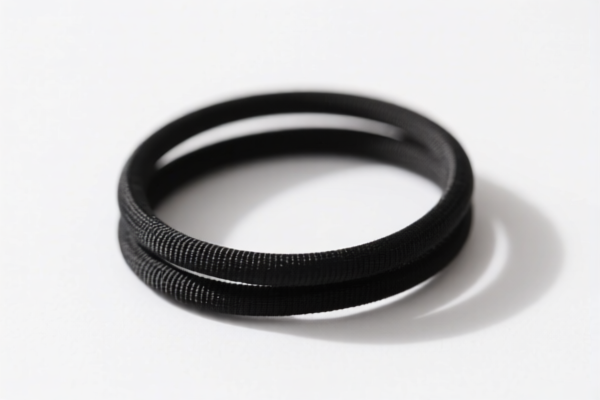
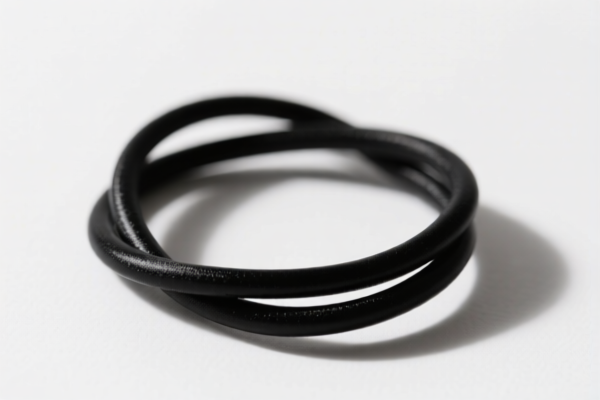
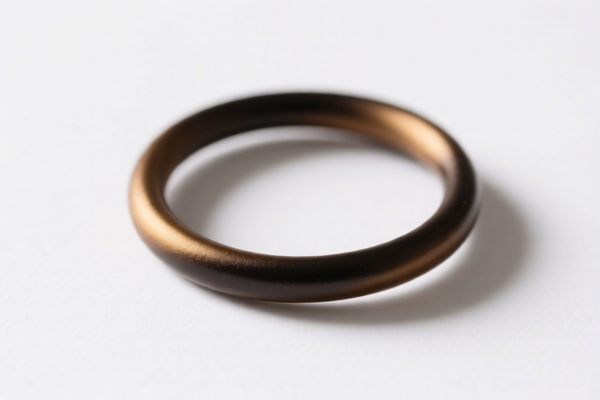
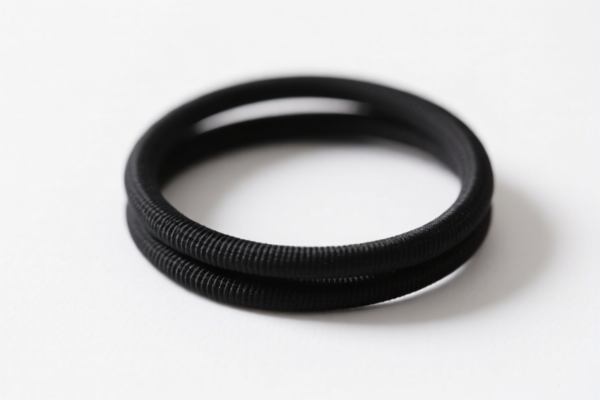
AI Analysis
🎀 Hair Ties & Rubber Bands (Elastic Hair Accessories)
🌐 HS Code Reference & Customs Clearance Guide | 2026 Latest Tariff Analysis | Professional Clearance Strategy
📌 I. Product Definition & Classification: Do You Really Know "Hair Ties"?
Hair ties, commonly referred to as "hair bands" or "rubber bands" in a general context, are essential daily accessories used for securing hair or bundling small items. In international trade, the classification depends heavily on the material composition and form of the product.
- Rubber Elastic Bands: Made primarily of natural or synthetic rubber, often with a fabric wrap (nylon, cotton, or polyester). These fall under Chapter 40 (Rubber) or Chapter 56 (Textiles coated with rubber).
- Plastic/Synthetic Bands: Made of plastic materials (e.g., polyethylene, polypropylene) or other polymer materials. These fall under Chapter 39 (Plastics).
⚠️ Key Distinction Point:
- If the core is Rubber and it is not specifically covered elsewhere (like medical bands) → Look to Chapter 40 or 56.
- If the material is clearly Plastic or a generic polymer not specified in rubber chapters → Look to Chapter 39.
📦 II. HS Code Classification Details (2026 Latest Tariff Authority Comparison)
Based on the provided data, here are the 5 most likely HS Codes for "Hair Ties/Rubber Bands," along with their logic and tax implications.
| HS Code | Product Description & Logic | Application Scenario | Material Basis |
|---|---|---|---|
4016.99.60.50 |
Other vulcanized rubber articles | General-purpose rubber bands, industrial elastic bands | Rubber (Vulcanized), not for vehicles |
3926.90.99.89 |
Other articles of plastics | Plastic hair ties, synthetic elastic bands | Plastic/Synthetic (Generic) |
4016.99.35.10 |
Other rubber articles (Elastic bands specific) | Specifically matched to "Rubber Bands" (Xiang Pi Jin) | Natural/Synthetic Rubber |
5604.90.90.00 |
Other threads/cords coated with rubber | Rubber-core cords, elastic threads | Rubber (as core material) |
5604.10.00.00 |
Textile thread/coated with rubber | Fabric-wrapped elastic bands, covered rubber cords | Rubber + Textile Cover |
🔍 Important Note:
- If the hair tie is plain rubber without fabric wrapping,4016.99.60.50or4016.99.35.10are strong candidates.
- If it is fabric-wrapped (common for hair accessories),5604.10.00.00is technically precise but carries a higher base tariff.
- If the material is ambiguous or plastic-based,3926.90.99.89is the safest "catch-all" for plastics.
💰 III. 2026 Latest Tariff Rate Breakdown (Including Surcharges & Policy Add-ons)
✅ Applicable Country: United States (US)
✅ Origin: China (CN)
✅ Effective Time: Post-2025 (Current Trade Environment)
🎯 1. 4016.99.60.50 —— Other Vulcanized Rubber Articles
| Item | Detail |
|---|---|
| Base Tariff | 2.5% (ad valorem) |
| Section 301 Surcharge | +25.0% |
| Section 122 Tariff | +10.0% |
| Total Effective Rate | 37.5% |
| Tax Calculation | CIF Value × 37.5% |
| De Minimis Exemption | ❌ Not Eligible |
| Legal Basis Path | Base Tariff → Sec 301 Footnote → Sec 122 (China-specific) |
📌 Explanation:
- This code is for general rubber goods. It is not excluded from the 301 list. - Total 37.5% is high. This code is suitable if the item is purely rubber and not a specific "elastic thread."
🎯 2. 3926.90.99.89 —— Other Plastic Articles
| Item | Detail |
|---|---|
| Base Tariff | 5.3% (ad valorem) |
| Section 301 Surcharge | +7.5% |
| Section 122 Tariff | +10.0% |
| Total Effective Rate | 22.8% |
| Tax Calculation | CIF Value × 22.8% |
| De Minimis Exemption | ❌ Not Eligible |
| Legal Basis Path | Base Tariff → Sec 301 Footnote → Sec 122 |
📌 Explanation:
- Lowest Total Rate (22.8%) among the options. - Strategy: If the hair tie has any plastic component or if the material is ambiguous, declaring as "Plastic Article" can significantly reduce tax burden compared to rubber codes.
🎯 3. 4016.99.35.10 —— Specific Rubber Article (Elastic Bands)
| Item | Detail |
|---|---|
| Base Tariff | 0.0% (ad valorem) |
| Section 301 Surcharge | +25.0% |
| Section 122 Tariff | +10.0% |
| Total Effective Rate | 35.0% |
| Tax Calculation | CIF Value × 35.0% |
| De Minimis Exemption | ❌ Not Eligible |
| Legal Basis Path | Base Tariff (0%) → Sec 301 Footnote → Sec 122 |
📌 Explanation:
- Although the base tariff is 0%, the surcharges bring the total to 35.0%. - This code is highly specific to "Elastic Bands" (Xiang Pi Jin). If your product is explicitly described as such, this is a strong candidate.
🎯 4. 5604.90.90.00 —— Other Rubber-Coated Threads/Cords
| Item | Detail |
|---|---|
| Base Tariff | 5.0% (ad valorem) |
| Section 301 Surcharge | +25.0% |
| Section 122 Tariff | +10.0% |
| Total Effective Rate | 40.0% |
| Tax Calculation | CIF Value × 40.0% |
| De Minimis Exemption | ❌ Not Eligible |
| Legal Basis Path | Base Tariff → Sec 301 Footnote → Sec 122 |
📌 Explanation:
- Highest Total Rate (40.0%). - Use this only if the product is clearly a "thread" or "cord" made of rubber. Hair ties are usually not classified as "cords" unless they are long, thin elastic strings.
🎯 5. 5604.10.00.00 —— Textile Thread Coated with Rubber
| Item | Detail |
|---|---|
| Base Tariff | 6.3% (ad valorem) |
| Section 301 Surcharge | +25.0% |
| Section 122 Tariff | +10.0% |
| Total Effective Rate | 41.3% |
| Tax Calculation | CIF Value × 41.3% |
| De Minimis Exemption | ❌ Not Eligible |
| Legal Basis Path | Base Tariff → Sec 301 Footnote → Sec 122 |
📌 Explanation:
- Highest Total Rate (41.3%). - This applies to fabric-wrapped elastic bands. If your hair ties are covered in nylon/cotton, this is technically correct but the most expensive option.
🛠️ IV. Customs Clearance Practical Advice (Avoid Pitfalls)
✅ 1. Preparation Checklist (Essential Documents)
| Document | Mandatory | Explanation |
|---|---|---|
| ✅ Product Specification | ✔️ | Must specify: Material (Rubber vs. Plastic), Core Type, Surface Treatment (Wrapped/Plain). |
| ✅ Product Photos | ✔️ | Clear images of the item, showing cross-section if possible to prove rubber vs. plastic core. |
| ✅ Commercial Invoice | ✔️ | Must match HS Code description precisely (e.g., "Rubber Hair Ties" vs. "Plastic Hair Bands"). |
| ✅ Packing List | ✔️ | Weight and quantity details. |
| ✅ Material Test Report | ✔️ | If disputed, a lab test proving rubber vs. plastic content is crucial. |
✅ 2. Declaration Strategy (Key Tips)
🔥 “Material Matters, Code Saves Dollars!”
| Scenario | Recommended HS Code | Reason |
|---|---|---|
| Plain Rubber Bands | 4016.99.60.50 or 4016.99.35.10 |
Direct rubber classification. |
| Plastic/Synthetic Bands | 3926.90.99.89 |
Lowest Tax (22.8%). Choose if material allows. |
| Fabric-Wrapped Elastic | 5604.10.00.00 |
Technically correct but high tax (41.3%). Consider if value is high. |
| Uncertain Material | 3926.90.99.89 |
Safer to classify as plastic if rubber content is low or ambiguous. |
⚠️ Warning:
- Do not mix rubber and plastic items in one shipment without clear separation. - If declaring as3926(Plastic) but items are rubber, Customs may reclassify and impose penalties.
✅ 3. Special Cases
| Case | Handling Advice |
|---|---|
| OEM Custom Hair Ties | Provide client design specs to prove material composition. |
| Mixed Shipment (Rubber + Plastic) | Declare separately under different HS Codes to optimize tax. |
| Small Value (De Minimis) | ❌ Not Applicable. All codes listed have surcharges and do not qualify for de minimis exemption under current rules. |
🌍 V. Global Market Comparison (2026 Latest)
| Market | Recommended HS Code | Est. Total Tax (China Origin) | Notes |
|---|---|---|---|
| 🇺🇸 USA | 3926.90.99.89 |
22.8% | Best balance of cost and compliance. |
| 🇺🇸 USA | 4016.99.35.10 |
35.0% | If explicitly "Rubber Elastic Band." |
| 🇨🇳 China | 4016.99.60.50 |
~5-10% | No 301/122 surcharges. Lower import duty. |
| 🇪🇺 EU | 4016.99.90 |
~6.5% | No Section 301/122. VAT applies separately. |
| 🇬🇧 UK | 4016.99.90 |
~6.5% | Post-Brexit tariffs. |
📌 Conclusion:
- For US imports,3926.90.99.89offers the lowest effective tax rate (22.8%) among the plausible codes. - If the product is definitively rubber,4016.99.35.10(35.0%) is cheaper than other rubber codes. - Avoid5604codes unless necessary, as they carry the highest burden (40-41.3%).
📌 VI. Common Mistakes & Pitfalls
❌ Mistake 1: Declaring "Rubber Bands" under 5604 (Textile Coated) when they are plain rubber.
👉 Consequence: Incorrect classification → Potential penalties + Higher tax (40-41% vs 37.5% or 35%).
❌ Mistake 2: Declaring "Plastic Hair Ties" under 4016 (Rubber).
👉 Consequence: Customs rejection → Delays, fines, or forced reclassification + tax adjustment.
❌ Mistake 3: Ignoring Section 122 and 301 Surcharges.
👉 Consequence: Underpayment of duties → Back taxes + Interest.
✅ Correct Approach:
"Confirm Material First, Then Choose Code. Plastic = Cheaper (22.8%), Rubber = Moderate (35-37.5%), Fabric-Wrapped = Expensive (41.3%)."
🎯 VII. Conclusion: Smart Classification, Cost Savings!
🎯 Key Takeaway:
🔹 For US Imports from China:
- If you can reasonably classify as Plastic, choose3926.90.99.89→ 22.8% Total Tax.
- If it is Rubber, choose4016.99.35.10(0% base) → 35.0% Total Tax.
- Avoid5604codes unless required by product structure.🔹 Documentation is Key:
- Provide clear photos and material specs.
- Be consistent in description (e.g., "Elastic Hair Tie, Rubber Core, Nylon Wrap" vs. "Rubber Band").
📌 Pro Tip:
If your product value is low, consider if de minimis rules apply in your specific context (though surcharged goods typically do not). For high-volume shipments, pre-classification rulings from CBP are recommended to lock in the HS Code and avoid disputes.
📣 Take Action Now:
📞 Consult a Customs Broker
📸 Provide Product Images
📝 Confirm Material Composition
🚀 Optimize Your HS Code to Save Up to 18.5% in Duties!
✨ Professional Classification, From the First Code!
💼 Every Percent Saved is Pure Profit!
Customer Reviews
About HS Code Classification
The Harmonized System (HS) is an internationally standardized nomenclature developed by the World Customs Organization (WCO) to classify traded products. Over 200 countries use the HS system as the basis for customs tariffs, trade statistics, and import/export regulations.
Each HS code follows a hierarchical structure:
- Chapter (2 digits) — Broad category of goods (e.g., Chapter 84: Machinery and Mechanical Appliances)
- Heading (4 digits) — More specific grouping within the chapter
- Subheading (6 digits) — Internationally standardized breakdown, used by all WCO member countries
- National subdivisions (8-10 digits) — Country-specific extensions for further classification, such as US HTSUS 10-digit codes
Correct HS code classification is essential for smooth customs clearance, accurate duty payment, and compliance with trade regulations. Misclassification can lead to customs delays, overpayment of duties, or penalties.
When importing from CN to US, the applicable tariff rates may include:
- Most-Favored-Nation (MFN) rate — The standard duty rate applied to WTO members
- General rate — Applied to countries without trade agreements
- Trade remedy duties — Additional tariffs such as Section 301 (anti-dumping), Section 232 (national security), or countervailing duties
The information provided on this page is for reference purposes only. For official classification, please consult with your local customs authority or a licensed customs broker.