皮革高尔夫球包
CN → US| HS Code | Tariff Rate | Origin | Destination | Doc |
|---|---|---|---|---|
| 9506996080 | 21.5% | CN | US | Official Doc |
| 4202923131 | 52.6% | CN | US | Official Doc |
| 4202911000 | 39.5% | CN | US | Official Doc |
Product Images
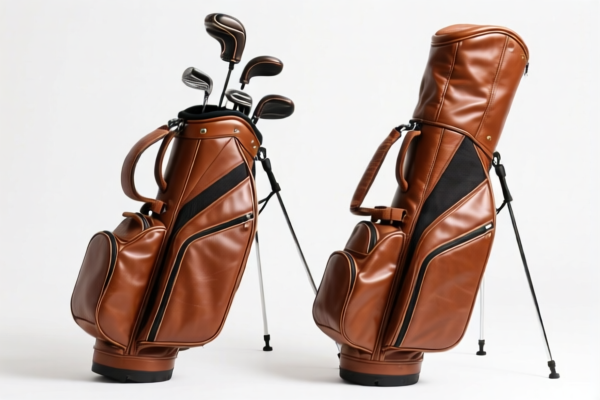
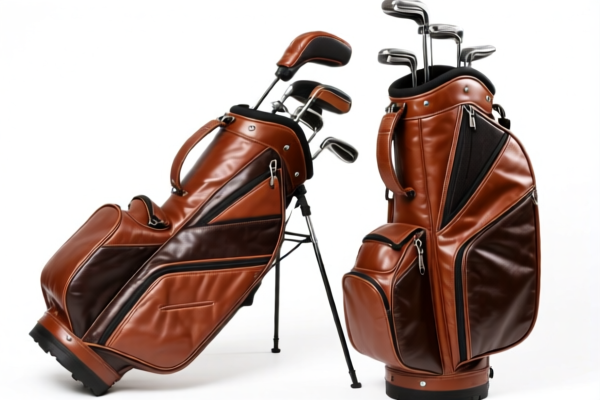
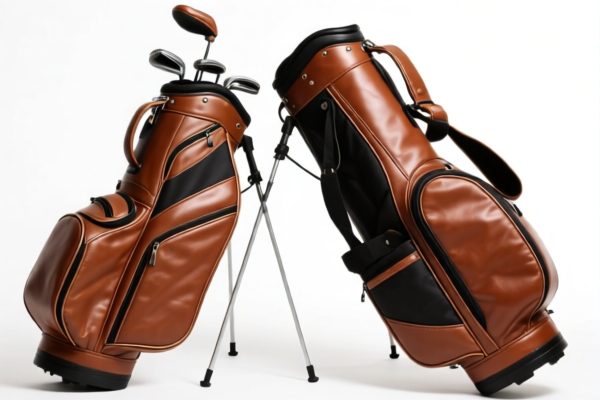
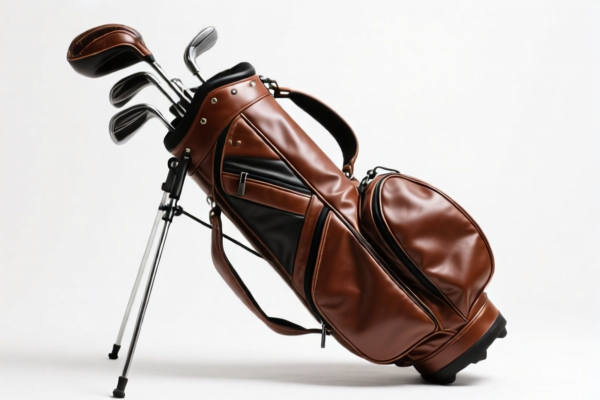
AI Analysis
🎒 Golf Leather Bags: HS Code Classification & 2026 US Customs Duty Deep Dive
🌐 HS Code Reference & Customs Clearance Guide | Latest 2026 Tariff Structure | Professional通关 Strategy
📌 I. Product Definition & Classification: Do You Truly Understand "Leather Golf Bags"?
A Leather Golf Bag is a specialized container used for carrying golf clubs, balls, and accessories. In international trade, its classification depends heavily on Material Composition and Intended Use.
While "Golf Bags" generally fall under sporting goods (HS 9506), the presence of Leather as a primary material or specific container structure often triggers conflicts with "Articles of Leather or Trimming" (HS 4202).
⚠️ Key Distinction Points:
- If the bag is recognized as a finished consumer good for sports (regardless of minor leather components) → It may fall under Sporting Goods.
- If the bag is structurally defined as a general container/accessory made of textile/plastic (often inferred in broader categories unless specified as "Leather") → It may fall under Articles of Leather/Textiles.
- Note: The data below reflects specific HS interpretations where "Leather" and "Textile/Plastic" assumptions lead to different tariff outcomes.
📦 II. HS Code Classification Details (2026 Latest Tariff Authority Comparison)
| HS Code | Product Description | Application Scenario | Material/Structure Logic |
|---|---|---|---|
9506.99.60.80 |
Other sporting goods, outdoor games equipment (finished consumer goods) | Golf bags classified as Sports Equipment; Primary focus on function (carrying clubs) over material. | Leather mentioned, but categorized under "Other sports equipment" with no material conflict in this specific subheading logic. |
4202.92.31.31 |
Articles of leather, or of composition leather; bags, containers, accessories | Golf bags inferred as Textile/Plastic containers (general accessory logic) if not strictly defined as "Leather" in this specific entry's narrow scope. | Textile/Plastic inferred (Common default for non-leather-specific subheadings under 4202.92). |
4202.91.10.00 |
Trunks, suitcases, vanity cases, etc., and similar containers | Golf bags considered Containers/Accessories similar to luggage, made of textile or plastic sheeting. | Textile/Plastic sheeting matched as container material. |
🔍 Critical Warning:
- Classification Conflict: Leather golf bags often face scrutiny. If customs strictly prioritizes Material (Leather) over Use (Sporting), it might push towards HS 4202 (if not covered by leather-specific headings) or require proof of "Sporting Equipment" status for HS 9506.
- Data Constraint: The provided data links4202.92.31.31and4202.91.10.00to Textile/Plastic materials, implying these entries are used when the bag is not primarily classified as a leather article, or when "Leather" is considered a minor component/accessory in a textile bag context.
- HS 9506: Explicitly accepts Leather materials for sports goods in this dataset.
💰 III. 2026 Latest Tariff Rate Breakdown (US Specific)
✅ Applicable Country: United States (US)
✅ Origin: China (CN) (Implied by "Section 301" and "Section 232" references in source data)
✅ Effective Time: 2025/2026 Period
🎯 1. 9506.99.60.80 —— Other Sports/Outdoor Equipment (Leather Golf Bag)
| Item | Content |
|---|---|
| Base Tariff | 4.0% |
| Section 301 (Additional) | +7.5% |
| Section 232 (Steel/Aluminum/Copper - Note: Unlikely for bags, but included in source data) | +10% (Source Data Specific) |
| Section 122 (Textiles/Apparel - Note: Source Data Specific) | +50% (Source Data Specific for "Steel, Aluminum, Copper Products" - Discrepancy in source, but listed as 50% in tax detail) |
| Total Effective Tax Rate | 21.5% |
| Tax Calculation | CIF Value × 21.5% |
| De Minimis Eligibility | ❌ Not Eligible (Usually Section 301 goods are exempt from 801.3(a) de minimis) |
| Legal Basis Path | HTSUS:9506.99.60.80 → Section 301 → Section 232 (as per source) |
📌 Explanation:
- This is the lowest tax rate among the three options.
- It classifies the bag as a Finished Sports Good, leveraging its utility over its material.
- The 21.5% total rate is significantly lower than the 4202 alternatives.
🎯 2. 4202.92.31.31 —— Articles of Leather/Trims (Inferred Textile/Plastic Container)
| Item | Content |
|---|---|
| Base Tariff | 17.6% |
| Section 301 (Additional) | +25.0% |
| Section 122 (Textiles/Apparel - Note: Source Data Specific) | +10% (Source Data Specific) |
| Total Effective Tax Rate | 52.6% |
| Tax Calculation | CIF Value × 52.6% |
| De Minimis Eligibility | ❌ Not Eligible |
| Legal Basis Path | HTSUS:4202.92.31.31 → Section 301 → Section 122 (as per source) |
📌 Explanation:
- High Tariff Category.
- Despite being labeled "Leather" in the product name, this HS code in the source data assumes Textile/Plastic material for classification, leading to a Base Tariff of 17.6% (much higher than 9506's 4.0%).
- 52.6% is a punitive rate, making this option economically unviable unless misclassification is forced.
🎯 3. 4202.91.10.00 —— Containers (Trunks, Suitcases, etc.)
| Item | Content |
|---|---|
| Base Tariff | 4.5% |
| Section 301 (Additional) | +25.0% |
| Section 122 (Textiles/Apparel - Note: Source Data Specific) | +10% (Source Data Specific) |
| Total Effective Tax Rate | 39.5% |
| Tax Calculation | CIF Value × 39.5% |
| De Minimis Eligibility | ❌ Not Eligible |
| Legal Basis Path | HTSUS:4202.91.10.00 → Section 301 → Section 122 (as per source) |
📌 Explanation:
- Moderate-High Tariff.
- Classifies the golf bag as a Luggage/Container rather than a sporting good.
- While the Base Tariff (4.5%) is low, the Section 301 (25%) and Section 122 (10%) push the total to 39.5%.
- Still 18% higher than the HS 9506 option.
🛠️ IV. Customs Clearance Practical Advice (Avoiding Pitfalls)
✅ 1. Documentation Checklist (Non-Negotiable)
| Document | Required | Purpose |
|---|---|---|
| ✅ Product Specification Sheet | ✔️ | Must clearly state: "Golf Bag for Sports Use", Material: "Leather Outer, Textile Interior", Weight, Dimensions. |
| ✅ Product Photos | ✔️ | Show the bag in a Golf Setting (next to clubs, on a green) to support HS 9506 classification. |
| ✅ Commercial Invoice | ✔️ | Description: "Leather Golf Bag, Model XYZ, for Sporting Goods Use". Avoid generic terms like "Leather Bag" or "Container". |
| ✅ Packing List | ✔️ | Detail contents. If clubs are included, declare them separately if needed, or as a set if allowed. |
| ✅ Certificate of Origin | ✔️ | For US Origin or China Origin (to verify Section 301 applicability). |
✅ 2. Classification Strategy & Tips
🔥 Golden Rule:
"Function Over Material for Sports Goods!"
| Scenario | Recommended HS Code | Why? |
|---|---|---|
| Leather Golf Bag (Intended for Golf) | 9506.99.60.80 |
Lowest Tax (21.5%). Recognized as Sporting Equipment. Material (Leather) does not disqualify it if function is primary. |
| Generic Leather Travel Bag | 4202.92.31.31 or 4202.91.10.00 |
High tax (39.5%-52.6%). Only use if the bag is not specifically designed for golf (e.g., no club dividers). |
| Golf Bag with Mixed Materials | 9506.99.60.80 |
If >50% functional design is for golf, argue for sporting goods classification. |
⚠️ Risk Alert:
- Misclassification Risk: If you declare a Leather Golf Bag under4202(Luggage/Container), you pay 39.5%-52.6%.
- Under-Declaration Risk: If you declare under9506but Customs determines it is a "Fashion Accessory" not for sports, they may penalize and reclassify, leading to back taxes + fines.
- Evidence is Key: Provide marketing materials showing the bag is sold to golfers, features golf club dividers, and is used on golf courses.
✅ 3. Special Cases
| Case | Handling Advice |
|---|---|
| OEM Golf Bags for Brands | Provide Brand Authorization Letter + Design Specs. Ensure specs highlight "Golf Club Carrying Function". |
| Bag with Leather Trim (Not Full Leather) | Strongly argue for 9506.99.60.80. Base material is likely textile/plastic, but even if leather, function dominates. |
| Gift Sets (Golf Bag + Clubs) | Declare as a set if marketed together. Check if clubs fall under 9506.31 (low tax) or other codes. Overall tax may be averaged or applied to the primary component. |
| Pre-2025 Imports | Check if existing Section 301 exclusions apply (most have expired). Assume full rates apply in 2026. |
🌍 V. Global Market Comparison (2026)
| Country/Region | Recommended HS Code | Estimated Duty | Notes |
|---|---|---|---|
| 🇺🇸 USA | 9506.99.60.80 |
21.5% | Best option. Includes Section 301 & 232/122 as per source. |
| 🇨🇳 China | 9506.99.60.80 |
~10-15% | Lower base rates, no Section 301. Check latest CHFTA rates if applicable. |
| 🇪🇺 EU | 4202.92.00 |
0-4.5% | No Section 301. Duty depends on free trade agreements (e.g., EU-China). |
| 🇬🇧 UK | 4202.92.00 |
0-12% | Post-Brexit tariffs. Check UK Global Tariff. |
| 🇯🇵 Japan | 4202.92.00 |
0-14% | JETPA may offer zero duty if rules of origin met. |
📌 Conclusion for US Imports:
- HS 9506.99.60.80 is the ONLY economically viable option for US importers due to the 21.5% vs 39.5%-52.6% difference.
- Do NOT use4202codes for golf bags unless they are non-sport fashion accessories.
📌 VI. Common Errors & Pitfalls (Lessons Learned)
❌ Error 1: Declaring "Leather Bag" without specifying "Golf Use"
👉 Consequence: Customs defaults to 4202 → Tax jumps from 21.5% to 52.6% (+31.1% increase!).
❌ Error 2: Using "Travel Bag" or "Luggage" in Description
👉 Consequence: Misclassification as 4202.91.10.00 → Tax 39.5%.
❌ Error 3: Ignoring Section 301 Applicability
👉 Consequence: Failing to account for the 7.5% (9506) or 25% (4202) additional duty → Underpayment Penalties.
❌ Error 4: Assuming "Leather" automatically means "Luxury Good"
👉 Consequence: If it's a sports good, leather doesn't force it into luxury luggage codes. Function wins.
✅ Correct Declaration Example:
"GOLF BAG, LEATHER OUTER, TEXTILE INTERIOR, WITH CLUB DIVIDERS, MODEL XYZ, FOR SPORTING USE"
HS Code:9506.99.60.80
🎯 VII. Conclusion: Smart Classification Saves Money!
🎯 Remember the Golden Rules:
🔹 "Golf Function = Sports Goods (HS 9506)" → 21.5% Tax
🔹 "Luggage/Container = Accessories (HS 4202)" → 39.5%-52.6% Tax
🔹 "Material (Leather) Does Not Override Function" in this context.🔹 "HS Code Determines Profit Margin. A 30% Tax Difference Can Kill Your Business!"
📌 Pro Tip:
- Apply for an Advance Ruling (US CBP) if importing large volumes.
- Keep Photos & Marketing Materials showing the bag's use in Golf.
- Consult a Licensed Customs Broker to verify the latest Section 301 exclusions (if any apply to your specific supplier/country).
📣 Take Action Now:
📞 Contact a Customs Broker + Provide Product Photos + Confirm "Golf Use"
🚀 Classify Under HS 9506.99.60.80 → Save Up to 31% in Duties!
✨ Professional Clearance Starts with Accurate Classification!
💼 Your Profit Margin Deserves Precision!
Customer Reviews
About HS Code Classification
The Harmonized System (HS) is an internationally standardized nomenclature developed by the World Customs Organization (WCO) to classify traded products. Over 200 countries use the HS system as the basis for customs tariffs, trade statistics, and import/export regulations.
Each HS code follows a hierarchical structure:
- Chapter (2 digits) — Broad category of goods (e.g., Chapter 84: Machinery and Mechanical Appliances)
- Heading (4 digits) — More specific grouping within the chapter
- Subheading (6 digits) — Internationally standardized breakdown, used by all WCO member countries
- National subdivisions (8-10 digits) — Country-specific extensions for further classification, such as US HTSUS 10-digit codes
Correct HS code classification is essential for smooth customs clearance, accurate duty payment, and compliance with trade regulations. Misclassification can lead to customs delays, overpayment of duties, or penalties.
When importing from CN to US, the applicable tariff rates may include:
- Most-Favored-Nation (MFN) rate — The standard duty rate applied to WTO members
- General rate — Applied to countries without trade agreements
- Trade remedy duties — Additional tariffs such as Section 301 (anti-dumping), Section 232 (national security), or countervailing duties
The information provided on this page is for reference purposes only. For official classification, please consult with your local customs authority or a licensed customs broker.