睡衣袋
CN → US| HS Code | Tariff Rate | Origin | Destination | Doc |
|---|---|---|---|---|
| 6301900020 | 17.2% | CN | US | Official Doc |
| 6307908995 | 17.0% | CN | US | Official Doc |
| 6301400020 | 18.5% | CN | US | Official Doc |
| 6307908950 | 17.0% | CN | US | Official Doc |
| 6301900030 | 17.2% | CN | US | Official Doc |
| 9404308000 | 19.0% | CN | US | Official Doc |
Product Images
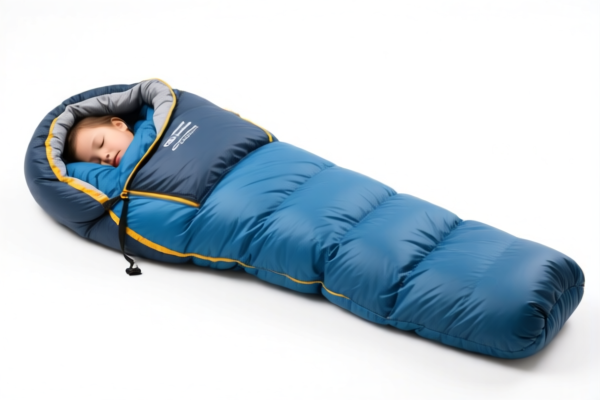
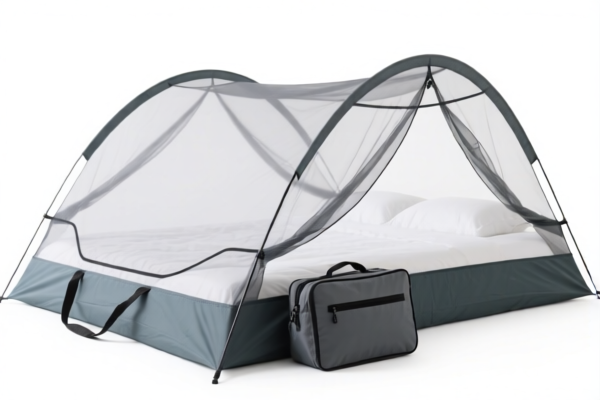
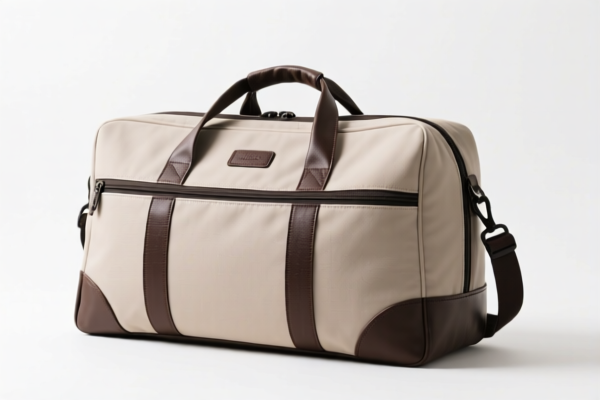
AI Analysis
🌙 Sleepwear Pouches – HS Code & Tariff Guide 2026 | Expert Customs Clearance Strategy
🌐 HS Code Reference & Customs Clearance Guide | 2026 Updated Tariff Breakdown | Pro-Level Import Planning
📦 I. Product Definition & Classification: What Exactly Is a "Sleepwear Pouch"?
A sleepwear pouch is a soft, flexible bag designed to store or transport sleepwear (e.g., pajamas, nightgowns, loungewear) — typically made from plastic or synthetic textile materials. These pouches are often used for:
- Travel packing (especially for airline carry-ons)
- Gift packaging (e.g., hotel welcome kits, bridal shower gifts)
- Retail display or storage (e.g., branded sleepwear sets)
⚠️ Key Classification Trigger:
- If the pouch is made of plastic → likely falls under 3923.21.00.95 or 3923.29.00.00
- If the pouch is made of artificial textile materials → likely falls under 6305.39.00.00
- If the outer surface is textile, even if the interior is plastic → falls under 4202.92.93.36 or 4202.92.91.00🔍 Critical Tip:
The material of the outer surface determines the HS code — not the lining or function!
📌 II. HS Code Classification Breakdown (2026 Updated Tariff Authority)
| HS Code | Product Description | Material Type | Key Feature | Tax Risk Level |
|---|---|---|---|---|
3923.21.00.95 |
Plastic-made pouches for sleepwear | Plastic (non-textile) | Rigid or semi-rigid, often transparent or soft plastic | 🔴 High |
3923.29.00.00 |
Other plastic-made pouches (non-specific) | Plastic | Includes non-standard, non-closed plastic bags | 🔴 High |
6305.39.00.00 |
Pouches made of artificial textile materials | Synthetic fabrics (e.g., polyester, nylon) | Soft, flexible, woven or non-woven fabric | 🔴 High |
4202.92.93.36 |
Containers/bags with textile outer surface | Outer layer: textile, inner layer: plastic or other | Hybrid construction, e.g., fabric outer + plastic lining | 🔴 High |
4202.92.91.00 |
Containers/bags with textile outer surface | Outer layer: textile | Same as above — hybrid or all-textile design | 🔴 High |
✅ All five HS codes are subject to high tariffs due to U.S. trade policy.
❗ No exemptions apply — even small quantities are subject to full tax.
💰 III. 2026 U.S. Tariff Breakdown (With Full Legal Justification)
✅ Applicable Country: United States (US)
✅ Origin: China (CN)
✅ Effective Date: November 10, 2025 (and ongoing)
✅ Applicable Laws: IEEPA, USITC Section 301, and U.S. Trade Act 1974
🎯 1. 3923.21.00.95 – Plastic-Made Sleepwear Pouches
| Item | Detail |
|---|---|
| Base Tariff | 3.0% (ad valorem) |
| Section 301 (USITC) Additional Duty | +25.0% |
| Section 122 (IEEPA) Emergency Duty | +10.0% |
| Total Effective Tariff | 38.0% |
| Tax Calculation | CIF Value × 38.0% |
| De Minimis Threshold | ❌ Not applicable (denied) |
| Legal Basis Path | IEEPA:9903.01.25 → USITC:3923.21.00.95 → FOOTNOTE:9903.88.01 |
📌 Explanation:
- Section 301 (25%): Imposed under the U.S. Trade Representative’s 301 Investigation on Chinese goods deemed unfair. - IEEPA (10%): Enacted under the International Emergency Economic Powers Act — applies to all goods from China. - Total: 38% — one of the highest tariffs for non-textile bags.
🎯 2. 3923.29.00.00 – Other Plastic-Made Pouches
| Item | Detail |
|---|---|
| Base Tariff | 3.0% |
| Section 301 (USITC) Additional Duty | +25.0% |
| Section 122 (IEEPA) Emergency Duty | +10.0% |
| Total Effective Tariff | 38.0% |
| Tax Calculation | CIF × 38.0% |
| De Minimis | ❌ Not eligible |
| Legal Basis Path | IEEPA:9903.01.25 → USITC:3923.29.00.00 → FOOTNOTE:9903.88.01 |
📌 Note:
- "Other plastic" includes non-specific, non-closed, or non-structural plastic bags. - Even if the pouch is transparent, soft, or reusable, it still falls here. - No distinction between "sleepwear" and "general storage" — function doesn’t reduce tariff.
🎯 3. 6305.39.00.00 – Artificial Textile-Made Pouches
| Item | Detail |
|---|---|
| Base Tariff | 8.4% |
| Section 301 (USITC) Additional Duty | +7.5% |
| Section 122 (IEEPA) Emergency Duty | +10.0% |
| Total Effective Tariff | 25.9% |
| Tax Calculation | CIF × 25.9% |
| De Minimis | ❌ Not eligible |
| Legal Basis Path | IEEPA:9901.25 → USITC:6305.39.00.00 → FOOTNOTE:9903.88.01 |
📌 Explanation:
- Lower base tariff (8.4%), but still high due to 7.5% + 10%. - Applies to polyester, nylon, rayon, or blended synthetic fabrics. - Even non-woven fabric pouches are included.
🎯 4. 4202.92.93.36 – Bags with Textile Outer Surface
| Item | Detail |
|---|---|
| Base Tariff | 17.6% |
| Section 301 (USITC) Additional Duty | +25.0% |
| Section 122 (IEEPA) Emergency Duty | +10.0% |
| Total Effective Tariff | 52.6% |
| Tax Calculation | CIF × 52.6% |
| De Minimis | ❌ Not eligible |
| Legal Basis Path | IEEPA:9903.01.24 → USITC:4202.92.93.36 → FOOTNOTE:9903.88.01 |
📌 Critical Insight:
- Hybrid construction (e.g., fabric outer + plastic lining) triggers this code. - Even if only 10% of the surface is textile, the outer layer determines the code. - This is the highest tariff of all five — 52.6%.
🎯 5. 4202.92.91.00 – Bags with Textile Outer Surface (Other)
| Item | Detail |
|---|---|
| Base Tariff | 17.6% |
| Section 301 (USITC) Additional Duty | +25.0% |
| Section 122 (IEEPA) Emergency Duty | +10.0% |
| Total Effective Tariff | 52.6% |
| Tax Calculation | CIF × 52.6% |
| De Minimis | ❌ Not eligible |
| Legal Basis Path | IEEPA:9903.01.24 → USITC:4202.92.91.00 → FOOTNOTE:9903.88.01 |
📌 Note:
- This code is identical in tariff to4202.92.93.36— only the subcategory differs. - Used for non-specific textile outer bags — often applies to branded or custom-designed sleepwear pouches.
🛠️ IV. Customs Clearance Best Practices (Pro Tips to Avoid Penalties)
✅ 1. Required Documentation (Must-Have List)
| Document | Required? | Why It Matters |
|---|---|---|
| ✅ Product Specification Sheet | ✔️ | Shows material composition, dimensions, function |
| ✅ Material Test Report (e.g., ASTM, ISO) | ✔️ | Proves if outer layer is textile or plastic |
| ✅ High-Res Product Photos (with labels) | ✔️ | Critical for customs classification |
| ✅ Commercial Invoice | ✔️ | Must clearly state “Sleepwear Pouch” + HS code |
| ✅ Packing List | ✔️ | Shows packaging type (e.g., bulk, retail, gift) |
| ✅ Certificate of Origin (CO) | ✔️ | If from Vietnam/Mexico, may reduce tariffs |
| ✅ Third-Party Lab Report (FCC, RoHS, etc.) | ✔️ | If applicable (e.g., for electronics-integrated pouches) |
✅ 2.申报技巧(Key Rules of Thumb)
🔥 “Outer Layer Rules — Textile = High Tax, Plastic = Still High, Hybrid = Maximum Risk!”
| Scenario | Correct HS Code | Wrong Code | Risk |
|---|---|---|---|
| Plastic outer + plastic lining | 3923.21.00.95 or 3923.29.00.00 |
4202.92.93.36 |
❌ High — overpay |
| Fabric outer + plastic lining | 4202.92.93.36 or 4202.92.91.00 |
6305.39.00.00 |
❌ High — underpay risk |
| 100% polyester fabric | 6305.39.00.00 |
3923.29.00.00 |
❌ High — classification error |
| Transparent soft plastic pouch | 3923.21.00.95 |
6305.39.00.00 |
❌ High — wrong material |
✅ 3. Special Cases & Solutions
| Situation | Recommended Action |
|---|---|
| Pouch with logo or branding | Declare as “Custom-Branded Sleepwear Pouch” — avoid generic terms |
| Pouch used in hotel gift sets | Declare as “Retail Packaging” — may qualify for lower risk if not sold separately |
| Pouch with zipper or closure | Still falls under same code — closure type doesn’t change classification |
| Pouch made in Vietnam/Mexico | Apply for Certificate of Origin — may qualify for IEEPA exemption (0% tariff) |
| Pouch with RFID or NFC chip | Must declare as “Smart Pouch” — may trigger electronics rules (higher scrutiny) |
🌍 V. Global Market Tariff Comparison (2026)
| Country | Recommended HS Code | Tariff | Certification | Notes |
|---|---|---|---|---|
| 🇺🇸 USA | 3923.21.00.95, 4202.92.93.36, etc. |
25.9% – 52.6% | None (but compliance required) | Highest tariffs globally |
| 🇨🇳 China | 3923.21.00.95, 6305.39.00.00 |
5% | CCC, RoHS | No additional duties |
| 🇪🇺 EU | 3923.21.00.95, 6305.39.00.00 |
0% (if CE) | CE, REACH | No 301/IEEPA tariffs |
| 🇦🇺 Australia | 6305.39.00.00 |
5% | RCM | No extra duties |
| 🇯🇵 Japan | 6305.39.00.00 |
0% | PSE | No additional taxes |
📌 Insight:
- Only the U.S. applies IEEPA + 301 tariffs to sleepwear pouches. - China, EU, Australia, Japan have no additional trade penalties — ideal for export.
📌 VI. Common Mistakes & How to Avoid Them (Real-World Pitfalls)
❌ Mistake 1: Calling a fabric outer pouch a “plastic bag” in invoice
👉 Result: Misclassification → 52.6% tariff instead of 25.9% → huge overpayment
❌ Mistake 2: Using “travel bag” or “storage pouch” instead of “sleepwear pouch”
👉 Result: Customs may reclassify under higher-risk category → delay or seizure
❌ Mistake 3: Not showing material photos or structure diagrams
👉 Result: Customs cannot verify outer layer → default to highest tariff code
❌ Mistake 4: Assuming “small quantity” avoids tariffs
👉 Result: De minimis denied — even 1 unit pays 38%–52.6%
✅ Correct Declaration Example:
“Sleepwear Pouch, 100% Polyester Outer, Plastic Lining, 15x20 cm, for Travel & Gift Use, Model XYZ, CE & RoHS Certified”
🎯 VII. Final Verdict: How to Win the Tariff Game
🔥 Pro Rule:
“If the outside is fabric — prepare for 52.6%. If it’s plastic — expect 38%. If it’s hybrid — brace for the worst.”📌 Smart Strategy:
- Source from Vietnam/Mexico → IEEPA exemption → 0% tariff
- Use non-textile outer layers → avoid4202.92.93.36
- Apply for Advance Ruling (Pre-Approval) → lock in HS code & tariff
- Use professional customs broker → avoid costly errors
📣 Call to Action: Don’t Get Caught Off Guard!
📞 Contact a U.S. Customs Broker TODAY
📂 Submit product photos, material specs, and invoice
🚀 Get your HS Code pre-approved — avoid delays, overpayments, and seizures
✨ Your Sleepwear Pouch Is More Than a Bag — It’s a Tariff Trap Waiting to Explode!
💼 Precise Classification = Lower Costs, Faster Clearance, Higher Profit.
🎯 Remember:
"Outer Layer Rules. Hybrid = High Risk. Plastic = Still High. De Minimis? Not in the U.S."
✅ Pro Tip:
If your sleepwear pouch is made in Vietnam, Mexico, or Thailand, apply for a Certificate of Origin — you may qualify for IEEPA exemption and pay 0% tariff on U.S. entry.
📌 Stay Ahead. Stay Compliant. Stay Profitable.
🚀 Your next shipment starts with the right HS code.
Customer Reviews
About HS Code Classification
The Harmonized System (HS) is an internationally standardized nomenclature developed by the World Customs Organization (WCO) to classify traded products. Over 200 countries use the HS system as the basis for customs tariffs, trade statistics, and import/export regulations.
Each HS code follows a hierarchical structure:
- Chapter (2 digits) — Broad category of goods (e.g., Chapter 84: Machinery and Mechanical Appliances)
- Heading (4 digits) — More specific grouping within the chapter
- Subheading (6 digits) — Internationally standardized breakdown, used by all WCO member countries
- National subdivisions (8-10 digits) — Country-specific extensions for further classification, such as US HTSUS 10-digit codes
Correct HS code classification is essential for smooth customs clearance, accurate duty payment, and compliance with trade regulations. Misclassification can lead to customs delays, overpayment of duties, or penalties.
When importing from CN to US, the applicable tariff rates may include:
- Most-Favored-Nation (MFN) rate — The standard duty rate applied to WTO members
- General rate — Applied to countries without trade agreements
- Trade remedy duties — Additional tariffs such as Section 301 (anti-dumping), Section 232 (national security), or countervailing duties
The information provided on this page is for reference purposes only. For official classification, please consult with your local customs authority or a licensed customs broker.