磁贴
CN → US| HS Code | Tariff Rate | Origin | Destination | Doc |
|---|---|---|---|---|
| 8306290000 | 10.0% | CN | US | Official Doc |
| 8306210000 | 22.0% | CN | US | Official Doc |
| 8505192000 | 39.9% | CN | US | Official Doc |
| 8505191000 | 14.9% | CN | US | Official Doc |
| 3926904510 | 38.5% | CN | US | Official Doc |
| 3926400090 | 15.3% | CN | US | Official Doc |
Product Images
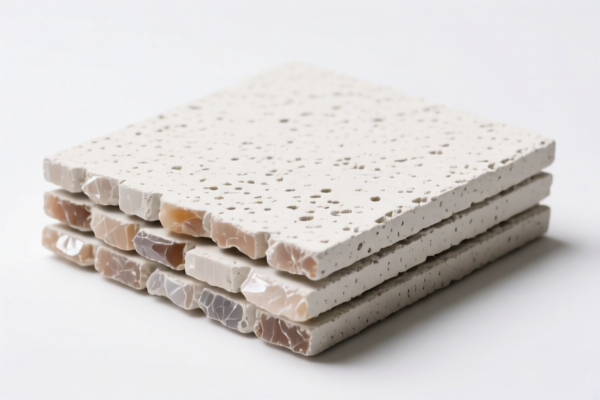
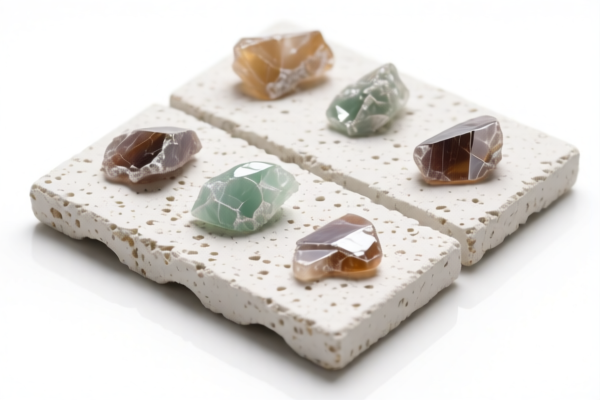
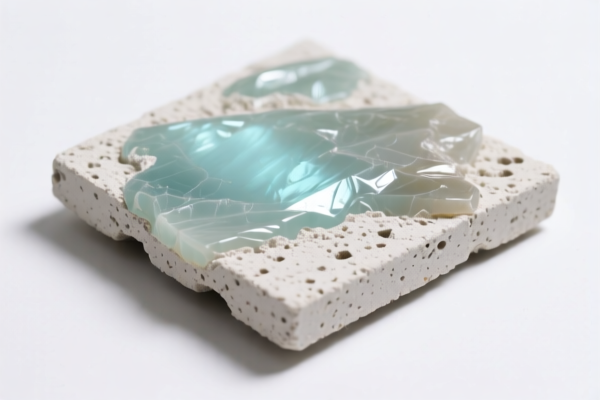
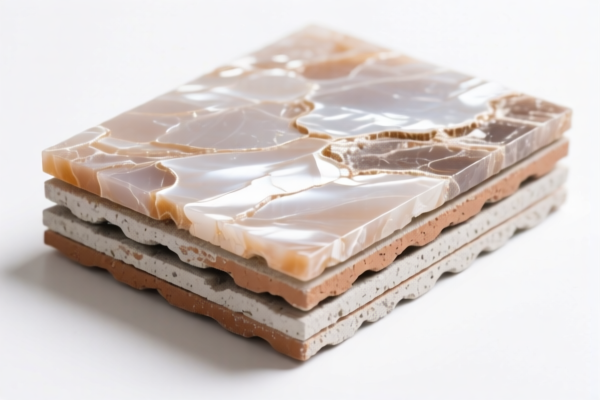
AI Analysis
🧲 Magnets (Magnetic Tiles / Decals)
🌐 HS Code Reference & Customs Clearance Guide | 2026 Latest Tariff Analysis | Strategic Compliance Strategy
📌 I. Product Definition & Classification: Do You Really Understand "Magnetic Tiles"?
Magnetic tiles are versatile goods often used for decoration, industrial application, or functional magnetic retention. In international trade, their classification is highly sensitive to material composition and functional design. A single misclassification can lead to tax differences ranging from 15.3% to 39.9%.
They are generally categorized into three main types based on their primary characteristic:
- Decorative Adhesives/Tiles: Primarily for decoration, made of base metals or plastic.
- Flexible Magnetic Sheets: Composite materials where the magnet is flexible, often used for advertising or signage.
- Permanent Magnets: Functional items where the magnetic property is the defining feature, often metallic.
⚠️ Key Distinction Point:
- If the item is primarily a decoration (e.g., fridge art, wall stickers) and the magnetic part is just a backing → Look at Chapter 83 (Base Metal) or Chapter 39 (Plastics).
- If the item is primarily a magnetic component (e.g., magnetic strips, flexible magnets) → Look at Chapter 85 (Electrical Machinery/Magnets).
- Crucial: The "Shape" (sheet/strip vs. finished article) and "Material" (metal vs. plastic composite) determine the duty rate significantly.
📦 II. HS Code Classification Details (2026 Latest Tariff Authority Comparison)
| HS Code | Product Description | Applicable Scenario | Material/Structure |
|---|---|---|---|
8306.21.00.00 |
Statuettes and other ornamental articles, of base metal; Ornamental plate/tile | Decorative fridge magnets, wall decals made of metal | ✅ Base Metal (e.g., iron, aluminum) + Decorative |
3926.40.00.90 |
Other articles of plastics: Other | Plastic-based decorative magnetic tiles (non-electrical) | ✅ Plastic + Magnetic backing (treated as decorative plastic article) |
8505.19.20.00 |
Permanent magnets and articles intended to become permanent magnets after magnetization: Other | Flexible magnets, composite products with flexible magnetic cores | ✅ Composite (Flexible magnetic core + other materials) |
8505.19.10.00 |
Permanent magnets...: Sheet or strip | Flat or sheet-like flexible magnetic products | ✅ Sheet/Strip Form (Magnetic material in sheet form) |
8505.11.00.90 |
Permanent magnets of metal...: Other | Metal-based permanent magnets not specified elsewhere | ✅ Metal (Rigid/Metallic form) + Functional Magnetic Purpose |
🔍 Key Reminder:
- Decorative vs. Functional: If it’s clearly a "decoration" (like a fridge decal) made of base metal,8306is likely correct (lowest tax). If it’s a "magnetic product" (even if decorative), customs may push it to8505(higher tax).
- Material Matters: Plastic magnetic tiles often fall under3926unless the magnet is the primary value driver.
- Form Factor: "Sheet or strip" (8505.19.10) has the same high tariff as "other" (8505.19.20) due to additional duties, but different from metal magnets (8505.11).
💰 III. 2026 Latest Tariff Rate Detailed Breakdown (Including Surcharges)
✅ Applicable Country: United States (US)
✅ Origin: China (CN)
✅ Effective Date: 2025+ (Including subsequent imports)
🎯 1. 8306.21.00.00 — Ornamental Articles of Base Metal (Decorative Tiles)
| Item | Content |
|---|---|
| Base Duty Rate | 4.5% |
| Section 301 Surcharge | +7.5% |
| 122 Clause Tariff | +10.0% |
| Total Tax Rate | 22.0% |
| Tax Calculation | CIF Value × 22% |
| De Minimis Eligibility | ❌ No (High duty threshold) |
| Legal Basis Path | HTSUS:8306.21.00.00 → USITC:301.03 → 122 Clause |
📌 Explanation:
- This is the most favorable rate for magnetic decorations if they can be legally classified as "ornamental articles of base metal."
- It avoids the heavy 25% Section 301 surcharge applied to magnets.
- Risk: Customs may argue that if the magnetic property is primary, it should be8505. You must prove it is primarily "ornamental."
🎯 2. 3926.40.00.90 — Other Articles of Plastics (Non-Decorative Specific)
| Item | Content |
|---|---|
| Base Duty Rate | 5.3% |
| Section 301 Surcharge | 0.0% |
| 122 Clause Tariff | +10.0% |
| Total Tax Rate | 15.3% |
| Tax Calculation | CIF Value × 15.3% |
| De Minimis Eligibility | ❌ No |
| Legal Basis Path | HTSUS:3926.40.00.90 → 122 Clause |
📌 Explanation:
- This is the lowest total tax rate (15.3%) among all options.
- Condition: The product must be primarily made of plastic, and the "magnetic" aspect is secondary or embedded within the plastic article.
- Strategy: For plastic fridge magnets, this is often the optimal classification if declared as "plastic ornamental articles" rather than "magnets."
🎯 3. 8505.19.20.00 — Other Permanent Magnets (Flexible/Composite)
| Item | Content |
|---|---|
| Base Duty Rate | 4.9% |
| Section 301 Surcharge | +25.0% |
| 122 Clause Tariff | +10.0% |
| Total Tax Rate | 39.9% |
| Tax Calculation | CIF Value × 39.9% |
| De Minimis Eligibility | ❌ No |
| Legal Basis Path | HTSUS:8505.19.20.00 → USITC:301.03 → 122 Clause |
📌 Explanation:
- High duty rate. Applies to flexible magnets or composite magnetic products.
- The 25% Section 301 surcharge significantly increases costs.
- Risk: If your plastic tile is deemed a "magnetic article" rather than a "plastic article," it may be reclassified here.
🎯 4. 8505.19.10.00 — Permanent Magnets (Sheet or Strip)
| Item | Content |
|---|---|
| Base Duty Rate | 4.9% |
| Section 301 Surcharge | +25.0% |
| 122 Clause Tariff | +10.0% |
| Total Tax Rate | 39.9% |
| Tax Calculation | CIF Value × 39.9% |
| De Minimis Eligibility | ❌ No |
| Legal Basis Path | HTSUS:8505.19.10.00 → USITC:301.03 → 122 Clause |
📌 Explanation:
- Same high tax rate as8505.19.20.00.
- Applies specifically to magnetic sheets or strips.
- Differentiation: Even if it looks like a "tile," if it’s classified as a "sheet" of magnetic material, it hits this high rate.
🎯 5. 8505.11.00.90 — Permanent Magnets of Metal (Other)
| Item | Content |
|---|---|
| Base Duty Rate | 2.1% |
| Section 301 Surcharge | +25.0% |
| 122 Clause Tariff | +10.0% |
| Total Tax Rate | 37.1% |
| Tax Calculation | CIF Value × 37.1% |
| De Minimis Eligibility | ❌ No |
| Legal Basis Path | HTSUS:8505.11.00.90 → USITC:301.03 → 122 Clause |
📌 Explanation:
- For metal-based permanent magnets (not ornamental).
- Lower base rate than flexible magnets, but the 25% surcharge still makes it expensive (37.1%).
- Distinction: If it’s an "ornamental" metal tile, use8306(22%). If it’s a "functional" metal magnet, use8505.11(37.1%).
🛠️ IV. Customs Clearance Practical Advice (Real-World Pitfall Guide)
✅ 1. Document Checklist (Mandatory)
| Document | Required | Description |
|---|---|---|
| ✅ Product Specifications | ✔️ | Material composition (e.g., 90% Plastic, 10% Magnet), Dimensions |
| ✅ Composition Analysis | ✔️ | Critical for distinguishing between 3926 (Plastic) and 8505 (Magnet) |
| ✅ Product Photos | ✔️ | Clear view of front/back, showing decorative vs. magnetic nature |
| ✅ Commercial Invoice | ✔️ | Description should align with HS Code (e.g., "Plastic Decorative Tile" vs. "Magnetic Sheet") |
| ✅ Packing List | ✔️ | Weight and volume details |
✅ 2. Declaration Strategy (Key Mantra)
🔥 “Material First, Function Second: Plastic Tiles Win the Tax Battle!”
| Scenario | Correct Declaration | Wrong Practice |
|---|---|---|
| Plastic Fridge Magnet | 3926.40.00.90 (Plastic Article) |
Declare as "Magnet" → 39.9% |
| Metal Decorative Tile | 8306.21.00.00 (Ornamental Base Metal) |
Declare as "Metal Magnet" → 37.1% |
| Flexible Magnetic Sheet | 8505.19.10.00 (Sheet) |
N/A (High tax unavoidable) |
| Mixed Material (Metal+Mag) | 8306.21.00.00 (if decorative) |
8505.11.00.90 → 37.1% |
📌 Why?
- Plastic (3926) has 0% Section 301 surcharge, leading to the lowest total tax (15.3%).
- Base Metal (8306) has a 7.5% Section 301 surcharge, leading to 22.0%.
- Magnets (8505) face a 25% Section 301 surcharge, leading to ~37-40%.
- Strategy: If the product is a "tile" or "decoration," emphasize its decorative nature and plastic/metal ornamental classification over its magnetic function.
✅ 3. Special Cases Handling
| Scenario | Handling Advice |
|---|---|
| OEM Custom Tiles | Provide design files to prove "ornamental" intent. |
| High-End Metal Magnets | If purely functional (e.g., holding tools), use 8505.11.00.90 (37.1%). If decorative (e.g., art), use 8306.21.00.00 (22%). |
| Plastic with Embedded Magnets | Best case: 3926.40.00.90 (15.3%). Ensure plastic is the predominant material by value/volume. |
🌍 V. Global Market Comparison (2026 Latest)
| Country/Region | Recommended HS Code | Total Tariff (China Origin) | Notes |
|---|---|---|---|
| 🇺🇸 US | 3926.40.00.90 |
15.3% | Lowest rate for plastic decorative tiles. Avoid 8505. |
| 🇺🇸 US | 8306.21.00.00 |
22.0% | Acceptable for metal decorative tiles. |
| 🇺🇸 US | 8505.19.10.00 |
39.9% | Avoid unless necessary. |
| 🇪🇺 EU | 3926.40.00 |
~3-5% | Lower duties, but CE marking required. |
| 🇨🇳 China | 3926.40.00 |
~5% | Standard import duty. |
📌 Conclusion:
- US Market is the most critical: The difference between 15.3% (Plastic) and 39.9% (Magnet) is 24.6%—a massive margin impact.
- Best Practice: Classify plastic-based magnetic decorations as Plastic Articles (3926) whenever possible to leverage the 0% Section 301 surcharge.
📌 VI. Common Errors & Pitfalls (Lessons Learned)
❌ Error 1: Declaring plastic fridge magnets as "Magnets" (8505)
👉 Consequence: Tax jumps from 15.3% to 39.9%. Loss of 24.6% profit margin!
❌ Error 2: Declaring metal decorative tiles as "Metal Magnets" (8505.11)
👉 Consequence: Tax jumps from 22.0% to 37.1%. Unnecessary 15.1% overpayment.
❌ Error 3: Ignoring the "122 Clause"
👉 Consequence: All Chinese goods face an additional 10% surcharge on top of base and Section 301 duties. Failure to account for this leads to budget shortfalls.
❌ Error 4: Vague Description ("Magnetic Tiles")
👉 Consequence: Customs may choose the highest-tariff classification. Be specific: "Plastic Ornamental Tile with Magnetic Backing."
✅ Correct Practice:
"Plastic Decorative Fridge Tile, 3x3 inch, with Embedded Ferrite Magnet, Model ABC, Plastic Body >90% by Value"
🎯 VII. Conclusion: Precision Classification Saves Costs!
🎯 Remember the Mantra:
🔹 "Plastic Tiles Win (15.3%), Metal Decor Follows (22.0%), Magnets Pay the Premium (37-40%)."
🔹 "Don’t call it a Magnet if it’s a Decoration. Save 25% in Section 301."
📌 Pro Tip:
- If your product is plastic-based, always argue for Chapter 39 (Plastics).
- If metal-based, argue for Chapter 83 (Base Metal Ornamental) if decorative.
- Apply for an Advance Ruling if you are unsure about the material composition vs. functional primary purpose.
📣 Action Required:
📞 Review Product Composition: Is Plastic > Metal? If yes, target
3926.
📞 Check Material Ratio: Ensure Plastic Volume/Value justifies Chapter 39.
🚀 Optimize Your HS Code, Maximize Your Margin!
✨ Professional Classification Starts with Precise Material Definition!
💼 Your Cost Structure is as Strong as Your HS Code!
Customer Reviews
About HS Code Classification
The Harmonized System (HS) is an internationally standardized nomenclature developed by the World Customs Organization (WCO) to classify traded products. Over 200 countries use the HS system as the basis for customs tariffs, trade statistics, and import/export regulations.
Each HS code follows a hierarchical structure:
- Chapter (2 digits) — Broad category of goods (e.g., Chapter 84: Machinery and Mechanical Appliances)
- Heading (4 digits) — More specific grouping within the chapter
- Subheading (6 digits) — Internationally standardized breakdown, used by all WCO member countries
- National subdivisions (8-10 digits) — Country-specific extensions for further classification, such as US HTSUS 10-digit codes
Correct HS code classification is essential for smooth customs clearance, accurate duty payment, and compliance with trade regulations. Misclassification can lead to customs delays, overpayment of duties, or penalties.
When importing from CN to US, the applicable tariff rates may include:
- Most-Favored-Nation (MFN) rate — The standard duty rate applied to WTO members
- General rate — Applied to countries without trade agreements
- Trade remedy duties — Additional tariffs such as Section 301 (anti-dumping), Section 232 (national security), or countervailing duties
The information provided on this page is for reference purposes only. For official classification, please consult with your local customs authority or a licensed customs broker.