空气滤清器
CN → US| HS Code | Tariff Rate | Origin | Destination | Doc |
|---|---|---|---|---|
| 8421310000 | 12.5% | CN | US | Official Doc |
| 8421390115 | 35.0% | CN | US | Official Doc |
| 8405900000 | 35.0% | CN | US | Official Doc |
| 8405100000 | 35.0% | CN | US | Official Doc |
| 8421210000 | 35.0% | CN | US | Official Doc |
| 5911900080 | 38.8% | CN | US | Official Doc |
Product Images
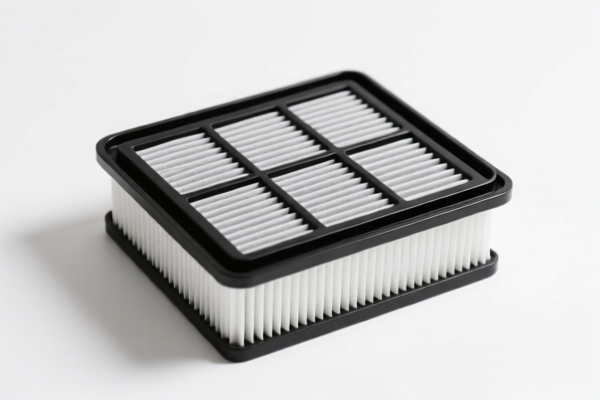
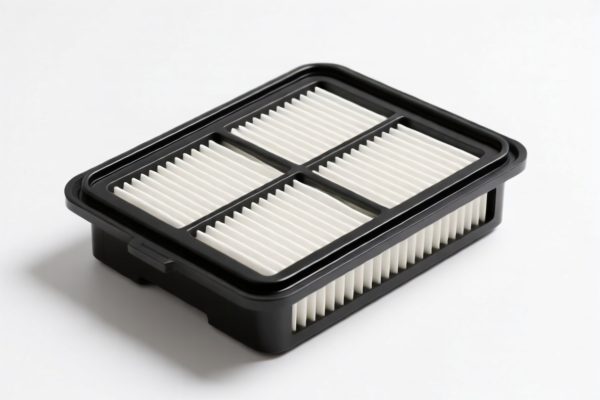

AI Analysis
🌬️ Air Filters & Purification Systems: HS Code Master Guide & Customs Strategy
🌐 Global HS Code Reference & Clearance Guide | 2026 Tax Regime Analysis | Professional Customs Strategy
📌 I. Product Definition & Classification: Do You Truly Understand "Air Filters"?
Air Filters are critical components in industrial, automotive, and residential environments, designed to remove contaminants (dust, pollen, smoke, microorganisms) from gases or air streams. In international trade, their classification depends heavily on the specific application (e.g., intake filtration, dust removal, gas generation, water filtration logic, or textile composition).
International Customs authorities distinguish between: * Intake/Engine Filters: Specifically designed for engines or air intake systems. * Industrial Dust/Gas Filters: General purpose or specialized for gas generators. * Textile Filter Media: The raw materials (cloth/felt) used to construct filters. * Cross-Application Filters: Items sharing functional logic with air filters but applied to water or other gases.
⚠️ Critical Classification Distinction:
- If the filter is specifically for Air Intake (e.g., automotive/engine) → Likely 8421.31.
- If it is for General Dust/Gas Purification or Gas Generators → Likely 8421.39 or 8405.
- If it functions like an air filter but is for Water → Likely 8421.21.
- If it is a Textile Product (Filter Cloth/Felt) → Likely 5911.90.
📦 II. HS Code Classification Matrix (2026 Latest Tariff Reference)
Based on the specific functional descriptions provided in the dataset, here is the authoritative mapping:
| HS Code | Product Description (Summary) | Functional Logic | Application Context |
|---|---|---|---|
8421.31.00.00 |
Air Filter for Gas Purification/Intake | Matching Intake Filter function | Automotive engines, gas compressors, general air intake systems. |
8421.39.01.15 |
Air Filter for Dust & Air Purification | General Air Filtration (Non-intake) | Industrial dust collectors, HVAC systems, clean rooms, air purifiers. |
8405.90.00.00 |
Gas Generator Purification Parts | Core component of Purification Device | Spare parts specifically for Gas Generators (Hydrogen/Chemical). |
8405.10.00.00 |
Gas Generator Purification装置 | Matches Filter/Purification purpose | Complete purification units or assemblies for Gas Generators. |
8421.21.00.00 |
Water Filter | Logic consistent with Air Filtration | Filters for purifying water (functional logic match, different medium). |
5911.90.00.80 |
Industrial/Technical Textile Filters | Textile制品 (Filter cloth, felt) | Raw filter media, industrial filter bags, technical fabrics used in filtration. |
🔍 Key Insight:
-8421.31is the "Specialist" code for air intake (lowest base tax).
-8421.39,8405, and8421.21are "General/Component" codes with 0% base tax but heavy penalties on top.
-5911is a material-based classification (Textile) which attracts the highest total tax burden in this set.
💰 III. 2026 Tax Rate Deep Dive (Base Tariff + Surcharges + Policy Clauses)
✅ Origin: China (CN)
✅ Market: General Import (Assuming US/China context based on 122-Clause & Section 301 logic)
✅ Structure: Base Tariff + "Add-on" Tariff + "122-Clause" Tariff
🎯 1. The "Low Tax" Exception: Intake Air Filters
HS Code: 8421.31.00.00
* Total Tax: 12.5%
* Tax Breakdown:
* Base Tariff: 2.5%
* Add-on Tariff: 0.0%
* 122-Clause Tariff: 10.0%
* 💡 Strategic Advantage: This is the most cost-effective classification. If your product is strictly an intake filter (e.g., for a car engine or industrial compressor), use this code to save ~22.5% in taxes compared to other air filters.
🎯 2. The "High Tax" Trap: General Dust & Gas Filters
HS Codes: 8421.39.01.15, 8405.90.00.00, 8405.10.00.00, 8421.21.00.00
* Total Tax: 35.0%
* Tax Breakdown:
* Base Tariff: 0.0%
* Add-on Tariff: 25.0% (Section 301 / Trade War Tariff)
* 122-Clause Tariff: 10.0%
* 💡 The Hidden Cost: Even though the Base Tariff is 0%, the 25% Add-on + 10% Policy = 35%. This applies to:
* Filters used for dust removal (not intake).
* Gas generator parts.
* Filters used for water (logically similar to air).
* Warning: Do not try to ship "dust filters" under the "Intake" code (8421.31); Customs will reclassify and charge the difference + fines.
🎯 3. The "Material" Trap: Textile Filters
HS Code: 5911.90.00.80
* Total Tax: 38.8%
* Tax Breakdown:
* Base Tariff: 3.8%
* Add-on Tariff: 25.0%
* 122-Clause Tariff: 10.0%
* 💡 The Danger Zone: This is the highest tax rate in the list. This applies if you are importing filter cloth, filter bags, or felt (textile products) rather than finished mechanical filters.
* Risk: If you import "filter media" and it is classified here, you pay 38.8%.
🛠️ IV. Customs Clearance实操 Suggestions (Practical Tips & Pitfall Avoidance)
✅ 1. Pre-Shipment Classification Strategy
| Product Type | Recommended HS Code | Why? | Risk if Misclassified |
|---|---|---|---|
| Car/Engine Air Filter | 8421.31.00.00 |
Matches "Intake Function" | If reported as 8421.39, you pay 35% instead of 12.5%. |
| HVAC / Dust Collector Filter | 8421.39.01.15 |
Matches "General/Dust" | If reported as 8421.31, Customs will suspect fraud. |
| Gas Generator Part | 8405.90.00.00 |
Matches "Generator Part" | Must clearly state "Gas Generator Part" in description. |
| Filter Cloth/Felt (Raw) | 5911.90.00.80 |
Matches "Textile" | Do not claim this as a "finished filter" to avoid 25% add-on. |
| Water Filter | 8421.21.00.00 |
Matches "Water Purification" | Do not try to label as "Air Filter" (functional mismatch). |
🔥 Golden Rule: "Function over Form". The Customs officer looks at what the filter does, not just what it looks like.
✅ 2. Documentation Checklist (Critical for 35% Tax Code)
To avoid delays or re-classification penalties, ensure your documents explicitly state:
- Technical Data Sheet (TDS): Must clearly define the medium (Air vs. Water vs. Gas) and application (Intake vs. Purification).
- Product Images: Show the filter installed in its intended machine (e.g., "installed in air intake pipe" vs. "installed in dust collector").
- Commercial Invoice Description:
- ✅ Good: "Air Intake Filter for Engine Model X, HS 8421.31"
- ❌ Bad: "Air Filter" (Too vague, leads to audit).
- ❌ Bad: "Industrial Dust Filter" (Triggers 35% tax automatically).
✅ 3. Special Scenarios & Mitigation
| Scenario | Strategy | Expected Outcome |
|---|---|---|
| "Universal" Filters | If a filter can be used for both intake and purification, prioritize the Intake function if possible. | Qualify for 12.5% tax (8421.31) instead of 35%. |
| Filter Media Import | If importing rolls of filter cloth, be prepared for 38.8% tax. Consider processing it domestically first if viable. | Avoid "finished good" classification on textile rolls. |
| Gas Generator Parts | Ensure the part number matches the Gas Generator's BOM. | Justify 8405 classification to avoid "General Part" penalties. |
| Water vs. Air | Do not cross-code. Water filters (8421.21) have the same tax as Air Purification (8421.39) = 35%. |
No savings possible; focus on correct documentation. |
🌍 V. Market Comparison (2026 Context)
| Region | Air Filter (Intake) | Air Filter (Dust/Purification) | Textile Filter | Strategy |
|---|---|---|---|---|
| 🇺🇸 USA | 12.5% (Low) | 35.0% (High) | 38.8% (Highest) | Avoid 8421.39 and 5911 if possible. |
| 🇨🇳 China | Varies | Varies | Varies | Focus on 122-Clause exemptions if eligible. |
| 🇪🇺 EU | Lower Base | Lower Base | Varies | Generally lower than US, but check "122" equivalents. |
📌 Conclusion:
The 22.5% tax gap between8421.31.00.00(12.5%) and8421.39.01.15(35%) is massive. If your product is an intake filter, fight for8421.31.00.00. If it is a dust filter, expect to pay 35%.
📌 VI. Common Mistakes & Blood-Sweat Lessons
❌ Mistake 1: Labeling a "Dust Filter" as an "Air Intake Filter" to get 12.5% tax. 👉 Consequence: Customs audit, 35% retroactive tax, heavy fines, and potential seizure.
❌ Mistake 2: Importing "Filter Cloth" as a "Finished Air Filter". 👉 Consequence: Re-classification to 5911.90.00.80 (38.8%), higher duty, and delay.
❌ Mistake 3: Ignoring the "122-Clause" (10%) on all codes. 👉 Consequence: Underestimating total landed cost by 10%.
✅ Correct Action:
"Be precise. Intake = 12.5%. Purification/Dust/Gas Part/Water/Textile = 35-38.8%." Verify the TDS before shipping.
🎯 VII. Final Verdict: Smart Clearance Strategy
🎯 Action Plan for Importers:
1. Check Function: Is it for Intake or Purification?
2. Check Material: Is it Mechanical or Textile?
3. Select Code:
* Intake + Mechanical → 8421.31.00.00 (Save $!💰)
* Purification/Dust/Gas/Water → 8421.39 / 8405 / 8421.21 (Budget 35%)
* Textile Media → 5911.90.00.80 (Budget 38.8%)
4. Prepare Docs: Technical sheets proving the function are mandatory.
🚀 Pro Tip: If you have the flexibility to design the filter for "Intake" use (even if it can do other things), design it for
8421.31to maximize profit margins!
✨ Professional Customs Clearance Starts with Precise Classification!
💼 Every percent of tax saved is pure profit.
Customer Reviews
About HS Code Classification
The Harmonized System (HS) is an internationally standardized nomenclature developed by the World Customs Organization (WCO) to classify traded products. Over 200 countries use the HS system as the basis for customs tariffs, trade statistics, and import/export regulations.
Each HS code follows a hierarchical structure:
- Chapter (2 digits) — Broad category of goods (e.g., Chapter 84: Machinery and Mechanical Appliances)
- Heading (4 digits) — More specific grouping within the chapter
- Subheading (6 digits) — Internationally standardized breakdown, used by all WCO member countries
- National subdivisions (8-10 digits) — Country-specific extensions for further classification, such as US HTSUS 10-digit codes
Correct HS code classification is essential for smooth customs clearance, accurate duty payment, and compliance with trade regulations. Misclassification can lead to customs delays, overpayment of duties, or penalties.
When importing from CN to US, the applicable tariff rates may include:
- Most-Favored-Nation (MFN) rate — The standard duty rate applied to WTO members
- General rate — Applied to countries without trade agreements
- Trade remedy duties — Additional tariffs such as Section 301 (anti-dumping), Section 232 (national security), or countervailing duties
The information provided on this page is for reference purposes only. For official classification, please consult with your local customs authority or a licensed customs broker.