竹凳
CN → US| HS Code | Tariff Rate | Origin | Destination | Doc |
|---|---|---|---|---|
| 4418919195 | 38.2% | CN | US | Official Doc |
| 4421919880 | 38.3% | CN | US | Official Doc |
| 4602113500 | 35.0% | CN | US | Official Doc |
| 9403820015 | 35.0% | CN | US | Official Doc |
| 9403820030 | 35.0% | CN | US | Official Doc |
| 4602114500 | 41.6% | CN | US | Official Doc |
| 4418919140 | 38.2% | CN | US | Official Doc |
Product Images
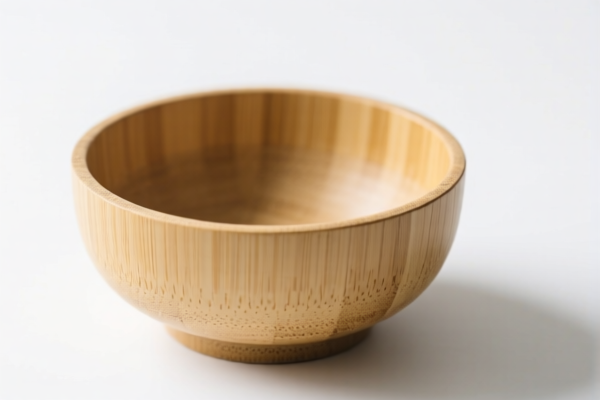
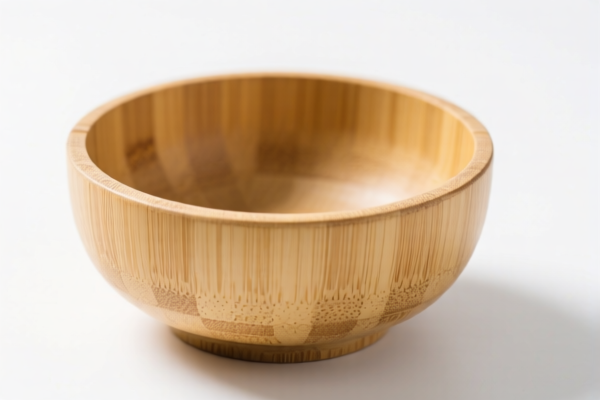
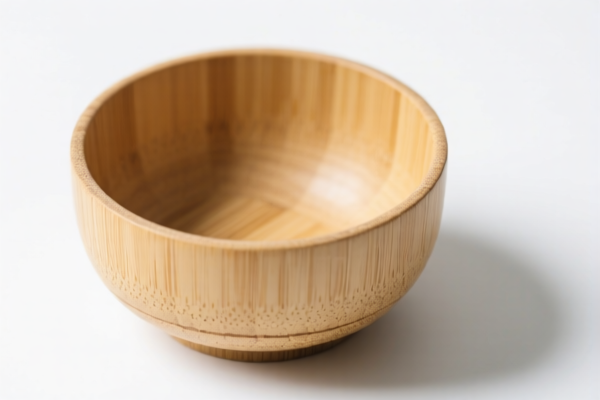
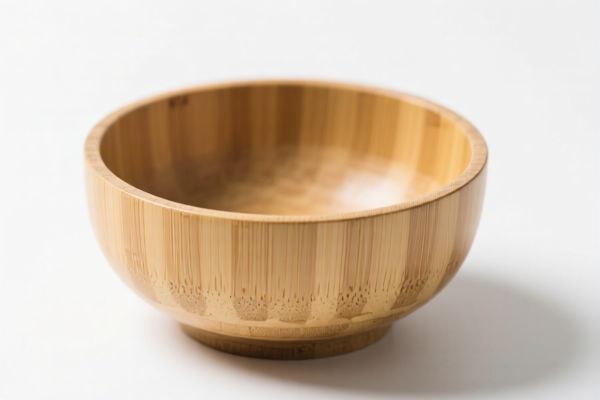
AI Analysis
🪑 Bamboo Stools (竹凳)
🌐 HS Code Reference & Customs Clearance Guide | 2024 Latest Tariff Analysis | Professional Strategy for US Import
📌 I. Product Definition & Classification: Understanding "Bamboo Stools"
Bamboo stools are furniture items primarily made from processed bamboo, used for sitting. In international trade, the classification depends heavily on manufacturing precision, material state, and structural complexity. Unlike standard wooden furniture, bamboo items often fall under Chapter 44 (Wood) or Chapter 46 (Plaiting Materials) depending on whether they are structural components or woven products.
⚠️ Key Distinction:
- If the stool is a structural component or made of processed bamboo wood (laminated/veneered), it often falls under Chapter 44 (Wood).
- If the stool is primarily woven or made from plaited bamboo strips, it falls under Chapter 46 (Plaiting Materials).
- Specific subheadings distinguish between "wooden furniture" and "woven products."
📦 II. HS Code Classification Details (2024 Latest Tariff Alignment)
| HS Code | Product Description | Application Scenario | Material/Structure | Total Tax Rate |
|---|---|---|---|---|
4418.91.91.95 |
Bamboo woodworking products, categorized as "Other" furniture/components | Structural bamboo frames, processed bamboo legs, or semi-finished bamboo furniture parts | Processed Wood/Bamboo | 38.2% |
4421.91.98.80 |
Bamboo products, categorized as "Other," stools are not excluded | General bamboo items including stools that do not fit specific furniture codes | Bamboo (Non-woven) | 38.3% |
4602.11.35.00 |
Bamboo woven products, finished products made of plant materials | Stools with woven bamboo seats/backrests, plaited structures | Woven/Plaited | 35.0% |
9403.82.00.15 |
Bamboo household furniture, falls under "Other bamboo furniture" | Complete, finished bamboo stools with standard furniture design | Wood/Bamboo (Furniture) | 35.0% |
9403.82.00.30 |
Bamboo other furniture, meets bamboo material and furniture usage criteria | Alternative classification for bamboo stools under general furniture category | Wood/Bamboo (Furniture) | 35.0% |
4602.11.45.00 |
Bamboo woven or plant material products | Heavily woven bamboo stools, decorative woven structures | Woven/Plaited | 41.6% |
4418.91.91.40 |
Bamboo structural wood components, categorized as other manufactured structural parts | Bamboo structural elements for stools, not finished furniture per se | Processed Wood/Bamboo | 38.2% |
🔍 Key Note:
- Chapter 44 Codes (4418,4421) generally apply to processed bamboo (laminated, pressed) or structural components.
- Chapter 46 Codes (4602) apply to woven/plaited bamboo.
- Chapter 94 Codes (9403) apply to finished furniture.
- Crucial: Stools are not explicitly excluded from general bamboo product categories, so classification depends on the specific manufacturing process (weaving vs. carpentry).
💰 III. 2024 Latest Tariff Rate Breakdown (Including Surtaxes & Policy Add-ons)
✅ Applicable Country: United States (US)
✅ Origin: China (CN)
✅ Effective Date: Includes subsequent imports (post-2018 Trade Act provisions)
🎯 1. 4418.91.91.95 & 4418.91.91.40 —— Bamboo Woodworking/Structural Products
| Item | Content |
|---|---|
| Base Tariff | 3.2% (ad valorem) |
| Section 301 Surtax | +25.0% |
| 122 Clause Tariff | +10.0% |
| Total Rate | 38.2% |
| Tax Calculation | CIF Value × 38.2% |
| De Minimis Exemption | ❌ Not Eligible (Section 321 exemption does not apply to goods subject to Section 301) |
| Legal Basis | HTSUS:4418.91.91 → USITC Footnote: Section 301 → Trade Act 1974 |
📌 Explanation:
- These codes fall under "Other work of wood or bamboo."
- The 3.2% is the standard MFN rate.
- 25% is the Section 301 tariff for Chinese-origin wood/bamboo products.
- 10% is the additional tariff under specific trade provisions (122 Clause).
- Total: 38.2%. This is a high-cost category for structural bamboo items.
🎯 2. 4421.91.98.80 —— Other Bamboo Products (Stools Included)
| Item | Content |
|---|---|
| Base Tariff | 3.3% |
| Section 301 Surtax | +25.0% |
| 122 Clause Tariff | +10.0% |
| Total Rate | 38.3% |
| Tax Calculation | CIF Value × 38.3% |
| De Minimis Exemption | ❌ Not Eligible |
| Legal Basis | HTSUS:4421.91.98 → USITC Footnote: Section 301 |
📌 Explanation:
- This code captures bamboo products not elsewhere specified.
- Since stools are not explicitly excluded, they may be classified here if they don't fit furniture codes.
- Total: 38.3%. Slightly higher base rate than 4418, but similar surtax structure.
🎯 3. 4602.11.35.00 & 4602.11.45.00 —— Bamboo Woven/Plaited Products
| Item | Content |
|---|---|
| Base Tariff | 0.0% (...35) or 6.6% (...45) |
| Section 301 Surtax | +25.0% |
| 122 Clause Tariff | +10.0% |
| Total Rate | 35.0% (...35) or 41.6% (...45) |
| Tax Calculation | CIF Value × Total Rate |
| De Minimis Exemption | ❌ Not Eligible |
| Legal Basis | HTSUS:4602.11 → USITC Footnote: Section 301 |
📌 Explanation:
-4602.11.35.00: For finished woven products. Base rate 0%, so total is 35%.
-4602.11.45.00: For other woven/plaited items. Base rate 6.6%, so total is 41.6%.
- Strategy: If your stool is woven,4602.11.35.00is more tax-efficient (35% vs 38.2%).
🎯 4. 9403.82.00.15 & 9403.82.00.30 —— Bamboo Household Furniture
| Item | Content |
|---|---|
| Base Tariff | 0.0% |
| Section 301 Surtax | +25.0% |
| 122 Clause Tariff | +10.0% |
| Total Rate | 35.0% |
| Tax Calculation | CIF Value × 35.0% |
| De Minimis Exemption | ❌ Not Eligible |
| Legal Basis | HTSUS:9403.82 → USITC Footnote: Section 301 |
📌 Explanation:
- This is the most favorable rate for finished furniture.
- Base rate is 0%, making the total 35% (only surtaxes apply).
- Requirement: Must be clearly classified as "household furniture" with standard furniture design (legs, seat, backrest if applicable).
🛠️ IV. Customs Clearance Practical Advice (Pitfall Avoidance Guide)
✅ 1. Required Documentation Checklist
| Document | Required | Description |
|---|---|---|
| ✅ Product Specifications | ✔️ | Include dimensions, weight, material composition (100% bamboo? mixed?). |
| ✅ Manufacturing Process Diagram | ✔️ | Clarify if woven (Chapter 46) or carpentry/structural (Chapter 44). |
| ✅ Product Photos | ✔️ | Show whole stool, joints, weave pattern (if any), and labels. |
| ✅ Commercial Invoice | ✔️ | Clearly state "Bamboo Stool, Household Furniture" or "Woven Bamboo Product." |
| ✅ Packing List | ✔️ | Detail quantities, gross/net weight. |
| ✅ HTS Code Justification | ✔️ | Provide reasoning for chosen HS Code (e.g., "Woven structure qualifies for 4602"). |
✅ 2. Classification Strategy (Key Mnemonics)
🔥 “Weave for 35%, Furniture for 35%, Wood Structure for 38%!”
| Scenario | Recommended HS Code | Tax Rate | Why? |
|---|---|---|---|
| Woven Bamboo Stool | 4602.11.35.00 |
35.0% | Base rate 0%, only surtaxes. Best for hand-woven stools. |
| Finished Bamboo Furniture | 9403.82.00.15 |
35.0% | Base rate 0%, only surtaxes. Best for assembled, standard furniture. |
| Bamboo Structural Parts | 4418.91.91.95 |
38.2% | Base rate 3.2% + surtaxes. For components or non-standard items. |
| Other Bamboo Items | 4421.91.98.80 |
38.3% | Base rate 3.3% + surtaxes. Catch-all for unspecified bamboo goods. |
| Complex Woven Items | 4602.11.45.00 |
41.6% | Base rate 6.6% + surtaxes. Avoid if possible; higher base rate. |
📌 Critical Tip:
- If the stool is assembled furniture, try to classify under9403.82(35%).
- If the stool is woven, try to classify under4602.11.35(35%).
- Avoid4418or4421unless necessary, as they have higher base rates (3.2-3.3%), leading to 38%+ total.
✅ 3. Special Cases & Handling
| Case | Handling Advice |
|---|---|
| Mixed Materials | If bamboo + metal/wood, classify by principal material. If bamboo >50%, Chapter 44/46/94 may apply. |
| OEM Custom Stools | Provide design blueprints to prove "furniture" intent. Avoid generic "bamboo item" descriptions. |
| Knocked-Down (KD) Furniture | Classify as furniture (9403.82) if assembled structure is evident. Do not split into parts. |
| Woven Seat, Wood Frame | Classify as wooden furniture (9403.82) if frame is structural. Do not classify as woven product. |
🌍 V. Global Market Comparison (2024)
| Country/Region | Recommended HS Code | Tariff (China Origin) | Notes |
|---|---|---|---|
| 🇺🇸 USA | 9403.82.00.15 or 4602.11.35.00 |
35.0% | High surtaxes apply. Avoid 44 codes if possible. |
| 🇨🇳 China | 9403.82.00.15 |
~0-10% | Low or no import duty for domestic circulation. |
| 🇪🇺 EU | 9403.82.00.15 |
0-10% | Check Ecolabel certifications for bamboo. |
| 🇬🇧 UK | 9403.82.00.15 |
0-10% | Post-Brexit tariff rules apply. |
| 🇦🇺 Australia | 9403.82.00.15 |
~5% | No major surtaxes. |
📌 Conclusion:
- USA is the most challenging market due to Section 301 and 122 Clause surtaxes.
- Strategy: Aim for 0% base rate codes (9403.82or4602.11.35) to minimize total tax to 35%.
- Avoid codes with 3.2-6.6% base rates unless necessary, as they push total tax to 38-41%.
📌 VI. Common Mistakes & Pitfall Guide
❌ Mistake 1: Classifying a woven bamboo stool as 4418 (Wood Product)
👉 Consequence: Tax jumps from 35% to 38.2%. Loss of 3.2% margin.
👉 Reason: Woven items belong in Chapter 46, not Chapter 44.
❌ Mistake 2: Classifying a finished bamboo stool as "Other Bamboo Product" (4421)
👉 Consequence: Tax 38.3% vs. 35%. Unnecessary cost.
👉 Reason: Finished furniture should be in Chapter 94.
❌ Mistake 3: Splitting a KD (Knocked-Down) stool into parts (legs, seat)
👉 Consequence: Each part may be taxed separately, potentially higher total duty.
👉 Reason: KD furniture is classified as complete furniture (9403.82).
❌ Mistake 4: Using vague descriptions like "Bamboo Item"
👉 Consequence: Customs may assign highest duty code.
👉 Reason: Clear description "Bamboo Household Stool" triggers 9403.82.
✅ Correct Declaration Example:
"Bamboo Household Stool, Hand-woven Seat, Wooden Frame, Finished Furniture, Model XYZ, Made in China"
🎯 VII. Conclusion: Professional Classification Saves Money!
🎯 Key Takeaway:
🔹 For Bamboo Stools: Aim for 35% Total Tax!
🔹 Use9403.82(Furniture) or4602.11.35(Woven) for 0% base rate.
🔹 Avoid4418or4421unless no better option exists (38%+ tax).
🔹 Clear documentation is key to proving "Furniture" or "Woven" status.
📌 Pro Tip:
If you have high-volume imports, consider applying for a Binding Ruling from US Customs (CBP) to lock in the HS Code and avoid disputes.
Also, ensure FSC Certification for bamboo products, as many US retailers require sustainable sourcing proof.
📣 Immediate Action:
📞 Consult a licensed customs broker for pre-classification review.
📄 Prepare product photos and manufacturing process details.
🚀 Optimize your supply chain to minimize tariff impact by selecting the right HS Code.
✨ Accurate Classification is the First Step to Profitable Imports!
💼 Don't Let Tariffs Eat Your Margins!
Customer Reviews
About HS Code Classification
The Harmonized System (HS) is an internationally standardized nomenclature developed by the World Customs Organization (WCO) to classify traded products. Over 200 countries use the HS system as the basis for customs tariffs, trade statistics, and import/export regulations.
Each HS code follows a hierarchical structure:
- Chapter (2 digits) — Broad category of goods (e.g., Chapter 84: Machinery and Mechanical Appliances)
- Heading (4 digits) — More specific grouping within the chapter
- Subheading (6 digits) — Internationally standardized breakdown, used by all WCO member countries
- National subdivisions (8-10 digits) — Country-specific extensions for further classification, such as US HTSUS 10-digit codes
Correct HS code classification is essential for smooth customs clearance, accurate duty payment, and compliance with trade regulations. Misclassification can lead to customs delays, overpayment of duties, or penalties.
When importing from CN to US, the applicable tariff rates may include:
- Most-Favored-Nation (MFN) rate — The standard duty rate applied to WTO members
- General rate — Applied to countries without trade agreements
- Trade remedy duties — Additional tariffs such as Section 301 (anti-dumping), Section 232 (national security), or countervailing duties
The information provided on this page is for reference purposes only. For official classification, please consult with your local customs authority or a licensed customs broker.