竹制阳台座椅
CN → US| HS Code | Tariff Rate | Origin | Destination | Doc |
|---|---|---|---|---|
| 4602114500 | 41.6% | CN | US | Official Doc |
| 9401590000 | 35.0% | CN | US | Official Doc |
| 4602113500 | 35.0% | CN | US | Official Doc |
| 9403820015 | 35.0% | CN | US | Official Doc |
| 9403820030 | 35.0% | CN | US | Official Doc |
| 9401520000 | 35.0% | CN | US | Official Doc |
Product Images
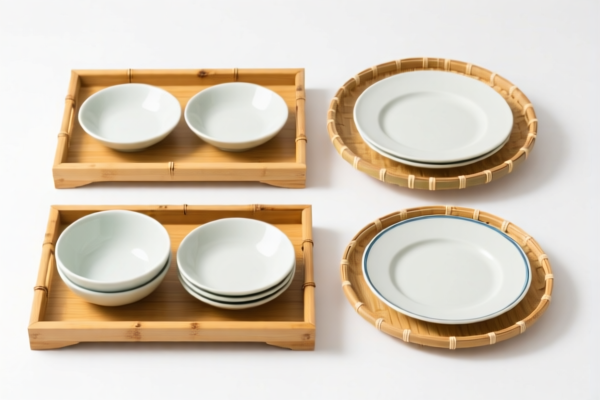
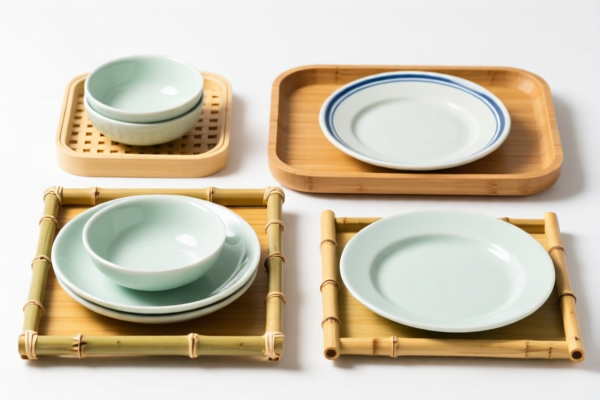
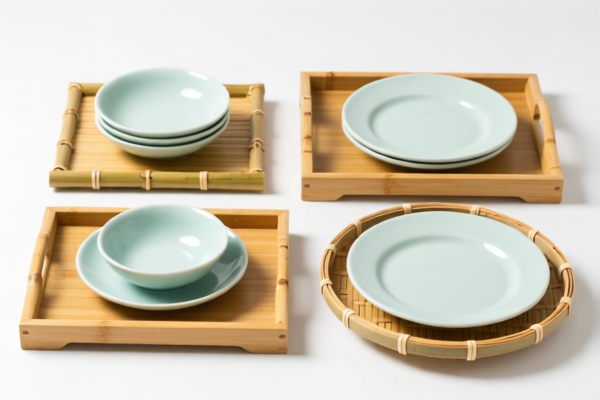
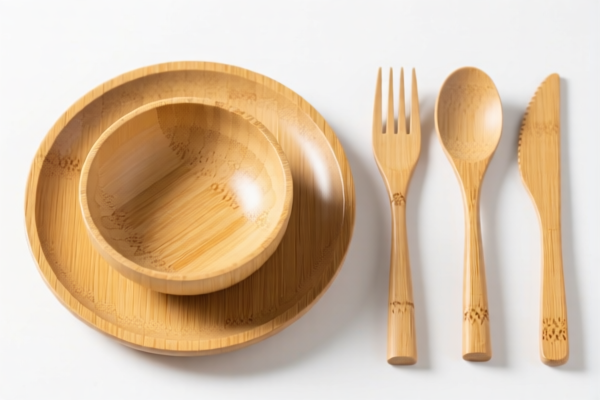
AI Analysis
🎋 Bamboo Balcony Seating (竹制阳台座椅)
🌐 HS Code Reference & Customs Clearance Guide | 2026 Latest Tariff Analysis | Professional Clearance Strategy
📌 Part 1: Product Definition & Classification: Do You Really Understand "Bamboo Seating"?
Bamboo balcony seating is not just "wooden furniture." In international trade, it is a complex category that sits between woven handicrafts and functional furniture. The critical distinction lies in its structure and primary use:
- Woven/Basketware Category (Chapter 46): If the bamboo is woven, braided, or plaited to form the structural integrity of the item (e.g., woven rattan-style chairs without complex joinery), it may fall under Heading 4602.
- Furniture Category (Chapter 94): If the item is assembled using bamboo as a material for legs, frames, or solid slats, and its primary function is "seating" (chairs, stools, benches), it falls under Heading 9401 or 9403.
⚠️ Key Differentiator:
- If it is a woven basket-chair or purely woven structure → HS 4602
- If it is a constructed chair (legs + seat + backrest) made of bamboo → HS 9401 or 9403
📦 Part 2: HS Code Classification Details (2026 Latest Tariff Authority对照)
Based on the provided data, here are the specific HS Codes for Bamboo Balcony Seating, categorized by structural logic:
A. Furniture Category (Primary Function: Seating)
| HS Code | Product Description | Application Scenario | Material Structure |
|---|---|---|---|
9401.59.00.00 |
Bamboo material, falls under bamboo or similar materials, used for seating | Outdoor balcony chairs, garden seats | ✅ Furniture (Constructed) |
9401.52.00.00 |
Bamboo material, conforms to material restrictions, used for seating | Specific bamboo seating types (e.g., specific leg constructions) | ✅ Furniture (Constructed) |
9403.82.00.15 |
Bamboo material, use as seating, belongs to household furniture | Balcony dining chairs, lounge chairs (Household use) | ✅ Furniture (Household) |
9403.82.00.30 |
Bamboo material, use as seating, belongs to other furniture | Non-household balcony seating, commercial outdoor seating | ✅ Furniture (Non-Household) |
B. Woven/Craft Category (Primary Function: Woven Structure)
| HS Code | Product Description | Application Scenario | Material Structure |
|---|---|---|---|
4602.11.35.00 |
Bamboo material, form is seating, belongs to woven goods | Woven bamboo chairs, basket-style seating | ✅ Woven (Plaited/Braided) |
4602.11.45.00 |
Bamboo material, belongs to basket/weaving products | Bamboo basket-seats, woven storage seats | ✅ Woven (Basketware) |
🔍 Key Insight:
- Furniture Codes (9401/9403) are generally preferred for standard chairs with legs and backs.
- Woven Codes (4602) are stricter and apply only if the entire structure relies on weaving/braiding techniques.
- Warning: Misclassifying a standard bamboo chair as "woven basketware" (4602) when it is clearly furniture (9401) can lead to customs audits, although the total tax rate remains identical in this specific dataset.
💰 Part 3: 2026 Latest Tariff Rate Breakdown (Including Additional Duties)
✅ Applicable Country: USA (US)
✅ Origin: China (CN)
✅ Effective Time: 2025-11-10 onwards (Including subsequent imports)
🎯 Group 1: Furniture Classification (9401.59, 9401.52, 9403.82)
| Item | Content |
|---|---|
| Base Tariff | 0.0% (ad valorem) |
| USITC Additional Duty | +25.0% (Section 301 Tariff) |
| 122-Clause Tariff | +10.0% (Specific US Trade Action) |
| Total Tax Rate | 35.0% |
| Tax Calculation | CIF Value × 35% |
| De Minimis Exemption | ❌ Not Eligible (High value threshold applies; Section 301 duties apply regardless of de minimis in many contexts, but specifically here, these are high-duty goods) |
| Legal Path | Base: 9401/9403 → Section 301: +25% → 122-Clause: +10% |
📌 Explanation:
- Although the base tariff for furniture is 0%, the Section 301 tariff (25%) and 122-Clause tariff (10%) are mandatory for Chinese-origin bamboo furniture.
- Total Cost Impact: For every $100 of goods, you pay $35 in duties. This is a fixed, high-cost barrier.
🎯 Group 2: Woven/Basket Classification (4602.11)
| Item | Content |
|---|---|
| Base Tariff | 6.6% (ad valorem) |
| USITC Additional Duty | +25.0% (Section 301 Tariff) |
| 122-Clause Tariff | +10.0% (Specific US Trade Action) |
| Total Tax Rate | 41.6% |
| Tax Calculation | CIF Value × 41.6% |
| De Minimis Exemption | ❌ Not Eligible |
| Legal Path | Base: 4602 → Section 301: +25% → 122-Clause: +10% |
📌 Explanation:
- Woven bamboo goods have a higher base rate (6.6%) compared to furniture (0%).
- Therefore, even with the same additional duties, the total rate is 41.6%, which is 6.6% higher than the furniture classification.
- Strategy: Unless your product is strictly woven basketware, classify as Furniture (9401/9403) to save the 6.6% base tariff.
🛠️ Part 4: Customs Clearance Practical Advice (Combat Pitfall Guide)
✅ 1. Document Preparation Checklist (Non-negotiable)
| Document | Required? | Explanation |
|---|---|---|
| ✅ Product Specifications | ✔️ | Must clearly state: "Bamboo," "Balcony Chair," "Outdoor Use." |
| ✅ Material Composition Statement | ✔️ | Specify % of Bamboo vs. other materials (e.g., cushions, metal screws). |
| ✅ Product Photos | ✔️ | Show the entire product, including labels, stitching (if any), and structure. |
| ✅ Commercial Invoice | ✔️ | Use precise language: "Bamboo Garden Chair" or "Bamboo Woven Basket-Seal". |
| ✅ Packing List | ✔️ | Detail dimensions and weight. |
✅ 2. Classification Strategy (Critical)
🔥 "Look at the Structure, Not Just the Material!"
| Scenario | Recommended HS Code | Why? |
|---|---|---|
| Standard Bamboo Chair (4 legs, seat, backrest) | 9401.59.00.00 or 9403.82.00.15 |
It is clearly "Furniture" (Ch. 94). Base tax is 0%. |
| Woven Bamboo "Basket" Chair (Entirely woven, no legs/frame) | 4602.11.35.00 or 4602.11.45.00 |
It is "Woven Craft" (Ch. 46). Base tax is 6.6%. |
| Bamboo Chair with Cushions | 9401.59.00.00 |
The cushion is an accessory; the chair is the primary good. |
| Bamboo Stool | 9401.52.00.00 |
Specific subtype of seating furniture. |
📌 Pro Tip:
- If you classify a standard chair as4602(Woven), you pay more tax (41.6% vs 35%).
- If you classify a woven basket as9401(Furniture), you risk customs penalty for misclassification, even if the rate is lower.
- Action: If it has legs and a backrest, always use 9401/9403.
✅ 3. Special Circumstances
| Situation | Handling Advice |
|---|---|
| Mixed Materials (e.g., Bamboo + Metal Frame) | If metal frame is >50% by weight or essential structure, it might shift to Metal Furniture (7320/9403). Check GRI 3(b). |
| Imported as Kitting (Parts + Cushions) | Declare as Furniture if the parts form a chair. Do not split duties. |
| 122-Clause Compliance | Ensure the exporter is on the approved list or the goods are not from restricted entities. The 10% 122-Clause tariff is specific and non-negotiable for many Chinese goods. |
🌍 Part 5: Global Market Comparison (2026 Update)
| Country/Region | Recommended HS Code | Base Tariff | Additional Duties (China) | Total Effective Rate | Notes |
|---|---|---|---|---|---|
| 🇺🇸 USA | 9401.59.00.00 |
0% | 25% (301) + 10% (122) | 35.0% | High barrier. |
| 🇨🇳 China | 9401.59.00.00 |
0% - 5% | None | 0-5% | Export hub. |
| 🇪🇺 EU | 9401.59.00.00 |
0% - 6% | None | 0-6% | FTA opportunities? Check local rules. |
| 🇬🇧 UK | 9401.59.00.00 |
0% - 6% | None | 0-6% | Post-Brexit trade terms. |
📌 Conclusion:
- The US market is the most expensive due to Section 301 and 122-Clause tariffs.
- For other markets, the cost is significantly lower. Plan your supply chain accordingly: Avoid transshipment through third countries to evade tariffs, as US Customs tracks origin rigorously.
📌 Part 6: Common Mistakes & Pitfalls (Lessons Learned)
❌ Mistake 1: Calling it "Wicker Chair" to confuse customs.
👉 Result: If it's bamboo, not rattan/wicker, it may still be classified correctly but flagged for mismatched description → Delay.
❌ Mistake 2: Classifying as "Plants/Flowers" or "Decorations" (Ch. 67).
👉 Result: If it is usable for sitting, it must be Furniture (Ch. 94) or Woven Goods (Ch. 46). Misclassification leads to heavy fines.
❌ Mistake 3: Ignoring the 122-Clause Tariff.
👉 Result: The 10% is separate and mandatory. Assuming "Only 301 applies" leads to unexpected bills at clearance.
✅ Correct Practice:
"Bamboo Garden Chair, Outdoor Use, With Cushion, Model XYZ, Origin China"
HS Code:9401.59.00.00
Total Duty: 35%
🎯 Part 7: Conclusion: Professional Classification Saves Money!
🎯 Remember the Golden Rule:
🔹 "Legs & Backrest = Furniture (9401) = 35% Total"
🔹 "Woven Basket = Craft (4602) = 41.6% Total"
🔹 "Never Split the Chair = Avoid Compounded Duties"
📌 Pro Tip:
- If your volume is high, consider Advance Ruling (Pre-classification) with US CBP to lock in the HS Code and avoid future disputes.
- For the 122-Clause tariff, ensure your supplier provides all necessary export documentation to prove origin and compliance.
📣 Immediate Action:
📞 Verify Structure: Does it have legs? Use 9401.
📞 Check Material: Is it woven? Use 4602 (but expect higher tax).
📞 Calculate Cost: Budget for 35% of CIF value for US imports.
✨ Professional Customs Clearance Starts with Accurate Classification!
💼 Your Profit Margin Depends on Your HS Code!
Customer Reviews
About HS Code Classification
The Harmonized System (HS) is an internationally standardized nomenclature developed by the World Customs Organization (WCO) to classify traded products. Over 200 countries use the HS system as the basis for customs tariffs, trade statistics, and import/export regulations.
Each HS code follows a hierarchical structure:
- Chapter (2 digits) — Broad category of goods (e.g., Chapter 84: Machinery and Mechanical Appliances)
- Heading (4 digits) — More specific grouping within the chapter
- Subheading (6 digits) — Internationally standardized breakdown, used by all WCO member countries
- National subdivisions (8-10 digits) — Country-specific extensions for further classification, such as US HTSUS 10-digit codes
Correct HS code classification is essential for smooth customs clearance, accurate duty payment, and compliance with trade regulations. Misclassification can lead to customs delays, overpayment of duties, or penalties.
When importing from CN to US, the applicable tariff rates may include:
- Most-Favored-Nation (MFN) rate — The standard duty rate applied to WTO members
- General rate — Applied to countries without trade agreements
- Trade remedy duties — Additional tariffs such as Section 301 (anti-dumping), Section 232 (national security), or countervailing duties
The information provided on this page is for reference purposes only. For official classification, please consult with your local customs authority or a licensed customs broker.