箱包
CN → US| HS Code | Tariff Rate | Origin | Destination | Doc |
|---|---|---|---|---|
| 4819100040 | 35.0% | CN | US | Official Doc |
| 3923102000 | 35.0% | CN | US | Official Doc |
| 3923109000 | 38.0% | CN | US | Official Doc |
| 7326908688 | 87.9% | CN | US | Official Doc |
| 7326903500 | 92.8% | CN | US | Official Doc |
Product Images


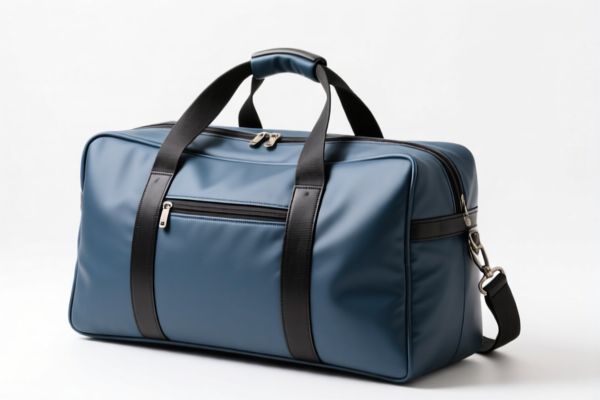
AI Analysis
🧳 Luggage & Bags (Handbags, Suitcases, Travel Goods)
🌐 HS Code Reference & Customs Clearance Guide | 2026 Latest Tariff Analysis | Professional-Level Entry Strategy
📌 1. Product Definition & Classification: Do You Really Understand "Luggage"?
"Luggage and Bags" is a broad category in international trade, encompassing suitcases, handbags, backpacks, travel cases, and various containers. The classification depends heavily on the material (paper, plastic, metal, leather, textile) and the structure/purpose.
In the provided data context, the term "Box/Container" (箱体) is used to describe items falling into these categories. We must distinguish between: * Paper/Cardboard Containers: Corrugated boxes, packaging cartons. * Plastic Containers: Rigid plastic cases, storage boxes, cosmetic cases. * Metal Containers: Steel/aluminum cases, rugged transport boxes, lockers.
⚠️ Key Distinction Point:
- If made of paper/cardboard for packaging → Group 4819;
- If made of plastic for packaging/storage → Group 3923;
- If made of metal (steel/aluminum) for rugged use/transport → Group 7326.
📦 2. HS Code Classification Details (Latest Tariff Schedule Reference)
| HS Code | Product Description | Material | Applicable Scenario | Tax Details Summary |
|---|---|---|---|---|
4819.10.00.40 |
Boxes, made of corrugated paper or paperboard | Paper/Cardboard | Packaging boxes, shipping cartons, gift boxes | Base: 0%, Add-on: 25%, Sec 301: 10% → Total: 35% |
3923.10.20.00 |
Boxes, cases, crates, made of plastics | Plastic | Plastic storage boxes, cosmetic cases, rigid plastic luggage parts | Base: 0%, Add-on: 25%, Sec 301: 10% → Total: 35% |
3923.10.90.00 |
Other articles for the conveyance or packaging of goods, of plastics | Plastic | Other plastic containers, specialized plastic transport cases | Base: 3%, Add-on: 25%, Sec 301: 10% → Total: 38% |
7326.90.86.88 |
Other articles of iron or steel | Metal (Steel/Aluminum) | Metal luggage cases, steel lockers, rugged transport containers | Base: 2.9%, Add-on: 25%, Sec 301: 10%, Steel/Al/Cu: 50% → Total: 87.9% |
7326.90.35.00 |
Other articles of iron or steel (general) | Metal (Steel/Aluminum) | General metal containers, iron/steel boxes, non-specific metal cases | Base: 7.8%, Add-on: 25%, Sec 301: 10%, Steel/Al/Cu: 50% → Total: 92.8% |
🔍 Critical Reminder:
- Metal luggage/cases are subject to extremely high tariffs due to the 50% surcharge on steel/aluminum/copper products.
- Plastic vs. Paper: Both have lower base rates (0-3%), but plastic variants may have different sub-classifications affecting the base rate.
- Never confuse "plastic luggage" with "textile luggage" – this data only covers plastic, paper, and metal. Textile luggage (e.g., nylon backpacks) would fall under different HS codes (e.g., 4202) not listed here.
💰 3. 2026 Latest Tariff Rate Breakdown (Including Surcharges)
✅ Applicable Country: United States (US)
✅ Country of Origin: China (CN)
✅ Effective Date: From November 10, 2025 (including subsequent imports)
🎯 1. 4819.10.00.40 – Paper/Cardboard Boxes
| Item | Details |
|---|---|
| Base Tariff | 0% (ad valorem) |
| USITC Surcharge | +25% (Section 301) |
| IEEPA Surcharge | +10% (China-specific, effective Nov 10, 2025) |
| Total Tariff | 35% |
| Tax Calculation | CIF Value × 35% |
| De Minimis Exemption | ❌ Not Eligible (deny_de_minimis) |
| Legal Basis Path | IEEPA:9903.01.25 → IEEPA:9903.01.24 → USITC:4819.10.00.40 → FOOTNOTE:9903.88.01 |
📌 Explanation:
- Paper packaging is subject to the standard 301 tariff (25%) and the new IEEPA surcharge (10%).
- While base duty is 0%, the 35% total rate is significant for high-value packaging goods.
🎯 2. 3923.10.20.00 – Plastic Boxes/Cases
| Item | Details |
|---|---|
| Base Tariff | 0% |
| USITC Surcharge | +25% |
| IEEPA Surcharge | +10% |
| Total Tariff | 35% |
| Tax Calculation | CIF × 35% |
| De Minimis Exemption | ❌ Not Eligible |
| Legal Basis Path | IEEPA:9903.01.24 → USITC:3923.10.20.00 → FOOTNOTE:9903.88.01 |
📌 Note:
- This code applies to plastic boxes/crates used for conveyance or packaging.
- If the plastic item is a "storage container" with specific features, it might fall under3923.10.90.00(see below).
🎯 3. 3923.10.90.00 – Other Plastic Packaging Articles
| Item | Details |
|---|---|
| Base Tariff | 3% |
| USITC Surcharge | +25% |
| IEEPA Surcharge | +10% |
| Total Tariff | 38% |
| Tax Calculation | CIF × 38% |
| De Minimis Exemption | ❌ Not Eligible |
| Legal Basis Path | IEEPA:9903.01.24 → USITC:3923.10.90.00 → FOOTNOTE:9903.88.01 |
📌 Note:
- The 3% base duty makes this slightly more expensive than3923.10.20.00.
- This is a "catch-all" for plastic packaging articles not specified elsewhere.
🎯 4. 7326.90.86.88 – Other Metal Articles (Steel/Aluminum)
| Item | Details |
|---|---|
| Base Tariff | 2.9% |
| USITC Surcharge | +25% |
| IEEPA Surcharge | +10% |
| Steel/Al/Cu Surcharge | +50% |
| Total Tariff | 87.9% |
| Tax Calculation | CIF × 87.9% |
| De Minimis Exemption | ❌ Not Eligible |
| Legal Basis Path | IEEPA:9903.01.24 → USITC:7326.90.86.88 → Steel/Al/Cu: 50% |
📌 Critical Warning:
- Metal luggage/cases face the highest tariffs due to the 50% steel/aluminum surcharge.
- This is a prohibitive tariff level. Importers must carefully evaluate cost feasibility.
🎯 5. 7326.90.35.00 – Other Metal Articles (General)
| Item | Details |
|---|---|
| Base Tariff | 7.8% |
| USITC Surcharge | +25% |
| IEEPA Surcharge | +10% |
| Steel/Al/Cu Surcharge | +50% |
| Total Tariff | 92.8% |
| Tax Calculation | CIF × 92.8% |
| De Minimis Exemption | ❌ Not Eligible |
| Legal Basis Path | IEEPA:9903.01.24 → USITC:7326.90.35.00 → Steel/Al/Cu: 50% |
📌 Critical Warning:
- This is the highest tax rate in the dataset.
- Applies to general metal containers/boxes.
- Avoid this code if possible; seek alternative materials (plastic/paper) or reclassification if the item qualifies.
🛠️ 4. Customs Clearance Practical Advice (Pitfall Avoidance Guide)
✅ 1. Document Checklist (All Required)
| Document | Required | Description |
|---|---|---|
| ✅ Product Specification Sheet | ✔️ | Must specify material (e.g., "Corrugated Paper," "HDPE Plastic," "Aluminum Alloy"), dimensions, weight. |
| ✅ Material Declaration | ✔️ | Explicitly state the primary material. Misdeclaration leads to reclassification and fines. |
| ✅ Product Photos | ✔️ | Clear images showing structure, hinges, locks, and labels. |
| ✅ Commercial Invoice | ✔️ | Must match HS Code description exactly (e.g., "Plastic Storage Box" vs. "Metal Luggage Case"). |
| ✅ Packing List | ✔️ | Itemized list with weights and dimensions. |
| ✅ Third-Party Test Report | ✔️ | If applicable (e.g., FDA for food-contact plastic, MIL-STD for rugged metal cases). |
✅ 2. Declaration Tips (Key Mnemonics)
🔥 “Material Dictates Code, Metal Means Pain!”
| Scenario | Correct Declaration | Incorrect Action |
|---|---|---|
| Cardboard shipping box | 4819.10.00.40 |
Misdeclare as plastic → 35% vs 35% (same, but risk of audit) |
| Plastic cosmetic case | 3923.10.20.00 or 3923.10.90.00 |
Misdeclare as metal → 87.9%+ (Catastrophic) |
| Aluminum laptop case | 7326.90.86.88 |
Misdeclare as plastic → 35% (Fraud risk if caught) |
| Steel tool box | 7326.90.35.00 or 7326.90.86.88 |
Misdeclare as paper → 35% (Huge underpayment penalty) |
✅ 3. Special Cases Handling
| Scenario | Handling Advice |
|---|---|
| OEM Metal Luggage | Provide design specs and material certificates. The 50% steel surcharge is unavoidable unless material is changed. |
| Plastic with Metal Hinges | If plastic is the primary material, classify under 3923. Do not let metal components trigger the 50% surcharge. |
| Mixed Material Packaging | If >50% by weight/value is paper, use 4819. If plastic, use 3923. Avoid metal-heavy items. |
| Travel Goods vs. Storage | If the item is a "suitcase" for personal use, it may fall under 4202 (not in this data). The data here refers to "Boxes/Cases" for conveyance/packaging. Ensure proper distinction. |
🌍 5. Global Market Comparison (2026 Latest)
| Country/Region | Recommended HS Code | Tariff (China Origin) | Notes |
|---|---|---|---|
| 🇺🇸 USA | 4819.10.00.40 / 3923.10.20.00 / 7326.90.xxxx |
35% (Paper/Plastic) 87.9-92.8% (Metal) |
Highest tariff disparity. Metal is prohibitive. |
| 🇨🇳 China | Same HS Codes | 5-15% (varies) | No additional 301/IEEPA surcharges for exports to China. |
| 🇪🇺 EU | Similar HS Codes | 0-6% | No steel/aluminum surcharges like the US. More favorable for metal goods. |
| 🇦🇺 Australia | Similar HS Codes | 5% | Standard MFN rates apply. No major surcharges. |
📌 Conclusion:
- The US market is extremely costly for metal luggage/boxes due to the 50% steel/aluminum surcharge.
- Plastic and paper remain viable options with 35-38% total tariffs.
- Consider supply chain relocation or material substitution (e.g., plastic instead of metal) for US-bound goods.
📌 6. Common Mistakes & Pitfalls (Lessons Learned)
❌ Mistake 1: Declaring a metal hard-shell suitcase as plastic
👉 Consequence: If caught, fraud penalties, back taxes, and seizure. The 50% steel surcharge is strictly enforced.
❌ Mistake 2: Declaring a paper shipping box as plastic
👉 Consequence: Minor tax difference (35% vs 35%), but potential audit risk if material mismatch is found.
❌ Mistake 3: Ignoring the 50% Steel/Aluminum Surcharge on metal goods
👉 Consequence: Budget miscalculation by ~60-65%. Metal goods become unprofitable.
❌ Mistake 4: Using "Luggage" as a generic term without specifying material
👉 Consequence: Customs may classify under the most punitive code (usually metal or general) or delay shipment for clarification.
✅ Correct Practice:
"Corrugated Paper Shipping Box, 12x12x12 inch, Brown Kraft"
"HDPE Plastic Storage Case, Black, Latch Closure"
"Aluminum Alloy Travel Case, Matte Black, Foam Interior"
🎯 7. Conclusion: Professional Declaration, Save Costs, Avoid Delays!
🎯 Remember the Mantra:
🔹 "Material is King: Paper/Plastic = 35-38%, Metal = 88-93%!"
🔹 "HS Code Determines Fate, Tariff Difference is Huge, Declaration Must Be Precise!"
📌 Pro Tip:
If your luggage/cases are originating from Vietnam, Mexico, Thailand, or Malaysia, you may apply for IEEPA Exemption or lower tariffs.
Recommend pre-ruling (Advance Ruling) from CBP for complex mixed-material items to avoid misclassification.
📣 Call to Action:
📞 Contact a licensed customs broker + Provide product photos + Apply for HS Code pre-ruling
🚀 Ensure your luggage and bags pass customs smoothly, maximize profit, and scale globally!
✨ Professional customs clearance starts with accurate classification!
💼 Every dollar of cost deserves precise calculation!
Customer Reviews
About HS Code Classification
The Harmonized System (HS) is an internationally standardized nomenclature developed by the World Customs Organization (WCO) to classify traded products. Over 200 countries use the HS system as the basis for customs tariffs, trade statistics, and import/export regulations.
Each HS code follows a hierarchical structure:
- Chapter (2 digits) — Broad category of goods (e.g., Chapter 84: Machinery and Mechanical Appliances)
- Heading (4 digits) — More specific grouping within the chapter
- Subheading (6 digits) — Internationally standardized breakdown, used by all WCO member countries
- National subdivisions (8-10 digits) — Country-specific extensions for further classification, such as US HTSUS 10-digit codes
Correct HS code classification is essential for smooth customs clearance, accurate duty payment, and compliance with trade regulations. Misclassification can lead to customs delays, overpayment of duties, or penalties.
When importing from CN to US, the applicable tariff rates may include:
- Most-Favored-Nation (MFN) rate — The standard duty rate applied to WTO members
- General rate — Applied to countries without trade agreements
- Trade remedy duties — Additional tariffs such as Section 301 (anti-dumping), Section 232 (national security), or countervailing duties
The information provided on this page is for reference purposes only. For official classification, please consult with your local customs authority or a licensed customs broker.