精油瓶
CN → US| HS Code | Tariff Rate | Origin | Destination | Doc |
|---|---|---|---|---|
| 3923300010 | 38.0% | CN | US | Official Doc |
| 7013993000 | 26.5% | CN | US | Official Doc |
| 7010903020 | 40.2% | CN | US | Official Doc |
| 3923300090 | 38.0% | CN | US | Official Doc |
| 7010903010 | 40.2% | CN | US | Official Doc |
Product Images
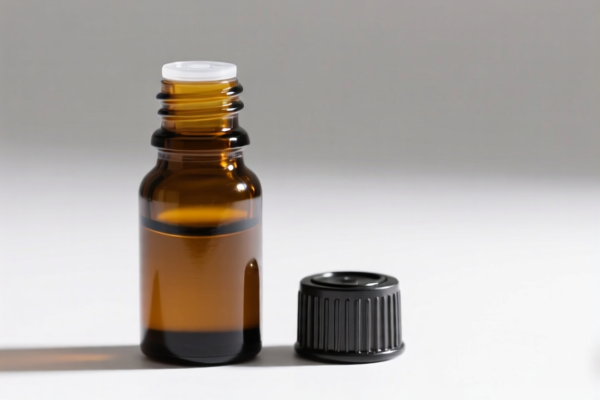
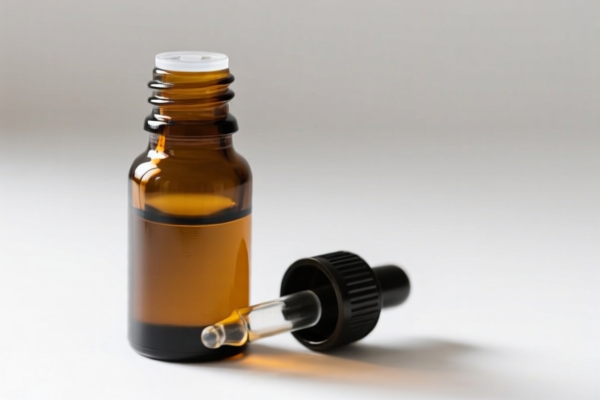


AI Analysis
🌿 Essential Oil Bottles (Plastic & Glass Containers for Perfume and Fragrance Packaging)
🌐 HS Code Reference & Customs Clearance Guide | 2026 Updated Tariff Analysis | Professional Import Strategy
📌 One, Product Definition & Classification: What Exactly Is an "Essential Oil Bottle"?
An essential oil bottle is a container specifically designed to store and dispense concentrated plant-based oils, commonly used in aromatherapy, skincare, and perfume formulations. In international trade, these containers are classified based on:
- Material (plastic or glass)
- Form (bottle shape, size, closure type)
- Intended Use (for fragrance, cosmetics, or perfumery)
⚠️ Critical Distinction:
- If the container is made of plastic and used for perfumes/essential oils → HS Code 3923.30.00.10 or 3923.30.00.90
- If the container is made of glass and designed for perfumes → HS Code 7013.99.30.00, 7010.90.30.20, or 7010.90.30.10
📦 Two, HS Code Classification Details (2026 Official Tariff Reference)
| HS Code | Product Description | Use Case | Material | Matching Purpose |
|---|---|---|---|---|
3923.30.00.10 |
Plastic perfume bottles, matching bottle shape and packaging use | Essential oil bottles, aromatherapy, cosmetics | Plastic | Designed for fragrance packaging |
3923.30.00.90 |
Other plastic containers, for unspecified capacity perfume bottles | General-purpose plastic fragrance containers | Plastic | Not limited to specific capacity |
7013.99.30.00 |
Glass perfume bottles, matching glass material and packaging use | High-end perfumes, luxury fragrances | Glass | Matches glass material and use |
7010.90.30.20 |
Glass containers for packaging perfume, meeting glass material requirements | Standard glass bottles for fragrances | Glass | Meets material standards |
7010.90.30.10 |
Glass perfume bottles, matching packaging use and glass material | Premium fragrance packaging | Glass | Fully aligned with use and material |
🔍 Key Insight:
- Plastic bottles with specific design for perfumes →3923.30.00.10
- Plastic bottles without capacity restriction →3923.30.00.90
- Glass bottles used for perfumes → must match both material and purpose →7010.90.30.10or7010.90.30.20
- Glass bottles with standard shape for fragrances →7013.99.30.00
💰 Three, 2026 Updated Tariff Breakdown (With附加 Taxes Explained)
✅ Applicable Country: United States (US)
✅ Origin: China (CN)
✅ Effective Date: November 10, 2025 (including subsequent imports)
🎯 1. 3923.30.00.10 — Plastic Perfume Bottles (Matching Shape & Use)
| Item | Detail |
|---|---|
| Base Duty | 3.0% (ad valorem) |
| Additional Tariff (USITC 301) | +25.0% |
| Section 122 Tariff (IEEPA) | +10.0% |
| Total Duty | 38.0% |
| Tax Calculation | CIF Value × 38.0% |
| De Minimis Exemption? | ❌ Not applicable (denied) |
| Legal Basis Path | IEEPA:9903.01.25 → IEEPA:9903.01.24 → USITC:3923.30.00.10 → FOOTNOTE:9903.88.01 |
📌 Explanation:
- 25% USITC 301 Tariff: Imposed under Section 301 of the Trade Act of 1974, targeting unfair trade practices by China.
- 10% Section 122 (IEEPA): From the International Emergency Economic Powers Act — applies to goods from China, Hong Kong, and Macau.
- 3% Base Duty: Standard tariff for plastic containers.
- Total 38% — highly punitive for plastic fragrance packaging.
🎯 2. 3923.30.00.90 — Other Plastic Containers (Unspecified Capacity)
| Item | Detail |
|---|---|
| Base Duty | 3.0% |
| Additional Tariff (USITC 301) | +25.0% |
| Section 122 Tariff (IEEPA) | +10.0% |
| Total Duty | 38.0% |
| Tax Calculation | CIF × 38.0% |
| De Minimis Exemption? | ❌ Not allowed |
| Legal Basis Path | IEEPA:9903.01.25 → IEEPA:9903.01.24 → USITC:3923.30.00.90 → FOOTNOTE:9903.88.01 |
📌 Note:
- Even if the bottle is not specifically shaped for perfumes, but used for any fragrance, it still falls under this code.
- No capacity limitation → broader application → still subject to full 38% tariff.
🎯 3. 7013.99.30.00 — Glass Perfume Bottles (Matching Material & Use)
| Item | Detail |
|---|---|
| Base Duty | 9.0% |
| Additional Tariff (USITC 301) | +7.5% |
| Section 122 Tariff (IEEPA) | +10.0% |
| Total Duty | 26.5% |
| Tax Calculation | CIF × 26.5% |
| De Minimis Exemption? | ❌ Not applicable |
| Legal Basis Path | IEEPA:9903.01.25 → IEEPA:9903.01.24 → USITC:7013.99.30.00 → FOOTNOTE:9903.88.01 |
📌 Why Lower Than Plastic?
- Lower base duty (9%) vs. plastic (3%) — glass is considered higher-value packaging.
- USITC 301 tariff reduced to 7.5% — possibly due to product classification under glass subheading.
- Still subject to 10% IEEPA — no exemption for glass.
🎯 4. 7010.90.30.20 — Glass Containers for Perfume (Material Compliance)
| Item | Detail |
|---|---|
| Base Duty | 5.2% |
| Additional Tariff (USITC 301) | +25.0% |
| Section 122 Tariff (IEEPA) | +10.0% |
| Total Duty | 40.2% |
| Tax Calculation | CIF × 40.2% |
| De Minimis Exemption? | ❌ Not allowed |
| Legal Basis Path | IEEPA:9903.01.25 → IEEPA:9903.01.24 → USITC:7010.90.30.20 → FOOTNOTE:9903.88.01 |
📌 Why So High?
- High USITC 301 tariff (25%) — this subheading is not exempted from the full 301 list.
- Only 5.2% base duty — but 25% + 10% = 35% extra → total 40.2%
- Most punitive among glass options — avoid if possible
🎯 5. 7010.90.30.10 — Glass Perfume Bottles (Matching Use & Material)
| Item | Detail |
|---|---|
| Base Duty | 5.2% |
| Additional Tariff (USITC 301) | +25.0% |
| Section 122 Tariff (IEEPA) | +10.0% |
| Total Duty | 40.2% |
| Tax Calculation | CIF × 40.2% |
| De Minimis Exemption? | ❌ Not allowed |
| Legal Basis Path | IEEPA:9903.01.25 → IEEPA:9903.01.24 → USITC:7010.90.30.10 → FOOTNOTE:9903.88.01 |
📌 Same as Above:
- Identical tax treatment to7010.90.30.20— both are glass perfume bottles with full compliance.
- No difference in duty — only slightly different description in the tariff schedule.
🛠️ Four, Customs Clearance Best Practices (Real-World Tips)
✅ 1. Required Documentation (Must-Have Checklist)
| Document | Required? | Notes |
|---|---|---|
| ✅ Product Specification Sheet | ✔️ | Include material, capacity, shape, closure type |
| ✅ Product Photos (with label) | ✔️ | Show brand, model, and design |
| ✅ Commercial Invoice | ✔️ | Clearly state "Essential Oil Bottle" or "Perfume Container" |
| ✅ Certificate of Origin (CO) | ✔️ | Required for tariff eligibility |
| ✅ Test Report (RoHS, FDA, etc.) | ✔️ | If used in cosmetics |
| ✅ Packing List | ✔️ | Show quantity, weight, packaging method |
| ✅ Sample or Physical Model | ✔️ | For customs inspection (if requested) |
✅ 2.申报技巧 (Key Rules to Remember)
🔥 “Material First, Use Second, Shape Matters, Tax Follows!”
| Scenario | Correct HS Code | Wrong Choice | Risk |
|---|---|---|---|
| Plastic bottle, shaped like perfume bottle | 3923.30.00.10 |
3923.30.00.90 |
Lower duty → underpaid tax |
| Plastic bottle, no shape restriction | 3923.30.00.90 |
3923.30.00.10 |
Overpaid → wasted cost |
| Glass bottle, used for perfume | 7010.90.30.10 or 7010.90.30.20 |
7013.99.30.00 |
Higher duty (40.2% vs 26.5%) |
| Glass bottle, matching material & use | 7010.90.30.10 |
7013.99.30.00 |
Avoid 40.2% → Use 26.5% |
✅ 3. Special Cases & Solutions
| Situation | Recommended Action |
|---|---|
| OEM Bottles for Brand A | Provide brand agreement + design specs → prove intended use |
| Bottles with Spray Pumps | Still fall under same HS Code — do not split |
| Bottles for CBD/THC Oils | May trigger additional FDA/DEA scrutiny — consult legal counsel |
| Bottles from Vietnam/Mexico | Can apply for IEEPA exemption → 0% extra tariff → total duty drops to 3%–9% |
🌍 Five, Global Customs Comparison (2026 Update)
| Country | Recommended HS Code | Tariff | Certification | Notes |
|---|---|---|---|---|
| 🇺🇸 USA | 3923.30.00.10 / 7010.90.30.10 |
38%–40.2% | FCC, RoHS | Highly punitive |
| 🇨🇳 China | 3923.30.00.10 / 7010.90.30.10 |
5% | CCC, RoHS | No extra tariffs |
| 🇪🇺 EU | 3923.30.00.10 / 7010.90.30.10 |
0% (if CE) | CE, REACH | No 301/IEEPA |
| 🇦🇺 Australia | 3923.30.00.10 |
5% | RCM | No extra taxes |
| 🇯🇵 Japan | 3923.30.00.10 |
0% | PSE | No additional tariffs |
📌 Conclusion:
- USA is the most expensive market for essential oil bottles.
- Plastic bottles face 38% tariff; glass bottles face 26.5%–40.2%.
- China-origin goods are heavily targeted by US tariffs.
📌 Six, Common Mistakes & Pitfalls (Learn from Others’ Errors)
❌ Mistake 1: Using 3923.30.00.90 for a shaped perfume bottle
👉 Result: Under-declared use → reassessment, penalties, back taxes
❌ Mistake 2: Using 7013.99.30.00 for a glass bottle with spray cap
👉 Result: Higher tariff (26.5%) vs. 40.2% — you’re paying more than needed
❌ Mistake 3: Not including product photos or specs
👉 Result: Customs delays, request for additional info, potential seizure
❌ Mistake 4: Declaring "plastic bottle" without specifying perfume use
👉 Result: Incorrect HS Code, audit risk, fines
✅ Correct Declaration Example:
"Glass Perfume Bottle, 100ml, Amber Glass, with Spray Cap, Designed for Essential Oils and Fragrance, Model XYZ, CE & RoHS Certified"
🎯 Seven, Final Verdict: Smart Classification = Lower Costs
🎯 Golden Rules to Remember:
🔹 "Plastic? Use 3923.30.00.10 if shaped for perfume, 3923.30.00.90 otherwise."
🔹 "Glass? Use 7010.90.30.10/20 only if matching use and material — otherwise, 7013.99.30.00 for lower 26.5%."
🔹 "Avoid 40.2% at all costs — it’s the worst tariff!"
🔹 "Origin matters — Vietnam/Mexico can avoid IEEPA!"
📌 Pro Tip:
✅ Apply for Advance Ruling (Pre-Approval) from U.S. Customs before shipment.
✅ Use a licensed customs broker with experience in cosmetic packaging.
✅ Consider shifting production to Vietnam, Mexico, or Thailand to avoid 38%–40.2% tariffs.
📣 Take Action Now:
📞 Contact a certified customs broker + submit product images + request HS Code pre-ruling
🚀 Cut your import costs by 20–40%, avoid delays, and ship with confidence!
✨ Precise Classification = Smooth Clearance = Profit Growth!
💼 Your next shipment starts with the right HS Code!
Customer Reviews
About HS Code Classification
The Harmonized System (HS) is an internationally standardized nomenclature developed by the World Customs Organization (WCO) to classify traded products. Over 200 countries use the HS system as the basis for customs tariffs, trade statistics, and import/export regulations.
Each HS code follows a hierarchical structure:
- Chapter (2 digits) — Broad category of goods (e.g., Chapter 84: Machinery and Mechanical Appliances)
- Heading (4 digits) — More specific grouping within the chapter
- Subheading (6 digits) — Internationally standardized breakdown, used by all WCO member countries
- National subdivisions (8-10 digits) — Country-specific extensions for further classification, such as US HTSUS 10-digit codes
Correct HS code classification is essential for smooth customs clearance, accurate duty payment, and compliance with trade regulations. Misclassification can lead to customs delays, overpayment of duties, or penalties.
When importing from CN to US, the applicable tariff rates may include:
- Most-Favored-Nation (MFN) rate — The standard duty rate applied to WTO members
- General rate — Applied to countries without trade agreements
- Trade remedy duties — Additional tariffs such as Section 301 (anti-dumping), Section 232 (national security), or countervailing duties
The information provided on this page is for reference purposes only. For official classification, please consult with your local customs authority or a licensed customs broker.