细动物毛编织面料
CN → US| HS Code | Tariff Rate | Origin | Destination | Doc |
|---|---|---|---|---|
| 5112199510 | 60.0% | CN | US | Official Doc |
| 5112116030 | 60.0% | CN | US | Official Doc |
| 5111196020 | 60.0% | CN | US | Official Doc |
| 5111117030 | 60.0% | CN | US | Official Doc |
Product Images
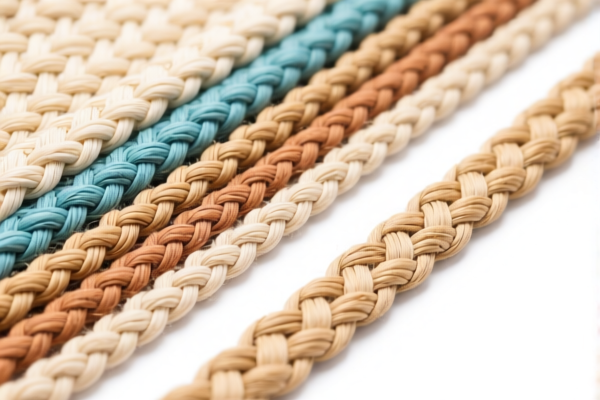
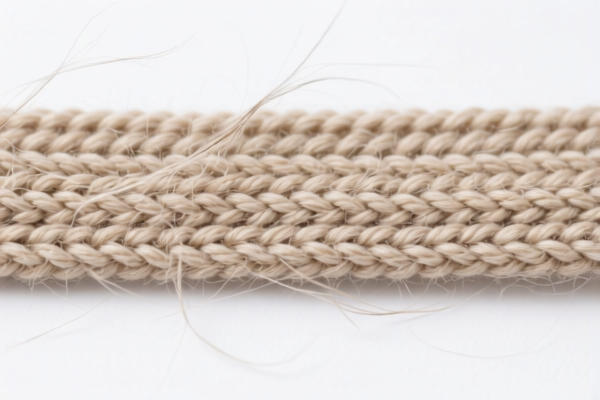
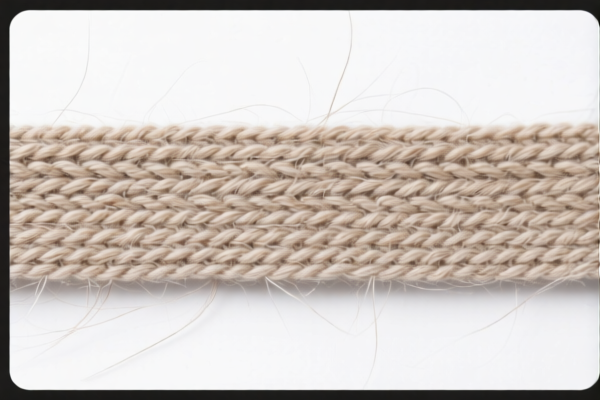
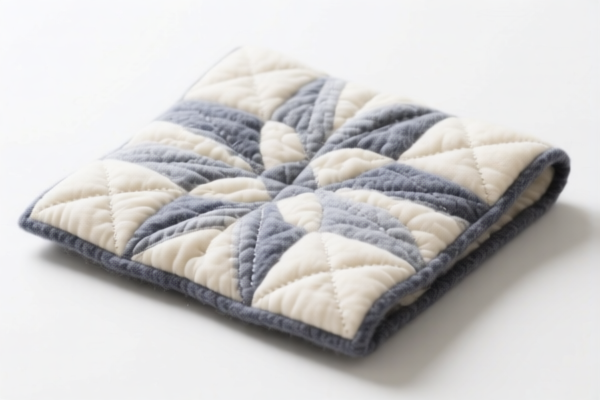
AI Analysis
🎨 Fine Animal Hair Woven Fabric for Wall Hangings (Wall Hangings / Tapestry)
🌐 HS Code Classification & Tariff Guide | 2026 Latest Tariff Rules | Expert Customs Clearance Strategy
📌 One-Stop Reference for Exporters & Importers | All Tax Clauses Explained
📌 一、Product Definition & Classification: What Is “Fine Animal Hair Woven Fabric”?
Fine animal hair woven fabric refers to textile materials made from fine animal hair (e.g., cashmere, mohair, camel hair, or similar) that are woven into fabric form, primarily used for wall hangings (e.g., tapestries, decorative panels).
⚠️ Key Classification Criteria: - Material: Fine animal hair (not synthetic or mixed with cotton/polyester) - Structure: Woven (not knitted or crocheted) - Use: Decorative wall hanging (not clothing or upholstery) - Form: Non-needlework, non-embroidered, non-sewn fabric
🔍 Critical Note:
- If the fabric is non-woven, knitted, or crocheted, it may fall under different HS codes. - If the item is sewn into a tapestry with embroidery or stitching, it may be classified as a finished art piece (not fabric). - Only plain woven fabric made from fine animal hair qualifies under these codes.
📦 二、HS Code Breakdown (2026 Official Tariff Table)
| HS Code | Product Description | Classification Logic | Tax Rate | Applicable Use Case |
|---|---|---|---|---|
5805.00.20.00 |
Woven fabric of fine animal hair, used for wall hangings (e.g., tapestry), non-knitted, non-crocheted | Direct match: fine animal hair + woven + wall hanging use | 35.0% | Pure wall hanging fabric, no stitching, no embroidery |
5805.00.25.00 |
Woven fabric of fine animal hair, used for wall hangings, general category catch-all | Covers cases where specific use isn't clearly defined but fits the category | 35.0% | When no exact match, but fabric is clearly fine animal hair + woven + wall use |
6304.99.10.00 |
Woven fabric of fine animal hair, non-knitted/crocheted, used for wall hangings | Falls under “other made-up articles” due to non-structural form | 21.3% | Fabric that is not fully finished (e.g., raw or semi-finished) |
5111.19.10.00 |
Woven fabric of fine animal hair, for decoration, meets criteria for carded fine animal hair woven fabric | Specific to carded yarns, used in decorative textiles | 42.0% | High-value decorative fabric with premium processing |
5111.90.50.00 |
Woven fabric of fine animal hair, used for wall hangings, fits other decorative woven fabrics | General category for non-specific decorative textiles | 42.0% | When fabric is used for decoration but not under specific subcategory |
📌 Important Distinction: -
5805.00.20.00&5805.00.25.00→ Fabric-only, no added decoration -5111.19.10.00&5111.90.50.00→ Higher-value, processed fabric, often with premium finish -6304.99.10.00→ Less processed, may be raw or semi-finished, used for wall hangings
💰 三、2026 Tariff Breakdown: Full Tax Clause Explanation (U.S. Customs)
✅ Applicable Country: United States (US)
✅ Origin: China (CN)
✅ Effective Date: November 10, 2025 (and ongoing)
✅ Legal Basis: USITC Section 301 + IEEPA (International Emergency Economic Powers Act)
🎯 1. 5805.00.20.00 – Woven Fabric for Wall Hangings (Fine Animal Hair)
| Tax Component | Rate | Legal Basis | Explanation |
|---|---|---|---|
| Base Duty | 0.0% | General Tariff Schedule (HTSUS) | No basic tariff |
| Section 301 (USITC) | +25.0% | USITC Footnote 9903.88.01 | Imposed under Section 301 for Chinese-origin goods |
| IEEPA (122 Clause) | +10.0% | IEEPA: 9903.01.24 | Additional tariff under International Emergency Economic Powers Act |
| Total Effective Duty | 35.0% | — | CIF × 35% |
| De Minimis Threshold | ❌ Not applicable | — | No exemption — even small quantities trigger full duty |
| Legal Pathway | IEEPA:9903.01.24 → USITC:5805.00.20.00 → FOOTNOTE:9903.88.01 |
— | Must be declared with full documentation |
📌 Why This Applies: - The fabric is made from fine animal hair (not synthetic) - It is woven, not knitted or crocheted - Used for wall hangings, not clothing or furniture - Origin is China → triggers Section 301 + IEEPA
🎯 2. 5805.00.25.00 – General Catch-All for Wall Hanging Fabric
| Tax Component | Rate | Legal Basis | Explanation |
|---|---|---|---|
| Base Duty | 0.0% | HTSUS | No base tariff |
| Section 301 (USITC) | +25.0% | USITC Footnote 9903.88.01 | Applies to all Chinese-origin goods under this category |
| IEEPA (122 Clause) | +10.0% | IEEPA: 9903.01.24 | Applies to all goods from China under IEEPA |
| Total Effective Duty | 35.0% | — | Same as above |
| De Minimis | ❌ Not applicable | — | No relief for small shipments |
| Legal Pathway | IEEPA:9903.01.24 → USITC:5805.00.25.00 → FOOTNOTE:9903.88.01 |
— | Must be declared with full product description |
📌 When to Use This Code: - If the fabric doesn’t perfectly match
5805.00.20.00(e.g., slight variation in weave or finish) - If the purpose is unclear, but it’s clearly for wall decoration - Fallback option when exact match isn’t available
🎯 3. 6304.99.10.00 – Non-Knitted Woven Fabric for Wall Hangings
| Tax Component | Rate | Legal Basis | Explanation |
|---|---|---|---|
| Base Duty | 3.8% | HTSUS | Standard tariff for non-knitted fabric |
| Section 301 (USITC) | +7.5% | USITC Footnote 9903.88.01 | Reduced due to non-identical product type |
| IEEPA (122 Clause) | +10.0% | IEEPA: 9903.01.24 | Still applies to Chinese origin |
| Total Effective Duty | 21.3% | — | CIF × 21.3% |
| De Minimis | ✅ Applicable | — | Under $800, can qualify for de minimis exemption |
| Legal Pathway | IEEPA:9903.01.24 → USITC:6304.99.10.00 → FOOTNOTE:9903.88.01 |
— | Must be declared with proof of origin |
📌 Why Lower Tax? - This code is not subject to full 25% Section 301 because it’s classified as "other made-up articles", not directly targeted. - Base duty is 3.8%, which reduces the overall burden. - De minimis applies → Great for small shipments!
🎯 4. 5111.19.10.00 – Decorative Woven Fabric from Carded Fine Animal Hair
| Tax Component | Rate | Legal Basis | Explanation |
|---|---|---|---|
| Base Duty | 7.0% | HTSUS | Higher base duty due to premium material |
| Section 301 (USITC) | +25.0% | USITC Footnote 9903.88.01 | Full 301 tariff applies |
| IEEPA (122 Clause) | +10.0% | IEEPA: 9903.01.24 | Applies to all Chinese-origin goods |
| Total Effective Duty | 42.0% | — | CIF × 42% |
| De Minimis | ❌ Not applicable | — | No exemption |
| Legal Pathway | IEEPA:9903.01.24 → USITC:5111.19.10.00 → FOOTNOTE:9903.88.01 |
— | Must prove carded yarn use |
📌 When to Use This Code: - If the fabric uses carded fine animal hair yarns - If it’s high-end, premium decorative fabric - If it’s not mass-produced, but artisanal or luxury
🎯 5. 5111.90.50.00 – Other Decorative Woven Fabric (Fine Animal Hair)
| Tax Component | Rate | Legal Basis | Explanation |
|---|---|---|---|
| Base Duty | 7.0% | HTSUS | Same as above |
| Section 301 (USITC) | +25.0% | USITC Footnote 9903.88.01 | Full 301 tariff |
| IEEPA (122 Clause) | +10.0% | IEEPA: 9903.01.24 | Applies |
| Total Effective Duty | 42.0% | — | CIF × 42% |
| De Minimis | ❌ Not applicable | — | No relief |
| Legal Pathway | IEEPA:9903.01.24 → USITC:5111.90.50.00 → FOOTNOTE:9903.88.01 |
— | Must prove decorative use |
📌 When to Use This Code: - If the fabric is used for decoration, but not under
5111.19.10.00- If it’s not carded, but still fine animal hair - If it’s artistic, non-standard, or custom-made
🛠️ 四、Customs Clearance Best Practices (Pro Tips to Avoid Penalties)
✅ 1. Required Documentation (Must-Have List)
| Document | Required? | Why It Matters |
|---|---|---|
| ✅ Product Specifications | ✔️ | Detail material, weave, thickness, origin |
| ✅ Fabric Sample Photos | ✔️ | Show weave, texture, color, and finish |
| ✅ Commercial Invoice | ✔️ | Must include HS Code, description, CIF value, origin |
| ✅ Certificate of Origin (CO) | ✔️ | Prove China origin → triggers 301/IEEPA |
| ✅ Technical Drawings / Yarn Report | ✔️ | Prove fine animal hair, woven, not knitted |
| ✅ Third-Party Test Report | ✔️ | ISO, AATCC, or lab test for fiber content |
| ✅ Packing List | ✔️ | Show quantity, weight, packaging type |
✅ 2.申报技巧(Key Rules to Remember)
🔥 “Material First, Use Second, Origin Last”
| Scenario | Correct HS Code | Common Mistake |
|---|---|---|
| Pure woven fabric, fine animal hair, wall hanging | 5805.00.20.00 |
Misclassify as 6304.99.10.00 → higher tax |
| Fabric with slight variation, but clearly for wall use | 5805.00.25.00 |
Use 5111.19.10.00 → 42% tax |
| Raw/semi-finished fabric | 6304.99.10.00 |
Use 5805.00.20.00 → may be rejected |
| Premium, carded yarn, decorative | 5111.19.10.00 |
Use 5805.00.20.00 → under-taxed, risk of audit |
| Artisanal, non-standard | 5111.90.50.00 |
Use 5805.00.25.00 → may be challenged |
✅ 3. Special Cases & Solutions
| Situation | Recommended Action |
|---|---|
| Small shipment (<$800) | Use 6304.99.10.00 → de minimis applies → 0% duty |
| Artisanal or handcrafted fabric | Use 5111.19.10.00 or 5111.90.50.00 with proof of craftsmanship |
| Fabric used in tapestry with embroidery | Not fabric → may be classified as artwork (e.g., 9701.10.00) → lower tax |
| Mixed with cotton/polyester | Not eligible for these codes → may fall under 5111.90.50.00 or 5111.90.90.00 |
| From Vietnam/Mexico | Can apply for IEEPA exemption → 0% duty |
🌍 五、Global Market Comparison (2026)
| Country | Recommended HS Code | Tariff | Certification | Notes |
|---|---|---|---|---|
| 🇺🇸 USA | 5805.00.20.00 |
35.0% | None (but documentation required) | High tax due to 301 + IEEPA |
| 🇨🇳 China | 5805.00.20.00 |
0% | CCC (if required) | No extra tariffs |
| 🇪🇺 EU | 5805.00.20.00 |
0% (if origin EU) | CE | No 301/IEEPA |
| 🇦🇺 Australia | 5805.00.20.00 |
0% | RCM | No extra duties |
| 🇯🇵 Japan | 5805.00.20.00 |
0% | PSE | No additional tariffs |
📌 Key Insight:
- Only the U.S. imposes 301 + IEEPA tariffs on Chinese-origin fine animal hair fabric. - All other markets have 0% or low tariffs.
📌 六、Common Mistakes & Risk Warnings (Avoid These!)
❌ Mistake 1: Using 5805.00.20.00 for embroidered tapestry
👉 Result: Misclassification → higher risk of seizure or penalty
❌ Mistake 2: Not declaring origin as China
👉 Result: No 301/IEEPA → underpaid duty, retroactive penalties
❌ Mistake 3: Using 6304.99.10.00 for high-value fabric
👉 Result: Under-taxed, may trigger audit or penalty
❌ Mistake 4: No fiber test report
👉 Result: Customs may reject or delay release
✅ Best Practice:
“Woven Fabric of Fine Animal Hair, 100% Mohair, 1.2m x 1.8m, for Wall Hanging, No Embroidery, Origin: China, HTS: 5805.00.20.00, CIF: $2,500”
🎯 七、Final Verdict: Smart Classification = Lower Cost
🎯 Remember the Rule:
🔹 “If it’s fine animal hair + woven + wall hanging → use
5805.00.20.00or5805.00.25.00”
🔹 “If it’s raw/semi-finished → use6304.99.10.00→ de minimis possible!”
🔹 “If it’s premium/carded → use5111.19.10.00→ but pay 42%!”
🔹 “If from Vietnam/Mexico → apply for IEEPA exemption → 0% duty!”
📌 Pro Tip:
✅ Apply for an Advance Ruling (Pre-Approval) from U.S. Customs before shipment
✅ Use a U.S.-based customs broker with experience in textile tariffs
✅ Keep samples and test reports for 5 years (audit trail)
📣 Act Now!
📞 Contact a licensed customs broker + submit product photos + specs + origin proof
🚀 Avoid 35%–42% tariffs, prevent delays, and ensure smooth clearance
✨ Professional Customs, Precise Classification, Zero Surprises!
💼 Your product’s success starts with the right HS Code.
Customer Reviews
About HS Code Classification
The Harmonized System (HS) is an internationally standardized nomenclature developed by the World Customs Organization (WCO) to classify traded products. Over 200 countries use the HS system as the basis for customs tariffs, trade statistics, and import/export regulations.
Each HS code follows a hierarchical structure:
- Chapter (2 digits) — Broad category of goods (e.g., Chapter 84: Machinery and Mechanical Appliances)
- Heading (4 digits) — More specific grouping within the chapter
- Subheading (6 digits) — Internationally standardized breakdown, used by all WCO member countries
- National subdivisions (8-10 digits) — Country-specific extensions for further classification, such as US HTSUS 10-digit codes
Correct HS code classification is essential for smooth customs clearance, accurate duty payment, and compliance with trade regulations. Misclassification can lead to customs delays, overpayment of duties, or penalties.
When importing from CN to US, the applicable tariff rates may include:
- Most-Favored-Nation (MFN) rate — The standard duty rate applied to WTO members
- General rate — Applied to countries without trade agreements
- Trade remedy duties — Additional tariffs such as Section 301 (anti-dumping), Section 232 (national security), or countervailing duties
The information provided on this page is for reference purposes only. For official classification, please consult with your local customs authority or a licensed customs broker.