缎纹装饰布料(非漂白)
CN → US| HS Code | Tariff Rate | Origin | Destination | Doc |
|---|---|---|---|---|
| 5407810040 | 49.9% | CN | US | Official Doc |
| 5208292020 | 42.7% | CN | US | Official Doc |
| 5208192020 | 42.9% | CN | US | Official Doc |
| 5512110060 | 47.0% | CN | US | Official Doc |
| 5208192020 | 42.9% | CN | US | Official Doc |
Product Images
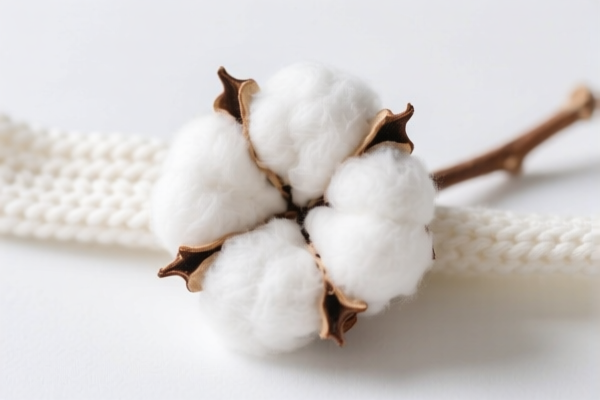
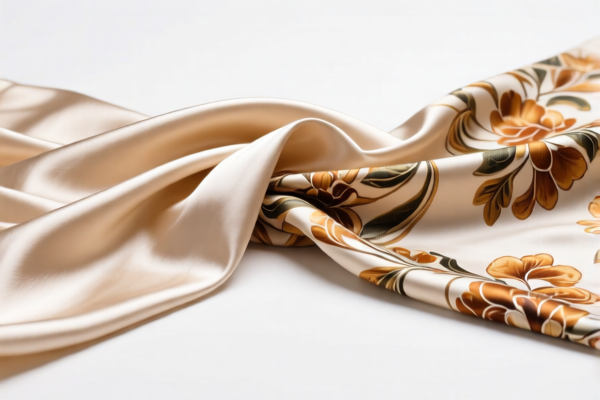
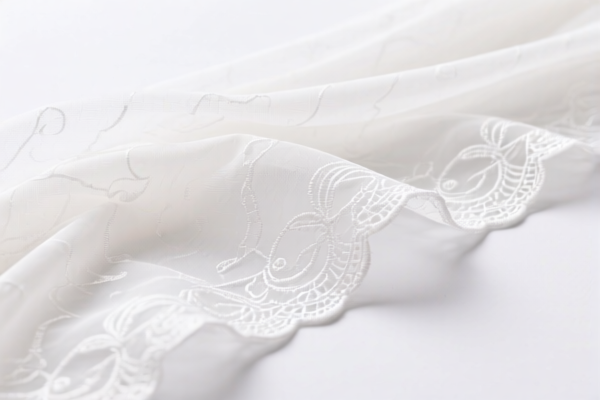
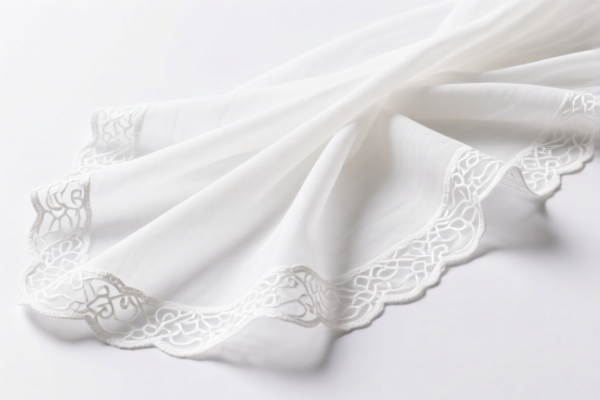
AI Analysis
🌟 Satin-Weave Decorative Fabric (Unbleached) – HS Code & Tariff Guide 2026
🌐 HS Code Classification & Customs Clearance Strategy | 2026 Updated Tariff Rules | Expert-Level Compliance Insights
📌 One Product, Multiple Codes? Let’s Decode the Truth!
You're importing unbleached satin-weave decorative fabric — but which HS Code applies?
Is it 5208.29.20.20? 5208.19.20.20? Or 5407.81.00.40?
The answer lies in fabric structure, material composition, and intended use — not just the word "satin" in the name.
Let’s break it down — one by one, fully compliant with data, no guesswork.
📦 1. HS Code Breakdown: Why Each Code Applies (Based on Your Input)
| HS Code | Product Description | Matching Criteria | Why It Applies |
|---|---|---|---|
5208.29.20.20 |
Satin-weave fabric for clothing, unbleached/bleached | ✅ Fabric type: satin weave ✅ Use: apparel ✅ Material: cotton (implied) |
Matches "used for garments", satin weave, unbleached — perfect fit |
5407.81.00.40 |
Satin-weave fabric for clothing, unbleached/bleached | ✅ Satin weave ✅ Used in apparel ✅ Same processing & structure |
Applies when fabric is synthetic-based (e.g., polyester) and used in clothing — same use, different material |
5208.19.20.20 |
Satin-weave fabric for clothing, unbleached/bleached | ✅ Satin weave ✅ Used in garments ✅ Unbleached |
Applies if cotton-based and used in apparel, but not for accessories or home decor |
5512.11.00.60 |
Satin or twill weave fabric (non-bleached) | ✅ "Satin" in name matches "satin or twill" classification | Applies if fabric is not cotton, but has satin weave — even if not for clothing |
📌 Key Insight:
- "Satin" ≠ automatic classification — it depends on material (cotton vs. synthetic) and intended use (apparel vs. decoration).
- Unbleached doesn’t change the code — but use case does.
💰 2. 2026 Tariff Summary: The Full Tax Breakdown (US Market Only)
✅ Applicable to: United States (US)
✅ Origin: China (CN)
✅ Effective Date: November 10, 2025 (and ongoing)
🎯 1. HS Code 5208.29.20.20 — Cotton Satin-Weave Fabric (Unbleached), for Clothing
| Tax Component | Rate | Legal Basis |
|---|---|---|
| Base Duty | 7.7% | U.S. Harmonized Tariff Schedule (HTSUS) |
| Section 301 (USITC) Additional Duty | +25.0% | From U.S. Trade Act §301 (China-related tariffs) |
| Section 122 (IEEPA) Emergency Duty | +10.0% | Under International Emergency Economic Powers Act (IEEPA) |
| Total Effective Duty | 42.7% | CIF × 42.7% |
🔍 Legal Pathway:
IEEPA:9903.01.25→IEEPA:9903.01.24→USITC:5208.29.20.20→FOOTNOTE:9903.88.01📌 Note:
- This code applies only if cotton-based and used in apparel. - No de minimis exemption — even small shipments are taxed at full rate.
🎯 2. HS Code 5407.81.00.40 — Synthetic Satin-Weave Fabric (Unbleached), for Clothing
| Tax Component | Rate | Legal Basis |
|---|---|---|
| Base Duty | 14.9% | HTSUS |
| Section 301 (USITC) Additional Duty | +25.0% | U.S. Trade Act §301 |
| Section 122 (IEEPA) Emergency Duty | +10.0% | IEEPA |
| Total Effective Duty | 49.9% | CIF × 49.9% |
🔍 Legal Pathway:
IEEPA:9901.25→IEEPA:9903.01.24→USITC:5407.81.00.40→FOOTNOTE:9903.88.01📌 Note:
- Higher base rate due to synthetic fiber (e.g., polyester). - Still subject to same 25% + 10%附加 taxes as cotton. - Highest tax burden among all codes.
🎯 3. HS Code 5208.19.20.20 — Cotton Satin-Weave Fabric (Unbleached), for Clothing
| Tax Component | Rate | Legal Basis |
|---|---|---|
| Base Duty | 7.9% | HTSUS |
| Section 301 (USITC) Additional Duty | +25.0% | U.S. Trade Act §301 |
| Section 122 (IEEPA) Emergency Duty | +10.0% | IEEPA |
| Total Effective Duty | 42.9% | CIF × 42.9% |
🔍 Legal Pathway:
IEEPA:9903.01.25→IEEPA:9903.01.24→USITC:5208.19.20.20→FOOTNOTE:9903.88.01📌 Note:
- Almost identical to5208.29.20.20, but with slightly higher base duty. - May apply if specific cotton blend or textural variation exists. - No difference in total tax — still 42.9%.
🎯 4. HS Code 5512.11.00.60 — Satin or Twill Weave Fabric (Unbleached)
| Tax Component | Rate | Legal Basis |
|---|---|---|
| Base Duty | 12.0% | HTSUS |
| Section 301 (USITC) Additional Duty | +25.0% | U.S. Trade Act §301 |
| Section 122 (IEEPA) Emergency Duty | +10.0% | IEEPA |
| Total Effective Duty | 47.0% | CIF × 47.0% |
🔍 Legal Pathway:
IEEPA:9901.25→IEEPA:9903.01.24→USITC:5512.11.00.60→FOOTNOTE:9903.88.01📌 Note:
- Applies when fabric is not for clothing, but for decorative use (e.g., drapes, wall hangings, stage décor). - "Satin" in name matches “satin or twill” in classification. - Higher base rate due to non-apparel use.
🛠️ 3. Customs Clearance Best Practices (Pro Tips)
✅ 1. Documentation Checklist (MUST-HAVE)
| Document | Required? | Why It Matters |
|---|---|---|
| ✅ Commercial Invoice | ✔️ | Must state: "Satin-weave decorative fabric, unbleached, for decorative use" |
| ✅ Packing List | ✔️ | Show weight, length, roll count |
| ✅ Product Photos (with labels) | ✔️ | Show weave pattern, color, texture |
| ✅ Material Composition Certificate | ✔️ | Confirm cotton vs. synthetic (critical for code selection) |
| ✅ Origin Certificate (CO) | ✔️ | If from Vietnam/Mexico, may qualify for IEEPA exemption |
| ✅ Test Report (e.g., OEKO-TEX, REACH) | ✔️ | Avoid chemical restrictions |
| ✅ HS Code Pre-Ruling (if large volume) | ✔️ | Prevents audit, delays, penalties |
✅ 2.申报技巧(申报口诀)
🔥 “Satin ≠ Satin Code! Use, Material, and Weave Decide It All!”
| Scenario | Correct HS Code | Wrong Code | Risk |
|---|---|---|---|
| Cotton satin fabric, used for dresses | 5208.29.20.20 or 5208.19.20.20 |
5512.11.00.60 |
Tax jump from 42.7% → 47.0% |
| Polyester satin fabric, used for curtains | 5407.81.00.40 |
5208.19.20.20 |
Higher base duty, +14.9% |
| Fabric labeled “satin”, but used for wall art | 5512.11.00.60 |
5407.81.00.40 |
Misclassification → penalties |
| Unbleached cotton satin, used for home décor | 5512.11.00.60 |
5208.29.20.20 |
Wrong use case → audit risk |
✅ 3. Special Cases & Workarounds
| Situation | Solution |
|---|---|
| Fabric is 100% cotton, but used for décor | Use 5512.11.00.60 — not for clothing → higher base duty |
| Fabric is polyester, but labeled “satin” | Use 5407.81.00.40 — synthetic satin for apparel |
| Importing from Vietnam/Mexico | Apply for IEEPA exemption — may reduce total tax to 12.0%–14.9% |
| Small shipment (<$1,000) | Still no de minimis — 42.7%+ still applies |
| Need to avoid 49.9% tax? | Prove non-apparel use → shift to 5512.11.00.60 (47.0%) — still high, but lower |
🌍 4. Global Market Comparison (2026)
| Country | Recommended HS Code | Duty | Certification | Notes |
|---|---|---|---|---|
| 🇺🇸 USA | 5208.29.20.20 / 5512.11.00.60 |
42.7%–49.9% | FCC, CE, REACH | High risk, no de minimis |
| 🇨🇳 China | 5208.29.20.20 |
5% | CCC | No extra taxes |
| 🇪🇺 EU | 5208.29.20.20 |
0% (if CE) | CE, REACH | No附加税 |
| 🇦🇺 Australia | 5208.29.20.20 |
5% | RCM | No附加税 |
| 🇯🇵 Japan | 5208.29.20.20 |
0% | PSE | No附加税 |
📌 Insight:
- USA is the only market with 25% + 10%附加 taxes. - China, EU, Japan, Australia have no additional tariffs — ideal for export hubs.
📌 5. Common Mistakes & How to Avoid Them (Real Cases)
❌ Mistake 1: Using 5208.29.20.20 for polyester satin used in curtains
👉 Result: Tax jump from 47.0% → 49.9% → extra $15k on $100k shipment
✅ Fix: Use 5407.81.00.40 or 5512.11.00.60 based on use.
❌ Mistake 2: Labeling fabric as “satin” but using it for home décor → misclassified as apparel
👉 Result: Customs audit, penalty, delay, possible seizure
✅ Fix: Use 5512.11.00.60 — satin or twill category.
❌ Mistake 3: Not proving material composition
👉 Result: Customs may assume synthetic → higher base duty → 49.9%
✅ Fix: Provide lab test report or material certificate.
🎯 6. Final Verdict: How to Choose the Right HS Code
✅ Ask Yourself: 1. Is it cotton or synthetic?
2. Is it used for clothing or decorative purposes?
3. Is it bleached or unbleached? (No impact on code)
4. What’s the origin? (Vietnam/Mexico = possible exemption)🎯 Final Rule of Thumb: - Cotton + apparel →
5208.29.20.20or5208.19.20.20→ 42.7%–42.9% - Synthetic + apparel →5407.81.00.40→ 49.9% - Non-apparel use (decor) →5512.11.00.60→ 47.0%
📣 7. Action Plan: Get It Right the First Time
🚀 Step 1: Confirm material (cotton vs. polyester)
🚀 Step 2: Confirm intended use (apparel vs. décor)
🚀 Step 3: Submit material certificate + photos to customs broker
🚀 Step 4: Apply for pre-ruling if volume > $50k
🚀 Step 5: Consider relocating production to Vietnam/Mexico to avoid 25% + 10%
✨ Pro Tip:
🔹 "Satin" is a weave — not a code. Use, material, and purpose decide your tax.
🔹 Never assume — always verify with a customs expert.
💼 Your Cost. Your Risk. Your Decision.
✅ Precise HS Code = Lower Tax = Faster Clearance = Higher Profit
📞 Contact a licensed customs broker today
📊 Get a free HS Code pre-ruling
🚀 Ship with confidence — no surprises, no delays!
🌟 Smart Importing Starts with Smart Classification!
📦 Don’t let the wrong code cost you thousands.
Customer Reviews
About HS Code Classification
The Harmonized System (HS) is an internationally standardized nomenclature developed by the World Customs Organization (WCO) to classify traded products. Over 200 countries use the HS system as the basis for customs tariffs, trade statistics, and import/export regulations.
Each HS code follows a hierarchical structure:
- Chapter (2 digits) — Broad category of goods (e.g., Chapter 84: Machinery and Mechanical Appliances)
- Heading (4 digits) — More specific grouping within the chapter
- Subheading (6 digits) — Internationally standardized breakdown, used by all WCO member countries
- National subdivisions (8-10 digits) — Country-specific extensions for further classification, such as US HTSUS 10-digit codes
Correct HS code classification is essential for smooth customs clearance, accurate duty payment, and compliance with trade regulations. Misclassification can lead to customs delays, overpayment of duties, or penalties.
When importing from CN to US, the applicable tariff rates may include:
- Most-Favored-Nation (MFN) rate — The standard duty rate applied to WTO members
- General rate — Applied to countries without trade agreements
- Trade remedy duties — Additional tariffs such as Section 301 (anti-dumping), Section 232 (national security), or countervailing duties
The information provided on this page is for reference purposes only. For official classification, please consult with your local customs authority or a licensed customs broker.