编织手提包(复古风格)
CN → US| HS Code | Tariff Rate | Origin | Destination | Doc |
|---|---|---|---|---|
| 4602192920 | 40.3% | CN | US | Official Doc |
| 4602112100 | 41.2% | CN | US | Official Doc |
| 4202224020 | 42.4% | CN | US | Official Doc |
| 4202228980 | 52.6% | CN | US | Official Doc |
| 4602192920 | 40.3% | CN | US | Official Doc |
Product Images
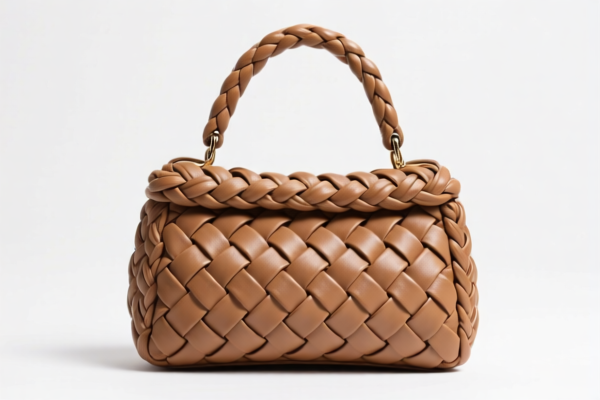
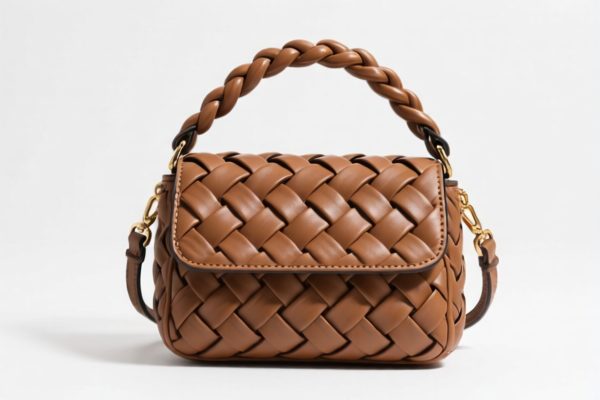
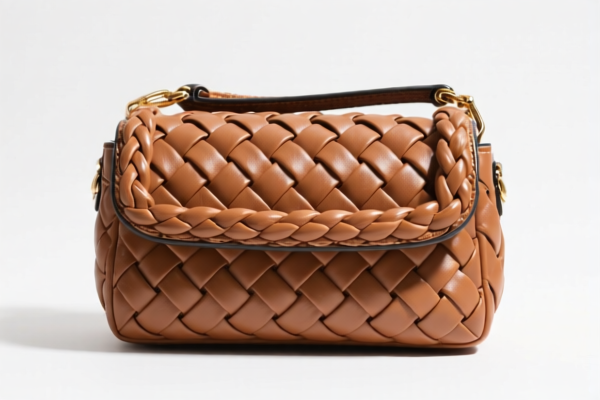
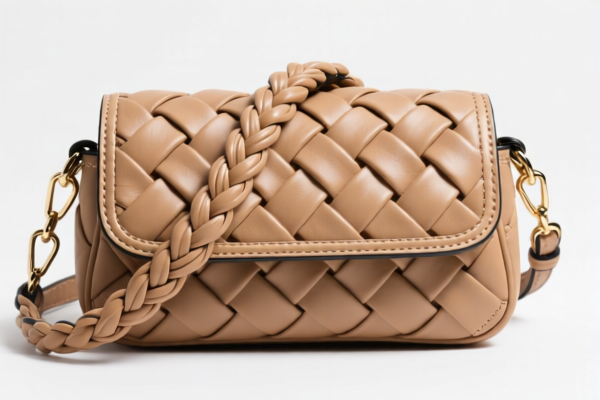
AI Analysis
👜 Retro-Style Woven Handbags (Vintage Aesthetic Bags)
🌐 HS Code Reference & Customs Clearance Guide | 2026 Latest Tariff Analysis | Professional Entry Strategy
📌 I. Product Definition & Classification: Do You Really Understand "Woven Handbags"?
Retro-style woven handbags are a popular fashion accessory category, characterized by materials such as plant fibers (bamboo, rattan, straw), textiles, or other woven synthetics. In international trade, these products are strictly classified based on their primary material and manufacturing method. Misclassification is the leading cause of tariff discrepancies and customs delays.
Two Main Categories: 1. Vegetable Material Baskets/Bags: Made primarily from bamboo, rattan, wicker, or straw. These fall under Chapter 46 (Products of vegetable plaiting materials). 2. Textile/Luggage Bags: Made from woven fabrics, synthetic fibers, or other materials that form the structure of a handbag. These fall under Chapter 42 (Articles of leather; travel goods, handbags).
⚠️ Key Distinction Point:
- If the bag’s structure is dominated by rigid plant fibers (bamboo/rattan) woven into a basket-like or structured form → Chapter 46.
- If the bag is made of woven fabric/textile (even if decorative) or acts as a soft-sided handbag/luggage item → Chapter 42.
📦 II. HS Code Classification Details (2026 Latest Tariff Authority Comparison)
Based on the provided data, here are the four possible HS Codes for "Retro-Style Woven Handbags," along with their specific material descriptions and tax implications.
| HS Code | Product Description (Summary) | Material Specification | Total Tax Rate | Tax Breakdown |
|---|---|---|---|---|
4602.19.29.20 |
Woven Handbag | Plant material woven products | 40.3% | Base: 5.3%, Section 301: 25%, Section 122: 10% |
4602.11.21.00 |
Woven Handbag | Bamboo, Rattan, etc. | 41.2% | Base: 6.2%, Section 301: 25%, Section 122: 10% |
4202.22.40.20 |
Woven Handbag | Made of woven material | 42.4% | Base: 7.4%, Section 301: 25%, Section 122: 10% |
4202.22.89.80 |
Woven Handbag | Other textile materials | 52.6% | Base: 17.6%, Section 301: 25%, Section 122: 10% |
🔍 Important Note:
- The primary driver for the 25% Section 301 tariff and 10% Section 122 tariff applies to all codes listed above, as they originate from China. - The variance in base tariffs (5.3% to 17.6%) depends entirely on whether the item is classified as a vegetable plaiting product (Ch. 46) or a textile/luggage item (Ch. 42). -4202.22.89.80carries the highest base rate (17.6%) because it is classified under "Other textile materials" within the luggage chapter, which typically faces higher scrutiny and higher baseline duties.
💰 III. 2026 Latest Tariff Rate Breakdown (Including Additional Taxes & Policy Surcharges)
✅ Applicable Country: United States (US)
✅ Origin: China (CN)
✅ Effective Date: Current rates apply (includes subsequent imports)
🎯 1. 4602.11.21.00 —— Bamboo/Rattan Woven Handbag
| Item | Detail |
|---|---|
| Base Duty Rate | 6.2% (ad valorem) |
| USITC Supplemental Duty (Section 301) | +25% |
| IEEPA Supplemental Duty (Section 122) | +10% (for China/HK products) |
| Total Effective Rate | 41.2% |
| Tax Calculation | CIF Value × 41.2% |
| De Minimis Eligibility | ❌ Not Eligible (denied) |
| Legal Basis Path | USITC:4602.11.21.00 → FOOTNOTE:301 → IEEPA:122 |
📌 Explanation:
- This code is specifically for bags made of bamboo, rattan, or similar plant materials. - If your "retro bag" is rigid, structured, and clearly made of bamboo strips, this is the most likely classification.
🎯 2. 4602.19.29.20 —— Other Plant Material Woven Handbag
| Item | Detail |
|---|---|
| Base Duty Rate | 5.3% (ad valorem) |
| USITC Supplemental Duty (Section 301) | +25% |
| IEEPA Supplemental Duty (Section 122) | +10% |
| Total Effective Rate | 40.3% |
| Tax Calculation | CIF Value × 40.3% |
| De Minimis Eligibility | ❌ Not Eligible (denied) |
| Legal Basis Path | USITC:4602.19.29.20 → FOOTNOTE:301 → IEEPA:122 |
📌 Explanation:
- This is a "catch-all" for vegetable plaiting materials that are not bamboo/rattan (e.g., straw, seagrass, reed). - It has the lowest total tax rate (40.3%) among all options provided. If your bag is made of straw or reed, aim for this code to save ~0.9% compared to bamboo/rattan.
🎯 3. 4202.22.40.20 —— Woven Material Handbag
| Item | Detail |
|---|---|
| Base Duty Rate | 7.4% (ad valorem) |
| USITC Supplemental Duty (Section 301) | +25% |
| IEEPA Supplemental Duty (Section 122) | +10% |
| Total Effective Rate | 42.4% |
| Tax Calculation | CIF Value × 42.4% |
| De Minimis Eligibility | ❌ Not Eligible (denied) |
| Legal Basis Path | USITC:4202.22.40.20 → FOOTNOTE:301 → IEEPA:122 |
📌 Explanation:
- This code applies if the bag is made of woven fabrics (e.g., woven polyester, nylon, or cotton blends) that are structured as handbags. - Note that "woven" here refers to textile weaving, not plant plaiting.
🎯 4. 4202.22.89.80 —— Other Textile Material Handbag
| Item | Detail |
|---|---|
| Base Duty Rate | 17.6% (ad valorem) |
| USITC Supplemental Duty (Section 301) | +25% |
| IEEPA Supplemental Duty (Section 122) | +10% |
| Total Effective Rate | 52.6% |
| Tax Calculation | CIF Value × 52.6% |
| De Minimis Eligibility | ❌ Not Eligible (denied) |
| Legal Basis Path | USITC:4202.22.89.80 → FOOTNOTE:301 → IEEPA:122 |
📌 Explanation:
- This is the most expensive classification. It applies to handbags made of "other textile materials" not specified elsewhere in the 4202.22 series. - Avoid this code unless absolutely necessary, as it adds an extra 10.2% base duty compared to the woven textile code (4202.22.40.20).
🛠️ IV. Customs Clearance Practical Advice (Avoiding Pitfalls)
✅ 1. Essential Documentation Checklist (Non-negotiable)
| Document | Required | Purpose |
|---|---|---|
| ✅ Product Specification Sheet | ✔️ | Must detail material composition (e.g., "100% Bamboo," "Woven Cotton") |
| ✅ Material Breakdown | ✔️ | Clarify if the bag is rigid (Ch. 46) or soft-sided (Ch. 42) |
| ✅ High-Resolution Photos | ✔️ | Show weave pattern, structure, handles, and lining |
| ✅ Commercial Invoice | ✔️ | Must explicitly state "Handbag" and material type |
| ✅ Packing List | ✔️ | Ensure weight and dimensions match |
| ✅ Origin Certificate (if applicable) | ❌ | Not applicable for US-China trade due to Section 301, but keep for records |
✅ 2. Declaration Strategy (Key Mnemonics)
🔥 "Material Defines Chapter, Structure Defines Code!"
| Scenario | Correct Declaration | Incorrect Practice |
|---|---|---|
| Bamboo/Rattan Bag | 4602.11.21.00 |
Misclassify as textile (4202...) → Higher tax/Rejection |
| Straw/Reed Bag | 4602.19.29.20 |
Call it "Bamboo" → Audit risk |
| Fabric Woven Bag | 4202.22.40.20 |
Call it "Plant material" → Wrong chapter |
| Other Textile Bag | 4202.22.89.80 |
Avoid if possible due to high base tax |
✅ 3. Special Case Handling
| Situation | Handling Advice |
|---|---|
| Hybrid Materials (e.g., Bamboo frame + Fabric lining) | Rule of Essential Character: If the bamboo provides the structure, classify under Ch. 46. If fabric dominates, classify under Ch. 42. |
| "Retro Style" Labeling | Do not declare as "Fashion Accessory" vaguely. Use specific material descriptions like "Woven Straw Handbag, Vintage Style." |
| Sample vs. Bulk | Both are subject to the same tariff rates. No duty exemption for samples from China. |
| De Minimis Exemption | ❌ Do NOT attempt. All these HS codes are excluded from Section 321 de minimis ($800 exemption) due to Section 301/122 restrictions. |
🌍 V. Global Market Comparison (2026 Latest)
| Country/Region | Recommended HS Code | Estimated Duty (China Origin) | Certification Requirements | Notes |
|---|---|---|---|---|
| 🇺🇸 USA | 4602.11.21.00 / 4202.22.xxxx |
40.3% - 52.6% | None specific | High tariffs due to Section 301/122 |
| 🇪🇺 EU | 4602.11 / 4202.22 |
~6.0% - 12.0% | CE (if applicable), REACH | Lower base tariffs, no Section 301 |
| 🇨🇳 China | 4602.11 / 4202.22 |
~5.0% - 15.0% | CCC (if applicable) | No additional punitive tariffs |
| 🇬🇧 UK | 4602.11 / 4202.22 |
~6.0% - 12.0% | UKCA | Post-Brexit rules apply |
📌 Conclusion:
- The US is the most expensive market for these goods due to the additional 35% surcharge (25% + 10%). - To minimize costs in the US, ensure accurate classification to pick the lowest base tariff (e.g.,4602.19.29.20at 40.3% vs.4202.22.89.80at 52.6%).
📌 VI. Common Errors & Pitfalls (Blood & Tears Lessons)
❌ Error 1: Calling a bamboo bag a "Textile Handbag"
👉 Consequence: Customs may reclassify, leading to delays, penalties, or even denial of entry if documentation doesn't match.
❌ Error 2: Assuming "Small Value" shipments are exempt
👉 Consequence: Section 301/122 tariffs apply to all values from China. No $800 de minimis.
❌ Error 3: Vague Description ("Vintage Bag")
👉 Consequence: CBP will issue a Questionnaire, requiring detailed material breakdowns. Delays in clearance.
❌ Error 4: Misclassifying Straw as Bamboo
👉 Consequence: While both are Ch. 46, wrong subheading can lead to audit flags. Use 4602.19.29.20 for straw/reed.
✅ Correct Practice:
"Handbag, Woven Straw, Vintage Style, 100% Natural Plant Material, Model XYZ, For Personal Use"
🎯 VII. Conclusion: Precision in Classification, Savings in Costs!
🎯 Remember the Mnemonic:
🔹 "Plant Fibers go to 46, Textiles to 42!
🔹 "Bamboo is 41.2%, Straw is 40.3%, Textile is 42.4%, Other is 52.6%!"
🔹 "No De Minimis, No Exceptions, No Mistakes!"
📌 Pro Tip:
If your bag uses synthetic woven materials (e.g., plastic straw, PP woven), ensure it is not misclassified as natural plant material. Synthetic woven bags might fall under different subheadings with different tax treatments. Always consult the USITC Harmonized Tariff Schedule for the final determination.
📣 Immediate Action:
📞 Contact your customs broker with material specifications
🚀 Apply for an Advance Ruling if unsure about the material classification
💼 Your profit margin depends on accurate HS Codes!
✨ Professional Customs Clearance Starts with Precise Classification!
💼 Every percentage point counts!
Customer Reviews
About HS Code Classification
The Harmonized System (HS) is an internationally standardized nomenclature developed by the World Customs Organization (WCO) to classify traded products. Over 200 countries use the HS system as the basis for customs tariffs, trade statistics, and import/export regulations.
Each HS code follows a hierarchical structure:
- Chapter (2 digits) — Broad category of goods (e.g., Chapter 84: Machinery and Mechanical Appliances)
- Heading (4 digits) — More specific grouping within the chapter
- Subheading (6 digits) — Internationally standardized breakdown, used by all WCO member countries
- National subdivisions (8-10 digits) — Country-specific extensions for further classification, such as US HTSUS 10-digit codes
Correct HS code classification is essential for smooth customs clearance, accurate duty payment, and compliance with trade regulations. Misclassification can lead to customs delays, overpayment of duties, or penalties.
When importing from CN to US, the applicable tariff rates may include:
- Most-Favored-Nation (MFN) rate — The standard duty rate applied to WTO members
- General rate — Applied to countries without trade agreements
- Trade remedy duties — Additional tariffs such as Section 301 (anti-dumping), Section 232 (national security), or countervailing duties
The information provided on this page is for reference purposes only. For official classification, please consult with your local customs authority or a licensed customs broker.